Snow Goose Numbers in Kansas
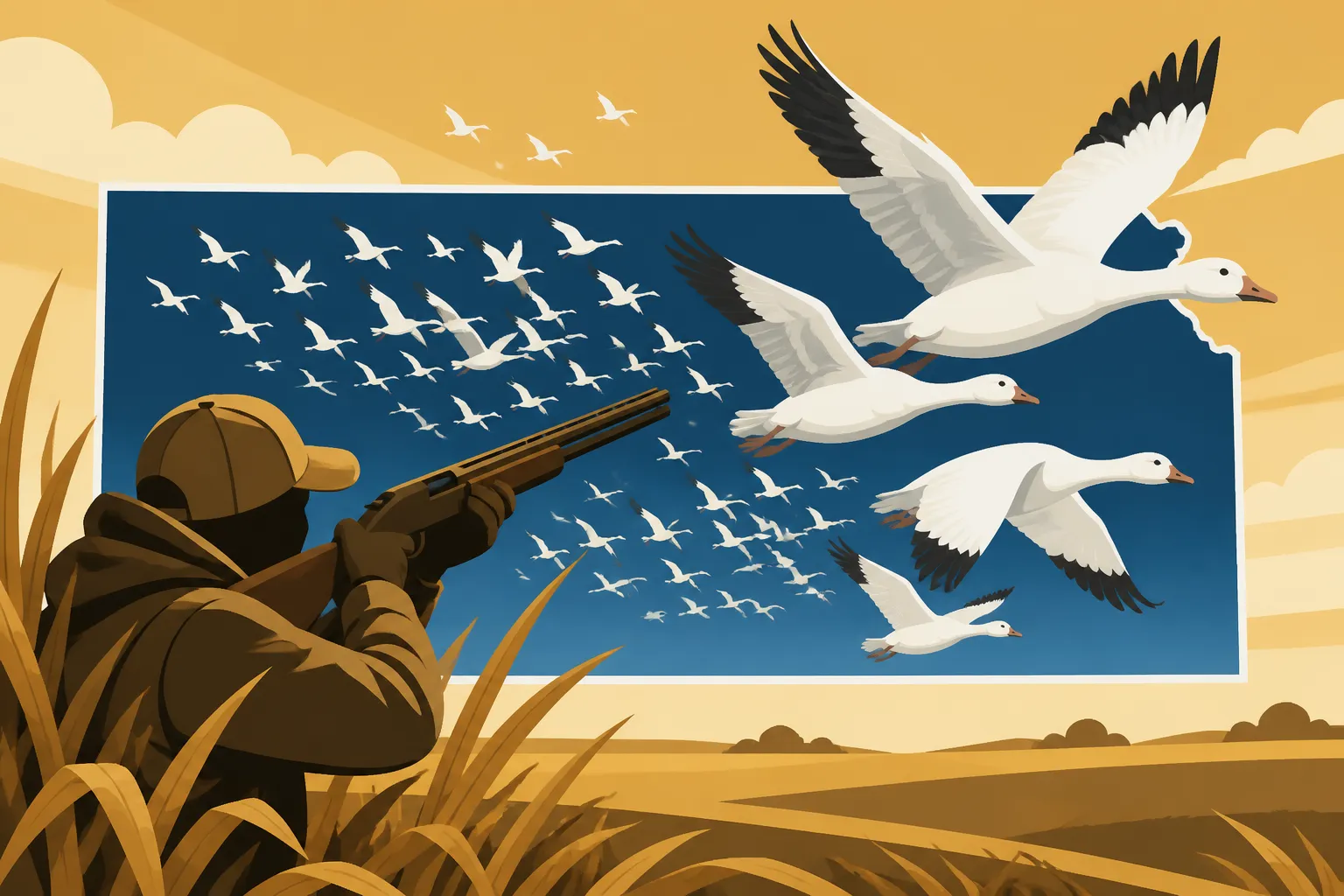
The constant ebb and flow of nature can make hunting snow geese in Kansas feel like chasing a ghost. One day, the skies are thick with them, a swirling blizzard of white and black, and the next, they've vanished, leaving you wondering if you imagined the whole spectacle. Understanding the complex dynamics that drive these massive migrations and impact their numbers in our beloved Kansas is key to putting together a successful hunt, and that's exactly what we're going to dive into today.
Understanding Kansas Snow Goose Migration Patterns
Hunting snow geese across Kansas means becoming a student of migration, and let me tell you, these birds don't exactly stick to a rigid schedule. They're driven by instincts as old as time, primarily seeking food and refuge from the bitter cold. Our central location in the flyway means we often get a front-row seat to their incredible journey, but it also means their presence can be fleeting.
The Central Flyway's Influence
Kansas isn't just a place these birds pass through; for many, it's a critical pit stop, or even a temporary winter home. We sit squarely within the Central Flyway, one of North America's four major aerial highways for migrating waterfowl. This means that a significant portion of the continent's snow goose population, originating from Arctic breeding grounds, will funnel directly over or through our state. Think of it like a massive interstate system, and Kansas is a prime rest stop with plenty of delicious diners (our crop fields!) and large, safe hotels (our reservoirs and wildlife areas). The sheer volume of birds moving along this corridor is staggering, and our position here offers incredible, albeit challenging, hunting opportunities. Their migration is a dynamic dance, influenced by everything from the initial cold fronts pushing them south from Canada to the conditions on their ultimate wintering grounds along the Gulf Coast.
These geese aren't just flying willy-nilly; they're following ancestral routes, often hugging major river systems like the Arkansas or the Missouri, or navigating between our large reservoirs. As they make their way down, or back north in the spring, Kansas offers vast expanses of agricultural fields – corn, milo, wheat stubble – that are absolutely irresistible to these hungry birds. They stop to refuel, rest, and escape intense hunting pressure further north. It’s this combination of prime geography and abundant resources that makes Kansas such a draw, but it also means hunters need to be hyper-aware of where the main congregations are and what might be moving them.
Peak Migration Periods and Timing
While snow geese can be present in Kansas for a considerable chunk of the hunting season, there are definitely peak periods when their numbers swell. Generally, we start seeing significant numbers of "light geese" (snows, blues, and Ross's geese) making their way through in late fall, often around November, pushing south as the severe cold sets in further north. This initial push can be exciting, but the truly massive numbers often arrive and stick around from late January through March during their northward spring migration. This is typically when the Light Goose Conservation Order is in effect, allowing for more liberal hunting methods to help manage their populations.
However, calling these "peak" times a fixed calendar event is a bit misleading. The exact timing can shift dramatically year to year, all thanks to the weather. An early, brutal cold snap in the Dakotas might push birds into Kansas sooner than expected. Conversely, a mild winter can mean birds linger further north, or push quickly through Kansas without a long stopover. During the spring migration, a sudden warming trend might see them blast through our state in just a few days, while persistent cold or snow cover can hold them here for weeks, waiting for conditions to improve further north. This unpredictability means constant monitoring of weather patterns and real-time migration reports from across the flyway is crucial for Kansas hunters.
Factors Influencing Snow Goose Numbers in Kansas
It’s easy to look up into a sky full of snow geese and just think, "Wow, there are a lot of birds!" But the numbers we see in Kansas are the result of a complex interplay of factors that stretch thousands of miles, from the Arctic tundra to the Gulf Coast. What happens far away definitely impacts our local experience.
Breeding Ground Success and Habitat Conditions
The health of the snow goose population, and thus the numbers we see, starts thousands of miles north on their Arctic breeding grounds. The success of their nesting season is a huge determinant. Factors like early snowmelt, favorable spring weather, and adequate food sources in the Arctic directly influence how many goslings survive to fledge and begin their migration south. A productive breeding season translates to more birds in the flyway come fall and spring. Conversely, a harsh Arctic spring with late snows or prolonged cold can severely reduce gosling survival, leading to fewer overall birds migrating.
Beyond the breeding grounds, the availability and quality of habitat along the entire Central Flyway play a role. While Kansas is usually blessed with abundant agricultural resources, regional droughts or floods in other states can alter migration patterns. If key stopover points in neighboring states are lacking water or food, birds might push harder to reach Kansas, concentrating more here. Likewise, vast amounts of crop stubble post-harvest in Kansas act like a giant buffet, enticing large flocks to linger and feed before continuing their journey. Knowing what the general outlook is for breeding success and habitat health helps set expectations for the season.
Wintering Ground Dynamics and Pressure
Just as breeding success impacts populations, what happens on the wintering grounds in states like Arkansas, Louisiana, and Texas also has a bearing on the snow geese that pass through Kansas. Conditions there, such as disease outbreaks, severe weather events, or even habitat degradation, can affect the overall health and survival of the population before they begin their northward migration. If birds face significant challenges on the wintering grounds, they might return north in poorer condition, which can affect their subsequent breeding success.
Hunting pressure across the flyway is another major factor. Snow geese are incredibly intelligent and wary birds. If they encounter heavy, consistent pressure in Missouri or Oklahoma, they might adjust their migration paths, opting for less pressured areas or flying higher and moving through certain regions quicker. This can lead to localized "hot spots" in Kansas or areas where birds seem to simply disappear overnight. Understanding this interplay means you can't just expect birds to show up in the same fields year after year; you have to adapt to their ever-changing response to pressure. GoHunt can be a useful resource for understanding general waterfowl movements and identifying areas that might be holding birds based on recent reports, helping hunters adapt.
Conservation Efforts and Population Management
Snow goose populations have been a unique conservation story over the past few decades. For a time, their numbers grew so vast that they began to severely damage their fragile Arctic breeding grounds, overgrazing vegetation and impacting other species. This led to the implementation of the Light Goose Conservation Order (LGCO), which allows for extended seasons, increased bag limits, and the use of electronic calls and unplugged shotguns during specific periods. The LGCO is a direct response to manage these incredibly numerous birds and mitigate their ecological impact.
These management efforts mean that while overall populations are still very robust, the goal is to keep them in check. The regulations you see for snow geese are designed to encourage harvest. Hunters play a direct role in this conservation strategy. It's a testament to effective wildlife management that we're talking about managing too many geese, rather than too few, which is often the case with other species. However, these efforts also mean that the overall population is under active management, and while numbers remain high, local fluctuations can still be significant due to localized hunting pressure or habitat changes.
Interpreting Snow Goose Population Data
When you're out in the blind, it often feels like you're just reacting to the birds you see. But there's a whole world of data and information out there that can help you understand the bigger picture of snow goose numbers in Kansas. It's about looking beyond your immediate field of view to grasp the broader trends.
KDWP Surveys and Flyway Reports
The Kansas Department of Wildlife and Parks (KDWP) works in conjunction with the Central Flyway Council and other state and federal agencies to monitor waterfowl populations. This primarily involves aerial surveys and ground counts conducted across the flyway. These surveys aren't perfect – it's impossible to count every single bird – but they provide invaluable estimates of overall population trends, breeding success, and wintering numbers. You won't get a daily count for your specific hunting spot, but these reports give you a macro-level understanding: Is the population trending up or down? Was the breeding season good or bad?
These official reports often come out periodically throughout the year, usually after breeding seasons and during wintering periods. They help wildlife managers set season dates and bag limits, including the parameters for the Light Goose Conservation Order. While they aren't real-time, they offer the best scientific estimates of the health and size of the snow goose population passing through our state. Hunters who follow these reports gain a deeper appreciation for the scale of the migration and the factors influencing it, allowing them to better plan their season.
Hunter Observations and Local Conditions
While official surveys paint the big picture, your boots-on-the-ground observations are gold when it comes to locating snow geese in Kansas. Every hunter knows that even if the flyway reports say there are millions of geese, if they aren't in your fields, it doesn't do you much good. Local conditions – recent rainfall creating new sheet water, a farmer cutting a new field of corn, or heavy pressure pushing birds out of a neighboring county – will dictate where the birds are right now.
Talking to local farmers, checking in with fellow hunters, and spending time scouting are essential. Websites and apps like GoHunt can provide mapping tools to help identify potential roosts and feeding areas, allowing you to narrow down your scouting efforts. They can also offer user-submitted reports or regional conditions that help you triangulate where birds might be holding. Even with the best data, snow geese are notoriously fickle. They can abandon a field that was hot yesterday for seemingly no reason, moving miles away to a newly discovered food source. Your ability to interpret what's happening on the ground, coupled with an understanding of the larger population trends, is your greatest asset.
Strategies for Hunting Kansas Snow Geese Amidst Population Flux
Hunting snow geese in Kansas requires more than just a truck full of decoys; it demands resilience, adaptability, and a keen understanding of bird behavior. Because their numbers and locations can fluctuate so wildly, successful hunters are often those who can roll with the punches.
Scouting and Adaptability
This cannot be stressed enough: scouting is paramount to hunting snow geese, especially given their ever-changing numbers and movements. Unlike deer that might stick to a timber block, snow geese are here today, gone tomorrow. You need to be driving the backroads, watching the skies, and actively looking for feeding birds. Once you locate a flock, observe their patterns: where are they coming from (their roost), and where are they going (their feeding field)? This daily reconnaissance is critical. Don't rely on last week's intel, or even yesterday's. These birds move as a massive unit, and when they decide to shift, they shift entirely.
Being adaptable in your approach is just as important. If the birds are heavily pressured and flying high, you might need to increase your decoy spread or adjust your calling. If a new crop field is cut, you might need to pack up and move entirely. The ability to switch tactics, move quickly, and embrace the grind of finding the birds is what separates successful snow goose hunters from those who just sit in an empty field. Resources like GoHunt can sometimes help you identify areas with less pressure or new habitat changes that might draw birds in.
Decoy Spreads and Calling Techniques
Snow geese are visual creatures, and when they're coming in, they're looking for a massive, comfortable-looking flock of their own kind on the ground. This means large decoy spreads are often the name of the game. We're talking hundreds, sometimes even thousands, of decoys. Windsocks, full-body decoys, and even simple white rags spread across a dark field can create the illusion of a massive feeding party. The sheer scale is meant to overwhelm their natural wariness. Proper placement, with a landing zone "hole" directly in front of your blinds, is also crucial for drawing them into shooting range.
Calling, especially during the Light Goose Conservation Order, is also a high-volume affair. Electronic calls are legal during this period and are almost a necessity to mimic the constant roar of a large snow goose flock. Learning to use these calls effectively, mixing in different vocalizations to sound like a natural, content group of feeding birds, is an art form. You want to sound inviting, not alarming. While an e-caller handles the bulk of the work, knowing how to use mouth calls to add realism or cut birds off can be the difference maker. Rattling Volume for Open Country might sound like it applies to deer, but the principle of understanding how sound carries and impacts wary game is similar here.
Understanding Pressure and Roosting Areas
Snow geese are extremely sensitive to hunting pressure. If they are shot at repeatedly in a certain area, they will quickly learn to avoid it. This is why fields that were hot one day can be completely dead the next. Pressure can cause them to fly higher, change their flight paths, or even leave an area entirely. Understanding where other hunters are set up and trying to find less pressured fields can give you a significant advantage. It's often about finding that sweet spot between a known feeding area and a lack of constant harassment.
Their daily routine revolves around roosting and feeding. They'll spend the night on large, open bodies of water – big reservoirs, playa lakes, or even flooded fields – where they feel safe from predators. At first light, they'll fly out to feed in crop fields, spending most of the day gorging themselves before returning to the roost late in the afternoon. Knowing the location of these major roosts helps you predict flight lines and set up along their travel corridors or in the most likely feeding fields. Setting up between the roost and the food source, or directly in the field they want to hit, is key. However, avoid disturbing the roost itself; that's a quick way to send the entire flock packing. For more on waterfowl hunting in specific Kansas locations, you might check out Waterfowl Hunting Kansas Reservoirs and Playas.
Here's a quick overview of how factors generally affect snow goose presence in Kansas:
| Factor | Effect on Snow Goose Numbers in Kansas (General) | Timing | Hunter Strategy Implication |
|---|---|---|---|
| Arctic Breeding Success | Higher gosling survival means more birds migrating. | Annually (determines fall/spring numbers) | Long-term outlook; check flyway forecasts. |
| Early Cold Fronts (North) | Pushes birds south into Kansas sooner. | Late Fall (Nov-Dec) | Be ready early; intense scouting. |
| Mild Winter (Kansas/South) | Birds may linger north or pass through faster. | Winter (Dec-Jan) | Focus on scouting for specific holding areas. |
| Spring Warm-up (Kansas) | Rapid northward migration; shorter stay. | Spring (Feb-Mar) | Hunt hard during peak windows; birds move quickly. |
| Agricultural Harvests | Abundant food draws and holds birds. | Post-harvest (Fall/Winter) | Target freshly cut fields; observe feeding patterns. |
| Hunting Pressure | Makes birds wary, pushes them to new areas. | Throughout hunting season | Find less pressured fields; adjust spreads/calls. |
| Large Water Bodies | Provide safe roosting areas, drawing flocks. | Throughout migration periods | Identify roosts, hunt adjacent travel/feed zones. |
Ultimately, hunting snow geese in Kansas is a marathon, not a sprint. It's about patience, observation, and being willing to adapt to whatever the weather and the birds throw at you. From understanding Duck and Goose Migration Timing to utilizing Layout Blinds in Cut Fields effectively, every piece of knowledge helps you put together a more successful hunt.
Disclaimer
This article is for general informational purposes only and does not constitute professional advice. Laws, prices and regulations vary by location and change over time. Consult a qualified professional for guidance on your specific situation.