Duck and Goose Migration Timing
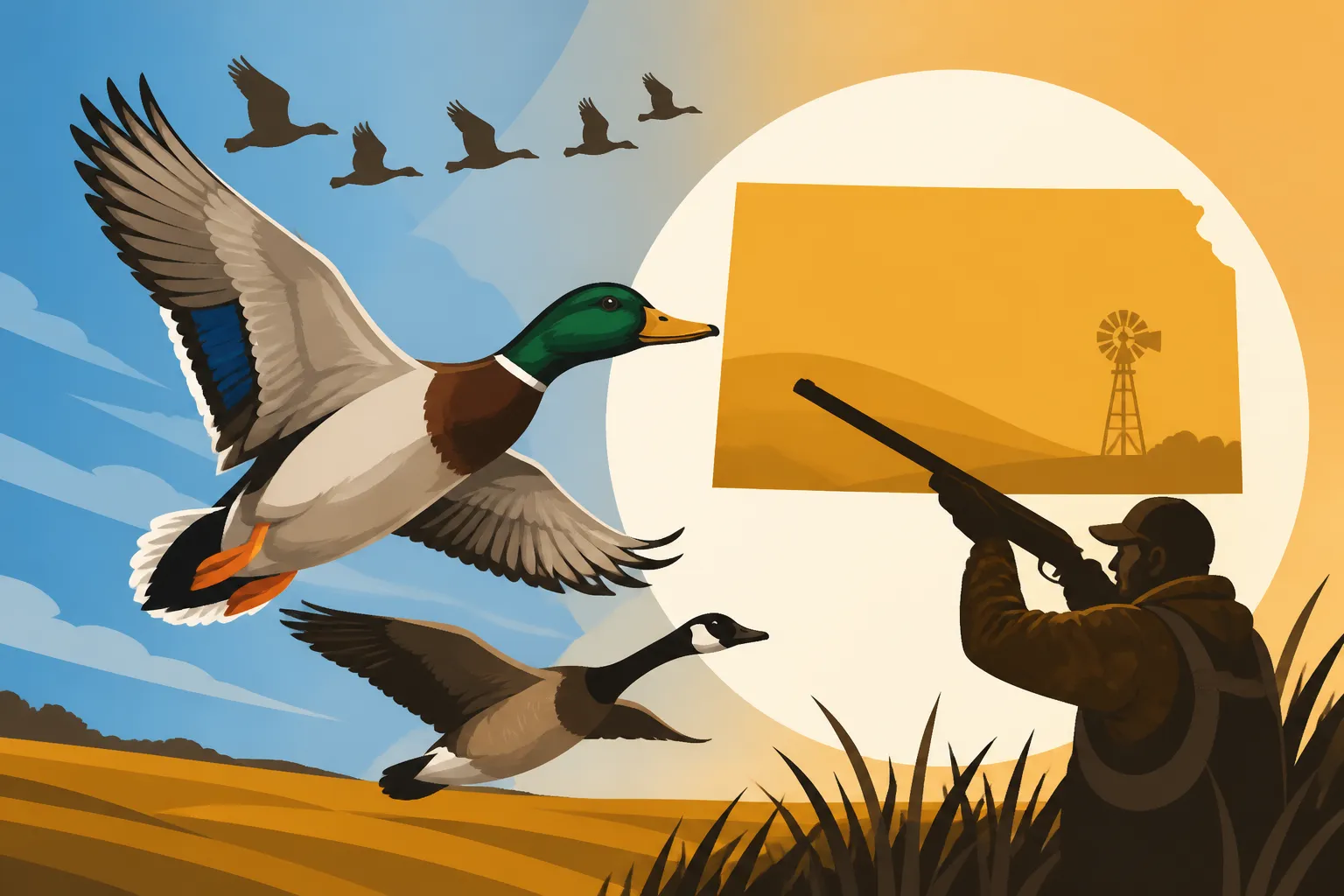
There’s nothing quite as frustrating as showing up to your favorite Kansas waterfowl spot, blind brushed in perfectly, decoys spread just right, only to be met with an empty sky. You’ve put in the work, but the birds just aren’t there. This guide is dedicated to pulling back the curtain on duck and goose migration timing in Kansas, helping you understand the subtle cues and significant pushes that bring these magnificent birds to our state throughout the season.
Understanding the Factors Driving Waterfowl Migration
Waterfowl migration isn't a simple calendar event; it's a complex dance driven by a host of environmental factors. Understanding these primary drivers can give you a significant edge in predicting when to be in the blind. It's about more than just a date on the calendar; it's about reading the landscape and the weather, much like deer hunters obsess over moon phases and cold fronts.
Weather Patterns and Their Influence
Cold fronts are the single biggest catalyst for pushing ducks and geese south. When a significant cold front sweeps down from the north, bringing with it dropping temperatures, strong winds, and sometimes snow, it acts like a giant broom, sweeping birds before it. This isn't just about a single day; sustained cold snaps in the Dakotas, Nebraska, and even Canada will send wave after wave of birds into Kansas. Pay close attention to the weather maps for states directly north of Kansas. If they're experiencing widespread freezes and heavy snow, you can bet birds are on the move towards us.
Conversely, mild weather can stall migration, sometimes for weeks. We've all experienced those unseasonably warm November or December stretches in Kansas where the ducks seem to disappear, or never show up in force. This happens because birds have no incentive to leave abundant food and open water further north. They'll linger as long as conditions allow, only pushing south when freezing temperatures force them out. This makes scouting and staying updated on long-range forecasts absolutely critical.
Food Availability and Water Conditions
Waterfowl are inherently tied to food and water. As northern wetlands freeze and agricultural fields become blanketed in snow, birds are forced to seek sustenance further south. Kansas, with its vast agricultural lands—especially corn, milo, and winter wheat—and numerous reservoirs and wetlands, becomes a vital stopover and wintering ground. The availability of waste grain in harvested fields is a huge draw for both ducks and geese. If there's plenty of easily accessible food in a given area, birds will congregate there.
Water conditions also play a huge role. Droughts can severely limit available habitat, concentrating birds on fewer, larger water bodies, or pushing them entirely out of certain regions. Conversely, wet years can create abundant sheet water and temporary wetlands, spreading birds out and making them harder to pinpoint. Knowing the current water levels on major Kansas Reservoirs and Corps of Engineers Land and the status of playa lakes in Western Kansas is just as important as knowing the weather. The right combination of food, water, and cold weather is what truly makes a Kansas waterfowl season sing.
Early Season Duck and Goose Movements in Kansas
The early season in Kansas can be a mixed bag, offering some fantastic opportunities for specific species, but it often requires a different approach than the bustling mid-winter hunts. It's not about huge numbers, but rather catching those first waves and targeting resident populations.
Teal and Early Duck Arrivals
September brings the much-anticipated teal season, a frantic, fast-paced hunt for small, agile ducks like blue-winged and green-winged teal. These birds are some of the first to migrate, often pushed by early cold fronts or simply their biological clock. They don't typically wait for hard freezes up north; even a minor temperature drop can get them moving. You'll find them concentrating on smaller, shallower water bodies – flooded timber, sloughs, and shallow edges of larger lakes. The key to early teal hunting is scouting small waters and being ready to move quickly.
Following the teal, you'll start to see other early migrants like wood ducks, gadwalls, and wigeon trickle in. These ducks often show up during the regular duck season opener, especially in areas with good timber or river systems. They're often found on smaller ponds and creeks, not yet pushed to the major reservoirs. Adapting your spreads to these species and focusing on shallower, vegetated water can be highly effective. Don't overlook these smaller waters; they can hold impressive numbers of birds before the main flights arrive.
Resident Geese and Early Snows
Kansas has a healthy population of resident Canada geese, and these birds provide early season opportunities before the massive northern flights arrive. These local birds often follow predictable patterns, feeding in nearby agricultural fields and loafing on specific water bodies. Early season goose hunting often revolves around field hunting for these resident populations. Look for harvested wheat or silage fields close to larger bodies of water where they roost.
While major snow goose migrations typically occur much later, sometimes early pushes of small Canada geese or even some specklebellies can come through in late October or early November, especially if an aggressive cold front hits the prairie provinces of Canada. These early birds can be a bonus, but don't count on them for consistent action until later in the season. Your primary focus for early geese should be those fat, local Canadas that have been calling Kansas home all summer.
Adapting to Warm Weather and Local Conditions
Early season Kansas hunting often means dealing with warm temperatures, which can affect everything from bird behavior to how long you can leave harvested birds out. Ducks might be more nocturnal in their feeding, moving to fields under the cover of darkness and loafing on open water during the day. This is when knowing how to properly set up a Decoying Ducks on a Kansas Reservoir can be crucial, as birds might be wary of small spreads on still, clear mornings.
Furthermore, warm weather means less ice, giving birds more options for roosting and feeding. They'll be more spread out, making it vital to scout constantly and use resources like the Kansas Hunting Atlas Online or mapping apps to identify newly flooded areas or overlooked ponds. Don't be afraid to try jump-shooting tactics on smaller, out-of-the-way farm ponds if the bigger water isn't producing. Remember, the birds are still driven by basic needs, and finding those reliable food and water sources, even in mild conditions, is paramount.
Peak Migration Periods: When Kansas Truly Shines
This is the sweet spot for waterfowl hunters in Kansas – the time when the skies are filled with migrating birds, and the opportunities for incredible hunts are at their peak. It typically aligns with the colder months, driven by severe weather to our north.
Main Duck Flights and Mallard Mania
The heart of duck season in Kansas usually kicks into high gear from mid-November through early to mid-December. This is when the mallards, pintails, and wigeon descend in droves, escaping the frozen landscapes of the Dakotas and points further north. Look for sustained cold fronts to hit states like North Dakota, South Dakota, and Nebraska; when those large bodies of water begin to freeze over, the "greenheads" will be on their way to Kansas. Large reservoirs like Cheney, Milford, and Wilson Lake become bustling hubs of activity.
During this period, mallards will often switch from strictly marsh feeding to heavily utilizing agricultural fields. Milo and Corn Stubble Deer Patterns aren't just for deer; ducks will pile into these fields to feed on waste grain. Field hunting for ducks becomes a viable, and often highly productive, option. Setting up large spreads, often with spinning wing decoys, in harvested corn or milo fields can lead to some unforgettable hunts. The sheer volume of birds in the state at this time can be astounding, making it a truly magical period for Kansas waterfowl enthusiasts.
Major Goose Pushes
While some Canada geese arrive earlier, the major pushes of both Canada geese and snow geese typically coincide with the peak duck migration, often extending further into January. Large Canada geese, including Giant Canadas, migrate down the Central Flyway, often in impressive V-formations. These birds will target large bodies of water for roosting and feed heavily in surrounding agricultural fields. Monitoring their flight lines from roost to feed is a crucial aspect of successful goose hunting.
Snow geese, on the other hand, often move in massive, chaotic "blizzards" of white. Their migration is heavily tied to deep freezes and snow cover further north. When conditions become unbearable in Nebraska and points north, immense flocks will descend upon Kansas, sometimes in numbers that seem to stretch for miles across the sky. While hunting these birds can be incredibly challenging, the reward of a huge flock working your Field Hunting Geese in Stubble spread is unparalleled. Keep an eye on the snow line; as it pushes south, so too will the snow geese.
The Role of Cold Fronts in Peak Migration
During peak migration, successive cold fronts are gold for Kansas hunters. It's not just one big push; it's a series of pulses. A powerful Arctic blast can bring a massive influx of new birds, replacing those that might have moved further south or become "educated" to local hunting pressure. These fronts often bring blustery winds and plunging temperatures, which can make for uncomfortable hunting but dramatically improve the chances of success.
The aftermath of a major cold front, especially on the first sunny, calmer day, can be phenomenal. Birds that were hunkered down during the storm will be hungry and looking to feed aggressively. This is when you want to be in your blind, ready for fast-paced action. Pay attention to how the Reading a Kansas Wind for Waterfowl affects bird approach and decoy spread effectiveness, as these strong winds can make or break your hunt. Using tools like GoHunt’s mapping features to quickly identify new sheet water or feeding patterns can be a huge advantage when the weather changes rapidly.
Late Season Strategies and Lingering Birds
Just because the major pushes have come and gone doesn't mean the Kansas waterfowl season is over. The late season, particularly December and January, offers unique challenges and incredible opportunities for dedicated hunters, often targeting birds that have settled in for the winter.
Freezing Temperatures and New Arrivals
As winter truly sets in and widespread freezing temperatures become the norm across Kansas, open water becomes a premium. This concentrates ducks and geese on major rivers that resist freezing, or on the few remaining open-water pockets on large reservoirs, often maintained by geothermal activity or constant flow. While many birds have moved further south to Oklahoma or Texas, significant numbers of mallards, Canada geese, and even some hardy pintails and divers will choose to winter in Kansas if conditions allow.
These colder temperatures can also trigger new waves of "hard-weather" ducks, like goldeneyes and buffleheads, which are extremely tolerant of cold. They’ll often be found on the deeper, open sections of reservoirs and rivers. Hunting these birds requires durable gear, careful scouting for ice-free areas, and sometimes a willingness to break ice to get your decoys out. The rewards, however, can be substantial, as these late-season birds are often less pressured and more desperate for food.
Wintering Waterfowl Habits and Food Sources
Late-season waterfowl that choose to winter in Kansas establish predictable patterns. They'll often feed aggressively in agricultural fields, sometimes making long flights from their roosting areas. Identifying these preferred feeding fields—often standing corn left unharvested, bean stubble, or winter wheat—is critical. Scouting efforts in the late season become even more focused, as birds are less inclined to deviate from established routines.
Geese, especially, become very patternable. They'll usually roost on large, safe bodies of water and fly to specific feeding fields at predictable times. Field hunting, utilizing Layout Blinds in Cut Fields and large decoy spreads, becomes a highly effective tactic. For ducks, focusing on the last open water near known food sources, especially during a short warm-up, can pay dividends. The key is finding where the birds are consistently going and then being there before them.
Extended Season Opportunities
Kansas offers extended antlerless deer seasons and late-season firearm opportunities that coincide with some of the best waterfowl hunting. This is also when some of the most challenging, but rewarding, waterfowl hunting can occur. Make sure you understand all the specifics of the Kansas Waterfowl Season Zones you're hunting in, as season dates and bag limits can vary.
Often, the final few weeks of the season see less hunter pressure, especially during weekdays, which can make birds a bit more relaxed. This is a great time to experiment with new decoy setups, different calling sequences, or to hunt smaller, overlooked areas. Persistence pays off in the late season; the birds that are still around are tough, but they're also hungry and susceptible to a well-executed hunt.
Regional Differences in Kansas Flyways
Kansas is a large state with diverse landscapes, and these differences significantly impact how waterfowl utilize different regions. Understanding these distinctions is key to maximizing your success, whether you're chasing ducks in the east or geese in the west.
Eastern Kansas Timber and River Systems
Eastern Kansas, with its more abundant timber, rolling hills, and numerous river systems like the Marais des Cygnes and the Kansas River, offers a different waterfowl experience. Here, you'll find more wood ducks, mallards, and often Canada geese concentrated along timbered creek bottoms and river oxbows. These areas provide excellent cover and natural food sources. The smaller scale of these hunting environments often means smaller, more intimate hunts.
Hunting in eastern Kansas often involves setting up in flooded timber, along river bends, or over smaller ponds. Camouflage and stealth are paramount here, as birds can come in low and fast through the trees. While major reservoirs exist, many hunters focus on the vast network of smaller waters and river stretches that offer unique opportunities. Don't forget that Kansas Deer Units 1 Through 19 also dictate some hunting regulations, so be sure to check those specific rules.
Central Kansas Reservoirs and Wetlands
The central part of Kansas is characterized by its large federal reservoirs, such as Cheyenne Bottoms, Quivira National Wildlife Refuge, and a host of other state wildlife areas like McPherson Wetlands. These areas are magnets for waterfowl, particularly during peak migration, attracting massive numbers of ducks and geese. Mallards, pintails, wigeon, and diverse diver species like bluebills and canvasbacks often congregate here.
Hunting on these larger bodies of water often requires larger decoy spreads, robust boats, and specialized blinds. Competition can be high, but so is the potential reward. These regions are critical stopover points on the Kansas Waterfowl on the Central Flyway, and offer some of the most consistent hunting in the state, year after year. Hunters often utilize the services of the Kansas Department of Wildlife, Parks and Tourism (KDWP) through their various managed units.
Western Kansas Playa Lakes and Dryland Fields
Western Kansas presents yet another distinct waterfowl landscape. This flatter, more arid region relies heavily on playa lakes – ephemeral wetlands that fill with rainfall – and vast agricultural fields. When playas fill with water, they become incredibly attractive to ducks and geese, particularly pintails, wigeon, and large numbers of snow geese. The challenge is that these playas can be feast or famine, depending on rainfall.
Hunting in western Kansas often involves targeting these playas when wet or field hunting over large expanses of cut grain. For ducks, Playa Lake Hunting After Rain can be phenomenal, but you have to be ready to move quickly when conditions are right. For geese, it's often about finding the right dryland feed and setting up huge spreads. While it might seem less conventional, the western region can offer some truly world-class waterfowl hunting, especially for snow geese during their spring return migration.
Tools for Tracking Waterfowl Migration
In today's interconnected world, hunters have an incredible array of tools at their disposal to stay on top of migration. Gone are the days of just relying on local whispers or guesswork. Leveraging technology and community insights can significantly enhance your chances of being in the right place at the right time.
Weather Apps and Long-Range Forecasts
Reliable weather forecasting is your first and most important migration tracking tool. Forget just checking the forecast for Kansas; you need to be looking at the weather trends in the Dakotas, Nebraska, and even Saskatchewan and Manitoba. Apps like AccuWeather, The Weather Channel, or even specialized hunting weather apps can provide critical insights into cold fronts, snow accumulation, and sustained freezing temperatures that will eventually push birds south.
Pay particular attention to temperature drops, wind direction (north winds are often migration drivers), and snow accumulation across the northern plains. A widespread freeze covering large bodies of water up north is your cue that a major push is imminent. Don't just look one day out; try to get a sense of the next 7-10 days to anticipate movements and plan your hunting days accordingly.
Online Migration Trackers and Reports
Many organizations and dedicated hunting platforms offer online migration trackers and daily reports. These resources often aggregate hunter observations, radar data, and professional surveys to give you a real-time snapshot of bird movements. Websites like Ducks Unlimited, Delta Waterfowl, and even local KDWP pages often provide valuable updates.
Platforms like GoHunt, while primarily known for big game, also offer excellent mapping tools that can be used for e-scouting waterfowl habitats, checking current water levels, and identifying potential food sources. Combining their robust mapping layers with real-time migration reports can give you an incredible advantage, allowing you to quickly pinpoint where birds might be concentrating based on current conditions. These tools are invaluable for making informed decisions before you ever step foot in the field.
Scouting and Local Reports
Despite all the technology, nothing beats boots-on-the-ground scouting and reliable local reports. Driving around your hunting areas, observing bird activity, and talking to local farmers or other hunters can provide invaluable, hyper-local information that no app can replicate. Waterfowl behavior can be incredibly specific to a particular field, pond, or river bend.
If you have a trusted network of hunting buddies, share information. What are they seeing? Are ducks piling into a certain standing corn field? Are geese consistently leaving a specific reservoir at dawn? This kind of intelligence is gold. Remember, even with the best migration forecasts, local conditions—a newly flooded field, an unharvested crop, or a small, overlooked water source—can hold incredible numbers of birds. Always supplement your digital tracking with real-world observations to stay ahead of the game.
Expected Waterfowl Migration Timings in Kansas
The following table provides a general overview of when different waterfowl species typically arrive and are most abundant in Kansas. Remember, these are averages and actual timings are heavily influenced by annual weather patterns.
| Species | Early Season (Sept-Oct) | Peak Season (Nov-Mid Dec) | Late Season (Mid Dec-Jan) |
|---|---|---|---|
| Blue-Winged Teal | Strong arrival, peak numbers | Declining, most have moved south | Very few |
| Green-Winged Teal | Good numbers, building | Peak numbers, strong presence | Good numbers, some wintering if water open |
| Wood Duck | Good numbers, often resident | Declining, some migrating south | Few, mostly resident in timbered areas |
| Gadwall | Building numbers | Strong presence, peak numbers | Good numbers, common wintering duck |
| Wigeon | Building numbers | Strong presence, peak numbers | Good numbers, common wintering duck |
| Pintail | Building numbers | Strong presence, peak numbers | Good numbers, some wintering |
| Mallard | Trickle in | Major pushes, peak numbers, main flight | Strong numbers, common wintering duck |
| Diver Ducks | Sporadic (Ring-neck, Scaup) | Increasing (Canvasback, Redhead, Goldeneye) | Good numbers, especially Goldeneye |
| Canada Goose | Resident birds, early migrants | Major pushes, strong presence | Peak numbers, common wintering goose |
| White-Fronted Goose (Specklebelly) | Early pushes, often brief | Strong presence, reliable pushes | Declining, most moved south |
| Snow Goose | Very few early migrants | Building numbers | Major pushes, peak numbers for wintering |
This table is a guideline, and hunters should always check specific KDWP regulations for exact Kansas Upland Bird and Waterfowl Seasons dates and bag limits, which can change annually. Getting your Kansas Duck Stamp Requirements and Kansas HIP Registration in order early is always a smart move.
Disclaimer
The information provided in this article is for general guidance and informational purposes only. Hunting regulations, season dates, and waterfowl migration patterns are subject to change by the Kansas Department of Wildlife, Parks and Tourism (KDWP) and can vary based on annual conditions. Always consult the most current official KDWP regulations before planning any hunting trip. Successful hunting requires adherence to all laws, ethical practices, and personal safety measures.