Bobcats and Furbearers in Kansas
For many Kansas hunters and trappers, the pursuit of furbearers is a year-round endeavor, offering unique challenges and rewards that differ vastly from big game seasons. However, these elusive creatures are often misunderstood, their populations sometimes unappreciated, and the complexities of their management and pursuit can feel daunting to newcomers or those only familiar with deer and turkey. This comprehensive guide aims to peel back the layers on Kansas's diverse furbearer species, from the stealthy bobcat to the ever-present coyote, detailing their habits, habitats, and the best approaches to responsibly manage or pursue them.
Understanding Kansas Bobcats: Elusive Predators of the Plains
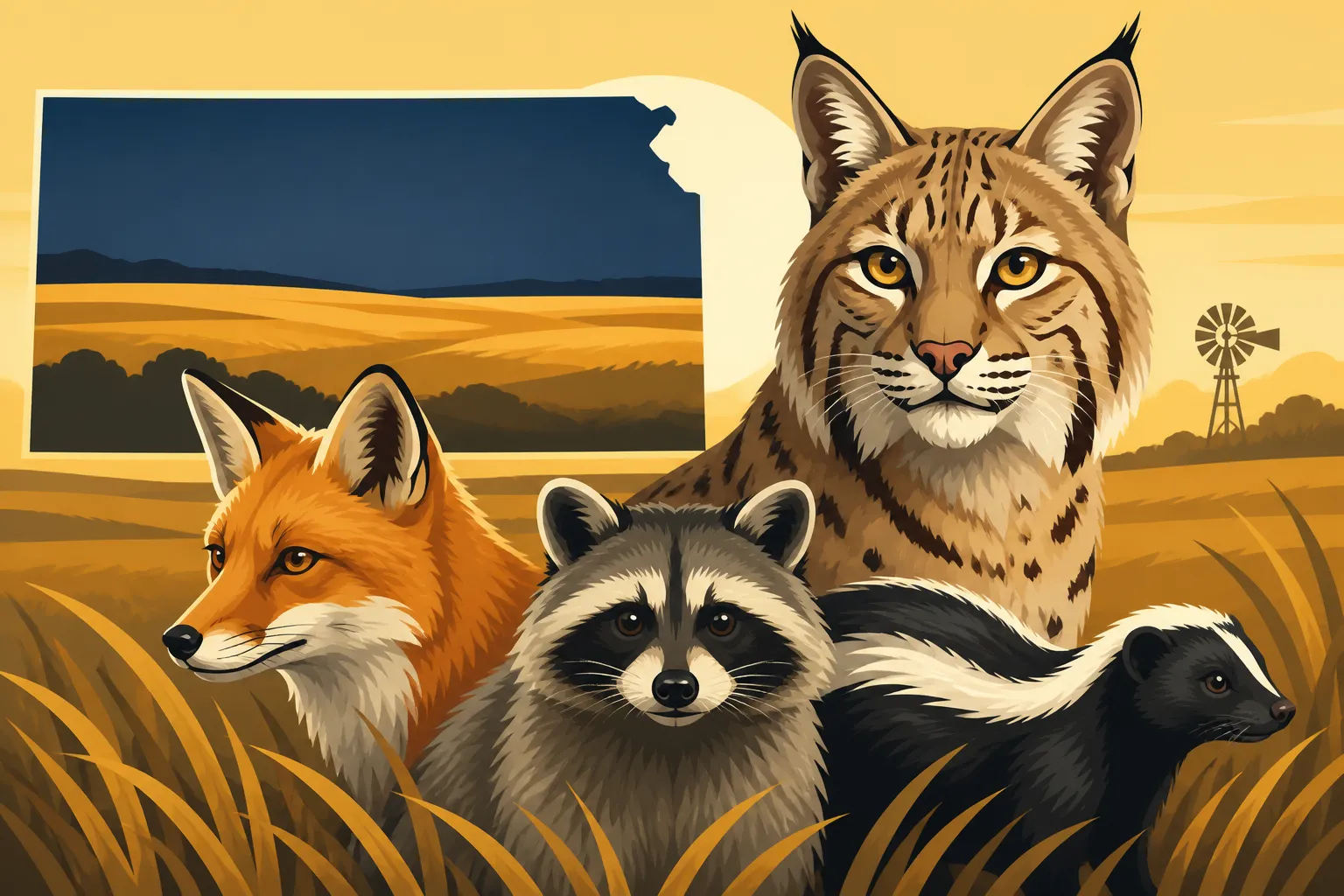
The bobcat is arguably one of Kansas's most beautiful and enigmatic furbearers. Seeing one in the wild is a special experience, often a fleeting glimpse of tawny fur and piercing eyes before it vanishes into the cover. These compact, agile predators play a vital role in keeping rodent and rabbit populations in check, and their cunning nature makes them a true trophy for trappers and callers alike.
Bobcat Population and Distribution Across Kansas
While bobcats might seem rare, their populations are actually quite healthy and widespread across Kansas, though their secretive nature often means they go unnoticed. You'll find them in almost every county, but their density tends to be higher where suitable habitat is abundant. They thrive in areas with a mix of dense cover, such as wooded river bottoms, rocky bluffs, and thickets of plum or cedar, interspersed with open country for hunting. The eastern half of the state, with its more fragmented timber and deeper creek draws, provides excellent cover, but robust populations also exist in the western counties where extensive CRP grass and limited riparian corridors offer crucial concealment.
Historically, bobcats faced pressure, but sound management practices by the Kansas Department of Wildlife and Parks (KDWP) have ensured a stable to increasing population. They are incredibly adaptable, capable of surviving near human development if sufficient cover and prey are available. Understanding their preferred habitats is key, and tools like a GoHunt membership can be invaluable for e-scouting potential hunting grounds, identifying those crucial timber blocks and creek systems where a bobcat might roam. For more detailed information, exploring their specific territories is crucial, and our article on Bobcat Range Across Kansas delves deeper into where you can expect to find these fascinating felines.
Identifying Bobcat Sign and Behavior
Bobcats are masters of stealth, making direct observation challenging. Therefore, learning to read their sign is paramount. Their tracks are distinct: typically round, about 2 inches long, with four toes and no claw marks (their claws are retractable, much like a domestic cat). They often walk in a straight line, placing their hind paw in the print of their front paw. Scat is usually segmented, dark, and often contains hair and bone fragments from their prey. Look for it on prominent rocks, logs, or trail intersections.
Preferred den sites are often in rocky crevices, hollow logs, dense brush piles, or abandoned badger holes. While primarily nocturnal, especially when actively hunting, bobcats can be active during twilight hours or even midday in secluded areas. Their diet consists mainly of rabbits, rodents, and birds, but they are opportunistic and won't pass up a deer fawn or turkey poult if the opportunity arises. During the breeding season in late winter and early spring, their vocalizations can be eerie, ranging from growls and hisses to a distinctive, almost mournful scream. Understanding these subtle cues helps paint a picture of their presence even when they remain unseen.
Hunting and Trapping Regulations for Bobcats
Pursuing bobcats in Kansas requires adherence to specific regulations designed to maintain healthy populations. The season typically opens in late fall and extends into early spring, offering ample opportunity for hunters and trappers. Before heading out, you'll need a valid Kansas hunting license and a furharvester license. This additional license is crucial for anyone looking to harvest furbearers, whether through hunting or trapping. We cover the specifics in our guide to the Kansas Furharvester Licence.
Legal methods for hunting bobcats primarily involve calling, often mimicking rabbit distress calls to lure them in. Setting up strategically with good wind direction and cover is essential due to their keen senses. Trapping, however, accounts for a significant portion of the annual bobcat harvest. Foothold traps, snare traps, and cage traps are common, with specific regulations governing their use, trap size, and setback distances from public areas. Baiting can be effective, using natural scents or actual carcasses, but always check the most current KDWP regulations for any changes or specific restrictions. Proper fur handling after a successful harvest is also critical to maximize the value of the pelt, a topic expanded upon in our article on Bobcat Season and Fur Handling.
The Opportunistic Coyote: Kansas's Most Widespread Furbearer
Love them or hate them, coyotes are an integral part of the Kansas landscape. Their haunting calls echoing across the plains are a quintessential sound of the wild, and their adaptability to almost any environment, from dense timber to wide-open agricultural fields, is truly remarkable. While they can certainly pose challenges to livestock producers and game populations, their role as opportunistic predators also contributes to ecosystem balance.
Coyote Population Dynamics and Range in Kansas
Coyotes are perhaps the most common and widespread furbearer in Kansas, found in every corner of the state, from the urban fringes of Kansas City and Wichita to the remote pastures of the Flint Hills and the wheat fields of western Kansas. Their ability to thrive alongside human development is unparalleled. They readily exploit available food sources, whether it's rodents, rabbits, deer fawns, turkey poults, or even discarded human food. This adaptability contributes to their robust and often high population densities.
While exact numbers fluctuate, KDWP consistently reports a strong and healthy coyote population across the state. This widespread presence means that virtually any hunter or trapper in Kansas has access to coyote opportunities. Understanding their habits is crucial, and you can get a more in-depth look at their numbers and impact in our Kansas Coyote Population article. Their ubiquitous nature means they are often the first furbearer many hunters encounter, and their keen senses and intelligence make them a worthy adversary.
Effective Coyote Hunting and Trapping Strategies
Coyotes are intelligent and wary animals, making them a thrilling challenge for hunters. Calling is by far the most popular and effective hunting method. Electronic callers or mouth calls mimicking distress sounds (rabbit, fawn) or territorial howls can draw them in from surprising distances. Successful calling involves a strategic setup: pick a spot with good visibility downwind, where you can see coyotes approaching from a distance. The wind is your biggest enemy, so always try to have it in your favor. Calling sequences often start soft, escalating in volume and intensity. Decoys, like a simple feather spinner or an electronic motion decoy, can also distract a coyote's attention from the hunter.
Night hunting for coyotes is also popular in Kansas, though specific regulations apply. You'll need to check the KDWP rules regarding lights and firearm restrictions. Our guide on Night Hunting Rules for Coyotes in Kansas offers a comprehensive breakdown of what's allowed. Trapping, using foothold traps or snares, is another highly effective method. Dirt hole sets, flat sets, and post sets are common, utilizing scent and visual attractants to draw coyotes to the trap. Regardless of the method, precision, patience, and a deep understanding of coyote behavior are key. For detailed tactics, especially in open areas, you'll want to read up on Coyote Calling in Open Kansas Country.
Managing Coyote Numbers and Their Ecological Role
The role of coyotes in the ecosystem is a complex and often debated topic. While they are sometimes viewed solely as pests due to their predation on livestock and game animals, they also play a crucial role in controlling populations of rodents, rabbits, and other small prey. Their impact on deer and turkey populations, particularly fawns and poults, is well-documented, especially in areas with high coyote densities.
Many hunters and landowners engage in coyote control efforts to reduce pressure on deer, turkey, or even pheasant populations. However, studies show that complete eradication is often impossible and that localized removal may only temporarily reduce numbers, with new coyotes quickly moving into vacated territories. Effective management often involves a sustained effort over time and a combination of hunting and trapping. Understanding that coyotes are an entrenched part of the Kansas ecosystem, and learning to manage their presence rather than eliminate it entirely, is a more realistic and sustainable approach.
Raccoons and Opossums: Common Nighttime Foragers
Raccoons and opossums are staples of the Kansas furbearer scene, perhaps the most recognizable to even non-hunters. These adaptable, mostly nocturnal creatures are often found rooting through trash cans in suburban neighborhoods or foraging along creek banks in rural settings. While not always at the top of a furbearer hunter's list, they offer accessible hunting and trapping opportunities and contribute significantly to the overall furbearer harvest.
Raccoon Abundance and Habitat in Kansas
Raccoons are incredibly abundant throughout Kansas. Their masked faces are a common sight, even if only fleetingly in the headlights of a car. They are highly adaptable, thriving in virtually any habitat that offers water, food, and denning sites. This includes agricultural areas with corn and milo fields, dense timbered river bottoms, suburban parks, and even urban environments. Their opportunistic diet, which includes everything from insects and crayfish to corn, berries, and carrion, allows them to exploit a wide range of food sources.
River systems and creek draws with mature timber, especially those with plenty of hollow trees or old barn structures for denning, are prime raccoon habitat. Their populations have generally been stable or increasing, largely due to their adaptability and high reproductive rates. For a deeper dive into their numbers and how they impact local ecosystems, check out our piece on Raccoon Numbers and Hunting.
Trapping and Hunting Methods for Raccoons and Opossums
Raccoons and opossums are often targeted together due to their overlapping habitats and similar appeal to trappers. Dog hunting for raccoons, often called "coon hunting," is a strong tradition in Kansas. Hunters follow their hounds at night, listening for the distinctive baying that signals a raccoon has been treed. This is a social and exciting way to pursue them, often involving specialized breeds of dogs like Bluetick, Redbone, or Black and Tan Coonhounds.
For trappers, cage traps, foothold traps (especially smaller sizes like 1.5 or 2), and "dog-proof" traps are highly effective. Dog-proof traps are specifically designed to be raccoon-resistant, reducing the chance of catching non-target animals. Baits like sweet corn, fish, fruit, or commercial pastes work well. Sets are often placed along trails, near water sources, or at the base of den trees. Opossums are almost always caught incidentally while trapping for raccoons or other furbearers, as they share similar habits and are attracted to many of the same baits. The season for raccoons and opossums typically mirrors that of other furbearers, running from late fall through early spring.
Health Concerns and Nuisance Control
While common, raccoons and opossums can carry diseases, making safe handling crucial. Rabies is a significant concern with raccoons, and distemper can also affect their populations. Always wear gloves when handling any furbearer, and if you encounter an animal exhibiting unusual behavior (stumbling, aggressiveness, lack of fear), avoid direct contact and report it to local wildlife authorities.
These animals can also become nuisance creatures, raiding trash cans, damaging gardens, or even denning in attics and outbuildings. Nuisance control often involves exclusion (securing trash cans, blocking entry points to structures) and sometimes trapping and removal (where legal and appropriate). It’s always best to consult KDWP or a licensed pest control professional for advice on managing nuisance wildlife to ensure humane and legal practices.
Beavers and Otters: Aquatic Architects of Kansas Waterways
Kansas's waterways, from major rivers to small creeks, are home to fascinating furbearers who spend most of their lives in or near water. Beavers and river otters are two such species, each with unique behaviors and ecological impacts. Beavers, with their dam-building prowess, are true ecosystem engineers, while the playful river otter represents a fantastic conservation success story in the state.
Beaver Distribution and Impact on Ecosystems
Beavers are the largest rodents in North America and are present throughout Kansas wherever there is permanent water. You'll find their distinctive lodges and dams on rivers, creeks, and even larger ponds and lakes. Their populations have rebounded significantly from historical lows and are now robust across the state. They are most concentrated in areas with timbered waterways, where they can readily access building materials and food sources like bark, twigs, and aquatic plants.
The impact of beavers on ecosystems is profound. Their dams create new wetlands, slow water flow, improve water quality, and provide habitat for a myriad of other species, including fish, amphibians, waterfowl, and insects. However, their dam-building activities can also lead to agricultural damage, flooding of fields, timber destruction, and blockages of culverts and drains. Therefore, managing beaver populations is an ongoing balance between appreciating their ecological benefits and addressing potential conflicts with human interests. You can learn more about their presence and impact in our Beaver and Otter in Kansas article.
Trapping Techniques and Management for Beavers
Due to their impact on waterways and landowners, beavers are often targeted by trappers. Their large size and aquatic nature require specialized trapping techniques. Conibear traps (body-gripping traps) set in runways, dive trails, or near dam breaches are highly effective, as are large foothold traps set in drowning sets. Baits like castor mound secretions (from other beavers) or oil-based essences can be used to attract them to specific locations. Successful beaver trapping often involves a keen understanding of water flow, beaver travel routes, and an ability to make subtle, well-camouflaged sets.
Management of beavers often revolves around mitigating their negative impacts. Trapping is the primary tool for reducing local populations in areas where damage is occurring. In some cases, flow devices (pond levelers) can be installed to manage water levels without completely removing the beavers, allowing their ecological benefits to persist while preventing flooding.
River Otters: Conservation and Regulation
The return of the river otter to Kansas is a testament to successful conservation efforts. Once extirpated from the state due to habitat loss and unregulated trapping, otters have made a remarkable comeback, primarily through reintroduction programs and natural expansion from neighboring states. Today, healthy otter populations are found in many of Kansas's major river systems, particularly in the eastern and central parts of the state.
Otters are highly aquatic and feed primarily on fish, crayfish, and other aquatic invertebrates. Their playful behavior, often seen sliding on mud or snow banks, makes them a joy to observe. Due to their protected status during their recovery, strict regulations are in place for otter harvest. Trapping seasons are typically very short and geographically limited, with low bag limits, and often require a special permit or specific reporting. Incidental catches must also be handled according to KDWP guidelines. This careful management ensures their continued prosperity in Kansas waters, representing a true success in furbearer conservation.
Other Notable Kansas Furbearers and Their Status
While bobcats, coyotes, raccoons, opossums, beavers, and otters are the most commonly discussed furbearers, Kansas is home to a host of other fascinating species that contribute to the state's natural heritage and offer unique opportunities for trappers.
Weasels, Mink, and Skunks: Small but Significant
These smaller furbearers, though often overlooked, play important ecological roles and offer unique trapping challenges.
- Weasels: Kansas has long-tailed and short-tailed weasels (ermine). They are fierce, slender predators of rodents and small birds, found in a variety of habitats, often near brushy cover or rock piles. Their pelts, especially the ermine's white winter coat, have historically been prized. Trapping typically involves small foothold or body-gripping traps set near den entrances or along travel routes.
- Mink: These semi-aquatic furbearers are often found along streambanks, marshes, and ponds, preying on muskrats, fish, frogs, and birds. Their sleek, dark fur has traditionally held high value. Trapping methods often involve small foothold or Conibear traps placed in cubbies or runways near water, baited with fish or muskrat meat.
- Skunks: Both striped and spotted skunks are common in Kansas. While not typically targeted for their fur, they are furbearers and often caught incidentally by trappers. They are opportunistic omnivores, known for their powerful defensive spray. They are important for insect control but can also be nuisance animals around homes.
Red and Gray Fox: Woodland and Prairie Hunters
Both red and gray foxes contribute to the Kansas furbearer population, each with distinct habitat preferences.
- Red Fox: More often found in open country, agricultural lands, and prairie edges, the red fox is known for its cunning and beautiful reddish-orange fur. They primarily hunt rodents, rabbits, and birds. They can be called in by mimicking distress calls, similar to coyotes, or trapped using dirt hole or flat sets with appropriate baits and lures.
- Gray Fox: Preferring more timbered and brushy habitats, especially areas with rocky outcrops or dense thickets, the gray fox is unique among canids for its ability to climb trees. Their fur is less valuable than the red fox's, but they offer a good challenge for trappers and hunters who venture into denser cover. Trapping methods are similar to red foxes but focus on more wooded settings.
Badger and Muskrat: Earthmovers and Wetland Dwellers
These two species represent very different ecological niches within the Kansas furbearer landscape.
- Badger: Primarily found in the western two-thirds of Kansas, badgers are powerful diggers with broad, flat bodies and long claws. They prey extensively on prairie dogs, ground squirrels, and other burrowing rodents. While not typically targeted, they are sometimes caught incidentally by trappers setting for coyotes or bobcats in open country. Their pelts have some value, but their primary importance is their ecological role in rodent control.
- Muskrat: Abundant in marshes, wetlands, ponds, and slow-moving streams across the state, muskrats are small, semi-aquatic rodents related to voles. They build lodges of vegetation or burrow into banks. They are vegetarian, feeding on aquatic plants. Muskrats are a popular species for beginner trappers due to their predictable habits and relatively easy catchability. Small Conibear or foothold traps set at feed beds, runs, or den entrances are effective.
The diverse array of furbearers in Kansas offers continuous opportunities and challenges for those interested in their pursuit. Understanding the nuances of each species—their habits, preferred habitats, and the specific regulations governing their harvest—is key to successful and ethical engagement. The KDWP annually tracks the harvest of these animals, providing insights into their populations and the activity of hunters and trappers across the state. You can often find this valuable data in the Kansas Furbearer Harvest Numbers reports, which can help inform your hunting and trapping plans. Don't forget to regularly check the KDWP website or use a resource like the GoHunt app for the latest Kansas Trapping Season Dates to ensure you're always in compliance.
Comprehensive Furbearer Season Overview
Understanding the broad strokes of furbearer seasons, methods, and general economic value (which can fluctuate widely year to year) is crucial for anyone engaging with these species in Kansas. Here’s a summary of key furbearers:
| Furbearer Species | Typical Season Dates (Check KDWP Annually) | Common Hunting Methods | Common Trapping Methods | General Fur Value (Historical Context) |
|---|---|---|---|---|
| Bobcat | Early Dec – Late Feb | Calling (distress, prey) | Foothold, Snare, Cage | High |
| Coyote | Year-round (Hunting); Early Nov – Mid-Mar (Trapping) | Calling (distress, howls), Spot & Stalk, Night Hunting | Foothold, Snare | Moderate |
| Raccoon | Early Nov – Mid-Mar | Dog Hunting, Calling | Dog-Proof, Cage, Foothold, Body-Gripping | Low to Moderate |
| Opossum | Early Nov – Mid-Mar | Incidental, Dog Hunting | Cage, Foothold, Body-Gripping | Low |
| Beaver | Early Nov – Mid-Mar | Spot & Stalk | Conibear, Foothold (drowning sets), Snare | Moderate |
| River Otter | Short, Restricted Season (Check Annually) | Highly Restricted/Incidental | Conibear, Foothold (drowning sets) | High |
| Fox (Red/Gray) | Early Nov – Mid-Mar | Calling, Spot & Stalk | Foothold, Snare | Low to Moderate |
| Mink | Early Nov – Mid-Mar | Incidental | Small Conibear, Foothold (cubbies, water sets) | Low to Moderate |
| Muskrat | Early Nov – Mid-Mar | Incidental | Small Conibear, Foothold (runways, feed beds) | Low |
| Badger | Early Nov – Mid-Mar | Incidental | Foothold, Snare (often caught while targeting coyotes) | Low |
Note: Fur values are highly variable based on market demand, pelt quality, and size. "Historical Context" refers to periods when these furs commanded higher prices.
Disclaimer
The information provided in this guide is for informational purposes only and is not a substitute for official regulations. Hunting and trapping regulations, season dates, and permit requirements in Kansas can change annually. Always consult the current Kansas Department of Wildlife and Parks (KDWP) hunting and trapping regulations before participating in any furbearer activities. It is the individual hunter's and trapper's responsibility to know and follow all applicable laws.