Kansas Coyote Density
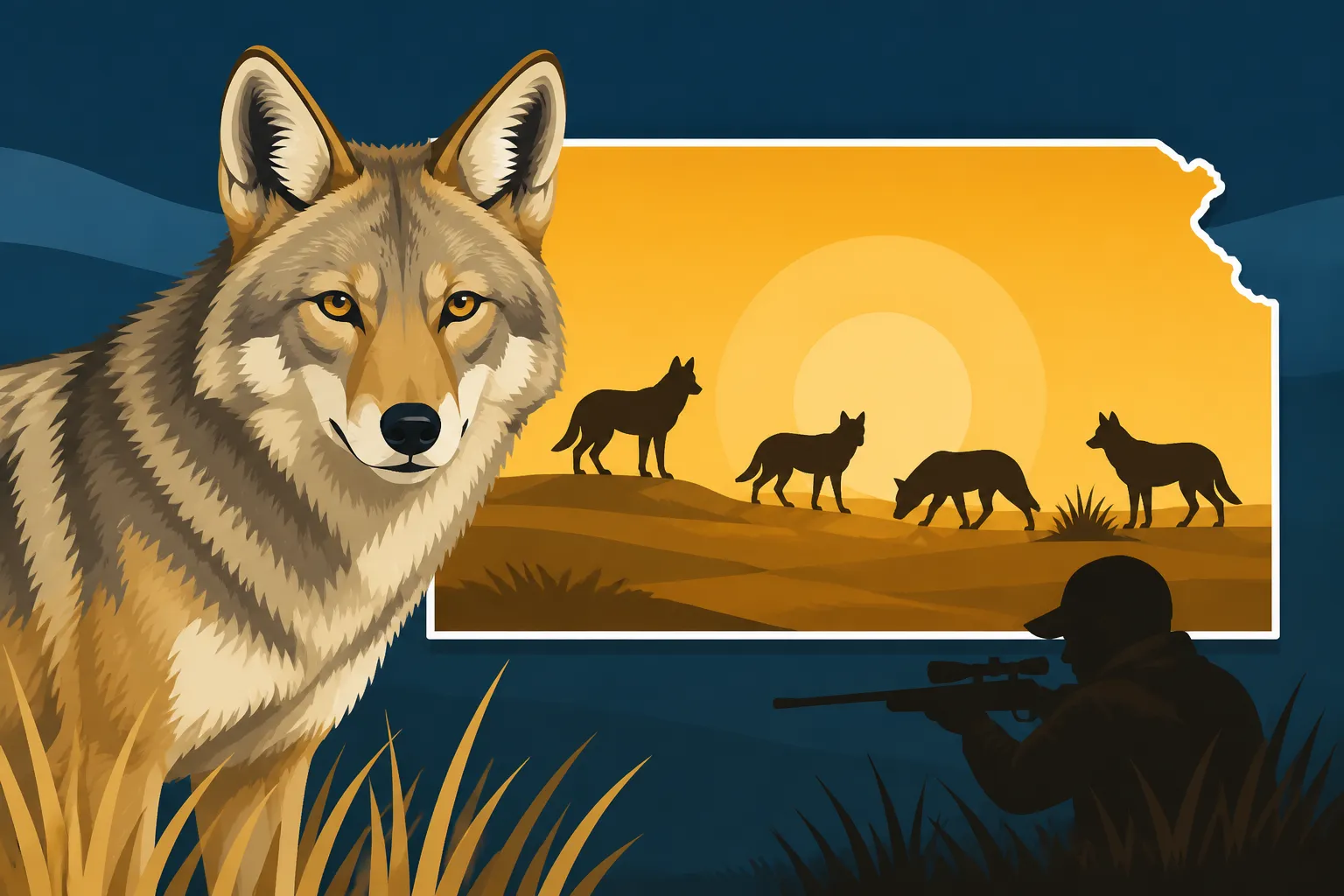
It's incredibly frustrating when you're trying to manage wildlife on your property, protect livestock, or even just enjoy a successful hunting season, only to feel like the coyote population is overwhelming. These adaptable predators are a constant presence in the Kansas landscape, and understanding their numbers, habits, and impact is crucial for anyone living, hunting, or working the land here. This guide will take a deep dive into the factors influencing coyote density across our state, explore their ecological role, and offer practical insights for effective management.
Decoding Kansas Coyote Populations: The Ever-Present Predator
Coyotes are, without a doubt, one of the most resilient and ubiquitous predators in Kansas. They've mastered the art of survival, adapting to nearly every habitat type the Sunflower State has to offer, from the dense timber of eastern Kansas to the wide-open plains of the west. But despite their constant presence, their population numbers aren't static. They ebb and flow, influenced by a complex web of environmental factors, prey availability, and human interactions.
Understanding the Fluctuations in Coyote Numbers
Just like deer or turkey populations, coyote numbers don't stay the same year after year. There are natural cycles at play, often driven by factors beyond our immediate control. A mild winter, for instance, can lead to higher pup survival rates, which in turn can mean a bump in overall coyote density the following year. Conversely, severe drought conditions can stress prey populations, making it harder for coyotes to find food and leading to a decline in their numbers. It’s a constant balancing act in nature, and coyotes are masters of adjusting to whatever conditions are thrown their way.
Another significant influence is disease. Outbreaks of mange, canine distemper, or even parvovirus can sweep through a local coyote population, sometimes drastically reducing numbers in a specific area. While these outbreaks are usually localized, they can have a noticeable impact for a season or two. It’s easy to feel like coyotes are everywhere, all the time, but paying attention to these underlying population dynamics helps us understand why sometimes you see more, and sometimes less, in your hunting grounds or backyard.
Key Environmental Factors Influencing Density
The environment plays a massive role in how many coyotes an area can support. Think about the basics: food, water, and cover. Areas with abundant prey – deer fawns, rabbits, rodents, and even a good number of pheasants or quail – will naturally support a higher density of coyotes. This is particularly true in agricultural areas where crop fields provide a buffet of mice and voles, alongside easy access to protein sources like deer.
Water availability, while seemingly less critical for a species as adaptable as the coyote, becomes more important during dry periods or in the more arid western regions of the state. Places with reliable water sources, be it a creek, pond, or even a stock tank, will attract and hold coyotes. Finally, dense cover is paramount. Whether it's a thick cedar patch, a dense plum thicket, or even tall CRP grass, coyotes need places to den, hide, and ambush prey. Without adequate cover, even a booming prey population won't lead to high coyote density because they lack the security they need to thrive and raise their young. Understanding these fundamentals is your first step in predicting where you might find higher concentrations of these wily critters.
Geographic Hotspots: Where Coyotes Thrive Across Kansas
Kansas is a state of diverse landscapes, and coyote density varies significantly from one region to another. What works for a coyote in the Flint Hills isn't necessarily the same as what works for one patrolling the Cimarron National Grassland. Each area presents its own unique set of challenges and opportunities for these clever predators.
Eastern Kansas: Timber, Water, and Agricultural Buffers
Eastern Kansas, with its rolling hills, more abundant rainfall, and numerous timbered river bottoms and creek draws, provides an ideal environment for coyotes. The patchwork of agricultural fields, often surrounded by mature hardwoods, offers a consistent food supply. These areas are rich in deer, rabbits, and small rodents, providing a diverse diet for coyotes. The denser timber offers excellent cover for denning, raising pups, and staging ambushes.
River systems like the Kansas River, Neosho River, and Marais des Cygnes River create natural travel corridors and provide consistent water sources, even in drier years. You’ll often find higher coyote densities in these riparian zones, where they can move unseen and capitalize on the concentrated wildlife. It's a landscape that allows them to remain largely undetected while still being incredibly productive, making it a challenging area for hunters trying to call them in. If you're looking to understand how coyotes utilize these timbered areas, learning about how deer move through River Oxbows and Deer Movement can give you insight into coyote travel patterns as well.
Central Kansas: The Mixed Bag of Farm and Grassland
As you move west into central Kansas, the landscape transitions. While still heavily agricultural, the timber becomes sparser, often confined to creek drainages and smaller shelterbelts. Here, coyotes adapt to a more open environment, using the available cover strategically. Large expanses of CRP grass become crucial bedding and hunting grounds, offering places to hide and ambush prey like pheasants, quail, and rabbits.
The mix of wheat, corn, and milo fields provides seasonal food sources. Coyotes will often patrol field edges, especially where crops meet thick cover, knowing that small game will be concentrated there. While their numbers might not be as high as in the most timbered eastern counties, their presence is still significant. They become even more attuned to subtle terrain changes, using slight depressions, brushy fencelines, and even old farmsteads as cover. Understanding CRP Grass and Where Bucks Bed also gives you a good idea of prime coyote habitat in these areas, as both species utilize similar dense cover.
Western Kansas: Wide Open Spaces and Sparse Cover
Western Kansas presents the most challenging environment for coyotes, yet they persist and often thrive. Here, the landscape is dominated by vast tracts of prairie, shortgrass rangeland, and immense agricultural fields, with timber being exceptionally rare, usually only found along major waterways or in very isolated shelterbelts. Coyotes in this region are incredibly adept at using minimal cover to their advantage. Dry creek beds, breaks in elevation, and even standing stubble fields become critical for concealment.
Prey here often consists of prairie dogs, jackrabbits, and a variety of rodents, alongside antelope fawns and deer. These coyotes tend to have larger home ranges due to the sparser resources. While overall densities might be lower compared to the eastern half of the state, their keen senses and ability to disappear into seemingly nothing make them particularly challenging to hunt. When scouting western Kansas, a tool like GoHunt can be invaluable. Its detailed satellite imagery helps you identify those subtle terrain features – a small drainage, a lone plum thicket, or even a brushy fence line – that might serve as crucial coyote travel routes or bedding areas. These details are often invisible from the road but are critical for understanding how coyotes utilize these open spaces.
Managing Coyote Numbers: Hunting, Trapping, and Their Real Impact
Many landowners and hunters view coyotes as a nuisance or a threat, especially to deer fawns, turkey poults, and domestic livestock. Because of this, hunting and trapping are popular methods for managing their populations. But what's the real impact of these activities on overall coyote density? It's a more nuanced answer than simply "less coyotes."
The Role of Recreational and Professional Hunting
Recreational hunting, particularly calling coyotes, is a popular pursuit in Kansas. Hunters often focus on specific areas where they've observed coyote activity or heard them howling. While individual hunters can certainly remove a number of coyotes from a localized area, the impact on the broader population is often limited. Coyotes are incredibly prolific breeders, and their populations can rebound quickly if conditions are favorable. Removing a few coyotes from a territory might create a temporary vacuum, but often new coyotes will move in to fill that void.
Professional hunters or those engaged in sustained, high-volume removal efforts, especially during denning season or targeting entire family units, can have a more significant, albeit still localized, impact. These efforts, combined with methods like night hunting, which in Kansas has specific regulations (you can learn more about Night Hunting Rules for Coyotes in Kansas), can contribute to reducing localized predation issues on livestock or game. However, even these intensive efforts rarely lead to long-term, widespread population control due to the coyote's adaptive nature and high reproductive rates.
Trapping Efforts and Their Effectiveness
Trapping can be a highly effective method for removing coyotes, especially when targeting specific problem animals or in areas where livestock depredation is a concern. Trappers, with their specialized knowledge of coyote behavior and sign, can place traps strategically in travel lanes, around den sites, or near carcass dumps. Trapping allows for selective removal and can often target the more elusive, "trap-shy" individuals that might avoid calling setups.
When sustained over time and across larger areas, trapping campaigns can reduce coyote numbers and alleviate pressure on prey species like deer fawns or young turkeys. This is particularly true in areas where landowners are actively managing for specific game species or protecting livestock. However, much like hunting, trapping success is often localized. Coyotes from adjacent, unpressured areas can and will disperse to fill vacant territories. For hunters wanting to scout out prime trapping locations or just understand coyote movement, using detailed mapping services can be a game-changer. Platforms like GoHunt allow you to overlay land ownership, topo maps, and aerial imagery, helping you identify pinch points, drainage crossings, and likely travel corridors where a trapper might set steel, or a hunter might set up for a call.
The Coyote's Place in the Sunflower State's Ecosystem
While often seen as a problem, coyotes play a critical and complex role in the Kansas ecosystem. They are a natural component of our predator guild, and their presence influences the health and balance of other wildlife populations. Understanding their ecological niche helps us appreciate their multifaceted impact.
Dietary Habits and Their Influence on Prey
Coyotes are opportunistic omnivores, meaning they'll eat just about anything they can get their paws on. Their diet in Kansas is incredibly varied, reflecting the availability of prey in different habitats and seasons. Small mammals like mice, voles, gophers, and rabbits form a significant portion of their year-round diet. This predation on small rodents can actually benefit agricultural producers by helping to control pest populations.
However, they are also known to prey on larger game, especially during vulnerable times. Deer fawns are a common target in the spring and early summer, and some studies suggest coyotes can have a noticeable impact on fawn survival rates, particularly in areas with higher coyote density or specific habitat types. They will also readily take turkey poults and adult game birds like pheasants and quail, especially during nesting season or when birds are concentrated. This dynamic means that while they help keep rodent populations in check, they also contribute to natural mortality among game species. If you're wondering Why Kansas Turkey Numbers Fell, coyote predation on poults is certainly one of the contributing factors in some areas.
Interactions with Other Kansas Predators
Coyotes are not alone at the top of the food chain in Kansas. They interact with other predators, both directly and indirectly, creating a fascinating web of competition and coexistence. Bobcats are another significant furbearer in Kansas, and while they often target similar prey, there can be competition for resources. Generally, bobcats tend to be more secretive and prefer denser cover, allowing for some spatial separation.
Larger predators, though rare in Kansas, such as cougars (which are occasionally sighted but not established), could theoretically exert some pressure on coyotes. However, the most consistent interaction is often with other coyotes themselves, as pack dynamics and territoriality dictate their movements and hunting success. Interestingly, coyotes also play a role in scavenging, cleaning up carcasses left by other predators or from natural causes, thus contributing to the overall health of the ecosystem. For a deeper understanding of the various carnivores present in the state, consider reading our comprehensive guide on Kansas Predators and Furbearers.
Unraveling Coyote Behavior: Adapting to the Landscape
The reason coyotes are so successful in Kansas isn't just about their adaptability to different food sources; it's also deeply rooted in their intricate social structures and their incredibly elusive nature. They are constantly learning and adjusting, making them formidable survivors in any environment.
Social Structures and Communication in Kansas Packs
Coyotes are far more social than many people realize, often living in family groups or packs. These aren't wolf-like packs with strict hierarchies, but rather extended family units consisting of a breeding pair, their pups from the current year, and sometimes offspring from previous years. These social structures allow for cooperative hunting, especially when taking down larger prey like deer, and provide protection for pups. The size of these packs can vary significantly depending on food availability and habitat density. In areas with abundant resources, larger family groups can form, while in sparser environments, coyotes might be more solitary or operate in smaller pairs.
Communication is key within these groups, and their distinctive howls, yips, and barks are far more than just random noise. Different vocalizations can signal territory boundaries, warn of intruders, call pups, or rally the pack for a hunt. Understanding these sounds is often a critical first step for anyone attempting Coyote Calling in Open Kansas Country, as mimicking their communication can bring them in close. Each howl tells a story, and learning to interpret even a fraction of their vocal language can give you a significant advantage in locating and patterning them.
Elusive Nature and Daily Movement Patterns
One of the most frustrating, yet admirable, traits of the Kansas coyote is its elusiveness. They are incredibly wary animals, possessing keen senses of smell, hearing, and sight. They quickly learn to associate human activity with danger, especially in areas with hunting pressure. This is why patterning them often feels like chasing shadows. Coyotes are predominantly nocturnal or crepuscular (active at dawn and dusk), especially in areas with high human activity, which allows them to hunt and move under the cover of darkness. However, it's not uncommon to see them during daylight hours, particularly in remote areas or during periods of high hunger.
Their daily movements are largely dictated by their need to find food and avoid perceived threats. They follow established trails, often along creek beds, fence lines, or field edges, that offer cover and efficient travel. When considering Hunting Pressure Patterns on Kansas Public Land, remember that coyotes are just as sensitive to disturbance as deer are, sometimes even more so. They will adjust their movements, becoming even more nocturnal or moving to thicker cover if they feel pressured. Their ability to blend into the landscape and utilize even the smallest features for concealment is a testament to their survival instincts, making them a true challenge for any hunter.
Practical Strategies for Hunters and Landowners
Whether you're looking to reduce coyote numbers to protect livestock or game, or you simply enjoy the challenge of hunting these cunning predators, having a strategic approach is key. You can't just wander out and expect success; it requires scouting, understanding their behavior, and applying effective techniques.
Scouting for Signs and Locating Active Areas
Before you can effectively hunt or manage coyotes, you need to know where they are. Scouting is paramount. Look for fresh tracks in muddy areas, along dusty roads, or near water sources. Coyote tracks are typically more oval than a dog's, with claw marks often visible. Scat (feces) is another clear indicator, often containing hair, bone fragments, or berries, reflecting their varied diet. Pay attention to scent posts – elevated spots like small mounds, rocks, or fence posts where coyotes frequently mark their territory with urine.
Another key sign is howling. While not always an exact location, it can give you a general idea of where packs are active, especially at dawn, dusk, or when temperatures drop in the evening. You can use locator calls (like a siren or even just a loud human howl) to get them to respond. When scouting, especially across vast Kansas farm country, utilizing technology like GoHunt's mapping features can drastically improve your efficiency. You can digitally scout for prime coyote habitat from home, identifying potential travel corridors, secluded bedding areas, and pinch points. For example, understanding how to apply E-Scouting Kansas Farm Country From Home principles to identify timber points or creek crossings will reveal areas coyotes likely frequent. This pre-season reconnaissance is critical for setting yourself up for success.
Masterful Calling Techniques for Kansas Coyotes
Coyote calling is an art form, and mastering it requires patience, practice, and a good understanding of coyote vocalizations and behaviors. There are two main types of calls: distress calls (mimicking an injured rabbit, fawn, or bird) and vocalizations (coyote howls, barks, or yips). Distress calls are often effective because they trigger a coyote's predatory instinct, drawing them in expecting an easy meal. Varying the call volume and cadence, from soft whimpers to frantic screams, can simulate a realistic scenario.
Vocalizations are used for territorial reasons or to locate other coyotes. A lone howl can provoke a response from a dominant male, while pup distress calls can bring in protective adults. When you're setting up, always consider the wind – coyotes will almost always circle downwind to get your scent. Position yourself to have good visibility and ensure you're concealed. Natural terrain features that act as funnels, like those discussed in Hunting Terrain Funnels in Flat Country, are excellent setup locations, as they can guide a curious coyote into your shooting lane. Being able to adapt your calling sequence based on how coyotes respond, or if they don't respond at all, is crucial. Sometimes, silence is as effective as a call, letting their natural curiosity take over after you’ve piqued their interest.
| Kansas Region | Typical Coyote Density | Key Habitat Types | Primary Prey Sources | Challenges for Hunters |
|---|---|---|---|---|
| Eastern Kansas | High | Dense timber, creek bottoms, mixed ag fields | Deer fawns, rabbits, rodents, turkeys | Heavy cover, elusive in dense woods |
| Central Kansas | Moderate to High | CRP grass, shelterbelts, crop fields, limited timber | Rabbits, rodents, pheasants, quail | Open areas requiring long shots, wary of pressure |
| Western Kansas | Moderate | Shortgrass prairie, rangeland, dry creek beds | Prairie dogs, jackrabbits, rodents, antelope | Vast open spaces, extreme wariness, sparse cover |
Disclaimer
The information provided in this guide is for general informational purposes only. Hunting regulations, seasons, and landowner permissions in Kansas are subject to change. Always consult the latest Kansas Department of Wildlife, Parks and Tourism (KDWP) regulations and obtain all necessary licenses and permits before engaging in any hunting activities. Always respect private property and obtain permission before hunting on private land.