Kansas Furbearer Harvest Numbers
Understanding the ebb and flow of furbearer populations in Kansas can feel like trying to hit a moving target sometimes. One year, it seems like raccoons are everywhere, and the next, you're wondering where all the coyotes went. This can be incredibly frustrating for trappers and hunters who rely on healthy furbearer numbers for both recreation and income. This guide will dive deep into how Kansas monitors its furbearer populations, what factors cause these numbers to rise and fall, and how you can use this information to inform your hunting and trapping efforts.
Understanding Kansas Furbearer Harvest Data
When we talk about "harvest numbers," we're essentially discussing the data collected on how many furbearers are taken by hunters and trappers each season. This isn't just a collection of arbitrary figures; it's a vital tool the Kansas Department of Wildlife and Parks (KDWP) uses to gauge the health and abundance of furbearer populations across the state. Without this information, it would be much harder to make informed management decisions that ensure these species thrive for generations to come.
The Importance of Harvest Numbers
These harvest numbers serve as an important pulse check for our furbearer populations. Think of it like a doctor monitoring a patient's vital signs. When KDWP sees consistent harvest numbers for a species like coyote or raccoon, it suggests a stable, healthy population. A sudden drop, however, might signal an issue, such as disease, habitat loss, or even a severe weather event that impacted reproduction or survival. Conversely, a significant increase could indicate a boom in population, potentially leading to more liberal harvest opportunities in the future. This data directly influences decisions regarding season lengths, bag limits, and other regulations that protect our natural resources.
It’s about striking a balance. We want to ensure that hunters and trappers have ample opportunity, but never at the expense of the long-term health of the furbearer population. For instance, if data showed a decline in bobcat populations in a particular region, KDWP might adjust regulations to allow the species to rebound, which is a common practice across game species when conservation is needed.
How Harvest Data is Collected
Collecting accurate furbearer harvest data is a multi-faceted effort. Unlike deer, where every harvested animal generally requires a check-in and tag, furbearers often have different reporting mechanisms. For many species, hunters and trappers are encouraged, and sometimes required, to report their harvest through voluntary surveys or through specific online systems, especially when it comes to regulated species like bobcats, which often require a physical pelt tag. These reports, while sometimes voluntary, are crucial for KDWP biologists to build a comprehensive picture.
The KDWP might send out postcards to a random sample of licensed hunters and trappers, asking them to detail their season's take. There are also online reporting systems where hunters can log their harvests. For species with specific tagging requirements, such as bobcats, the process is more direct, as each pelt must be physically presented to KDWP staff for tagging. This direct interaction allows for verification and more precise data collection. The reliability of this data, of course, hinges on the participation and honesty of the hunting and trapping community. Your cooperation in reporting helps paint a clearer picture of what's happening out in the field.
Factors Influencing Yearly Fluctuations
Many factors play a role in why furbearer harvest numbers might go up or down from one year to the next. Weather is a huge one. A particularly harsh winter with deep snow and prolonged cold can impact furbearer survival and reproduction, leading to fewer animals available for harvest the following season. Conversely, a mild winter can mean higher survival rates for young, leading to more animals on the landscape. Habitat availability is another critical element. As agricultural practices change or urban sprawl encroaches, the amount of suitable habitat for furbearers can shrink, directly affecting their numbers.
Consider the role of market prices for furs, too. When fur prices are high, more trappers and hunters are motivated to go out, increasing the overall effort and potentially boosting harvest numbers, even if the population itself hasn't necessarily grown. When prices are low, fewer individuals might participate, leading to lower reported harvests. Disease outbreaks, like canine distemper in raccoons or mange in coyotes, can also decimate local populations and be reflected in the harvest data. All these elements create a complex web of influences that KDWP tries to untangle when analyzing the yearly numbers.
Common Furbearer Species and Their Trends in Kansas
Kansas is home to a variety of furbearers, each with their own unique population dynamics and habitat needs. While some species remain consistently abundant, others fluctuate more dramatically depending on environmental factors and human pressures. Understanding these individual trends is key to a successful season.
Coyote and Raccoon: The Staples of the Kansas Furbearer Harvest
Coyotes and raccoons are, without a doubt, the most ubiquitous and consistently harvested furbearers in Kansas. These adaptable animals thrive in diverse environments, from the dense timber of eastern Kansas to the open plains of the west, and they readily adapt to agricultural landscapes. Their populations tend to be robust and widespread, making them a staple for both trappers and hunters. Coyote Calling in Open Kansas Country is a popular tactic for many.
Raccoons, in particular, benefit from ample food sources found in agricultural areas and near human habitation, and they're incredibly prolific breeders. Their numbers often remain high, even with consistent trapping and hunting pressure. Coyotes, too, are highly adaptable and intelligent, often managing to maintain healthy populations despite being actively pursued. Harvest numbers for these two species tend to show high volume year after year, offering reliable opportunities for those seeking to reduce depredation or simply enjoy the pursuit. You'll often find strong populations of both near water sources and timbered areas throughout the state.
Bobcat, Skunk, and Opossum: Variable Harvests
While coyotes and raccoons offer consistent opportunities, species like bobcats, skunks, and opossums can present a more variable harvest picture. Bobcats, though present across Kansas, are generally more secretive and less numerous than coyotes or raccoons. Their populations are heavily influenced by prey availability (like rabbits and small rodents) and the amount of dense cover their habitat provides. Harvest numbers for bobcats can fluctuate depending on these environmental factors and, crucially, on market demand for their pelts. They are also subject to stricter regulations, often requiring specific tagging.
Skunks and opossums are common, but their harvest numbers can vary widely. Opossums are highly opportunistic and can rebound quickly, but harsh winters can hit their populations hard. Skunks, while abundant, don't always garner the same trapping effort as species with higher fur value, so their harvest numbers might not always be a perfect reflection of their actual population density. These species provide valuable opportunities but often require a closer eye on local conditions and annual trends to predict success.
Beaver and Otter: Water-Dependent Dynamics
Beavers and otters are distinct from other furbearers in Kansas due to their strong reliance on aquatic habitats. Beavers, with their dam-building and timber-cutting habits, are often highly visible and can be a significant harvest target, especially where they cause damage to crops or timber. Their populations are generally strong where suitable water and food (like cottonwoods and willows) are abundant, such as along Kansas river systems. Beaver and Otter in Kansas are important ecological engineers.
Otters, once scarce in Kansas, have made a remarkable comeback thanks to conservation efforts and reintroduction programs. While their harvest is carefully managed and typically much lower in volume compared to beavers or raccoons, their numbers are monitored closely to ensure continued population growth. Harvest of both species is directly tied to the health of Kansas waterways and adjacent riparian zones. Factors like drought, which can reduce water levels, or changes in water quality, can directly impact their populations and, consequently, their harvest potential. Trapping these species often requires specialized techniques and a deep understanding of their aquatic behaviors.
Interpreting Harvest Data for Your Strategy
Looking at furbearer harvest data isn't just an exercise in numbers; it's about gleaning insights that can directly impact your success in the field. It helps you understand the bigger picture beyond your immediate hunting grounds. By dissecting these reports and trends, you can make more informed decisions about where and when to focus your efforts.
What Numbers Can Tell Hunters and Trappers
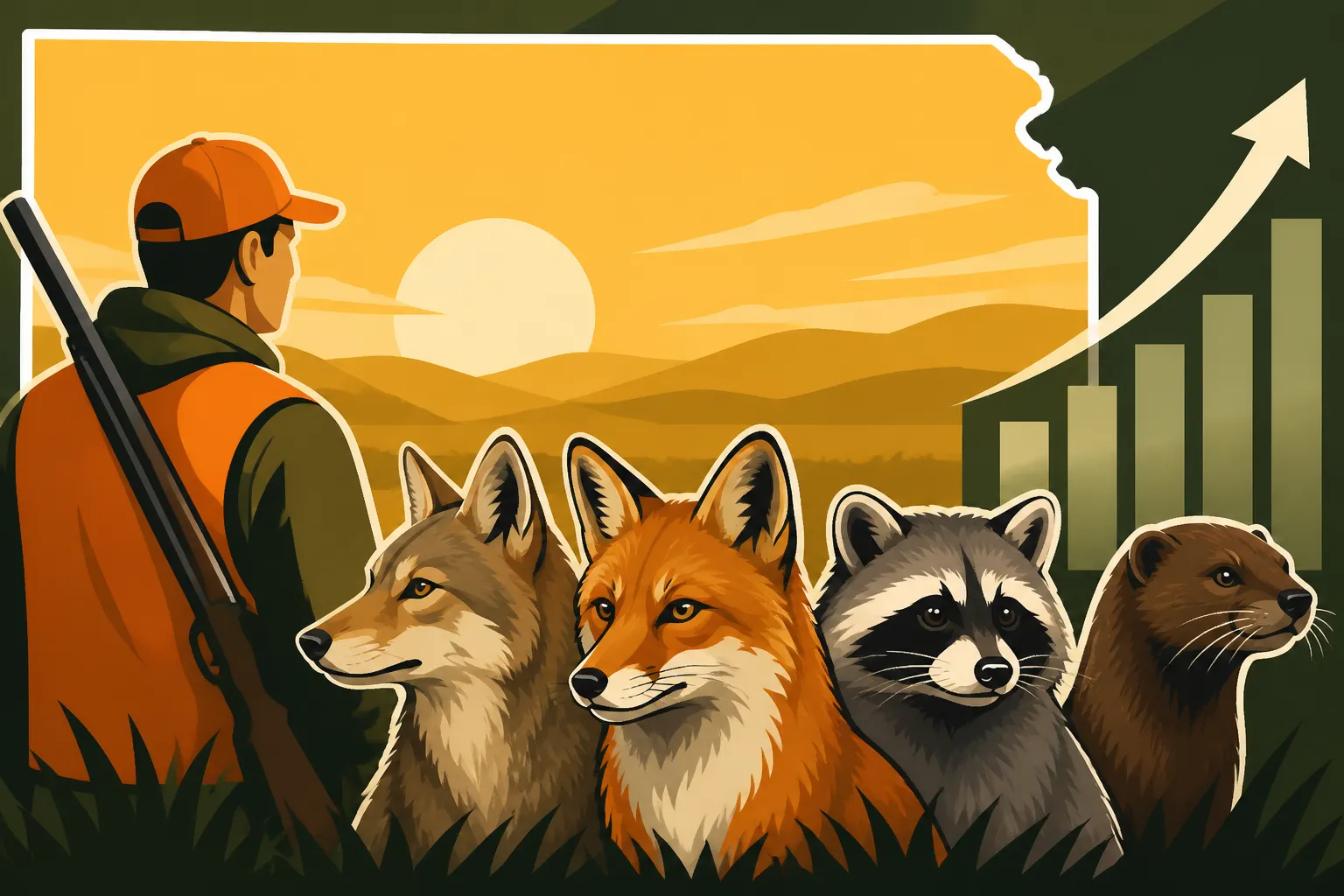
Harvest numbers, when viewed over several years, can reveal patterns that are incredibly useful. For example, if you see consistently high raccoon harvests in a particular Kansas unit, it suggests a robust, healthy population. This might encourage you to scout that area more thoroughly or allocate more trap sets there. Conversely, if bobcat numbers have been trending downward in your usual hunting area, it might be a signal to broaden your search to a new unit or adjust your expectations. This data can guide your decision-making, helping you understand where opportunities are likely to be greatest. You can often find summaries of these numbers through KDWP's annual reports, which often break down harvest by species and sometimes by region. Kansas Furbearer Harvest Numbers are not just for KDWP, but for you as well.
This isn't about pinpointing exact locations, but rather understanding macro-trends. Are beaver populations holding strong along the Neosho River Bottom Access? Is there an uptick in coyote harvest statewide, indicating favorable conditions for their reproduction? These broader insights allow you to strategically plan your season, allocating your valuable time and resources where they're most likely to yield results.
Beyond the Raw Numbers: Environmental and Market Context
Understanding harvest numbers in isolation isn't enough; you need to layer in environmental and market context. Did Kansas experience a severe drought two years ago? That might have impacted prey species, which in turn could affect predator populations like bobcats and coyots in subsequent years. A mild, wet spring could mean higher survival rates for young raccoons, leading to increased numbers in the fall. These environmental conditions are often just as, if not more, influential than the previous year's harvest itself.
Furthermore, consider the economic side. As mentioned before, low fur prices can significantly reduce trapper effort. If fewer people are actively pursuing furbearers because the return isn't worth the investment, the harvest numbers will naturally appear lower, even if the actual population is thriving. This means a low harvest number one year might not indicate a population crash, but rather a lack of interest due to market conditions. Conversely, a spike in fur prices can lead to higher harvest numbers, potentially pushing populations downward if not properly managed. Keep an eye on both ecological reports and the fur market news to get a complete picture.
Using Tools for Informed Decisions
In today's world, there are more resources than ever to help hunters and trappers make informed decisions. While KDWP provides official harvest reports and regulation summaries, other tools can help you visualize this data and apply it to specific areas. Platforms like GoHunt, for instance, can be invaluable for overlaying various data points – from habitat types to historical weather patterns – onto maps of Kansas hunting units. This allows you to cross-reference areas with potentially high furbearer populations (indicated by harvest trends) with favorable habitat features.
You can use such mapping tools to identify potential trapping lines or hunting areas that align with species-specific needs. For example, if you know raccoons prefer riparian areas, GoHunt can help you quickly locate timbered creek bottoms in a unit that also shows high raccoon harvest numbers. While these tools won't give you exact "hot spots," they empower you to do your own research, connect the dots between data, and spend less time blindly scouting. Think of them as a modern extension of your traditional scouting efforts, helping you interpret general trends and narrow down your focus on the ground.
| Furbearer Species | Typical Harvest Trend | Primary Habitat | Key Factors Influencing Harvest | Notes for Hunters/Trappers |
|---|---|---|---|---|
| Coyote | Consistently High | Open plains, agricultural fields, timber edges | Prey availability, market prices, hunter effort | Abundant, adaptable, widely pursued. |
| Raccoon | Consistently High | Riparian areas, urban fringes, agricultural areas | Food availability, mild winters, market prices | Very abundant, prolific, often near water. |
| Bobcat | Moderate, Variable | Dense cover, timbered areas, rocky outcrops | Prey species, habitat quality, fur market demand | More secretive, requires specific scouting for sign. |
| Opossum | Moderate | Mixed woodlands, agricultural areas, urban fringes | Winter severity, food sources, incidental take | Opportunistic, can be impacted by cold. |
| Skunk | Low to Moderate | Open fields, grasslands, suburban areas | Limited targeted effort, incidental take | Often caught incidentally, low fur value. |
| Beaver | Moderate | Rivers, creeks, ponds, reservoirs | Water levels, timber availability, depredation issues | Damage control often drives harvest, specialized trapping. |
| Otter | Low, Closely Managed | Healthy riparian areas, permanent water bodies | Habitat quality, regulated harvest, population growth | Rebounding species, specific regulations apply. |
The Role of Conservation and Responsible Harvesting
Hunting and trapping furbearers in Kansas isn't just about the pursuit; it's also about a deep respect for the animals and the natural systems they inhabit. Conservation is at the heart of sustainable harvesting, ensuring that these resources are available for future generations of outdoor enthusiasts.
Sustainable Practices for Kansas Furbearers
Responsible harvesting practices are absolutely critical to maintaining healthy furbearer populations. This means adhering strictly to all KDWP regulations, including season dates, bag limits, and legal methods of take. It also means using ethical and humane trapping and hunting methods to minimize suffering and ensure quick, clean harvests. For trappers, this includes checking traps regularly, using appropriate trap sizes for target species, and releasing non-target animals unharmed whenever possible. Hunters should prioritize clean shots and efficient recovery of game, whether it's a coyote or a raccoon.
Beyond direct harvesting, ethical conduct extends to respecting private property boundaries, obtaining proper permission when needed, and leaving no trace on public lands like Hunting Kansas Walk-In Land Without Burning It Out. These actions collectively contribute to a positive public image of hunting and trapping, which is vital for securing continued access and support for these traditions. By practicing these sustainable approaches, we help ensure that robust furbearer populations remain a vibrant part of Kansas's wildlife heritage.
KDWP's Role in Furbearer Management
The Kansas Department of Wildlife and Parks plays an indispensable role in the ongoing management and conservation of furbearer species across the state. They are the guardians of these resources, using scientific data and public input to make critical decisions. KDWP biologists conduct ongoing research, monitor population trends through harvest data and field surveys, and use this information to set annual regulations. These regulations are designed to allow for sustainable harvest opportunities while ensuring that furbearer populations remain healthy and resilient.
For example, if KDWP data indicates a decline in a particular furbearer population in a certain region, they may adjust season lengths or bag limits in that area to allow the species to recover. Conversely, if populations are robust, they might maintain or even expand opportunities. This adaptive management approach is dynamic, constantly responding to changing environmental conditions, population health, and hunter/trapper impact. Their work, funded largely by hunting and fishing license fees, is essential for maintaining the balance between recreational opportunities and conservation needs. It's a testament to how responsible management ensures our natural resources thrive for everyone to enjoy.
Disclaimer
This article is for general informational purposes only and does not constitute professional advice. Laws, prices and regulations vary by location and change over time. Consult a qualified professional for guidance on your specific situation.