Sandhill Crane Migration Through Kansas
The annual spectacle of sandhill crane migration through Kansas is truly something to behold, yet many hunters and wildlife enthusiasts often struggle to predict their movements or understand where these magnificent birds will gather. It's frustrating when you hear reports of thousands of cranes in one area, only to find empty skies when you arrive, or you miss the peak migration entirely. This guide aims to demystify the sandhill crane's journey across the Sunflower State, helping you understand their patterns, prime stopover points, and the factors that influence their aerial ballet.
The Annual Sandhill Crane Spectacle Through Kansas
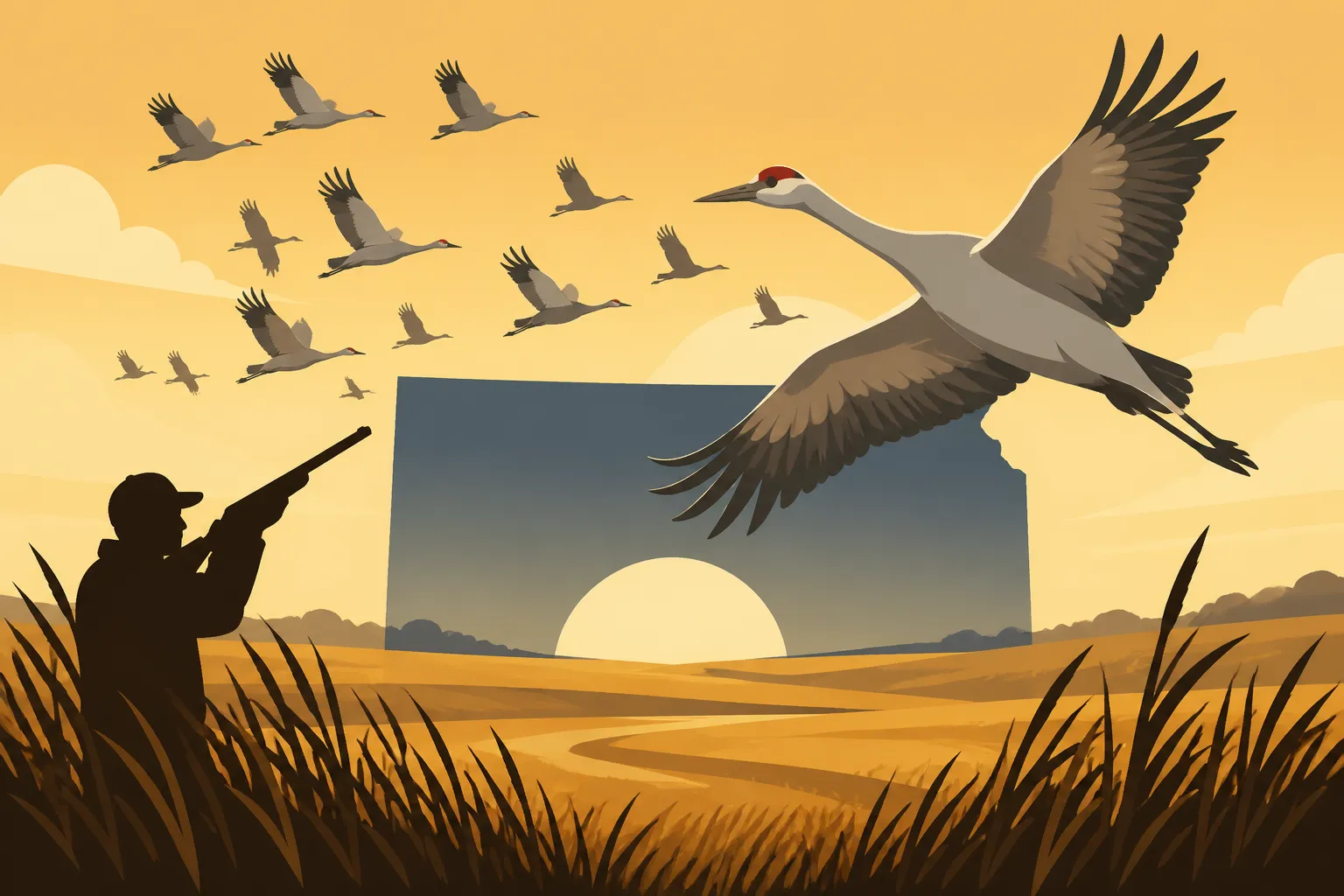
Every year, millions of sandhill cranes undertake an epic journey along the Central Flyway, and Kansas sits squarely in the middle of this aerial highway. It's not just a few birds; we're talking about massive flocks, sometimes numbering in the tens of thousands, descending upon our state's wetlands and agricultural fields. This isn't a quick fly-over; these birds utilize Kansas as a crucial stopover point for rest and refueling, making their presence a significant event for anyone interested in migratory birds, especially hunters.
The migration generally has two major pulses: a southward movement in the fall and a northward return in the spring. In the fall, usually starting in late September and building through October and into November, cranes begin to pour into Kansas from their northern breeding grounds. Their numbers peak when colder weather pushes them south, especially after the first hard freezes further north. Conversely, the spring migration can begin as early as late February, picking up steam in March and April, as they push back towards their nesting territories. The exact timing can shift a bit from year to year, heavily influenced by weather patterns, especially the timing of cold fronts and available food sources along their route. A prolonged warm spell in fall might delay their arrival, just as an early spring blizzard can hold them up. It’s a dynamic system, driven by instinct and environment.
Identifying Sandhill Cranes and Their Behavior
One of the most distinctive features of the sandhill crane, beyond their striking appearance, is their unforgettable call. Often described as a loud, rattling bugle, it's a sound that carries for miles and, once heard, is rarely forgotten. When you hear that distinctive call, often from high in the sky, you know cranes are on the move. Visually, adult sandhill cranes are large, elegant birds, standing several feet tall with a wingspan that can exceed six feet. Their bodies are typically gray, sometimes with a rusty wash from preening with iron-rich mud, and they have a distinctive patch of bare, red skin on their forehead. In flight, they hold their long necks and legs straight out, soaring on thermal currents or flapping with slow, deliberate wingbeats, often in V-formations or long, undulating lines.
Their behavior on the ground is just as fascinating. Sandhill cranes are primarily grazers and gleaners. You'll find them meticulously walking through harvested agricultural fields, particularly corn and milo stubble, foraging for waste grain and insects. They also feed in grasslands and shallow wetlands, picking up seeds, tubers, and small invertebrates. These birds are incredibly social, forming large flocks that feed together during the day. When evening approaches, these immense flocks will lift off and fly to traditional roosting sites. These sites are almost always in shallow water – often mudflats, sandbars in wide river channels, or shallow pools within large wetland complexes. This behavior is a survival mechanism, as the open water provides a buffer against nocturnal predators like coyotes. Understanding this daily cycle of feeding in fields and roosting in water is absolutely key to finding them.
Prime Kansas Stopover Points for Sandhill Cranes
Kansas offers a rich tapestry of habitats that attract migrating sandhill cranes, largely thanks to its position within the Central Flyway and its mix of large agricultural tracts and vital wetlands. While cranes can be seen almost anywhere across the state during migration, particularly high overhead, certain areas consistently draw them in large numbers due to the ideal combination of food and secure roosting sites.
One of the most renowned areas for crane concentrations is the cluster of large wetland complexes in central Kansas, often referred to as the Great Bend of the Arkansas River region. This includes critical federal and state wildlife areas. For instance, Cheyenne Bottoms Waterfowl Hunting and the nearby Quivira National Wildlife Refuge are absolute magnets for sandhill cranes. These vast inland marshes and shallow lakes provide the extensive, open water roosting sites they crave, surrounded by thousands of acres of agricultural fields that offer abundant feeding opportunities. It's a prime example of the kind of habitat cranes seek out. You can literally hear the din of thousands of cranes calling as they descend into these areas at dusk. Before heading out to scout these areas, many hunters and bird watchers use mapping tools, like those found on GoHunt, to identify publicly accessible parcels and potential flight paths.
Beyond these major wetland complexes, the vast stretches of river bottom along the Arkansas River, especially in the western and central parts of the state, also provide critical stopovers. Wide, shallow stretches of the river with exposed sandbars offer ideal, undisturbed roosting. Similarly, large reservoirs and their associated wildlife areas across Kansas, which fall within the Kansas Waterfowl Season Zones of the Central Flyway, also host significant numbers of cranes. These might include reservoirs like Kirwin, Wilson, and Cedar Bluff, particularly if there are extensive shallow mudflats or adjacent flooded fields. Cranes are adaptable, and while they prefer the major wetland hubs, they will utilize any suitable shallow water body for roosting if the surrounding area provides ample food. Scouting these areas, whether by driving rural roads or using digital tools like those offered by GoHunt, can reveal patterns of crane usage year after year. Waterfowl Hunting Kansas Reservoirs and Playas is a related topic that explains how these aquatic environments play a crucial role for many migratory birds.
The Sandhill Crane and Kansas Hunters
While our focus here is primarily on the migration itself, it’s worth noting that sandhill cranes are a game species in Kansas, and their presence during migration creates unique hunting opportunities for those who enjoy pursuing migratory birds. This is not a discussion on the tactics of hunting them, but rather on how their migration patterns dictate the potential for ethical and responsible engagement. Hunters who pursue sandhill cranes during the regulated season must be keenly aware of their migratory patterns, habitat preferences, and the specific regulations that apply.
Understanding the timing of their arrival and departure, as well as their daily movements between feeding fields and roosting water, is fundamental. It's not unlike pursuing other migratory birds; success often hinges on being in the right place at the right time, which means understanding the full scope of their journey. Hunters must have a valid hunting license, a Kansas HIP stamp, and often a federal duck stamp, similar to other Kansas Duck Stamp Requirements for waterfowl. The daily bag and possession limits are strictly enforced, and reporting your harvest is a mandatory part of participating in migratory bird hunting, often done through the Kansas HIP Registration system.
The sheer numbers of sandhill cranes passing through Kansas during peak migration can be astounding, offering a glimpse into the vastness of the natural world and the wonders of avian travel. Whether you're a hunter scouting for opportunities or a bird watcher hoping to witness this aerial ballet, knowledge of the crane's journey is your most valuable asset. Utilizing resources like the Kansas Department of Wildlife and Parks website for current regulations and public access maps, and supplementing that with modern scouting tools like GoHunt, can greatly enhance your ability to connect with this incredible migratory phenomenon. Observing how Reading a Kansas Wind for Waterfowl influences their flight paths can also provide invaluable insights into their daily movements. Remember, just like Duck and Goose Migration Timing, crane movements are highly dependent on weather and food availability, making each season's migration a unique event.
| Migration Period | Peak Timing (General) | Key Identification | Preferred Habitat (Kansas) |
|---|---|---|---|
| Fall Migration | Late Sept. – Mid-Nov. | Gray body, red cap, bugle call | Harvested corn/milo fields, shallow wetlands (Cheyenne Bottoms, Quivira), wide river channels |
| Spring Migration | Late Feb. – Mid-April | Gray body, red cap, bugle call | Harvested corn/milo fields, shallow wetlands (Cheyenne Bottoms, Quivira), wide river channels |
Disclaimer
This article is for general informational purposes only and does not constitute professional advice. Laws, prices and regulations vary by location and change over time. Consult a qualified professional for guidance on your specific situation.