Cheyenne Bottoms Waterfowl Hunting
The Cheyenne Bottoms Wildlife Area is one of those places that calls to a waterfowl hunter, almost like a siren song. It’s legendary, vast, and holds an incredible amount of birds, but it can also be incredibly intimidating and frustrating to navigate, especially if you’re new to its sprawling marshes and fluctuating water levels. This guide is here to cut through that confusion, helping you understand how to approach this unique Kansas hunting destination and increase your chances of a successful waterfowl hunt.
Cheyenne Bottoms: Kansas's Waterfowl Gem
Cheyenne Bottoms isn't just another public hunting spot; it's a globally recognized wetland of international importance, a critical stopover for millions of migratory birds on the Central Flyway. It’s this very significance that makes it so alluring to waterfowl hunters, offering the chance to encounter an incredible diversity and sheer number of ducks and geese. However, this ecological richness also means a complex management system and conditions that can change almost daily, leaving many hunters feeling overwhelmed before they even set foot in the marsh.
A Natural Wonder and Hunter's Paradise
Imagine a vast, ancient basin, a depression formed by geological forces over eons, now acting as a giant sponge for the rivers and rains of central Kansas. That’s Cheyenne Bottoms. This natural phenomenon creates an ideal habitat for waterfowl, offering shallow waters, emergent vegetation, and abundant food sources that migrating birds simply can’t resist. From the moment the first cool fronts push down from the north, the skies over the Bottoms can fill with birds, providing spectacle and opportunity unlike almost anywhere else in the state. Kansas Waterfowl on the Central Flyway explores this migration further.
The sheer scale of the Bottoms can be deceptive. What looks like a seamless sheet of water on a map is actually a mosaic of pools, mudflats, dense cattail stands, and areas of managed cropland designed to provide food. This diverse habitat caters to everything from puddle ducks like mallards and teal, which love the shallow, vegetated edges, to diving ducks that prefer deeper, more open water, and even geese that will hit the crop fields. Knowing these preferences is key to understanding where to focus your efforts.
Many hunters come to Cheyenne Bottoms year after year, drawn by the memories of incredible flights and the anticipation of what the next season might bring. It’s a place where the weather truly dictates the hunting, and a strong north wind or a sudden cold snap can transform a quiet marsh into a whirlwind of wings and excited quacks. It's a challenging environment, but the rewards can be legendary, making the effort of understanding its quirks entirely worthwhile.
The Inherent Challenges of a Dynamic Wetland
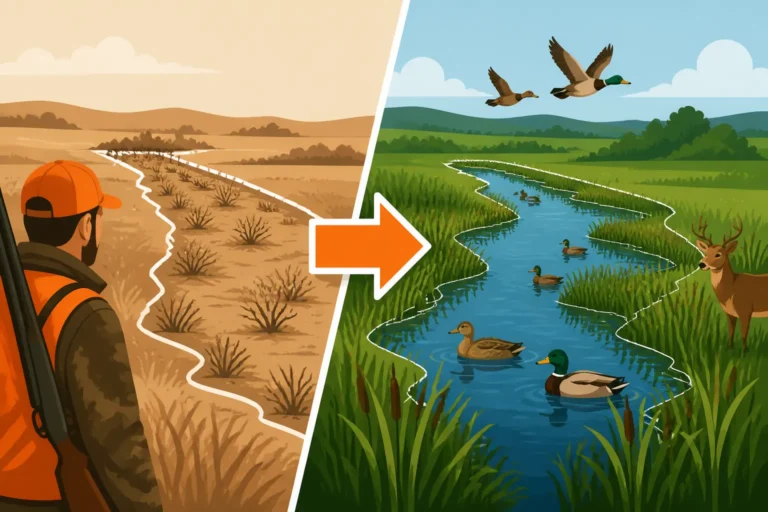
For all its promise, Cheyenne Bottoms presents significant challenges. The most prominent is the ever-changing nature of the water levels. The Kansas Department of Wildlife, Parks and Tourism (KDWP) actively manages water across the various pools, draining some and filling others to optimize habitat for wildlife and hunting opportunities. This means that a spot that was prime real estate last week might be bone dry this week, or vice versa. Keeping up with these changes is a full-time job for the wildlife area staff, and for you, it means constant vigilance and adaptability.
Another challenge is the pressure. Because it's so well-known, Cheyenne Bottoms can attract a lot of hunters, especially on opening weekends and during peak migration. Finding an unpressured spot, or at least a spot where you feel comfortable setting up, can require early mornings, long walks, and a bit of luck. The sheer size helps disperse hunters, but certain popular access points or historically good areas can still get crowded, leading to sky-busting or simply a less enjoyable hunt.
Finally, just getting around can be a real headache. The access roads can be muddy or even underwater, requiring a robust vehicle. Navigating the dense marsh itself can involve waders, boats, or even just long, sloggy walks through thick mud and tangled vegetation. It’s not a place for the faint of heart or those unprepared for a physical challenge. Yet, these very difficulties contribute to the wild, untamed feel that so many hunters cherish about the Bottoms.
Understanding the Layout and Access Points
Navigating Cheyenne Bottoms effectively is half the battle. This vast wildlife area is structured into various pools, zones, and refuge areas, each with its own nuances and regulations. Without a solid grasp of where you can go, what’s off-limits, and how to get there, you're likely to spend more time scratching your head than pulling birds.
Dissecting the Cheyenne Bottoms Map
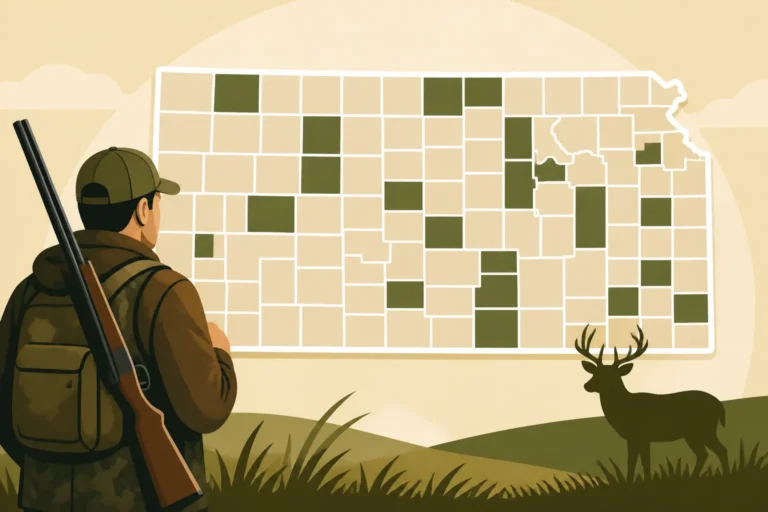
Cheyenne Bottoms is roughly divided into several main pools or units, often referred to by numbers or names. These pools are managed individually, and their water levels and habitat conditions can vary greatly. For example, some pools might be drawn down in early season to expose mudflats for shorebirds and provide early feeding for teal, while others might be flooded deeper for later-season diving ducks. Understanding this management strategy is crucial for anticipating where the birds will be.
Most hunting opportunities are found in the designated public hunting portions of these pools. However, it’s absolutely critical to identify the refuge areas. These are strictly off-limits to hunting and entry, serving as sanctuaries where birds can rest and feed undisturbed. Crossing into a refuge area, even accidentally, can lead to serious legal trouble. This is where a mapping app like onX Hunt becomes invaluable. You can see the property lines, refuge boundaries, and water features right on your phone, helping you stay legal and efficient. Without it, you’re relying on less detailed paper maps and hoping you don't make a costly mistake in the dark.
Furthermore, within the public hunting zones, there might be specific areas designated for certain types of hunting (e.g., walk-in only, non-motorized boat access, etc.). Always check the current year's KDWP regulations pamphlet for the most up-to-date information, as these rules can change based on management needs or legislative updates. Don't assume that what was allowed last year is still good to go this season; a quick check can save you a world of trouble.
Crucial Access Points and How to Get There
Access into Cheyenne Bottoms is primarily via a network of gravel and dirt roads that crisscross the area. The main entrances are typically well-marked, but getting from the main road to your desired hunting spot can be a journey in itself. Some roads provide direct access to specific pool dikes, allowing you to drive close to where you want to set up, while others might require parking and then a long hike or boat ride.
The condition of these access roads is highly dependent on recent weather. A heavy rain can turn seemingly solid gravel roads into muddy, impassable quagmires, effectively cutting off access to certain areas. A reliable four-wheel-drive vehicle is highly recommended, and even then, discretion is often the better part of valor. Don't push your vehicle into conditions where you might get stuck and compromise your hunt, or worse, endanger yourself.
Many hunters use small boats, canoes, kayaks, or even layout boats to access more remote areas of the Bottoms, especially where deeper water or expansive mudflats make wading impractical. Launch points are available at various dikes and access roads. When utilizing these, remember water safety, especially in low light or adverse weather, and be mindful of other hunters. Consider carrying a GPS device or using the onX Hunt app to mark your launch point and navigate back, as the maze of dikes and waterways can quickly become disorienting in the dark. Finding Public Access in Kansas offers more general advice on locating hunting areas.
Tactics for Success in the Bottoms
Cheyenne Bottoms demands adaptability and a solid understanding of waterfowl behavior. What works one day might fail spectacularly the next, depending on the weather, bird numbers, and hunting pressure. Success here isn't about one magic bullet; it's about having a diverse toolkit of strategies and knowing when to deploy them.
Decoying Ducks and Geese Effectively
Decoy spreads are a cornerstone of waterfowl hunting, and at Cheyenne Bottoms, they can make or break your day. For ducks, especially mallards, a realistic spread mimicking feeding and resting birds is often most effective. Think about motion – spinning wing decoys, jerk strings, and even simple current-activated wobblers can add vital realism that catches the attention of high-flying birds. Position your decoys to create a landing zone right in front of your blind, downwind, allowing birds to cup their wings and commit.
For geese, larger spreads are typically more effective. If you're targeting Canada geese, a spread of full-body or shell decoys depicting a feeding flock can be very enticing. Silhouette decoys can also add bulk to your spread without adding too much weight. Pay close attention to how birds are reacting to your spread. If they’re flaring off at a distance, it might be due to an unnatural looking setup, too much movement, or even your blind standing out.
Remember that birds at Cheyenne Bottoms see a lot of decoys throughout the season. They become "educated" quickly. Switching up your spread, changing locations frequently, and focusing on realism over sheer numbers can often fool weary birds. Don't be afraid to experiment with different patterns and densities based on what the birds are doing that particular day. Decoying Ducks on a Kansas Reservoir provides more insights on decoy tactics.
Strategic Blind Placement and Concealment
Your blind is your fortress, and its placement and concealment are paramount. Whether you’re using a layout blind, a boat blind, or building a makeshift blind from natural vegetation, the goal is to disappear into the landscape. At Cheyenne Bottoms, this often means embracing the cattails, smartweeds, and dogwoods that are prevalent in the marsh. Use plenty of local vegetation to brush in your blind, making sure to break up its outline from all angles, including above.
Consider the sun's position. Setting up so the morning sun is at your back means incoming birds will be looking directly into it, making it harder for them to spot your blind and giving you a clear shot. Wind direction is also critical; ducks and geese almost always land and take off into the wind. Position your blind so the wind is blowing from your back to your decoys, ensuring birds approach from the front for those ideal landing shots. Reading a Kansas Wind for Waterfowl is a must-read for this.
Don't be afraid to scout new locations. The water levels change, and so do the prime feeding and resting areas. What was a hot spot last week might be barren this week. A simple walk-in spot that others overlook, or a difficult-to-access area via a small boat, might offer unpressured opportunities. Use your onX Hunt app to identify potential new spots and save them for future reference.
Adapting to Dynamic Conditions and Hunting Pressure
Cheyenne Bottoms is a place where flexibility is key. If the ducks aren't flying, perhaps the geese are. If your primary spot is flooded with too many hunters, having a backup plan is essential. Pay attention to weather forecasts, especially strong cold fronts or significant precipitation, as these can trigger major migrations and dramatically alter bird behavior. For example, after a fresh snow, geese might be more inclined to feed in open fields, while ducks might seek refuge in timbered sloughs.
Hunting pressure is a constant factor on public land like the Bottoms. If you arrive at your chosen spot and see multiple vehicles already there, consider moving to your second or third option. The birds will be wary, and a crowded area often leads to less quality shooting for everyone. Sometimes, waiting until mid-morning after the initial rush can yield good results, as birds that were pushed off by early hunters may return.
The KDWP often provides updates on water levels and general conditions, sometimes through their website or local offices. Checking these resources before you head out can save you a wasted trip. Moreover, talking to local hunters or checking online forums (like those supported by GoHunt for general hunting insights) can give you a pulse on current conditions, helping you make informed decisions about where to go and what to expect.
Gear, Safety, and Regulations You Can't Ignore
Hunting at Cheyenne Bottoms requires more than just a shotgun and a handful of shells. The environment itself demands specific gear for comfort and effectiveness, and safety should always be your top priority. Furthermore, the regulations here are strict, designed to protect both the wildlife and the hunting experience, and ignorance is no excuse.
Essential Gear for the Kansas Marsh
When packing for Cheyenne Bottoms, think durable, waterproof, and practical. Waders are non-negotiable, and depending on water levels, chest waders might be preferable to hip waders. Choose a pair that’s comfortable for walking through mud and standing in water for extended periods. A reliable, waterproof blind bag is essential for carrying calls, extra shells, snacks, and any electronics.
Your shotgun should be capable of handling moisture and mud; a good cleaning kit is a must for post-hunt maintenance. Bring plenty of non-toxic shot, as lead shot is prohibited for waterfowl hunting. Decoys, of course, are critical, but consider how you'll transport them. Decoy bags, sleds, or even a small boat can make hauling them through the marsh much easier.
Don't forget the small but mighty items: a reliable headlamp or flashlight (with extra batteries) for predawn setups and post-hunt retrievals, a thermos of hot coffee or soup on cold mornings, and robust game straps or a game carrier for getting your birds out. A basic first-aid kit is also a smart addition for any outdoor excursion.
Prioritizing Safety in a Dynamic Environment
Waterfowl hunting, especially in a dynamic wetland like Cheyenne Bottoms, comes with inherent risks. Cold water immersion is a serious danger; always wear a life vest if you're in a boat, canoe, or kayak, even in shallow water. If you're wading, be aware of sudden drop-offs and uneven terrain. Walking with a sturdy wading staff can help you probe the depth and maintain balance.
Hypothermia is another constant threat. Dress in layers, avoiding cotton, and ensure your outermost layer is waterproof. Bring extra dry clothes in a sealed bag, especially socks, and change immediately if you get wet. Always let someone know where you're going and when you expect to return, leaving a detailed trip plan. Leaving a Trip Plan for a Public Hunt is a good resource for this.
Be acutely aware of your surroundings, especially other hunters. Always confirm your target and what's beyond it before shooting. Shot trajectories can carry a long way across open water. Adhere to safe firearm handling practices at all times, and never mix alcohol or drugs with hunting.
Understanding and Adhering to Regulations
Cheyenne Bottoms, as a State Wildlife Area, often has specific regulations in addition to statewide hunting laws. These might include rules about what kind of blinds you can use, where you can place them, specific shooting hours, vehicle restrictions, or even limitations on when certain areas are open to hunting. Always consult the current Kansas Hunting and Trapping Regulations Summary and any specific supplements for Cheyenne Bottoms before your hunt. Kansas Wildlife Area Special Regulations highlights the importance of this.
| Regulation Category | General Kansas Rule | Cheyenne Bottoms Specifics (Example) |
|---|---|---|
| Hunting Hours | 30 mins before sunrise to sunset | May have specific opening/closing times for certain pools |
| Shot Type | Non-toxic shot required for waterfowl | Strictly enforced; lead shot is prohibited |
| Blind Use | Portable blinds allowed; no permanent structures | May have restrictions on blind material or placement |
| Vehicle Access | Designated roads only | Many roads may be seasonally closed or only open to 4WD |
| Refuge Areas | No entry, no hunting | Clearly marked; accidental trespass carries severe penalties |
| Tagging Birds | Immediately after harvest | Follow all state and federal tagging/possession limits |
Federal duck stamps and Kansas hunting licenses, along with HIP registration, are mandatory. Ensure all your permits and licenses are up-to-date and easily accessible. Kansas Duck Stamp Requirements and Kansas HIP Registration cover these necessities. Failure to comply with regulations can result in fines, permit revocation, and even forfeiture of equipment. Respecting these rules not only keeps you legal but also contributes to the sustainable management of this incredible resource for future generations of hunters.
Disclaimer
This article is for general informational purposes only and does not constitute professional advice. Laws, prices and regulations vary by location and change over time. Consult a qualified professional for guidance on your specific situation.