How Many iWIHA Counties There Are
It's incredibly frustrating when you're trying to plan a hunting trip, especially to public land, and you can't figure out where you can even go. Kansas has done a remarkable job with its Walk-In Hunting Access (WIHA) program, but the newer, more managed iWIHA (interactive WIHA) system can feel a bit like a mystery to some folks. This guide is going to clear up exactly how many counties currently participate in the iWIHA program, what makes it tick, and how you can make the most of these fantastic hunting opportunities.
The Interactive WIHA (iWIHA) Program: A Deeper Dive
For years, Kansas hunters have relied on the traditional WIHA program, which puts millions of acres of privately owned land into public hunting access. It's been a game-changer, especially for those of us who don't have private ground or expensive leases. But as hunting pressure increased and folks started really putting the hammer down on some of those easily accessible tracts, a new approach was needed to manage things better. That's where iWIHA stepped in. It's not meant to replace the original WIHA, but rather to complement it with a more controlled, and often more rewarding, hunting experience.
What Makes iWIHA Unique for Kansas Hunters
The biggest difference you'll notice with iWIHA, compared to the sprawling, open-access nature of most WIHA tracts, is the "interactive" part. This isn't just a catchy name; it fundamentally changes how you access and hunt these properties. Instead of just showing up, parking, and heading out, iWIHA requires you to check in before you hunt and check out when you're done. This real-time management system allows the Kansas Department of Wildlife and Parks (KDWP) to limit the number of hunters on a specific tract at any given time.
Think about it this way: how many times have you driven to a promising public land spot, only to find three other trucks already parked there? It can be deflating, knowing your chances just dropped significantly, or worse, that you're going to be bumping into other hunters all day. iWIHA aims to mitigate that. By controlling the number of individuals, it helps maintain a higher quality hunt and reduces the chance of overcrowding. It's a fantastic concept for those of us who value a little more solitude and a less pressured hunting experience. It's a different animal than regular WIHA, and if you want to know more about How iWIHA Differs From Regular WIHA, we've got a whole article on it.
The Rationale Behind Hunter Capacity Limits
You might wonder why the KDWP went to the trouble of implementing such a system when traditional WIHA already provides so much access. The core reason boils down to hunter pressure and wildlife management. On many highly desirable or easily accessible public land tracts, the sheer volume of hunters can quickly burn out an area. Deer go nocturnal, turkeys get wary, and birds become impossible to hold. When pressure is too high, it negatively impacts not only the hunting experience but can also drive game off the property entirely, defeating the purpose of the program.
The capacity limits imposed by iWIHA are a direct response to this challenge. By limiting the number of hunters, the KDWP aims to:
- Improve Hunt Quality: Less competition means a more peaceful and potentially more successful hunt for those who gain access. You're less likely to have your setup disturbed by another hunter walking through.
- Reduce Game Displacement: With fewer people tramping through, game animals are more likely to stay on the property, providing sustained hunting opportunities throughout the season. This helps prevent Hunting Pressure Patterns on Kansas Public Land from ruining an area.
- Enhance Safety: Fewer hunters in an area can contribute to a safer environment, reducing the risk of accidents, especially during firearm seasons.
- Sustainable Use: It allows for a more sustainable use of these private lands by ensuring they aren't overhunted, which is beneficial for both the hunters and the landowners participating in the program.
These limits mean you might not always get on the exact tract you want, but when you do, the quality of the experience is often well worth it. There's a lot to be said for the peace of mind that comes from knowing you're one of a select few enjoying a piece of ground.
Understanding iWIHA's Geographic Footprint in Kansas
The question of "how many iWIHA counties there are" is a great one, and it shows you're thinking strategically about where to focus your scouting efforts. The iWIHA program, while incredibly beneficial, isn't statewide in the same way regular WIHA might feel. It's a more targeted approach, often focusing on areas where pressure management is most critical or where unique hunting opportunities exist.
The Number and Distribution of iWIHA Counties
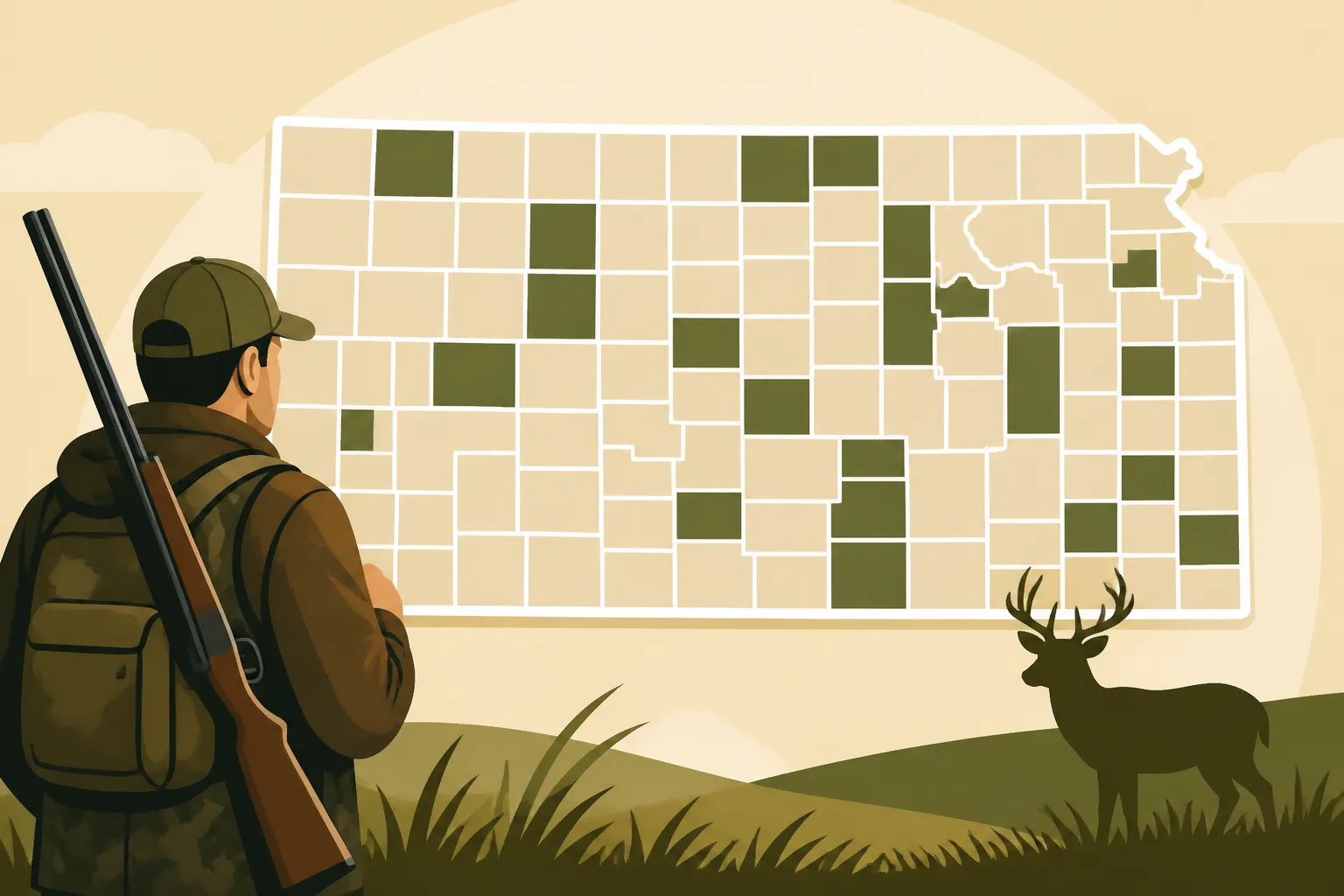
As of my knowledge cutoff, the iWIHA program is implemented in a select number of counties across Kansas, rather than every single county in the state. Historically, this has involved approximately 20 to 30 counties, with the specific list often shifting slightly from year to year as agreements with landowners are made or expire. These counties are typically found in areas that experience higher hunting pressure or where the KDWP wants to experiment with this controlled access model to improve hunt quality. You'll often find them spread across central and eastern Kansas, which tend to have more timber and higher deer densities, thus drawing more hunters. However, there are also iWIHA tracts in the western part of the state for upland birds, offering diverse opportunities.
It's vital to check the current KDWP WIHA atlas each year to see the most up-to-date list of participating counties and specific tracts. This atlas is your go-to resource for all public access land. While I can't give you a real-time count, understanding that it's a significant, but not exhaustive, portion of Kansas is key. Instead of thinking of it as "everywhere," envision it as a network of quality, managed tracts strategically placed to offer better hunting.
Here's a simplified look at how iWIHA generally compares to standard WIHA:
| Feature | Standard WIHA (General) | iWIHA (Interactive WIHA) |
|---|---|---|
| Access Method | Drive up, park, hunt | Online check-in/check-out required |
| Hunter Capacity | Unlimited (first-come, first-served) | Limited number of hunters per tract |
| Pressure Management | Minimal, relies on natural dispersion | Active management through capacity limits |
| Tract Size | Varies widely | Often smaller to medium-sized, manageable for control |
| Purpose | General public access, widespread opportunities | Quality hunt experience, pressure reduction |
| Technology Required | WIHA Atlas (paper/digital) | Smartphone/computer for Go Outdoors Kansas platform |
This table highlights Daily Capacity Limits on iWIHA Tracts which is a defining feature that sets it apart.
Why Certain Counties Are Chosen for iWIHA
The KDWP doesn't just randomly pick counties for the iWIHA program. There's a thought-out strategy behind which areas are included. Several factors play into these decisions:
- Hunter Demand and Pressure: Counties known for high hunting pressure, especially for popular species like deer and turkeys, are often prioritized. If a particular area sees a lot of traffic on its regular WIHA tracts, introducing iWIHA can provide an alternative that maintains better hunt quality. This is particularly true in areas closer to larger population centers.
- Landowner Willingness: The program relies on landowners agreeing to enroll their property. KDWP needs to identify landowners who are open to the iWIHA model, which requires slightly more oversight than traditional WIHA. The benefits to the landowner, such as reduced over-use and clearer accountability, often play a role in their decision.
- Habitat Quality and Game Populations: Tracts with excellent habitat that consistently hold good game populations are ideal candidates. By managing access to these prime spots, KDWP can ensure they remain productive for hunters. For example, a prime river bottom in eastern Kansas with good timber and agricultural fields is often a target for iWIHA.
- Specific Management Goals: Sometimes, iWIHA is used to achieve specific wildlife management objectives. For instance, in areas where deer herds might need more targeted doe harvest, a controlled access point could facilitate that without overwhelming the property.
- Geographic Distribution: While not every county is included, KDWP strives to offer iWIHA opportunities across different regions of the state to provide diverse hunting experiences, whether it's for whitetails in the east or pheasants in the west. This creates a balanced approach to Public Hunting Land in Kansas.
Understanding these factors can help you anticipate where new iWIHA tracts might pop up in the future or why certain areas remain popular year after year.
Practical Strategies for Hunting iWIHA Tracts
Now that you know a bit about the "where" and "why" of iWIHA, let's talk about the "how." Successfully hunting iWIHA ground requires a slightly different approach than your typical public land hunt, mainly because of the check-in system. However, with a little planning, it can be incredibly rewarding.
Navigating the Go Outdoors Kansas Platform
The heart of the iWIHA program is the Go Outdoors Kansas platform, which is managed by KDWP. This is where all the "interactive" magic happens. Before you even think about putting boots on the ground, you need to be familiar with this system.
First, you'll need an account on the Go Outdoors Kansas website or use their mobile app. This is where you'll find maps of all WIHA and iWIHA tracts, along with real-time information on iWIHA availability. For iWIHA, you'll see a specific symbol (often a little "i" or a different colored boundary) indicating it's an interactive tract. When you click on an iWIHA parcel, it will show you the capacity limit for that day and how many spots are currently available.
To hunt an iWIHA tract, you must electronically "check in" before entering the property. This is usually done through the website or app. It's a quick process that ensures your spot is secured and contributes to the overall management of the property. Once you're checked in, you'll see a confirmation, and the available spots for that tract will decrease by one. Similarly, when you finish your hunt, you need to "check out" from the platform. This releases your spot for another hunter and helps KDWP gather valuable data on usage. Missing this step can be a real hassle, and nobody wants to be accidentally listed as still hunting when they're already home, so definitely remember to check out. Checking In on Go Outdoors Kansas is a straightforward process once you're used to it.
Maximizing Your Success on Limited-Access Public Land
Hunting iWIHA tracts effectively goes beyond just checking in and out. Because these areas are managed for lower pressure, the opportunities can be fantastic, but they still demand smart hunting strategies.
- Pre-Scout Digitally: Before you ever leave your couch, dive into tools like the KDWP Hunting Atlas and combine it with a mapping app like onX Hunt. onX Hunt is an invaluable tool for layering public land boundaries, identifying potential bedding areas, pinch points, and food sources on or adjacent to iWIHA tracts. Look for hidden corners, small timber blocks, or creek bottoms that might not get as much attention. This digital scouting can save you countless hours of walking. Check out E-Scouting Kansas Farm Country From Home for more tips.
- Time Your Entry: Since capacity is limited, popular iWIHA tracts can fill up quickly, especially on weekends or during peak rut. If you have the flexibility, try to hunt on weekdays when fewer people are out. If you're targeting a weekend hunt, plan to check in very early, often well before legal shooting light, to secure your spot.
- Be Mobile and Adaptable: Even with limited hunters, game animals still move and respond to changing conditions. Don't be afraid to move your setup if a spot isn't producing. Mobile hunting with a saddle or lightweight climbing stand can be incredibly effective on iWIHA ground, allowing you to react to fresh sign or changes in wind direction. Consider techniques like Mobile Hunting With a Saddle in Kansas.
- Respect the Rules (and Other Hunters): Always abide by all KDWP regulations for iWIHA, including the specific check-in/check-out requirements and any rules about stand placement or vehicle access. Remember, even with capacity limits, you might still encounter another hunter. A quick, friendly wave and respecting their space goes a long way. The limited access is a privilege, and we all want to keep these programs viable for years to come.
The Evolution of Walk-In Access in Kansas
The iWIHA program is a testament to KDWP's ongoing efforts to provide quality hunting opportunities to the public while balancing the needs of landowners and wildlife. It’s a dynamic system, and its future is shaped by a combination of hunter participation, landowner engagement, and the department's strategic planning.
Future Outlook for iWIHA Expansion
The KDWP constantly evaluates the effectiveness of its access programs, including iWIHA. The success of the program—measured by landowner satisfaction, hunter usage, and feedback—will heavily influence its future expansion. If the benefits of managed access continue to outweigh the administrative effort, it's reasonable to expect that iWIHA could expand to include more counties or additional tracts within existing counties.
The department is always looking for new landowner partners. Incentives, such as financial compensation for enrolling land and the assurance of managed hunter numbers, are attractive to landowners. As more landowners become aware of these benefits, the potential for expansion grows. So, while I can't predict the exact number of counties in the future, the trend suggests a continued commitment to offering diverse and quality public access, and iWIHA plays a significant role in that vision. Continued positive experiences from hunters, and respectful use of the land, will only strengthen the program. If you're interested in Kansas Walk-In Hunting Access Explained in its entirety, there are great resources available.
Tips for Respecting iWIHA Rules and Other Hunters
The success and longevity of any public access program, especially one as thoughtfully managed as iWIHA, rely heavily on hunter ethics and respect. We're all in this together, and by following a few simple guidelines, we can ensure these opportunities remain available for everyone.
- Always Check In and Out: This is the golden rule of iWIHA. It’s not just a formality; it's how the system functions to manage pressure. Failing to check out means your spot remains occupied, potentially preventing another hunter from accessing the tract.
- Leave No Trace: Pack out everything you pack in. This includes all trash, spent casings, and any flagging or markers you use. The goal is to leave the land in the same, or better, condition than you found it. This goes hand-in-hand with Leaving No Trace on Walk-In Ground.
- Know and Follow All Regulations: Beyond the check-in system, be aware of any specific regulations for the particular iWIHA tract you're hunting. These can include restrictions on vehicle access, stand types, or specific hunting methods. Ignorance of the rules is no excuse.
- Be Courteous: If you do encounter another hunter on an iWIHA tract, a friendly nod or quiet greeting is usually sufficient. Give them space and avoid disturbing their hunt. Most hunters appreciate the effort to create a less crowded environment, so let's all do our part to uphold that.
- Report Issues Appropriately: If you notice a violation or issue on an iWIHA tract, report it to KDWP through the proper channels rather than confronting individuals yourself. This helps maintain safety and ensures the program is managed effectively.
By adhering to these principles, you not only make your own hunt more enjoyable but also contribute to the health and future of Kansas's incredible public hunting landscape.
Disclaimer
This article is for general informational purposes only and does not constitute professional advice. Laws, prices and regulations vary by location and change over time. Consult a qualified professional for guidance on your specific situation.