How iWIHA Differs From Regular WIHA
Trying to navigate public land hunting in Kansas can sometimes feel like solving a riddle, especially with the different access programs available. Many hunters get confused, wondering if "WIHA" and "iWIHA" are the same thing, or if one is just a new name for the other. The truth is, while both are fantastic initiatives designed to open up private land for public hunting, they operate with distinct differences that can significantly impact your hunting plans and experience. This guide will cut through the confusion, clearly outlining how the interactive Walk-In Hunting Access (iWIHA) truly differs from the traditional Walk-In Hunting Access (WIHA) and what that means for you when you're planning your next hunt in the Sunflower State.
Understanding Kansas's Walk-In Hunting Access (WIHA) Program
For years, the Walk-In Hunting Access (WIHA) program has been a cornerstone for hunters in Kansas looking for places to pursue deer, upland birds, turkeys, and more without needing private land permission. It's truly a game-changer for those of us who don't have endless private ground to roam, and it opens up a huge amount of opportunity.
The Foundation of WIHA: What It Is and How It Works
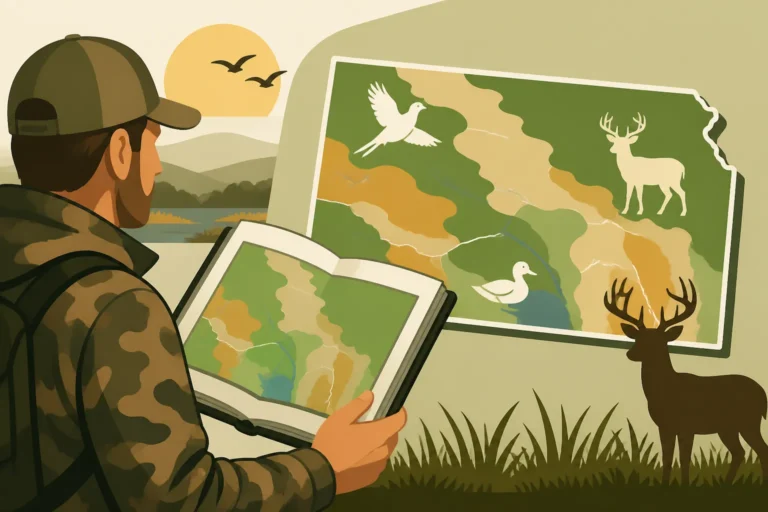
At its heart, WIHA is a cooperative program between the Kansas Department of Wildlife and Parks (KDWP) and private landowners. Landowners agree to open up their property for public hunting and fishing for specific periods, and in return, they receive an incentive. For hunters, this translates into thousands upon thousands of acres of private land suddenly becoming accessible. It’s not always pristine wilderness, mind you; often, these are working farms, fields of milo, or timber patches that might otherwise be completely locked up. The idea is to provide access, period. You identify these tracts by looking at maps provided by KDWP – often referred to as the WIHA Atlas – and then you look for the distinctive orange and black signs on the ground. When you see those signs, you know you're on a designated public hunting area, at least for the duration specified. It has truly democratized hunting for countless folks who might otherwise be shut out.
However, a common frustration with WIHA, especially on popular tracts or during peak seasons, is showing up to find several other trucks already parked. You might have driven an hour or more, poured over maps for weeks, only to find your carefully chosen spot already occupied. This can lead to a less-than-ideal experience, bumping into other hunters, or feeling like you're constantly competing for space, which frankly, isn't what any of us want when we head afield. It's a fantastic program, but it's not without its challenges in managing hunter density.
General Rules and Expectations on Traditional WIHA Land
When you step onto a traditional WIHA tract, there are some fundamental rules and expectations you need to be aware of. First and foremost, respect for the landowner's property and for other hunters is paramount. These aren't state-owned wildlife areas; they are private lands opened up for a limited time. Most WIHA tracts prohibit vehicle access beyond designated parking areas, meaning you'll often be hoofing it quite a ways to get to your hunting spot. This is where a good pair of boots and a willingness to walk really pays off.
Permanent stands, blinds, or even screw-in steps are generally not allowed unless explicitly stated otherwise or you have direct permission from the landowner, which is rare. You're usually expected to use portable gear that you set up and take down with each hunt, leaving no trace. Knowing these rules is crucial, and the Kansas Walk-In Rules and Restrictions are something every hunter should review thoroughly before heading out. The KDWP publishes an annual Getting the Kansas WIHA Atlas both online and often in print, which is your go-to resource for identifying these areas and understanding their specific rules and open dates. Always, and I mean always, check the most current atlas, as tracts can change from year to year, and regulations can be updated.
Introducing the Interactive Walk-In Hunting Access (iWIHA) Program
Recognizing some of the challenges and evolving needs of both hunters and landowners, Kansas introduced a more modern, technologically-driven solution: the interactive Walk-In Hunting Access, or iWIHA. This program is a direct evolution, designed to address some of the persistent frustrations inherent in the traditional WIHA model.
The Need for iWIHA: Addressing Hunter Pressure and Experience
The biggest pain point for many public land hunters in Kansas has always been hunter density. You plan your hunt, drive out to a promising WIHA tract, and then you pull up to find three other vehicles already there. Your heart sinks. You might decide to push on, hoping to find a less-used corner, or you might just turn around and try another spot. It's frustrating, wasteful of time and fuel, and it detracts from the quality of the hunting experience. For the KDWP, this also meant that some tracts were getting hammered with pressure, potentially affecting wildlife behavior and landowner satisfaction.
The iWIHA program was specifically designed to mitigate this. It's a forward-thinking approach that acknowledges the digital age we live in and leverages technology to create a more managed, and hopefully, a higher-quality experience for the hunter. It also gives landowners more control and assurance about how many people are on their property at any given time, which is a huge incentive for them to participate. The goal isn't to make it harder to hunt, but to make the hunting you do get to do more enjoyable and effective by spreading out the pressure.
Key Differentiators: What Makes iWIHA Interactive
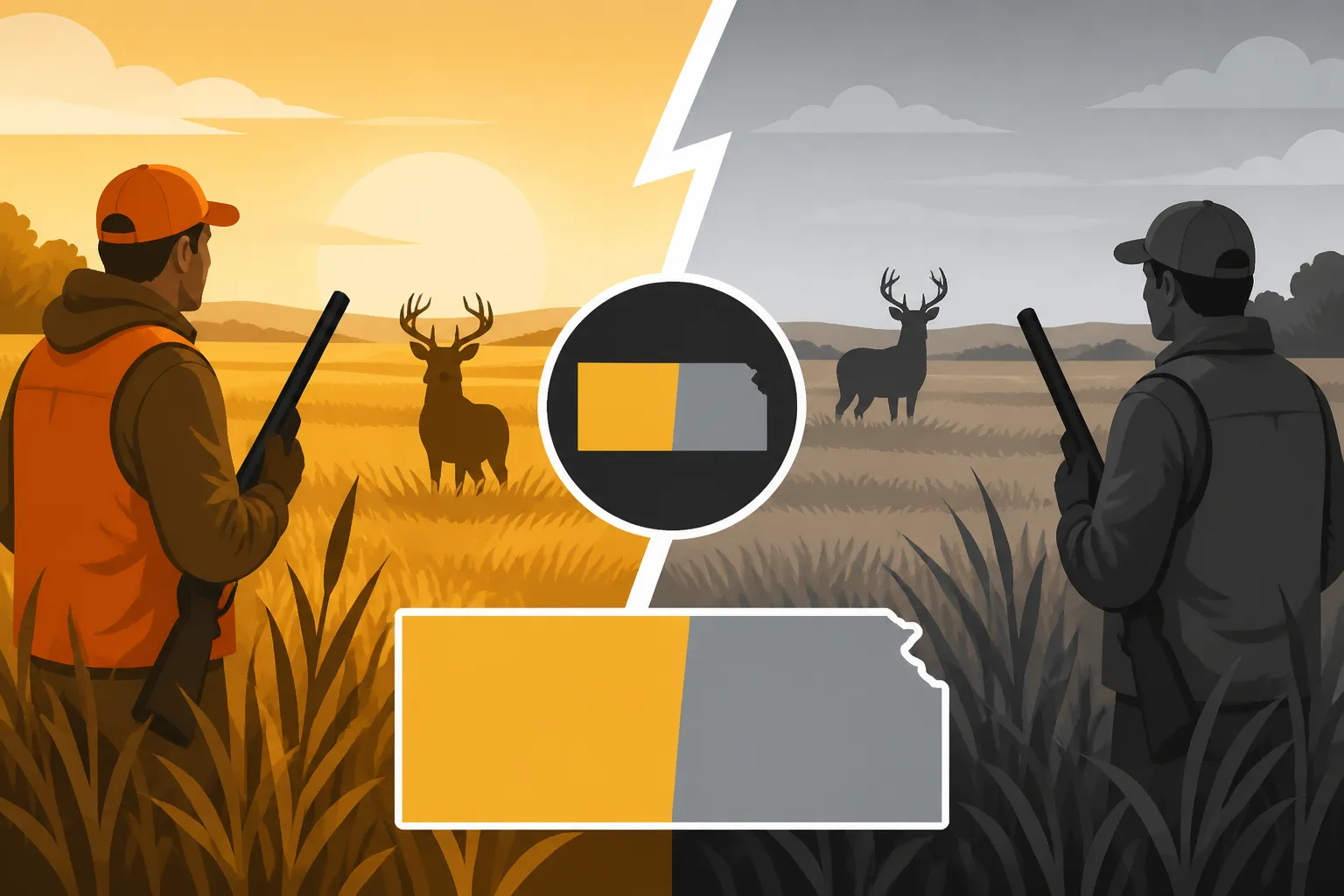
The core difference between traditional WIHA and iWIHA boils down to one word: "interactive." With iWIHA, you can't just show up and start hunting. You absolutely must check in and check out electronically using the Go Outdoors Kansas online portal or their mobile app. This is not optional; it's a mandatory step for every hunter, every time you enter or leave an iWIHA tract.
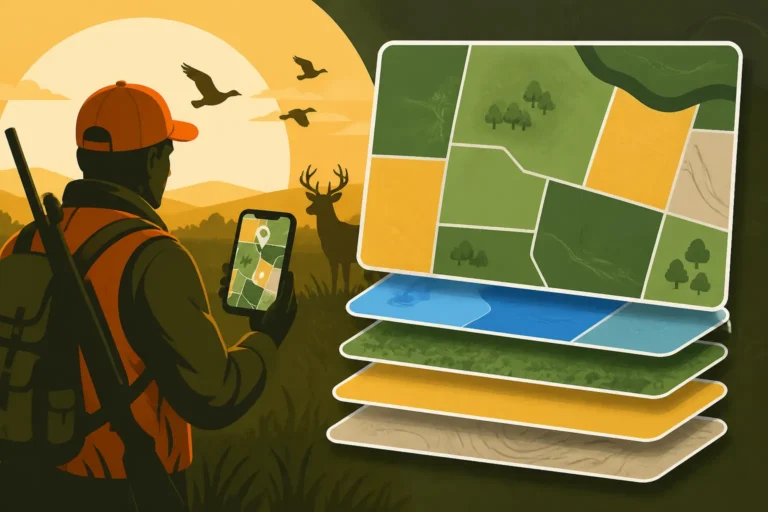
The check-in system isn't just for tracking purposes, though. It's tied to real-time capacity limits set for each individual iWIHA tract. This means that if a particular piece of iWIHA land is designated for, say, only two hunters at a time, once two hunters have checked in, no one else can check in until one of those hunters checks out. This is a game-changer for managing pressure. Imagine knowing, before you even leave your driveway, that the tract you wanted to hunt is full. It saves you the drive, the disappointment, and allows you to pivot to an alternative plan. Tools like onX Hunt and GoHunt can be incredibly helpful here, as they often integrate with KDWP data or provide layers that show public land boundaries, helping you quickly identify WIHA and iWIHA tracts and then use the Go Outdoors Kansas platform to check availability. You can check the current status of tracts and understand the Daily Capacity Limits on iWIHA Tracts right from your phone or computer, which is invaluable for planning. This means no more wasted drives, no more showing up to an overcrowded area hoping for the best.
Practical Implications for Hunters: Navigating Both Programs
Understanding the distinction between WIHA and iWIHA isn't just academic; it profoundly impacts how you plan and execute your Kansas hunting trips. Each program offers unique advantages and presents different challenges.
Planning Your Hunt: Strategy for WIHA vs. iWIHA
Your planning strategy needs to be adaptive when it comes to Kansas public land. For traditional WIHA tracts, your approach remains largely the same as it has been for years. You consult the WIHA atlas, either the physical copy or the digital version, identify promising areas, and then head out. Success often hinges on your willingness to walk further than others or to find those overlooked corners. You might want to do some preliminary e-scouting using satellite imagery to look for unpressured areas or potential terrain features. Scouting Kansas Walk-In Tracts Before the Opener is always a good idea, though you can't physically scout iWIHA or WIHA before their official opening dates. Remember that these areas can see a lot of Hunting Pressure After Opening Weekend, so planning a weekday hunt or targeting less obvious spots can pay off.
For iWIHA, however, the planning takes on a more dynamic, almost real-time element. Before you even pack your truck, you absolutely must check the Go Outdoors Kansas platform to see if your desired tract has available capacity. If it's full, you need a backup plan. This means identifying multiple iWIHA options or having some traditional WIHA tracts in mind as alternatives. The beauty of iWIHA is that if you do get checked in, you know you're one of a limited number of hunters on that property, which dramatically increases your chances of a quality experience. It demands more upfront digital interaction but promises a less crowded field experience.
Pros and Cons of Each System for the Hunter
Both WIHA and iWIHA offer valuable opportunities, but they come with their own set of benefits and drawbacks. Knowing these can help you decide which type of land to prioritize for your hunting style and target species.
| Feature | Traditional WIHA | Interactive iWIHA |
|---|---|---|
| Access Method | Show up and hunt (no check-in) | Mandatory online/app check-in/check-out required |
| Hunter Density | Unregulated; can be high, especially on popular tracts | Regulated by real-time capacity limits; typically lower |
| Planning Impact | Consult atlas, e-scout, then drive to hunt | Consult atlas, e-scout, check app for availability, then drive to hunt |
| Spontaneity | High; can decide to hunt last minute | Moderate; requires checking availability, may need backup plan |
| Discovery | Find overlooked spots by walking further | Less pressure, potentially better quality animals for those who get in |
| Technology Need | Basic mapping skills, atlas | Smartphone/internet access for check-in |
| Overall Experience | Can be hit-or-miss depending on pressure | More controlled, less crowded, potentially higher quality |
For those who value spontaneity and the freedom to explore, traditional WIHA might still be your preferred choice. There's a certain charm to just picking a spot and going, even if it means encountering more hunters. It allows for a broader range of access across the state, and you don't have to worry about a cell signal to check in. For a comprehensive overview of the entire program, check out Kansas Walk-In Hunting Access Explained.
However, if you're like me and hate driving for an hour only to find all the parking spots taken, iWIHA is a fantastic development. The regulated access means that when you do get checked in, your hunting experience is significantly improved due to lower hunter density. This can be especially valuable during peak seasons like the rut or opening day of pheasant season. It might require a bit more planning and the need for cell service, but the trade-off for a less crowded hunt is often worth it.
Maximizing Your Success on Kansas Public Access
Whether you're exploring a classic WIHA tract or navigating the new iWIHA system, your ultimate goal is success in the field. Leveraging the right tools and adopting a responsible approach can significantly boost your chances and ensure a positive experience for everyone.
Tools and Technologies for Smart Public Land Hunting
In today's hunting world, technology isn't just a convenience; it's often a necessity for public land success. For identifying and navigating both WIHA and iWIHA tracts, digital mapping applications are absolutely invaluable. onX Hunt, for example, allows you to overlay public and private land boundaries, clearly showing you where WIHA and iWIHA tracts are located, right down to the property line. This is crucial for avoiding trespass and for understanding the shape of the land you can hunt. You can mark waypoints, measure distances, and even see topography. Similarly, GoHunt often provides excellent state-specific resources that can help with overall planning, including draw odds and unit breakdowns, which can indirectly inform your public land strategy.
Beyond these, the official KDWP online hunting atlas is a fantastic (and free) resource. It's where you'll find the most up-to-date maps for all WIHA and iWIHA tracts. Many hunters still rely solely on the paper atlas, but the online version (and the Go Outdoors Kansas app for iWIHA check-ins) is dynamic and can be updated more frequently. Utilizing these digital tools for E-Scouting Kansas Farm Country From Home before you even leave the house can save you countless hours in the field. Plotting potential access points, identifying bedding cover, and figuring out travel corridors from your couch is a huge advantage. Understanding Using the Kansas Hunting Atlas Online to its fullest extent will make you a much more efficient hunter on public ground.
Respecting the Land and Other Hunters
Regardless of whether you're on a traditional WIHA tract or an iWIHA parcel, the principles of ethical hunting and good sportsmanship remain constant. We are guests on these lands, and our actions directly impact the future of these programs. Always practice "leave no trace" principles; pack out everything you pack in, and perhaps even a little more if you find trash left by others. This includes spent shell casings, food wrappers, and anything else that doesn't belong. The more pristine these areas remain, the more likely landowners are to continue their participation. Take pride in Leaving No Trace on Walk-In Ground.
Being mindful of other hunters is also paramount. With iWIHA's capacity limits, you're less likely to directly bump into someone, but it can still happen on traditional WIHA or even on the periphery of an iWIHA tract. Common courtesy goes a long way. If you see another hunter, give them space. Avoid setting up right next to someone, especially if you arrive later. Understand that Hunting Pressure Patterns on Kansas Public Land can shift quickly, and being respectful helps maintain a positive atmosphere for everyone. Ultimately, the success and continuation of both the WIHA and iWIHA programs depend on us, the hunters, being responsible stewards of the land and considerate members of the hunting community. We all benefit when these programs thrive, providing much-needed access across the state. The more we adhere to the spirit of these programs, the more valuable Public Hunting Land in Kansas will remain for generations to come.
Disclaimer
This article is for general informational purposes only and does not constitute professional advice. Laws, prices and regulations vary by location and change over time. Consult a qualified professional for guidance on your specific situation.