What Happens When an iWIHA Tract Fills
It’s happened to all of us: you’ve spent weeks poring over maps, planning your perfect hunt on a promising iWIHA tract, envisioning that sunrise walk into unpressured territory. You drive for hours, full of anticipation, only to pull up the app or see the crowded parking lot and realize… it’s full. That gut punch of disappointment is real, and it can throw your whole hunting trip into chaos. This guide is here to walk you through exactly what happens when an iWIHA tract reaches its capacity, why the system works the way it does, and, most importantly, how you can adapt and still have a successful hunt in the Sunflower State.
Understanding the iWIHA System and Its Purpose
Kansas offers incredible hunting opportunities, especially for those of us who rely on public access. The Walk-in Hunting Access (WIHA) program has been a game-changer for decades, opening up private land to public hunting. But as hunting pressure has grown, especially in prime areas, the Kansas Department of Wildlife and Parks (KDWP) introduced an innovative twist: iWIHA, or "interactive" WIHA. This system was designed to help manage hunter density and, ultimately, improve the hunting experience for everyone involved.
The Basics of iWIHA Access and Management
Traditional WIHA tracts are essentially open access; you check the signs, adhere to the rules, and you're good to go. It's fantastic, but it means that a particularly desirable tract could, in theory, see dozens of hunters show up on opening day, creating a less-than-ideal experience for wildlife and hunters alike. The iWIHA program, on the other hand, introduces a controlled access system, often requiring hunters to check in and out via an online portal or a dedicated app. This allows KDWP to monitor hunter numbers in real-time on specific tracts and implement capacity limits.
Imagine you're targeting a beautiful piece of timber tucked away in central Kansas, perhaps near a major river system. You've located it on the Kansas Online Hunting Atlas and see it's an iWIHA tract. You plan your route, pack your gear, and arrive pre-dawn, ready to slip into the woods. You attempt to check in, and suddenly, the system tells you the tract is at its maximum hunter capacity. It's a frustrating moment, making you feel like all your careful planning was for naught. It's a stark contrast to the old days where you just hoped for the best, and sometimes, the best involved seeing more orange vests than deer.
Why Capacity Limits Are Necessary
While it might feel like a personal affront when you can't access your chosen spot, these capacity limits are actually put in place for a good reason. Over-pressured public land can quickly lose its appeal and its productivity. When too many hunters descend on a small area, several things happen:
- Changes in Deer Behavior: Deer, especially mature bucks, become incredibly wary and nocturnal. They'll quickly vacate an area that sees constant human intrusion, making them harder to find and pattern. Your carefully scouted bedding areas and travel corridors become ghost towns.
- Increased Hunter Conflicts: More hunters in a confined space can lead to safety concerns, accidental trespasses, and general frustration. Nobody wants to deal with another hunter walking through their setup just after legal light, but it happens when too many people are trying to hunt the same small patch.
- Reduced Quality of Hunt: The whole point of hunting is to enjoy nature, challenge yourself, and ideally, harvest an animal. When pressure is too high, the chances of seeing game plummet, and the peaceful solitude many of us seek is replaced by constant worry about other hunters.
So, while that initial feeling of being locked out is tough, remember that these limits are an attempt to ensure a higher quality experience for those who do get in, and to prevent the tract from being "burned out" for the entire season. It's a balancing act, and KDWP is trying to preserve the resource for all.
What Happens When a Tract Reaches Capacity
So, you're there, standing at the edge of the iWIHA tract, app open, and the dreaded "Tract Full" message stares back at you. What exactly does that mean, and what are your immediate next steps? It’s not just an inconvenience; it can be a real logistical challenge, especially if you’ve traveled a long distance.
The Notification Process (or Lack Thereof)
The iWIHA system is primarily managed through the Go Outdoors Kansas app or the KDWP website. When you select an iWIHA tract, you'll be prompted to "check in" before you begin your hunt. This is where the capacity limit comes into play. If the tract has already reached its maximum number of permitted hunters for that time period, the system simply won't let you check in. It will display a message indicating that the tract is full.
There generally isn't a "waiting list" or a push notification system that alerts you when a spot opens up. The system works on a first-come, first-served basis for checking in. This means that you don't get a heads-up while you're driving down the highway. You discover it's full when you try to access it. This is why checking the app or website before you leave home, or at least before you commit to a long drive to a specific tract, is crucial. Tools like onX Hunt can help you visualize WIHA boundaries, but the actual real-time capacity is managed by the KDWP iWIHA system.
Consider this: you've set your alarm for 3:00 AM, packed your lunch, and drove an hour and a half to get to your chosen iWIHA spot, only to pull up the Kansas iWIHA Check-In Rules and find it's already at capacity. The frustration isn't just about missing the hunt; it's about the wasted time, fuel, and effort. It really drives home the need for solid backup plans.
Your Options When a Tract is Full
When an iWIHA tract is at capacity, your primary option for that specific tract is to wait for another hunter to check out. This might mean sitting in your truck for an unknown amount of time, hoping someone leaves. For many of us, especially with limited hunting days, this isn't a viable option. You're losing valuable hunting time just hoping for a slot.
However, being locked out of one iWIHA doesn't mean your hunting day is over. You have several other strategies to employ:
- Seek Another iWIHA Tract: Check the iWIHA map on your phone for nearby tracts that might still have availability. While your dream spot might be full, another one just a few miles down the road could be wide open. This requires quick thinking and flexibility in your hunt plan.
- Move to a Traditional WIHA Tract: If iWIHA is proving difficult, pivot to a traditional WIHA tract. These do not have check-in requirements or capacity limits (though they can still be busy). The Kansas Walk-In Hunting Access Explained guide can help you find suitable options.
- Explore Other Public Lands: Kansas has numerous State Wildlife Areas, Corps of Engineers lands around reservoirs, and other public hunting grounds that don't operate under the iWIHA system. These lands have their own rules and regulations, but they offer alternative hunting opportunities. Check out Kansas State Wildlife Areas or Kansas Reservoirs and Corps of Engineers Land for ideas.
Here's a quick comparison of your immediate options when faced with a full iWIHA tract:
| Option | Pros | Cons | Considerations |
|---|---|---|---|
| Wait for a Spot | Could eventually get your desired tract | Unknown wait time, wasted hunting hours | Only viable if you have ample time and no other pressing plans. |
| Find Another iWIHA | Potentially less crowded, quick pivot | May not be your preferred habitat or location | Requires constant checking of the Go Outdoors Kansas app/website. |
| Switch to Traditional WIHA | No capacity limits, often abundant land | Could still be high pressure, less controlled | Research signs carefully, understand specific WIHA rules for that tract. |
| Hunt State Wildlife Area/Other Public Land | Diverse habitats, different game opportunities | May have specific rules/seasons, could still be pressured | Consult KDWP maps and regulations for these specific areas. |
Strategies for Navigating iWIHA Capacity Challenges
Successfully hunting iWIHA tracts in Kansas requires a bit more than just showing up. It demands proactive planning, adaptability, and a willingness to use modern tools to your advantage. Thinking ahead can save you a lot of heartache and wasted time when you're out in the field.
Pre-Hunt Planning and Contingency Plans
The best defense against a full iWIHA tract is a strong offense, which means meticulous pre-hunt planning. Never put all your eggs in one basket, especially when it comes to public land.
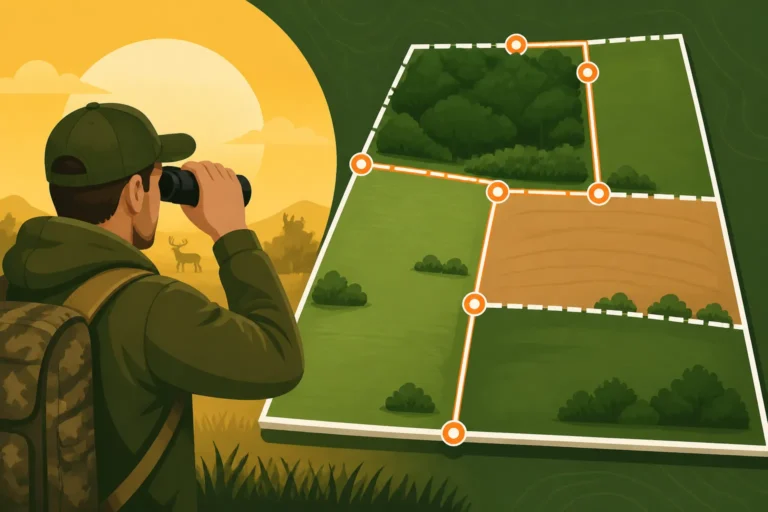
Start by identifying not just one, but several potential iWIHA tracts that interest you. Use the KDWP online hunting atlas, which you can also view within apps like onX Hunt, to pinpoint these areas. Look for tracts with different characteristics – some with more timber, some with CRP, some near water. This diversification increases your chances of finding an open spot that fits your hunting style. I always tell folks to have at least three or four viable options in a general area before I even pack the truck.
Once you have your primary and backup spots identified, dive deeper. E-Scouting Kansas Farm Country From Home is a powerful tool. Zoom in on aerial imagery, identify potential bedding areas, travel corridors, and access points. Pay attention to how deer might use terrain funnels or edges. Knowing the lay of the land for multiple tracts means you can quickly pivot if your first choice is full.
Don't forget traditional WIHA tracts either. Many hunters focus so heavily on iWIHA that they overlook perfectly good traditional WIHA, which can sometimes be less crowded purely by perception. Having a Scouting Kansas Walk-In Tracts Before the Opener strategy for both types of land will make you much more resilient. And always, always have a plan B, C, and D.
Timing Your Visits for Better Success
The timing of your hunt can dramatically impact whether an iWIHA tract is full or not. Weekends, especially opening weekends of popular seasons, are almost guaranteed to see higher pressure. If your schedule allows, consider hunting on weekdays. You'd be amazed at how much lighter the pressure can be on a Tuesday morning compared to a Saturday.
Think about specific times of day too. Many hunters head out at first light. If you're willing to hunt mid-day, or perhaps focus on an afternoon hunt, you might find that some hunters have checked out, opening up a slot. The system for Daily Capacity Limits on iWIHA Tracts is dynamic; as hunters check out, new slots become available. It's not a static number for the entire day.
I've learned that patience and flexibility are paramount. You might have your heart set on that perfect shelterbelt, but if it's full, knowing a productive Cedar Thickets as Bedding Cover or CRP Grass and Where Bucks Bed on a nearby alternative tract can save your day. Sometimes, getting there a bit later in the morning or planning an evening hunt allows you to slip into a spot that was full at first light.
Leveraging Technology for Real-Time Updates
In today's hunting world, technology is your best friend when it comes to navigating public land. The Go Outdoors Kansas app is essential for checking into iWIHA tracts, but other apps like onX Hunt can complement your planning.
While onX Hunt doesn't show real-time iWIHA capacity, it's invaluable for showing you all public land boundaries, including both WIHA and other state or federal lands. If your primary iWIHA tract is full, you can quickly scan your onX Hunt map for nearby alternative WIHA tracts or even Kansas State Wildlife Areas and plot a new course. You can also use it to confirm Finding Property Lines in Kansas if you're ever near private land, which is crucial for staying legal and respectful.
GoHunt is another platform that many serious hunters use for broader planning, especially for drawing permits and researching units. While not specifically designed for real-time iWIHA capacity, its detailed mapping features and data can inform your overall strategy for selecting promising areas to focus on that might have multiple hunting opportunities beyond just iWIHA. Utilizing these tools means you're not just reacting to a full tract; you're proactively planning around the possibility and have multiple vetted options ready to go.
Beyond iWIHA: Other Public Land Options in Kansas
Even with the best planning, sometimes iWIHA tracts just don't work out. Maybe you can't get there early enough, or the pressure is just too high regardless of the limits. Don't despair! Kansas still offers a wealth of other public hunting opportunities that can provide fantastic experiences if you know where to look.
Traditional WIHA Tracts and Their Role
Remember, iWIHA is just one part of the larger Kansas Walk-in Hunting Access (WIHA) program. There are still thousands upon thousands of acres of traditional WIHA land that operate without the check-in system or capacity limits. These tracts are marked with distinctive yellow WIHA signs and adhere to specific hunting seasons, often opening in September for archery and closing later in the year, depending on the agreement with the landowner.
The beauty of traditional WIHA is its simplicity: if it's posted, it's open for the designated season. You don't need to fumble with an app or worry about being locked out. You simply walk in, respect the land, and hunt. However, this also means they can experience high pressure, especially on prime hunting days. It’s crucial to thoroughly read the signs at each traditional WIHA tract, as specific rules for that parcel (e.g., foot traffic only, specific species allowed, camping restrictions) will be posted there. Knowing how to interpret Kansas Walk-In Rules and Restrictions is key to a successful hunt on these lands.
If your iWIHA plan falls through, having a list of nearby traditional WIHA tracts is an excellent backup. Use the KDWP Hunting Atlas (which includes all WIHA land, not just iWIHA) to pinpoint these areas. Look for tracts with varied habitat, like Milo and Corn Stubble Deer Patterns or timbered creek bottoms, which often hold deer even with some pressure.
State Wildlife Areas and Federal Lands
Kansas is home to numerous State Wildlife Areas (SWAs) and federal lands managed by the Army Corps of Engineers around large reservoirs. These are permanent public lands, distinct from the seasonal WIHA program, and they offer diverse hunting opportunities.
- State Wildlife Areas: These are properties owned and managed by KDWP specifically for wildlife conservation and public recreation, including hunting. They typically don't have iWIHA-style check-in systems (though some might have special permit draws for deer or other species, so always check their specific regulations). They can range from vast marshes to extensive timber blocks to rolling grasslands. While they can be popular, their sheer size often allows hunters to spread out. You can find more details on Kansas State Wildlife Areas and their unique characteristics. For example, some might be better known for waterfowl, while others offer great deer or upland bird hunting.
- Federal Lands (Corps of Engineers): Around many of Kansas's large reservoirs (e.g., Milford, Tuttle Creek, Cheney), the Army Corps of Engineers manages significant tracts of public land. These lands are often a mix of timber, fields, and shoreline habitat. They usually permit hunting but always check the local Corps office or their website for specific regulations, access points, and any restrictions. These areas are detailed further in resources like Kansas Reservoirs and Corps of Engineers Land.
Hunting these permanent public lands requires the same level of scouting and planning as WIHA, but they offer a valuable alternative when private lands enrolled in WIHA or iWIHA are unavailable or too crowded. You might find incredible opportunities for Upland Bird Hunting Kansas Grass and Milo Edges or even Kansas Antlerless Hunts and Filling the Freezer on these larger tracts, providing a fantastic plan B (or even plan A) for your hunting season.
The key takeaway here is never to give up on your hunt just because one specific tract is full. Kansas has a vast amount of Public Hunting Land in Kansas available, and with a little flexibility and research, you can always find another promising spot.
Navigating the iWIHA system, especially when a tract is full, can be a frustrating experience. But it's also an opportunity to deepen your understanding of Kansas's diverse hunting landscape and sharpen your adaptability as a hunter. By meticulously planning, utilizing technology, and having multiple backup options across various public land types, you can minimize disappointment and maximize your time in the field. Embrace the challenge, enjoy the journey, and happy hunting!
Disclaimer
This article is for general informational purposes only and does not constitute professional advice. Laws, prices and regulations vary by location and change over time. Consult a qualified professional for guidance on your specific situation.