Canada Geese in Kansas Cities
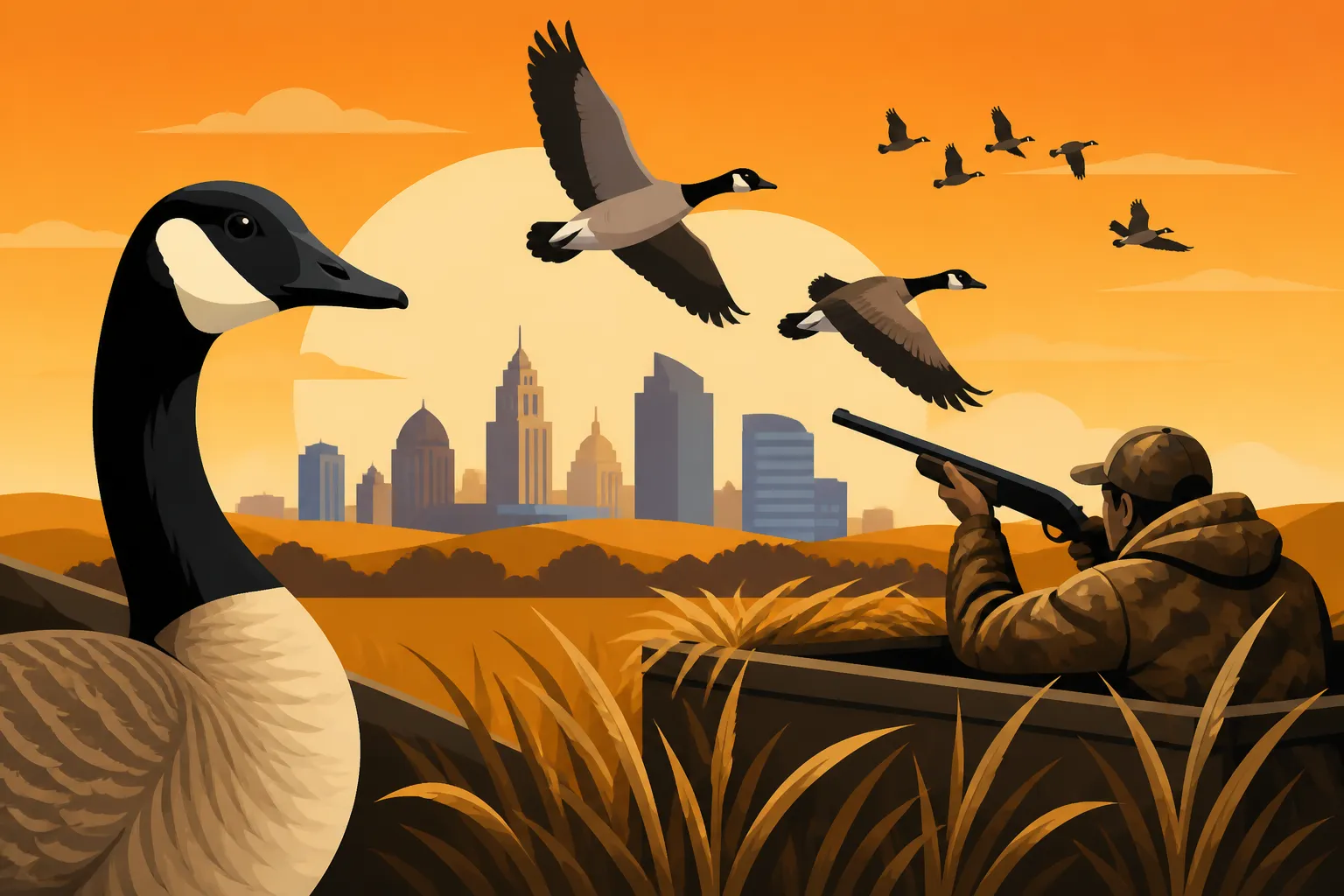
If you live in or near any of Kansas's bustling cities, you've probably noticed a common sight that’s both majestic and, let’s be honest, a little bit of a nuisance: Canada geese. What were once primarily migratory birds passing through our beautiful state are now increasingly becoming permanent residents, setting up shop in our parks, golf courses, and even neighborhood ponds. This guide is all about understanding why these impressive birds have become so comfortable in our urban landscapes, what challenges they present, and what steps individuals and communities can take to manage their presence in a thoughtful and effective way.
The Urban Magnet: Why Kansas Cities Attract Canada Geese
It might seem counterintuitive for a wild bird to thrive amidst concrete and commotion, but Kansas cities offer a surprisingly perfect haven for Canada geese. The very things we design for human enjoyment often create ideal conditions for these adaptable waterfowl, leading to burgeoning local populations that sometimes outstay their welcome.
Abundant Food Sources and Manicured Landscapes
One of the biggest draws for Canada geese in urban environments is the sheer abundance of easy, palatable food. Think about it: our parks, corporate campuses, and even many residential yards feature vast expanses of lush, manicured turfgrass. To a goose, this isn't just a lawn; it's an all-you-can-eat buffet of short, tender greens that are easy to graze on. Unlike the wild prairies where they'd have to contend with tougher, taller vegetation, urban grass is perfectly maintained for their feeding preferences.
Beyond the grass, geese also benefit, perhaps inadvertently, from human generosity and carelessness. Public feeding, while well-intentioned, habituates geese to relying on handouts, often leading them to associate humans with food. Leftover picnic scraps, dropped crumbs, and even pet food left outdoors can supplement their diet, making urban living even more appealing. These readily available food sources reduce their need to expend energy foraging, allowing them to focus on other activities like nesting and raising young. It's a much easier life than scratching out a living in a harvested cornfield or a remote prairie creek.
Safety from Predators and Human Disturbance
In the wild, Canada geese face a range of predators, from coyotes and foxes to eagles and owls, especially for their eggs and goslings. But step into a city park, and that threat landscape changes dramatically. While domestic dogs can sometimes be a nuisance, the natural predators that typically keep goose populations in check are largely absent. Cities, with their dense human populations and regulations, simply don't have the same level of predatory pressure. This means higher survival rates for adult geese and, crucially, for their vulnerable young.
Furthermore, geese are intelligent and quickly learn that humans, for the most part, pose no threat. In fact, many urban settings actively deter any form of "disturbance" that would scare wildlife. The predictable presence of people, cars, and general city noise becomes background static rather than a signal of danger. This perceived safety encourages them to settle down, establish territories, and raise families without the constant vigilance required in more untamed landscapes. It's a relaxed existence where a goose can focus on growing fat and multiplying.
Water Features and Nesting Havens
Every city seems to have its share of retention ponds, decorative lakes, golf course water hazards, and meandering creeks. For Canada geese, these aren't just scenic features; they are critical habitat. These urban water bodies provide safe roosting sites, especially at night, offering protection from land-based threats. They also serve as essential refuges during the day, providing an easy escape route if they feel threatened.
More importantly, these water features offer ideal nesting locations. Geese prefer to nest near water, often on small islands, peninsulas, or dense vegetation along the banks. The islands in many city parks, for instance, are perfect because they're inaccessible to most land predators and offer a clear line of sight for the nesting pair. The relatively mild climate in Kansas cities, combined with the protected nature of these sites, contributes to high nesting success rates. A healthy nesting season means more goslings, which, given the reduced predation, often grow into new adults, further increasing the urban goose population year after year. It's a cycle that's hard to break once established.
Understanding the Different Goose Populations in Kansas Cities
When we see Canada geese in our cities, it's easy to assume they're all the same. However, there's an important distinction to make that helps us understand their presence and how to approach their management: the difference between migratory visitors and those that have chosen to make our cities their permanent home.
Migratory Visitors Versus Permanent Residents
Kansas lies squarely within the Central Flyway, one of North America's major bird migration routes. This means that during spring and fall, we are privileged to witness incredible numbers of various waterfowl, including Canada geese, passing through our state. These migratory geese are often on their way to breeding grounds further north or wintering grounds further south. They might stop at large reservoirs, flooded farm fields, or even city lakes for a brief rest and refueling, but their ultimate destination lies elsewhere. When you see a huge V-formation high above, honking their way across the sky, those are likely the true migrants. Understanding Duck and Goose Migration Timing is crucial for appreciating this natural spectacle.
However, the Canada geese that often cause concerns in city parks and ponds are what we call "resident" geese. These are birds that, for various reasons, have foregone the migratory journey altogether. They were often born in urban or suburban areas, or they chose to settle there, finding conditions so favorable that the arduous migration became unnecessary. These resident populations are the ones that stay year-round, nesting, raising their young, and contributing to the consistent presence of geese in our municipal spaces. Their numbers are sustained not by new arrivals from distant lands, but by local reproduction.
Behaviors of Urban-Adapted Geese
The behaviors of these resident, urban-adapted geese often differ significantly from their wilder, migratory cousins. For one, they tend to be much less wary of humans. Where a wild goose might spook at the sight of a person hundreds of yards away, urban geese are accustomed to close proximity, often grazing just feet from walking paths or picnic tables. This desensitization, while allowing for some fantastic wildlife viewing opportunities, can also lead to issues.
Their feeding habits become highly localized. Instead of moving across vast landscapes to find diverse food sources, they concentrate their grazing on the most convenient and calorie-rich options available: those perfectly manicured city lawns. This focused grazing can put significant pressure on specific areas, leading to overgrazing and increased droppings. Furthermore, their nesting choices adapt. Instead of seeking out remote, secluded spots, they might choose the median of a busy highway, a small island in a corporate park pond, or even a rooftop, as long as it offers some perceived safety and proximity to water. Their entire life cycle, from nesting to molting (when they shed their flight feathers and cannot fly for several weeks), occurs within the confines of our urban areas, making their presence a constant factor in city life. Knowing about Kansas Waterfowl Hunting Kansas Reservoirs and Playas might make you think of hunting these birds, but within city limits, that's almost never an option.
Navigating the Challenges of Urban Goose Presence
While Canada geese are undoubtedly beautiful birds, their increasing presence in Kansas cities isn't without its downsides. Their sheer numbers and specific behaviors can create a variety of problems, impacting public spaces, human health, and even local ecosystems. It's not just a minor inconvenience; for many, it's a real frustration that needs addressing.
Health Concerns and Property Damage
One of the most immediate and visible issues associated with large urban goose populations is the accumulation of droppings. A single goose can produce a surprising amount of waste in a day, and when hundreds of geese congregate in a park, on a golf course, or around a pond, the ground quickly becomes covered. This isn't just unsightly; it poses genuine health risks. Goose droppings can contain bacteria like E. coli and Salmonella, as well as parasites such as Giardia and Cryptosporidium, which can contaminate water bodies and be spread to humans, especially children who play in grassy areas. Swimmers in public lakes or ponds might be exposed, and the droppings can also make walking areas slippery and hazardous.
Beyond health, there's significant property damage. Those lush, manicured lawns that attract geese so effectively? They often end up overgrazed, stripped bare, and compacted by constant trampling. Golf courses, in particular, suffer from damage to greens and fairways. Water quality in urban ponds and lakes can also deteriorate. The high nutrient content from goose droppings acts as a fertilizer, leading to excessive algae blooms that reduce oxygen levels, harm fish and other aquatic life, and make the water unappealing for recreational use. This impacts both the aesthetics and the ecological health of our urban green spaces, and it can be frustrating to see the constant need for cleanup or repair.
The Frustration of Aggressive Encounters
For many city dwellers, the biggest frustration isn't just the mess, but the change in goose behavior. Urban geese, accustomed to human presence and often emboldened by intentional or unintentional feeding, can become surprisingly aggressive, especially during nesting season. This is when ganders (male geese) are fiercely protective of their mates and goslings. They might hiss, charge, and even flap their wings at anyone they perceive as a threat to their nest or young. While rarely resulting in serious injury, these encounters can be startling, intimidating, and particularly frightening for children or pets.
Imagine trying to enjoy a walk in your favorite city park, only to have to detour around an angry gander guarding its nest, blocking a pathway, or even chasing after your dog. It detracts from the peaceful experience that these public spaces are designed to offer. This aggression is a natural instinct, of course, but when it happens in densely populated areas, it creates a conflict between human enjoyment and wildlife behavior. The birds lose their wild fear, and we lose some of the serenity of our public spaces, leading to a constant low-level tension between residents and these feathered neighbors.
Practical Strategies for Managing City Goose Populations
Dealing with established Canada goose populations in urban areas requires a multi-faceted approach, balancing wildlife welfare with human needs. There's no single magic bullet, but a combination of methods, often implemented at both individual and community levels, can make a real difference.
Non-Lethal Deterrents for Individuals and Communities
The first line of defense against urban geese typically involves non-lethal deterrents aimed at making an area less appealing to them. For individual homeowners or businesses with smaller ponds or lawns, simple measures can sometimes work wonders. Visual deterrents like Mylar balloons, reflective tape, or even plastic predator effigies (though geese often get wise to these quickly) can provide temporary relief. However, consistency is key; moving them around and introducing variety prevents geese from becoming habituated.
For larger areas like city parks or golf courses, more robust strategies are needed. Hazing involves repeatedly disturbing geese to make them feel unwelcome. This can range from using trained dogs (often border collies) specifically for goose dispersal, to employing remote-controlled boats or drones that mimic predators. The goal isn't to harm the geese, but to make their chosen spot feel consistently unsafe and annoying. GoHunt resources, while primarily for hunting, can sometimes offer insights into general wildlife behavior and patterns that might indirectly inform hazing strategies, even if specific products aren't relevant here.
Another effective strategy is habitat modification. Geese love short, easy-to-graze grass with open sightlines to water. By allowing a buffer zone of taller grass, native plants, or even installing low fences along water edges, you can make the area less attractive for grazing and provide obstructed views that make geese feel vulnerable. This breaks up their preferred habitat and can encourage them to move elsewhere. Furthermore, stopping all public feeding is paramount. Educating residents and enforcing "no feeding" rules eliminates an artificial food source that directly supports higher goose populations.
Understanding Regulations and Permitted Interventions
It's crucial to remember that Canada geese are protected under the Migratory Bird Treaty Act, a federal law. This means you can't just harass, harm, or remove geese, their nests, or their eggs without proper authorization. Any intervention beyond simple hazing requires permits, usually from the U.S. Fish and Wildlife Service, and often in coordination with the Kansas Department of Wildlife and Parks (KDWP). Trying to take matters into your own hands without permission can lead to significant legal penalties.
For communities or landowners facing severe problems, options like egg addling or nest destruction can be permitted. Egg addling involves shaking or oiling eggs to prevent them from hatching while the geese continue to incubate, preventing new goslings from entering the population without causing the adults to re-nest. This is a humane and effective way to reduce population growth over time. Relocation of geese, while sounding appealing, is often impractical and ineffective, as geese tend to return to their original site or cause problems in the new location. In rare, extreme cases, lethal removal programs might be considered, but these are highly regulated, controversial, and only pursued after all non-lethal methods have been exhausted and proven insufficient. Always check with KDWP and federal authorities before undertaking any significant management action; they can guide you through the permitting process and ensure compliance with Kansas Wildlife Violation Penalties.
| Deterrent Method | Description | Pros | Cons | Effectiveness |
|---|---|---|---|---|
| No Feeding Policy | Educating public to stop providing food. | Simple, reduces artificial food source. | Requires consistent public compliance. | High |
| Hazing (Dogs/Drones) | Repeatedly disturbing geese to make them feel unwelcome. | Can be highly effective at moving flocks. | Requires dedicated effort/personnel, costly for services. | High |
| Habitat Modification | Tall grass buffers, native plants, strategic fencing near water. | Long-term, aesthetic benefits, reduces grazing. | Requires landscape changes, geese may adapt. | Medium-High |
| Visual Deterrents | Mylar balloons, reflective tape, predator effigies. | Inexpensive, easy to deploy. | Geese habituate quickly, limited long-term effectiveness. | Low-Medium |
| Egg Addling/Oiling | Treating eggs to prevent hatching; requires permits. | Prevents population growth humanely. | Requires permits, specialized knowledge, annual effort. | High |
| Repellents (Chemical) | Non-toxic sprays making grass unpalatable. | Can protect specific areas. | Expensive, requires reapplication, not always effective for all geese. | Medium |
Community Engagement and Long-Term Solutions
Ultimately, effective management of Canada geese in Kansas cities isn't just about individual actions or short-term fixes; it requires sustained community engagement and a commitment to long-term solutions. City councils, park departments, and neighborhood associations all have a role to play in developing and implementing comprehensive goose management plans. This includes funding for professional hazing services, adopting landscape designs that naturally deter geese, and consistently educating the public.
For instance, when city parks consider new landscaping projects, they can deliberately incorporate features like dense shrubbery along shorelines, sloped banks rather than easy access points to water, and a greater variety of plant species beyond just short grass. This creates a less inviting habitat for geese. Educational campaigns, through signage, local media, and school programs, are vital to inform residents about the "no feeding" rule and why it’s so important. It helps foster a sense of shared responsibility rather than leaving the problem to a few frustrated individuals.
Regular monitoring of goose populations and the effectiveness of management strategies is also essential. What works well in one park might need tweaking in another. It's an ongoing process of adaptation and collaboration. For those who are interested in the broader context of Public Land Deer Hunting in Kansas or other game management issues, understanding how city wildlife is managed can offer valuable perspective on the intricate balance between human activity and the natural world. By working together, Kansas communities can strive for a balance where both people and wildlife, including Canada geese, can coexist in a way that respects the needs of all.
Disclaimer
This article is for general informational purposes only and does not constitute professional advice. Laws, prices and regulations vary by location and change over time. Consult a qualified professional for guidance on your specific situation.