Kansas Furharvester Licence
Navigating the world of hunting and trapping licenses in Kansas can sometimes feel like trying to untangle a stubborn fishing line – confusing, frustrating, and prone to knots if you don't know where to start. Many folks wonder exactly what kind of permit they need if they're looking to pursue furbearers, whether it's setting a few traps for raccoons or calling in coyotes. This comprehensive guide is here to unravel all those questions, laying out precisely what a Kansas Furharvester Licence entails, who needs one, and how to make sure you're properly licensed for your furbearer pursuits in the Sunflower State.
Understanding the Kansas Furharvester Licence
The Kansas Furharvester Licence isn't just another hunting tag; it's a specialized permit that opens up a unique segment of outdoor activity. It’s critical to understand its scope and purpose before you ever head afield or set steel.
Who Needs a Furharvester Licence?
If your plans involve hunting, running, or trapping any fur-bearing animal in Kansas, then yes, you absolutely need a Kansas Furharvester Licence. This isn't optional; it's a legal requirement to ensure ethical and regulated harvest of these valuable species. "Fur-bearing animals" in Kansas include a specific list of creatures, like coyotes, bobcats, raccoons, opossums, skunks, badgers, beavers, muskrats, mink, red fox, and gray fox. If you're targeting any of these animals, regardless of your method, this is your ticket to legally do so.
It’s a common misconception that if you’re only hunting coyotes, you might not need a furharvester license, especially if you possess a general hunting license. However, Kansas regulations are clear: if you are pursuing any animal specifically designated as a furbearer, the furharvester license is required. This applies whether you're stalking them with a rifle, using calls, or deploying snares and traps. The intent to take a furbearer, even if it's not for its fur but for predator control, falls under this license's umbrella.
Think of it this way: a deer license lets you hunt deer, and a turkey permit allows for turkeys. The furharvester license is the dedicated permission slip for all those other wild, furbearing critters. You wouldn't use a general hunting license to take a pheasant during pheasant season without an upland bird stamp, and similarly, you don't use a standard hunting license for furbearers if you don't also possess the proper furharvester credential.
What the Licence Allows You To Do
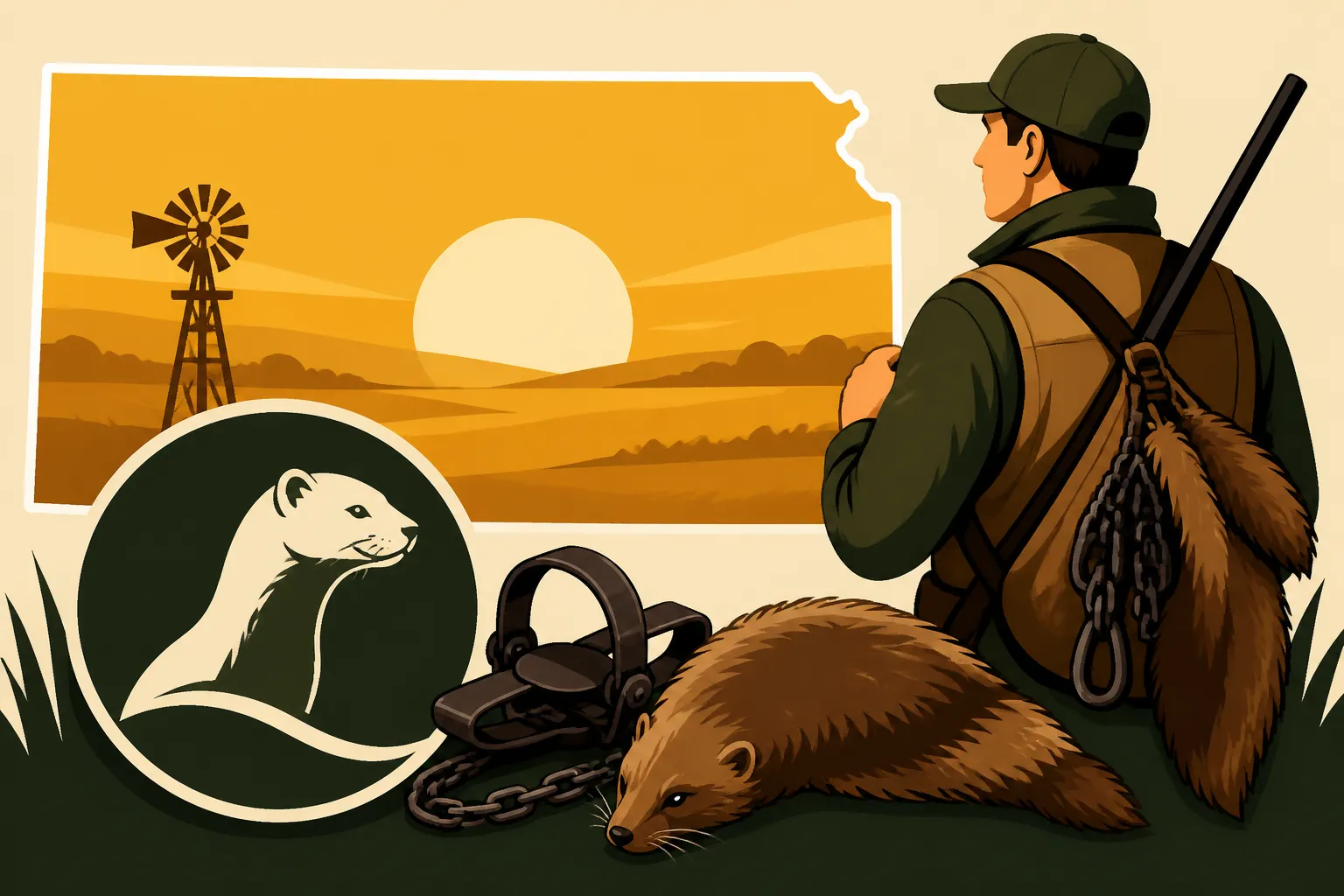
The Kansas Furharvester Licence is incredibly versatile, covering a wide array of activities related to furbearers. Essentially, it authorizes you to legally hunt, trap, or run (which often refers to using hounds to pursue and tree or bay furbearers, particularly raccoons) all the fur-bearing animals recognized by the state. This means whether you prefer the quiet strategy of setting a trapline, the active pursuit of calling in a predator, or the traditional method of running hounds at night, this single license covers your bases.
For trappers, this license is non-negotiable. It allows you to deploy various legal traps and snares, ensuring you adhere to state regulations regarding trap types, placement, and checking intervals. It’s also crucial for those who might participate in competitive events involving furbearers, such as calling contests where animals are harvested, or field trials for hounds where furbearers are pursued. The permit legitimizes your participation in these activities under state law.
Beyond the basic act of taking, the furharvester license also implicitly covers the possession and sale of raw furs taken during the legal season. This is important for those who process the pelts for personal use or to sell to fur buyers. Without the proper license, any fur harvested would be considered illegally taken, leading to potential fines and confiscation. It really is the comprehensive permission slip for all things furbearer in Kansas.
Distinguishing from Other Hunting Licenses
It's easy to get tangled up in the various licenses offered by the Kansas Department of Wildlife and Parks (KDWP), but the Furharvester Licence stands distinct from general hunting and fishing licenses. While a general Kansas hunting licence is often a prerequisite for some activities, and you might need a Kansas Hunting Licence and Permit Costs to cover your basic hunting privileges, the furharvester permit is an additional requirement specifically for fur-bearing animals. It doesn't replace your general hunting license, but rather complements it for these specific species.
For instance, if you're planning to hunt deer with a firearm, you'd need your general hunting license and a valid Kansas Resident Deer Permit Prices (or nonresident equivalent) for the appropriate unit and season. If you then decide to call coyotes on the same property, you would also need your furharvester license. The two are not interchangeable. Similarly, if you want to fish, you'd need a fishing license, which is entirely separate.
The KDWP has structured its licensing to ensure that specific activities are covered by specific permits, allowing for better management and data collection on harvest numbers for each species group. So, while you might hold a general hunting license for chasing upland birds like pheasants or quail, or a special tag for Kansas Spring Turkey Permits and Units, none of these, on their own, authorize you to trap a beaver or hunt a bobcat. Always make sure you have the correct permit for the game you intend to pursue.
Eligibility and Application Process
Getting your Kansas Furharvester Licence is a straightforward process, but understanding the eligibility requirements and application steps is key to avoiding any last-minute hiccups.
Residency Requirements and Age Restrictions
Kansas, like most states, differentiates between residents and nonresidents when it comes to licensing, often with significant price differences. To qualify as a Kansas resident for licensing purposes, you generally need to have maintained your domicile in Kansas for at least 60 days immediately prior to applying for a license or permit. This isn't just about owning property; it's about making Kansas your principal home, where you generally live and conduct your affairs. Specific rules apply for military personnel and students, so if you're in one of those categories, it's wise to double-check the KDWP regulations.
Age restrictions also apply. Anyone 16 years of age or older needs a furharvester license to pursue furbearers. However, for those under 16, there are some exceptions and requirements. Junior hunters, for example, might qualify for a reduced-cost Kansas Junior Hunter Licence Rates which can be combined with other permits. Even if a license isn't required for younger participants, they must still abide by all season dates, bag limits, and legal methods, and often need to be accompanied by a licensed adult. It's crucial for parents or guardians to educate themselves on these rules to ensure their young hunters are compliant and safe.
For nonresidents looking to enjoy Kansas's furbearer opportunities, the process is similar but typically involves a higher fee structure. You'll still need to meet the age requirements, and you'll purchase the nonresident version of the furharvester license. Keep in mind that securing your Kansas Nonresident Hunting Licence Price is usually a precursor to purchasing any specialized nonresident permits like the furharvester license. Always check the current year's regulations for any changes, as these can be updated annually.
Step-by-Step Application Guide
Applying for your Kansas Furharvester Licence is thankfully quite simple in the digital age. The most convenient method for many is through the KDWP's online licensing system.
Here’s how it generally works:
- Visit the KDWP Website: Head to the official Kansas Department of Wildlife and Parks website. Look for the "Licenses & Permits" section.
- Create or Log In to Your Account: If you don't already have one, you'll need to create a customer account. This usually involves providing personal details like your name, date of birth, address, and often your social security number (for identification and compliance with federal regulations). If you've purchased licenses before, you'll simply log in to your existing profile.
- Select the Furharvester Licence: Once logged in, navigate to the list of available licenses and select the "Furharvester License." Make sure you choose the correct resident or nonresident option.
- Add to Cart and Checkout: Review your selection, add it to your shopping cart, and proceed to checkout. You'll enter your payment information (credit or debit card) to complete the purchase.
- Print or Save Your License: After a successful transaction, you'll typically be able to print your license immediately or save a digital copy to your phone. Many states now allow digital proof of license, but always check the current KDWP regulations to confirm if a physical copy is required for any specific activity. Some hunters even use apps like GoHunt to manage their digital licenses and scout hunting areas, providing a convenient way to keep all their permits organized.
For those who prefer not to apply online, licenses can also be purchased in person at KDWP offices or through authorized license vendors across the state, such as bait shops, sporting goods stores, and some convenience stores. Just bring a valid ID and be prepared to provide the necessary personal information. While online is often quickest, in-person allows you to ask questions if you have them.
Important Deadlines and Validity Periods
Unlike some draw-based permits, the Kansas Furharvester Licence is generally available for purchase over-the-counter throughout the year. However, its validity period is tied to the state's license year, which typically runs from January 1st to December 31st. This means a license purchased in July will expire on December 31st of that same year, not a full year from the purchase date. It's crucial to understand this so you don't accidentally find yourself unlicensed mid-season.
While there isn't a "deadline" to purchase the license itself, you must possess a valid license before you begin any furharvesting activities. The season dates for various furbearers are often quite specific and can vary by species and method (e.g., trapping versus hunting). Missing these dates, or attempting to harvest without a current license, can lead to serious Kansas Wildlife Violation Penalties.
It’s a good practice to purchase your furharvester license, along with any other annual hunting or fishing licenses, at the beginning of the calendar year, or well in advance of the furbearer seasons you plan to participate in. This ensures you're covered for any opportunities that arise throughout the year and avoids the scramble to get licensed right before a cold front moves in.
Costs, Regulations, and Important Considerations
Getting your license is just the first step. To be a responsible and effective furharvester in Kansas, you need to understand the financial investment, the specific rules of engagement, and the broader ethical implications of your activities.
Furharvester Licence Fees
The cost of a Kansas Furharvester Licence varies depending on your residency status. For Kansas residents, the fee is typically quite reasonable, designed to be accessible to those who live in the state and contribute to its economy and conservation efforts. These fees contribute directly to the KDWP's budget, helping fund wildlife management programs, habitat improvements, and law enforcement.
For nonresidents, the fee is significantly higher. This is a common practice across states, as nonresidents often utilize state resources without contributing through property taxes or other local fees. This higher cost reflects the value of the hunting and trapping opportunities Kansas offers to out-of-state visitors. It’s always a good idea to check the current year’s fee schedule directly on the KDWP website or through their licensing portal, as prices can change. If you're managing all your license needs, tools like GoHunt can sometimes provide up-to-date fee information alongside application periods, making it easier to budget for your outdoor adventures.
It's also worth noting that in some cases, additional federal stamps or permits might be required for certain activities, though this is less common for general furbearer hunting and trapping than it might be for migratory waterfowl. Always ensure you've accounted for all necessary permits and stamps to avoid any legal issues.
Key Regulations for Furharvesting in Kansas
Kansas has a detailed set of regulations governing furharvesting, and it's imperative that every hunter and trapper is intimately familiar with them. These rules cover everything from legal methods of take to season dates and bag limits.
- Legal Methods: For trapping, specific trap types (e.g., foot-hold traps, snares, conibear-type traps) are often regulated by size and placement. For instance, snares may have specific break-away devices required, and traps set near public roads might need to be concealed. For hunting, legal weapons generally align with general hunting regulations, but specific rules might apply to night hunting for certain furbearers like raccoons or coyotes. Make sure you know the Night Hunting Rules for Coyotes in Kansas if that's your pursuit.
- Season Dates: These are perhaps the most critical regulations. Each furbearer species has a defined season, and it can differ for hunting versus trapping. For example, Kansas Bobcat Season and Fur Handling might run from late fall through winter, but exact opening and closing dates are published annually. You cannot legally harvest a furbearer outside its designated season.
- Bag and Possession Limits: While many furbearers like coyotes might not have daily or possession limits, some species, particularly those with higher fur value or more sensitive populations, might have restrictions. It's rare for Kansas furbearers to have strict bag limits like deer or turkey, but always verify for each species you pursue.
- Reporting: Some species, particularly bobcats, may require mandatory harvest reporting or even tagging, even after the initial electronic check-in. This data is vital for KDWP to monitor populations and set future regulations.
- Trap Tagging and Checking: If you're trapping, your traps must be visibly tagged with your KDWP number or name and address. Traps also usually have strict checking intervals, often every 24 hours, to ensure animal welfare and deter poaching.
The Go Outdoors Kansas website and the annual Kansas Hunting and Trapping Regulations Summary are your go-to sources for the most current and detailed information. Never rely on outdated information or hearsay; always consult the official regulations.
Ethical Practices and Best Management
Beyond simply following the law, ethical conduct and best management practices are cornerstones of responsible furharvesting. The public perception of trapping and predator hunting can be sensitive, and upholding high ethical standards helps ensure these traditions continue.
- Trapping Safety and Animal Welfare: When trapping, minimizing animal suffering is paramount. This means using appropriate trap sizes for the target species, setting traps in ways that prevent injury, and checking traps frequently as required by law (e.g., every 24 hours). Proper trap placement also minimizes the chance of catching non-target animals or domestic pets.
- Carcass Disposal: If you harvest an animal and don't intend to use its fur or meat, proper and discreet carcass disposal is important. Leaving carcasses visible near roads or public access points can generate negative public sentiment and potential health hazards. Burying, deep water disposal (where allowed), or proper composting are often preferred methods.
- Respect for Landowners and Other Users: Whether on public or private land, always treat the property with respect. If hunting or trapping on private land, ensure you have explicit permission. On public lands, be mindful of other users, including hikers, birdwatchers, and other hunters. Being considerate helps maintain positive relationships and preserves access for everyone. For specific strategies on Coyote Calling in Open Kansas Country, remember that visible activity can attract attention, so conduct yourself professionally.
- Knowledge of Species: Understand the behavior, habitat, and biology of the furbearers you pursue. This not only makes you a more effective hunter or trapper but also ensures you're making informed, ethical decisions in the field. Knowledgeable hunters are better conservationists.
Species Covered and Season Dates
Kansas is home to a diverse array of furbearers, offering ample opportunities for those with a furharvester license. Understanding which species are covered and when their seasons are open is crucial for successful and legal pursuits.
Common Furbearers in Kansas
When you secure a Kansas Furharvester Licence, you're permitted to pursue a specific list of mammals. These include:
- Coyote: Ubiquitous across the state, coyotes are a popular target for predator hunters. They can be found in virtually all habitats, from timbered river bottoms to open prairie and agricultural fields. Kansas has a healthy population, making them a year-round target for licensed furharvesters.
- Bobcat: A more elusive and valuable furbearer, bobcats are found throughout Kansas, though often in lower densities than coyotes. They prefer areas with good cover like dense timber, rocky outcrops, and brushy draws. Trapping and calling are common methods for pursuing bobcats.
- Raccoon: Extremely common, especially near water sources and agricultural areas, raccoons are a staple for many trappers and hound hunters. They are adaptable and thrive in many Kansas environments.
- Opossum: Often found in similar habitats to raccoons, opossums are another common furbearer, typically targeted by trappers.
- Skunk (Striped and Spotted): While primarily known for their defense mechanism, skunks are also classified as furbearers and are often caught incidentally by trappers or targeted for their fur.
- Badger: These powerful excavators are found primarily in the western and central parts of Kansas, preferring open grasslands. They are less common targets but are included on the furbearer list.
- Beaver: Abundant in many Kansas waterways, beavers can be both a valuable furbearer and a nuisance animal due to their dam-building activities. They are primarily taken by trapping. You can find out more about Beaver and Otter in Kansas to better understand their behaviors.
- Muskrat: Smaller aquatic furbearers, muskrats are found in marshes, ponds, and streams across the state and are popular among trappers.
- Mink: Another semi-aquatic furbearer, mink are sleek predators found along waterways and are a prized catch for trappers.
- Red Fox and Gray Fox: Both species of fox are found in Kansas, with red fox generally preferring more open country and gray fox favoring timbered areas. They are highly sought after for their fur.
Understanding the habits and habitats of each of these animals is crucial for successful furharvesting. Learning about Kansas Furbearer Harvest Numbers can also give you an idea of population trends and where certain species might be more prevalent.
Understanding Kansas Trapping Season Dates
Kansas's trapping seasons are typically set to coincide with the prime fur condition, usually when pelts are thickest and most valuable in the late fall and winter months. The exact dates can shift slightly each year, so always confirm with the current KDWP regulations summary.
Generally, the trapping season for most furbearers, including raccoons, opossums, skunks, badgers, beavers, muskrats, and mink, opens in early November and runs through late February or early March. Species like bobcat and fox often share similar seasons. Coyotes are a notable exception, as they typically have a continuous open season for trapping, though rules might still apply regarding checking intervals and trap types.
These season dates are meticulously planned by KDWP wildlife biologists to ensure the sustainability of furbearer populations while maximizing opportunities for trappers when fur quality is at its peak. Trapping outside these designated windows is illegal and detrimental to wildlife management efforts.
Hunting Seasons for Furbearers
While trapping has specific seasons, the hunting regulations for many furbearers can be more flexible, though still requiring the furharvester license.
- Coyotes: These adaptable predators generally have an open hunting season year-round in Kansas. This means you can pursue coyotes with a firearm, archery equipment, or calls throughout the calendar, provided you have your furharvester license. This extended season allows for flexible predator control and recreational hunting opportunities. However, specific rules about legal hunting hours (e.g., Night Hunting Rules for Coyotes in Kansas) and methods (e.g., using artificial lights) must still be followed.
- Bobcats, Foxes, Raccoons, Opossums, Skunks, Badgers: The hunting seasons for these furbearers generally run concurrently with the trapping seasons, opening in early November and extending through winter. This allows hunters to pursue them during their prime fur-bearing period. Raccoons, in particular, are often pursued at night with hounds, and specific regulations apply to this activity. For species like raccoons, understanding Raccoon Numbers and Hunting trends can help you plan your hunts.
Always remember that even with an open hunting season, you are still bound by general hunting laws regarding safety, property access, and ethical conduct. A furharvester license is your key to unlocking these opportunities, but responsible execution is entirely up to you.
Conclusion
Obtaining and understanding your Kansas Furharvester Licence is a fundamental step for anyone looking to legally and ethically pursue the state's diverse furbearer populations. From coyotes to raccoons and beavers, this specialized permit is your gateway to trapping, hunting, or running these animals. By familiarizing yourself with the eligibility, application process, fees, and species-specific regulations, you ensure a compliant and rewarding experience in the field. Remember, responsible furharvesting contributes to healthy wildlife populations and preserves a rich outdoor heritage for future generations.
Disclaimer
This guide is intended for informational purposes only and should not be considered legal advice. Hunting and trapping regulations are subject to change, and it is the responsibility of each individual hunter or trapper to consult the most current official Kansas Department of Wildlife and Parks (KDWP) regulations prior to engaging in any furharvesting activities. Always ensure you are in full compliance with all local, state, and federal laws.