How Old Kansas Bucks Get Before Harvest
It's a common question that swirls through the minds of hunters, especially those of us who spend our seasons in Kansas: just how old are the bucks we're chasing, and how does this state manage to produce such mature animals? When you pull the trigger or release an arrow on a deer, you're not just taking a magnificent animal, you're often completing the story of a whitetail that has navigated several seasons. This guide will help you understand the age structure of Kansas bucks, the elements that contribute to their longevity before harvest, and how you can estimate their age in the field.
Understanding Whitetail Deer Age Classes in Kansas
When we talk about the age of a whitetail buck, we're really looking at a spectrum. Deer mature at different rates based on genetics, habitat, and nutrition, but there are general age classes that wildlife biologists and seasoned hunters use to categorize them. In Kansas, where agriculture provides a rich food base, bucks often hit their prime antler growth a bit earlier than in less fertile regions.
Visual Cues for Aging Bucks
One of the most valuable skills a deer hunter can develop is the ability to estimate a buck's age on the hoof. This isn't just for bragging rights; it helps you make informed decisions about your harvest. A yearling buck, often called a "spike" or a "fork horn," will typically have a relatively slender body and long legs, giving it a somewhat gangly appearance. Its neck often blends smoothly into its shoulders, without the pronounced bulk of an older deer. These younger bucks are still growing into their frame and are dedicating a lot of their energy to body development rather than massive antler growth.
As a buck enters the 2.5-year-old class, you'll start to see a bit more muscle definition, particularly in the shoulders and hindquarters. The antlers will usually be more substantial than a yearling's, showing more points and mass. However, the body still retains a relatively sleek look, and the neck is not yet fully swelled during the rut. Moving into the 3.5-year-old category, the buck starts to look more like a mature animal. Its body will be noticeably thicker, and the legs won't appear as disproportionately long. The neck will begin to show significant swelling during the rut, creating a more pronounced "barrel-chested" appearance. These bucks are often still increasing their antler size year over year, making them exciting targets.
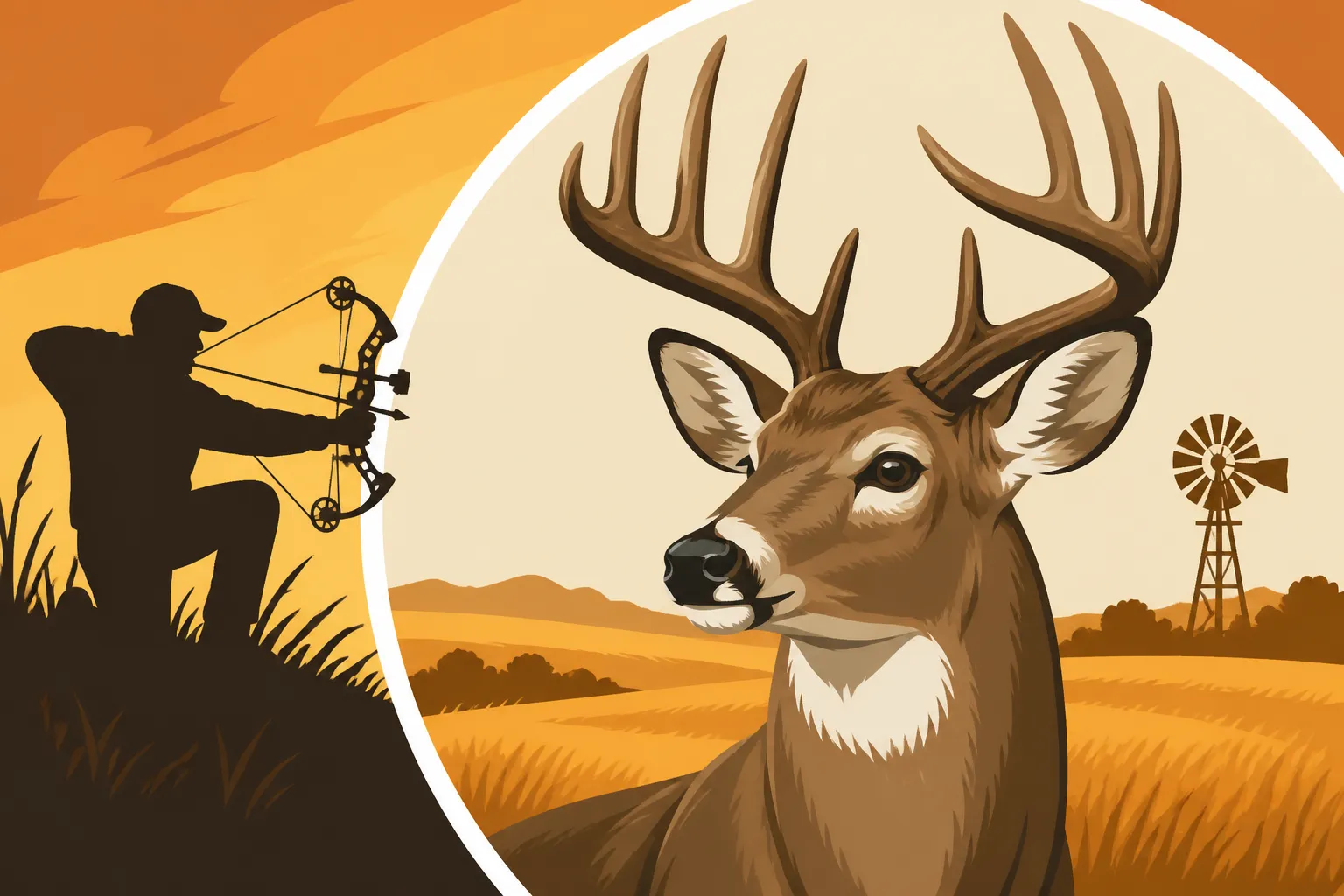
For bucks 4.5 years and older, you're looking at a truly mature animal. Their bodies will be deep and heavy, with a thick, powerful neck that often appears almost as wide as their shoulders, especially during the breeding season. Their legs can seem shorter in comparison to their massive body. Antler size might have peaked, or they might be in a stable prime, showing impressive mass and spread. Learning these subtle body cues is a game-changer when you're trying to practice selective harvesting. It takes practice, but the more time you spend observing deer, the better you'll become.
The Significance of Age Structure
Understanding the age structure of a deer herd is critical for wildlife management and for hunters. A healthy age structure means there's a good representation of various age classes, not just young deer. This allows bucks to reach older ages, maximizing their antler potential and ensuring a robust breeding population. In Kansas, the focus has historically been on maintaining a healthy, balanced herd, which indirectly contributes to bucks living longer. When you consider Why Kansas Grows Trophy Whitetails, this balance of nutrition, genetics, and age plays a huge role.
Without a good distribution of mature bucks, the breeding cycle can become skewed, potentially leading to less efficient breeding by younger, less experienced bucks. Conversely, too many older bucks without enough younger animals coming up can also signal an issue. For hunters, knowing the age structure helps set realistic expectations for what kind of bucks are available in a given area. You might also want to explore Kansas Deer Herd Numbers by Unit to get a better sense of overall population dynamics in different regions of the state.
Factors Influencing Buck Age at Harvest in Kansas
Several interconnected factors determine how old a Kansas buck gets before it's harvested. It's a delicate balance of biology, environment, and human interaction that shapes the age profile of the deer herd.
Hunting Pressure and Hunter Choices
One of the most significant influences on buck age is hunting pressure. In areas with high hunting pressure and a strong tradition of harvesting younger bucks, the average age at harvest will naturally be lower. Conversely, where hunters are more selective, either by choice or due to management regulations, bucks have a greater chance of reaching older age classes. Kansas has a unique blend of these factors. While it's a popular hunting destination, especially for non-residents drawn by the potential for trophy whitetails, there are also vast stretches of private land where landowners often implement their own management strategies, which can include passing on younger bucks.
The choices individual hunters make play a massive role. If a majority of hunters decide to let younger bucks walk, those deer obviously get another year or two to grow. This voluntary restraint, even without strict antler point restrictions (APRs) in many parts of Kansas, contributes to the state's reputation. Hunters often use resources like GoHunt to research units and understand the potential for encountering mature deer, which encourages them to hold out for older bucks. This kind of research helps them align their expectations with the opportunities available, fostering a culture of selective harvesting.
Habitat and Nutrition
Kansas is an agricultural powerhouse, and this abundance of food translates directly into deer health and growth. High-quality nutrition from corn, soybeans, alfalfa, and winter wheat fields means bucks can dedicate more energy to body growth and antler development. This isn't just about growing big antlers; it's about robust health that allows them to better withstand harsh winters, disease, and the rigors of the rut. Bucks that are well-fed are simply more resilient and have a higher survival rate into older age classes.
Beyond agricultural fields, Kansas offers diverse natural habitats, including timbered river bottoms, creek draws, and dense CRP (Conservation Reserve Program) grasslands. These areas provide crucial cover for bedding, escape, and fawning, further enhancing survival rates. A buck that has good cover where it can avoid predators and human disturbance is more likely to live longer. The combination of ample food and secure cover is a winning formula for producing mature whitetails. The fertile soils of Kansas, as discussed in Soil Fertility and Antler Growth, directly impact the quality of forage available, which then impacts the deer.
Management Strategies
The Kansas Department of Wildlife, Parks and Tourism (KDWP) employs a variety of management strategies to maintain healthy deer populations. While Kansas largely avoids state-mandated antler restrictions across most units, the permit system itself, particularly for non-residents, plays a role. The limited number of non-resident permits, obtained through a draw, naturally limits overall hunting pressure. This selective access, detailed in articles like Kansas Deer Permits and the Nonresident Draw, means fewer hunters overall, which can indirectly allow more bucks to reach maturity.
Furthermore, KDWP encourages the harvest of antlerless deer through specific permits and seasons. By managing doe numbers, the state helps balance the herd with the available habitat, ensuring that all deer, including bucks, have access to sufficient nutrition. This balanced approach helps prevent overpopulation and stress on the deer herd, which can stunt growth and reduce overall health. When does are kept in check, bucks don't have to compete as intensely for food resources, contributing to their ability to grow bigger and older.
Why Kansas Bucks Reach Maturity More Often
Kansas has earned its reputation as a premier destination for trophy whitetails, and it's not by accident. Several factors converge to create an environment where bucks have a better chance of reaching older age classes compared to many other states.
Lower Hunter Density
While Kansas sees a fair number of hunters, especially during prime rut periods, the overall hunter density is often lower than in more populated, heavily hunted states. This simply means that individual bucks encounter fewer hunters throughout their lives. Less pressure allows deer to establish more predictable patterns, use larger home ranges, and be less stressed, which contributes to their overall health and longevity. It's a simple equation: fewer hunters in the woods means a higher chance for a buck to survive another season.
The vastness of Kansas, combined with significant acreage in private ownership where hunting access might be more controlled, also plays a part. Many landowners in Kansas manage their properties for quality deer hunting, often by limiting the number of hunters or encouraging the harvest of specific age classes, allowing younger bucks to walk. This private land management effectively creates pockets where deer can age largely undisturbed by constant hunting pressure.
Abundant and Diverse Food Sources
We've touched on it, but it bears repeating: Kansas's agricultural landscape is a buffet for deer. The endless fields of corn, soybeans, milo, and wheat provide a consistent, high-energy diet that fuels rapid growth. This isn't just about quantity; it's about the quality of nutrition. High-protein crops contribute directly to body mass and superior antler development. Bucks that receive excellent nutrition from birth are healthier, grow faster, and are better equipped to handle the demands of their environment, including the stress of the rut and harsh weather.
Beyond the row crops, Kansas also boasts native grasslands, timbered river bottoms, and CRP fields that offer a diverse forage base and crucial cover. This varied diet ensures deer get all the necessary minerals and nutrients for optimal health. A buck doesn't just need food; it needs the right food, and Kansas largely provides it in spades. This rich nutritional environment is a key reason Kansas Whitetail Body and Antler Size can be so impressive.
Hunter Mindset and Management Culture
While not always codified in law, there's a strong culture among many Kansas hunters, both resident and non-resident, that emphasizes quality over quantity. The desire to harvest a truly mature, trophy-class buck often leads to self-imposed restraint. Hunters who have put in the time and effort to secure a coveted Kansas tag are often willing to pass on younger bucks in hopes of encountering a genuine monarch. This collective mindset, reinforced by the potential for big deer, creates a de facto management strategy that benefits the entire herd.
Even without statewide antler restrictions, this approach contributes significantly to the state's success in producing older bucks. Resources like the Kansas Hunting Atlas and tools on GoHunt allow hunters to research specific units, helping them choose areas known for producing mature deer. This informed approach further promotes a selective hunting philosophy. Many hunters also rely on data from KDWP's Deer Harvest Survey Data in Kansas to understand herd trends and success rates, further shaping their approach to ethical and effective hunting.
Estimating a Buck's Age in the Field and After Harvest
Being able to age a buck accurately is a skill that takes time to develop, but it's incredibly rewarding. It allows you to make better decisions in the field and provides a deeper appreciation for the animal you're pursuing.
Field-Aging Techniques: Body Characteristics
As mentioned earlier, judging a buck's age in the field relies heavily on observing its body characteristics. It's a dynamic process, as a buck's appearance can change throughout the year, especially from early season to the peak of the rut. During September and early October, before the rut truly kicks in, even a mature buck might look a bit lankier. However, as the rut approaches and testosterone levels surge, older bucks will develop a significantly swelled neck and a much thicker, heavier body.
Here's a quick reference table for general body characteristics:
| Age Class | Body Appearance | Neck Appearance (during rut) | Antler Potential | Leg-to-Body Proportion |
|---|---|---|---|---|
| 1.5 years | Lean, gangly, "leggy," little muscle definition | Thin, blends smoothly into shoulders | Small (spikes, fork horns), narrow spread, minimal mass | Long and prominent |
| 2.5 years | More filled out, visible muscle, legs still appear somewhat long | Slightly thicker than yearlings, but not fully swelled | Decent mass, wider spread, 6-8 points common | Still appears long |
| 3.5 years | Stocky, well-muscled, deep chest, belly may sag slightly | Noticeably swelled, distinct from shoulders | Good mass and spread, often reaching typical potential | Balanced |
| 4.5+ years | Heavy, "barrel-chested," short-legged appearance, saggy belly | Very thick, often appears as wide as shoulders or wider | Prime antler mass, spread, and tine length, may decline in very old bucks | Appears shorter |
Remember, these are guidelines. Factors like habitat quality can influence these characteristics. A 3.5-year-old buck in poor habitat might look more like a 2.5-year-old in prime Kansas farm country. Observing deer over time, ideally with binoculars or a spotting scope, helps train your eye. You can learn a lot about how bucks move and grow by regularly Reading a Kansas Creek Bottom for Deer Sign or by scouting other typical deer habitats.
Jawbone Aging After Harvest
The most accurate way to age a harvested deer is by examining its teeth, specifically its jawbone. This method is often done by wildlife biologists or seasoned hunters who know what to look for. Deer have a specific dental eruption and wear pattern that changes with age. Yearlings will have distinct patterns of erupting teeth, while older deer show increasing wear on their molars.
For a 1.5-year-old, the third molar will typically have three cusps, and the milk premolars may still be present. By 2.5 years, all permanent teeth are usually in, but the wear on the molars is minimal. At 3.5 years, you'll start to see noticeable wear on the cusps of the first molar, with the dentine (the darker inner material of the tooth) showing prominently. As deer get older, say 4.5 years and beyond, the wear on the molars becomes increasingly significant, with the cusps wearing down almost to the gum line in very old deer. While this isn't something most hunters do in the field, it's a valuable post-harvest technique that can confirm your field observations and add to your overall understanding of deer age structure.
Utilizing Tools for Age Data
In today's hunting world, technology can also assist in understanding buck age structures. While you can't age an individual buck with an app, platforms like GoHunt often provide data and analysis on herd health and age classes within specific units or regions. This aggregated data, derived from harvest reports and biological surveys, can give you a better idea of the probability of encountering mature bucks in a particular area before you even set foot in the woods.
When you're doing your pre-season scouting, whether it's through E-Scouting Kansas Farm Country From Home or on the ground, understanding the general age potential of an area can help you tailor your strategy. Knowing that a unit tends to produce older deer might encourage you to be more patient, while a unit with a younger age structure might shift your focus to filling the freezer. Ultimately, the more informed you are about deer age, the more successful and fulfilling your Kansas hunting experience will be.
Disclaimer
This article is for general informational purposes only and does not constitute professional advice. Laws, prices and regulations vary by location and change over time. Consult a qualified professional for guidance on your specific situation.