When the Whitetail Rut Peaks in Kansas
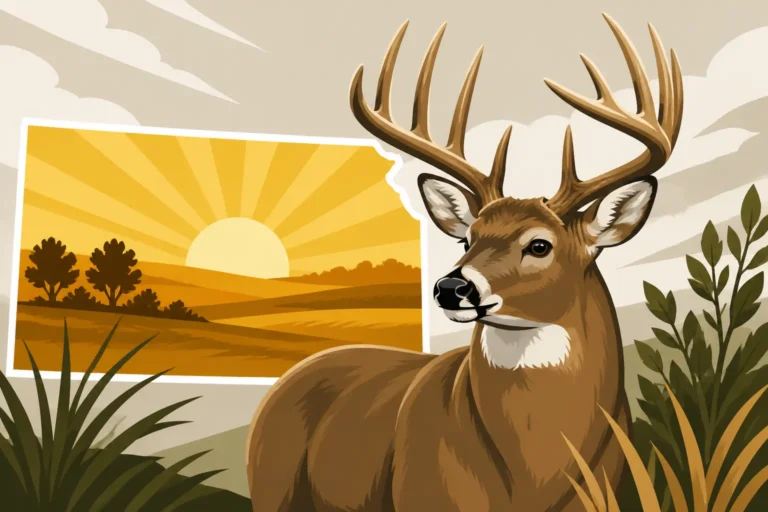
Every whitetail hunter who dreams of a Kansas giant knows the burning question: when does the rut really peak here? It’s a make-or-break period, a few magical weeks when the biggest bucks throw caution to the wind, and understanding its ebb and flow is absolutely crucial for success. This guide will help you decipher the signs, pinpoint the most opportune windows, and craft your hunting strategy around the powerful forces driving the whitetail rut across the Sunflower State.
Unpacking the Whitetail Rut Cycle in Kansas
The whitetail rut isn't a single event; it's a dynamic, multi-stage process driven by genetics, photoperiod (daylight length), and sometimes influenced by environmental factors. In Kansas, with our vast agricultural landscapes and diverse habitat, this cycle dictates deer movement and behavior in profound ways. Understanding each phase is like reading a roadmap to buck activity.
The Role of Photoperiod and Genetics
At its core, the whitetail rut is triggered by the decreasing hours of daylight after the autumnal equinox. As the days shorten, a buck's hormonal system kicks into overdrive, increasing testosterone levels and driving them to seek out does. This biological clock is surprisingly consistent year after year, largely unaffected by minor weather fluctuations or moon phases, despite what many campfire debates might suggest. While cold fronts can certainly make deer move more during the rut, they don't initiate the rut itself. This genetic programming ensures that fawns are born at an optimal time in the spring, when forage is abundant and temperatures are mild, giving them the best chance of survival.
Environmental Influences and Deer Density
While photoperiod is the primary driver, environmental factors do play a supporting role in how visible the rut appears to hunters. Things like extreme weather – unseasonably warm spells or sudden blizzards – can temporarily suppress deer movement during the peak, making it seem less intense than it truly is. Deer density also plays a part. In areas with a balanced buck-to-doe ratio, the rut can be more dramatic, with bucks having to work harder and travel farther to find receptive does, leading to more daylight activity and classic rut behavior. Conversely, in areas with a heavily skewed doe population, bucks might find receptive does more easily, leading to less visible chasing and cruising from a hunter's perspective. Kansas, with its varying deer densities across units, can offer different experiences depending on where you hunt.
Pinpointing the Peak: When Kansas Whitetails Are in Full Swing
For most hunters, the "peak rut" conjures images of bucks running wild, chasing does across open fields. While those moments certainly happen, the true peak is often a bit more nuanced, characterized by specific behaviors that dictate when and where you should be hunting.
The Myth and Reality of "The Peak"
Many folks envision the peak rut as a narrow, week-long window when every buck is chasing every doe, but that's a romanticized notion. In reality, the peak breeding activity, when the majority of does are in estrus and being bred, typically occurs over a couple of weeks. What we as hunters perceive as the "peak" – with all the frantic activity – is usually the phase when bucks are actively searching for those receptive does, scent-checking, sparring, and relentlessly pursuing. This high-energy period can feel like chaos, but it's incredibly predictable once you know what to look for. Tools like the Kansas Deer Harvest Reporting Deadline can offer insights into when historical harvests, which often align with peak rut activity, have occurred in specific areas.
General Timeline for Kansas
In Kansas, the window for peak rut behavior is remarkably consistent year after year. While specific dates can vary slightly with individual deer and localized factors, you can generally expect the most intense activity from late October through mid-November. The first week or two of November, in particular, often sees a significant surge in buck movement. This is when you'll observe bucks actively cruising timber edges, field corners, and creek bottoms, scent-checking scrapes, and bumping does.
Here's a breakdown of the typical rut progression in Kansas:
- Pre-Rut (Late October): Bucks are starting to get serious. They're making and refreshing scrapes, rubbing trees, and becoming more aggressive towards other bucks. They're still somewhat nocturnal but are increasing their daytime movement, especially around food sources and bedding areas. This is a fantastic time for calling and rattling. For more on this, check out Hunting the Kansas Pre-Rut in Late October.
- Peak Rut (First Two Weeks of November): This is the magic window. Bucks are on their feet, often throughout the day, relentlessly searching for estrous does. Chasing, breeding, and tending are the dominant behaviors. Scrapes are still being hit, but rubs might slow as bucks are too busy. This is when long sits in high-traffic areas or funnel points pay off immensely. Consider tactics discussed in First Week of November Stand Choice.
- Post-Rut (Mid to Late November): Breeding activity starts to taper off. Many does have been bred, and bucks are exhausted. They're still moving, but often less frantically, focusing on recovering energy and finding readily available food sources. Younger bucks might still be chasing the last receptive does, but the dominant bucks are starting to recuperate.
Phases of the Rut: Behavior and Hunter Implications
Understanding the distinct phases of the rut is paramount. Each phase calls for different hunting strategies and understanding how bucks are behaving can help you anticipate their movements.
Early Rut and Seeking Phase
The early rut, sometimes called the "seeking phase," begins in late October. This is when bucks start making significant movements outside their usual core areas, driven by the urge to find the first does entering estrus. You'll see a noticeable uptick in rub lines and scrapes. Bucks are expanding their home ranges, scent-checking known doe bedding areas, and generally covering a lot more ground. This is a thrilling time to be in the woods because mature bucks, previously quite reclusive, start showing themselves more during legal shooting hours.
During this phase, bucks are often checking primary scrapes, which act as communication hubs. They'll also be seen cruising transition lines between different habitat types, such as where timber meets a standing corn field, or along a creek bottom that serves as a travel corridor. Using mapping tools like those offered by GoHunt can help you identify these natural funnels and pinch points where a seeking buck is likely to travel. Setting up along these travel routes, especially downwind of bedding areas or upwind of food sources, can be incredibly effective. Don't be afraid to try some aggressive calling, as bucks are receptive and ready to challenge rivals. More tips can be found in Rattling and Grunting During the Kansas Rut.
Chasing and Tending Phase
This is what most people picture as the "peak rut." Usually falling in the first couple of weeks of November in Kansas, the chasing phase is characterized by bucks actively pursuing does. This can look like frantic, high-speed chases, often with multiple bucks vying for a single doe. Once a buck finds a receptive doe, he will "tend" her, staying with her for 24-48 hours, breeding her multiple times. During this tending phase, the buck is often locked down, not moving much from a small area, which can make them difficult to hunt if you aren't already in that specific spot.
The key to hunting the chasing and tending phase is to recognize that bucks are focused entirely on does. If you can find does, you'll find bucks. Focus your efforts on traditional doe bedding areas, small thickets where a tending pair might be secluded, or travel corridors that does frequent. Stands overlooking larger agricultural fields where does gather to feed can also be hotspots, as bucks will cruise the edges checking for hot does. This is also a prime time for using a decoy, especially a doe decoy, to draw in a cruising buck who thinks he's found a competitor or a receptive female. Learn more about effective decoy strategies in Decoying a Kansas Whitetail Buck. While bucks are focused, they can also be distracted, so scent control and quiet movements are still essential.
Post-Rut and Secondary Rut
As the main breeding activity winds down in mid to late November, bucks enter the post-rut phase. They are often depleted of energy, having lost a significant amount of body weight during their tireless pursuit of does. Their focus shifts dramatically from breeding to recovery. At this point, they're looking for easily accessible, high-energy food sources to replenish their reserves. This can be a challenging time to hunt, as buck movement becomes less predictable and often more localized around these food sources.
However, don't pack up your gear just yet! There's also a "secondary rut" that can occur in late November and into early December. This happens when any does that weren't bred during the primary rut come into estrus again, typically about 28 days later. Often, it's younger does or fawns that come into estrus for the first time. This can cause a surge of renewed buck activity, albeit usually less intense than the primary peak. Hunting food sources, especially standing crops like corn or milo, becomes incredibly effective during this time, as bucks will be gorging themselves to regain weight. Keep an eye on unbred does, and you might catch a late-season trophy.
Strategies for Hunting the Kansas Rut
Hunting the rut requires a flexible strategy that adapts to the changing behaviors of whitetails. Being prepared for long hours in the stand and understanding the subtle cues can make all the difference.
Capitalizing on Pre-Rut Aggression
During the pre-rut, bucks are full of testosterone and establishing dominance. This is the prime time to capitalize on their aggression. Aggressive calling and rattling sequences can pull bucks in from surprising distances. I'm talking about crashing antlers together, simulating a real buck fight, and then following up with grunts and snort-wheezes. Bucks are curious and territorial, and the sound of a fight can draw them in to investigate, challenge, or even just watch.
Consider setting up on field edges, near fresh rubs, or in thicker cover downwind of known travel corridors. Bucks are still somewhat patternable around food and bedding, but they're also beginning to roam more actively. Using a site like GoHunt to scout aerial imagery can reveal subtle terrain features, like inside corners of crop fields or isolated timber points, that can act as perfect ambush points for a cruising buck. Remember, these bucks are getting ready for the peak, so they're already highly motivated.
Maximizing Your Chances During the Peak
When the chasing and tending phase hits, your strategy needs to shift. Bucks are less interested in fighting and more interested in finding does. Focus on areas where does congregate or travel. This means spending long hours in the stand, from before daylight until after dark, especially in areas with good visibility and high deer traffic. Natural funnels are your best friend during this time. Think narrow strips of timber between open fields, creek crossings, or even fence crossings deer use every day. Bucks will use these to cover ground while checking for does.
Using a scent dispenser with an estrous doe lure can also be effective, drawing in bucks that are actively scent-checking. Position your stand to take advantage of the prevailing wind, ensuring your scent isn't blowing into the approach of a buck. Mobility can also be a key advantage. If you're not seeing activity, don't be afraid to move to a different location, especially if you're seeing signs of fresh chasing or hear distant grunting. This is also a good time to consider a mobile hunting setup, like the kind discussed in Mobile Hunting With a Saddle in Kansas.
Adapting to Post-Rut Recovery
As bucks recover from the exhausting demands of the rut, their focus shifts to survival and regaining lost body weight. This is when food becomes king. Hunting late-season food sources like standing beans, cut corn fields, or areas with persistent green browse is your best bet. Bucks will often become somewhat concentrated around these vital food sources, especially as winter approaches.
The secondary rut, if it occurs, provides a brief resurgence of activity. Keep an eye out for younger bucks still pushing does, or for older bucks making a more leisurely rounds to catch any late bloomers. This can be a great time for antlerless hunts, too, as bucks are often mixed in with doe groups, allowing you to fill your freezer while still keeping an eye out for a trophy. For more on strategies during this later period, look into Late-Season Food Source Hunting. The key is patience and meticulous scouting of food sources, because a weary buck isn't going to spend energy searching for food that isn't readily available.
Forecasting and Factoring in Other Variables
While photoperiod is the unshakeable ruler of the rut, other variables can influence deer activity within that framework. Smart hunters pay attention to these, even if they don't cause the rut.
Moon Phases and Weather Fronts
Many hunters swear by moon phase predictions for the rut, often looking for specific phases like the "dark moon" or a "full moon" to trigger activity. While there's no conclusive scientific evidence that moon phases directly trigger the rut, anecdotal evidence suggests that certain phases might influence when bucks are most active during the day or night. A full moon, for example, could lead to more nocturnal movement if bucks feel secure enough to move under bright moonlight. Conversely, a new moon might push more activity into daylight hours.
Weather fronts, particularly sharp cold fronts, are a more reliable predictor of increased deer movement during the rut. A sudden drop in temperature, especially after a warm spell, often gets deer on their feet. Bucks will be more eager to cruise and cover ground when the air is crisp and cool. Wind direction is another critical factor. Always hunt with the wind in your favor, especially during the rut when bucks are moving so much. Using a service like GoHunt can help you overlay weather forecasts with historical deer movement data, giving you a slight edge in predicting the best hunting windows.
Analyzing Local Deer Data
The Kansas Department of Wildlife, Parks and Tourism (KDWP) provides valuable harvest data that can offer insights into the rut's timing in specific units. By looking at historical harvest dates, particularly the number of bucks harvested during different weeks, you can often see a pattern that aligns with peak rut activity. If a particular unit consistently shows a spike in buck harvests during the first week of November, that's a strong indicator of when the rut peaks in that area.
Beyond statewide data, talking to local landowners, other hunters, and even game wardens can provide hyper-local insights. While the statewide rut generally follows the same timeline, localized factors like recent EHD outbreaks or shifts in crop rotations could subtly alter deer behavior in your specific hunting area. Always cross-reference broad trends with on-the-ground observations. Observing behavior like "Kansas Deer Herd Numbers by Unit" and comparing it to what you are seeing in the field can give you an edge.
Rut Timing in Practice: A Hunter's Table
Here's a simplified look at the typical Kansas rut phases, what to expect, and how to adapt your tactics.
| Rut Phase | Typical Kansas Dates | Primary Buck Behavior | Hunter Strategy Focus | Key Tactics |
|---|---|---|---|---|
| Pre-Rut | Late October | Rubs, scrapes, increased cruising, testing does | Intercept cruising bucks, capitalize on aggression | Rattling, grunting, mock scrapes, hunting travel corridors |
| Peak Rut | Early-Mid November | Chasing, tending, relentless searching for does | Locate does, intercept bucks actively seeking | All-day sits, hunting funnels, doe bedding, estrous scent, decoys |
| Post-Rut | Mid-Late November | Recovering, feeding, sporadic secondary rut activity | Locate key food sources, target unbred does | Hunting standing crops, thick cover, observation stands, cautious calling |
This table provides a general framework, but remember that individual deer and specific local conditions can always throw a curveball. The most successful hunters are those who adapt their strategies day-by-day based on what they're seeing in the field.
Disclaimer
This article is for general informational purposes only and does not constitute professional advice. Laws, prices and regulations vary by location and change over time. Consult a qualified professional for guidance on your specific situation.