Quail Covey Size and Behaviour
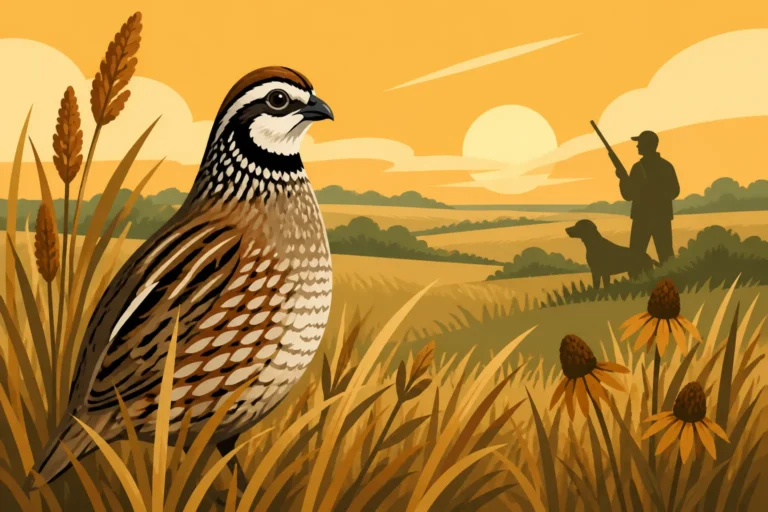
There's nothing quite like the thrill of a Kansas quail covey exploding at your feet, but if you've spent any time chasing these little rockets, you know that finding them can be one of the biggest challenges. It's frustrating to walk through prime looking cover and come up empty, or to have birds flush so wild you barely get a shot off. The key to more consistent success isn't just luck; it's deeply understanding how quail coveys operate, their preferred habitats, and how their behavior shifts throughout the day and the season. This guide is all about peeling back the layers on quail covey dynamics, from their typical size to their daily habits, so you can increase your odds and enjoy more productive hunts in the Sunflower State.
Understanding the Dynamics of a Kansas Quail Covey
For many of us, the bobwhite quail embodies the spirit of Kansas uplands. But these aren't solitary creatures; they are deeply communal, and their survival hinges on the strength and structure of their covey. Learning how these groups form, function, and communicate is foundational to becoming a more effective quail hunter. It's about thinking like a quail, really.
What Defines a Covey and Its Typical Size
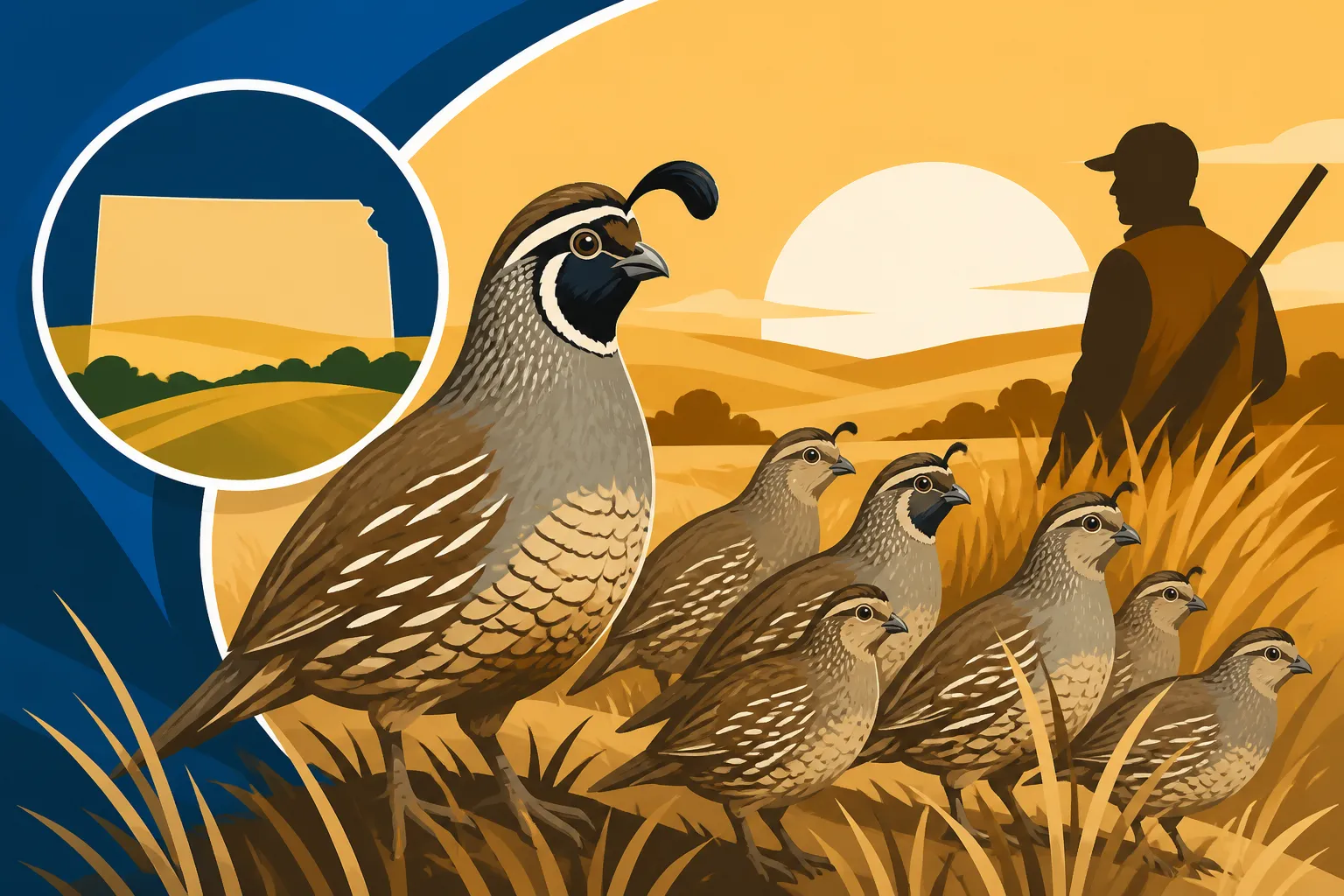
At its heart, a covey is essentially a family unit, or an aggregation of several families, that sticks together for protection, warmth, and shared foraging. In Kansas, a typical covey will usually consist of anywhere from 8 to 20 birds, though you can certainly encounter smaller groups, especially early in the season, or larger ones in exceptionally good habitat and mild winters. These numbers aren't set in stone; they're influenced by a myriad of factors, like the success of the previous nesting season, the amount of predation in a specific area, and the overall quality of the available food and cover.
Think about it this way: a particularly successful hatch in the spring might lead to a larger brood, which then stays together, contributing to a bigger covey come fall. Conversely, a rough nesting season due to heavy rains or late freezes can mean fewer birds making it to adulthood, resulting in smaller coveys scattered across the landscape. As the hunting season progresses, covey sizes might fluctuate further due to hunting pressure, predator encounters, or even just natural dispersal as individual birds seek new territories or mates. Understanding this variability helps manage expectations and adapt your strategy.
The Importance of Covey Communication and Roosting Habits
Quail are constantly communicating, even if we don't always hear it. The most iconic form of this communication, for hunters, is the "covey call" – that distinctive whistle that birds use to regroup after being scattered or to locate other coveys. This call is critical for their survival; a scattered bird is a vulnerable bird, and getting back into a group means safety in numbers, better predator detection, and collective warmth during cold nights.
Their nocturnal roosting habits are particularly fascinating and often overlooked by hunters. Bobwhite quail don't just sleep anywhere; they form tight circles on the ground, usually in dense cover, with their tails pointing inward and their heads facing outward. This formation is a brilliant survival strategy. It allows them to detect predators from all directions, and by huddling together, they conserve precious body heat, especially crucial during those bitter Kansas winter nights. A single bird struggling to stay warm alone is far more likely to succumb to the elements or a hungry predator. If you can learn to read the signs of where quail are likely to roost, you're halfway to understanding their daily routine.
Factors Influencing Covey Size and Distribution in Kansas
Kansas is a quilt of diverse landscapes, from the timbered river bottoms of the east to the wide-open plains of the west. This variety directly influences where quail thrive, how many of them there are, and consequently, the size and distribution of their coveys. It's never a one-size-fits-all scenario, and the best hunters are always observing and adapting.
Habitat Quality and Food Availability
The old adage "habitat is king" holds especially true for bobwhite quail. A high-quality quail habitat isn't just one thing; it's a mosaic of different cover types and food sources, all within a relatively small area. Think about those dense Plum Thickets and Quail Cover that offer escape from aerial predators, or the tall, thick CRP Grass and Where Bucks Bed that provides vital nesting and loafing cover. Then there are the edges of crop fields – milo, corn, soybeans – that become a buffet of waste grain after harvest.
When a landscape offers an abundance of diverse food sources, such as insects in the spring and summer for growing chicks, followed by a variety of seeds and waste grains in the fall and winter, coveys tend to be larger and healthier. Conversely, areas with limited food or cover will see smaller, more stressed coveys, or simply no quail at all. Environmental factors play a huge role too. A year with good, timely rainfall can lead to lush vegetation and abundant insects, directly correlating to better nesting success and more robust Quail Numbers After a Wet Spring. If you're using a scouting tool like GoHunt, understanding these habitat preferences helps you pinpoint potential hotspots before you even set foot in the field.
Predation and Hunting Pressure
Even in the best habitat, quail face constant threats. Natural predators like hawks, owls, coyotes, bobcats, and even snakes (especially to eggs and chicks) exert significant pressure on covey sizes. It's a natural thinning process, but it certainly impacts how many birds make it to the fall. A covey that has been heavily predated upon will naturally be smaller, making them even more cautious and difficult to approach.
Hunting pressure also plays a crucial role. Repeated flushes from the same covey can make birds incredibly wary, causing them to flush much wilder or run further before taking flight. While a good covey rise is exhilarating, too much pressure can splinter coveys into smaller, more scattered groups, or push them entirely out of an area. This is why tactics like Dogless Quail Hunting Tactics often emphasize quiet movement and patience, trying not to overpressure birds. After an initial flush, scattered birds will often try to regroup, using those covey calls to find each other, but the longer they are harassed, the more spread out and difficult to find they become. Recognizing areas that receive less pressure, perhaps by using mapping tools like GoHunt to identify hard-to-access corners or overlooked cover, can give you a significant advantage.
Applying Covey Knowledge for Better Hunting Success
Knowing about covey behavior is one thing; putting that knowledge into practice is another. The real magic happens when you can anticipate what quail are likely to do, based on the time of day, the weather, and the specific habitat you're working.
Locating Coveys and Predicting Their Movements
Quail, like most game animals, operate on a fairly predictable daily schedule, especially when undisturbed. Understanding this rhythm is vital for efficient hunting. In the mornings, typically after the dew has dried, coveys will move from their roosting spots to prime feeding areas. These might be edges of grain fields, patches of native forbs with ripe seeds, or areas with an abundance of insects. This is often an excellent time to find birds actively foraging.
As midday approaches, especially if temperatures rise, coveys will often seek out dense, protective cover for loafing. This "loafing cover" is usually close to their feeding areas but offers a thick canopy to escape the sun and hide from predators. Think thickets, brush piles, or dense stands of native grass. They'll rest here, digest their food, and conserve energy. As late afternoon rolls around, they'll often make another move to feed before regrouping for the night's roost. If you can key into these transitions – from roost to feed, feed to loaf, loaf to feed, and then back to roost – you can often intercept birds during their movements. For example, focusing on Working Grass Edges Without a Dog near these transition zones can be highly effective. Use your mapping apps to mark where you've found birds and what they were doing; patterns will emerge over time.
Working Scattered Birds and Maximizing Your Opportunities
The initial covey rise is undeniably the most exciting part of quail hunting, but the hunt often doesn't end there. Once a covey has flushed and scattered, the real work of bagging more birds often begins. The challenge is that single birds, or small groups, are much harder to locate and can hold incredibly tight. They're often hunkered down, relying on their camouflage to avoid detection, which means you need to slow down your pace significantly.
Instead of crashing through cover, try a more methodical approach. Give the birds some time to settle after the initial flush – 15 to 30 minutes can make a big difference. Then, systematically work the cover in the direction they flew. Pay close attention to any small patches of dense cover, individual plum thickets, or even just a particularly thick clump of grass. Often, a scattered bird will run a short distance and then freeze, hoping you'll walk past. This is where patience, keen observation, and perhaps a good bird dog (if you have one) truly shine. Re-working an area where you know birds have scattered can often yield several more flushes, making your hunt far more productive than just moving on to find a new covey.
Here's a quick look at typical quail behavior throughout a hunting day:
| Time of Day | Typical Activity | Preferred Cover | Hunter Strategy |
|---|---|---|---|
| Morning (Dawn-9 AM) | Moving from roost to feeding, active foraging | Field edges, native grass, plum thickets, crop stubble | Walk feeding areas, approach roosting cover carefully |
| Late Morning (9-11 AM) | Continued feeding, moving towards loafing cover | Transition zones between food and dense cover | Work edges and thicker spots near feeding areas |
| Midday (11 AM-2 PM) | Loafing, resting, digesting food | Dense thickets, brush piles, tall CRP, timber | Focus on thick thermal cover, slow methodical hunts |
| Afternoon (2-4 PM) | Moving from loafing cover to secondary feeding | Open patches near loafing cover, fence lines | Work edges of cover, move towards evening feed |
| Late Afternoon (4 PM-Dusk) | Final feeding push, regrouping, moving to roost | Crop stubble, open fields, then dense roosting cover | Hunt feeding areas, listen for covey calls, check likely roosts |
Understanding the habits and preferences of Kansas quail, from the size of their coveys to their daily movements, truly transforms the hunting experience. It shifts from a random walk-and-flush to a strategic chess game, where your knowledge of habitat and behavior helps you anticipate their next move. By paying attention to details like Kansas Quail Season Dates and Kansas Quail Bag and Possession Limits, and combining that with solid scouting and field craft, you'll find yourself walking away with more memories, and hopefully, more birds, year after year.
Disclaimer
This article is for general informational purposes only and does not constitute professional advice. Laws, prices and regulations vary by location and change over time. Consult a qualified professional for guidance on your specific situation.