Species Kansas Hunters Take Most
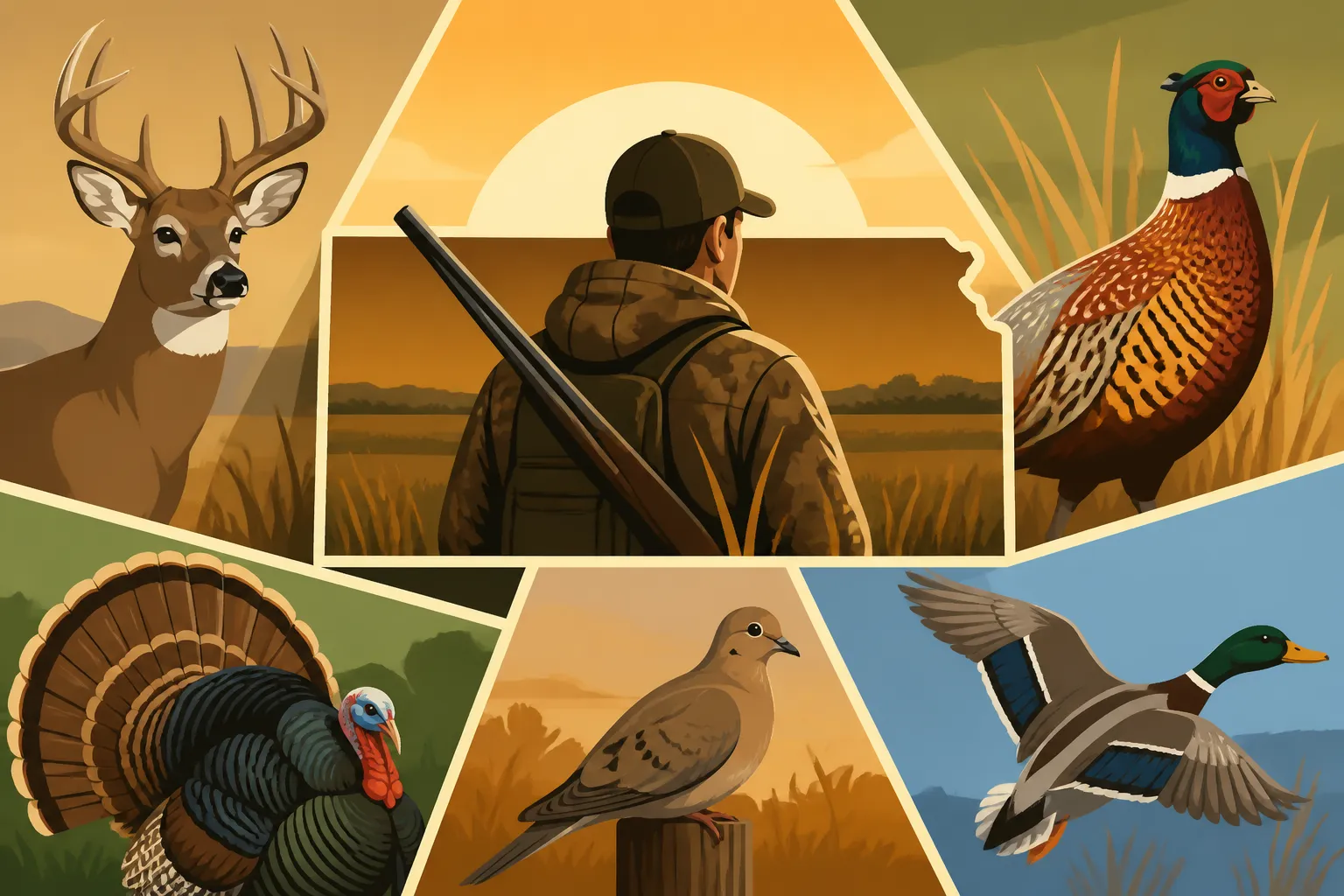
It can be incredibly frustrating trying to figure out what you can even realistically hunt in Kansas, especially if you're new to the state or just getting started. Many new hunters feel overwhelmed by the sheer number of regulations and the different species, wondering where to even begin their efforts for a successful season. This guide will walk you through the game species most commonly pursued and successfully harvested by hunters in Kansas, helping you focus your energy and planning for the best chance at filling your freezer or tagging a trophy.
Whitetail Deer: The Undisputed King
There's no doubt about it: whitetail deer are the bread and butter for most Kansas hunters, resident and nonresident alike. If you ask any hunter in a coffee shop or at the local sporting goods store what they're after, more often than not, the answer will be "whitetails." This isn't just anecdotal; the numbers consistently show that deer harvest far outstrips any other big game animal in the state. The sheer abundance, combined with the reputation Kansas holds for producing truly world-class bucks, makes them the primary target.
Why Whitetails Dominate Kansas Hunting
Kansas might not have the rugged mountains or vast forests of some western states, but what it does have is an incredible mix of agricultural land and scattered timber that provides ideal whitetail habitat. The rich soils produce abundant crops like corn, soybeans, and alfalfa, which translate directly into top-tier nutrition for the deer herd. This consistent food source, coupled with genetics and often overlooked pockets of cover, allows bucks to reach impressive body weights and develop heavy, wide antlers that hunters dream about. It’s why so many hunters are willing to invest their time and resources into hunting here, hoping for a crack at a true giant. You can read more about Kansas Whitetail Deer and Why They Grow Big to understand this phenomenon better.
Beyond the trophy potential, whitetails offer a variety of hunting seasons across different weapons, extending the opportunity for hunters from early September through the end of December and into January in some units. This long season allows hunters to experience various phases of the deer's annual cycle, from velvet bucks in early archery season to the frantic rut and the challenging late-season food source hunts. This diversity of opportunity means that almost any hunter, regardless of their preferred weapon or hunting style, can find a season that suits them.
Common Whitetail Hunting Methods
Kansas whitetail hunting is primarily done from elevated positions like treestands or ground blinds, especially in the more timbered eastern half of the state. These setups allow hunters to get above the deer's line of sight and use the wind to their advantage, crucial for avoiding their keen sense of smell. Many hunters spend countless hours scouting for the perfect pinch points, creek crossings, or inside corners of crop fields where deer naturally funnel. Tools like GoHunt can be invaluable here, helping hunters identify these terrain features and public land access points from home, making on-the-ground scouting more efficient.
As the season progresses, especially into the firearm season in December, still-hunting and small drives become more common, particularly in areas with less extensive timber. A lot of hunters enjoy the challenge of glassing fields for feeding deer in the morning and evening, then strategizing a way to intercept them as they move to and from bedding areas. Whether it's the quiet solitude of a morning in a treestand during the early archery season or the adrenaline rush of a well-executed firearm drive with friends, whitetail hunting offers a deeply engaging experience that keeps hunters coming back year after year. Understanding Kansas Deer Season Dates by Weapon is essential for planning these varied hunts.
Wild Turkeys: A Spring Tradition
While deer hunting captures the fall, spring in Kansas belongs to the wild turkey. For many, the throaty gobble echoing across a frosty field at dawn is the ultimate sign of spring, drawing them into the woods and pastures with a shotgun or bow in hand. Turkey populations in Kansas are robust in many areas, particularly the central and eastern regions, offering excellent opportunities for both residents and nonresidents. The pursuit of a strutting tom provides a very different, yet equally thrilling, experience compared to deer hunting, relying heavily on calling and woodsmanship.
The Appeal of Kansas Turkey Hunting
There's something incredibly addictive about calling a wild turkey into range. Unlike deer, which you often try to ambush, turkey hunting is an interactive chess match where you're trying to outsmart a bird with vocalizations. The rush of a gobbler answering your call, getting closer and closer, is a feeling few other forms of hunting can replicate. This challenge, combined with the relatively short season and often beautiful spring weather, makes turkey hunting a highly anticipated event for thousands of Kansas hunters.
Kansas is primarily home to the Rio Grande subspecies of turkey, known for their strong gobbling and preference for open country mixed with riparian timber. In the far eastern counties, you might encounter Eastern turkeys or hybrids where the ranges overlap, adding a bit of variety for those dedicated to completing a Grand Slam. Despite some regional fluctuations, the overall turkey population remains a significant draw, providing ample opportunity for hunters willing to put in the effort. For more information on turkey populations, look into Kansas Wild Turkeys and the Population Decline.
Effective Turkey Hunting Approaches
Successful turkey hunting in Kansas often involves a "run-and-gun" approach, especially on larger tracts of land. This means covering ground, listening for gobbles, and setting up quickly to call birds that respond. Decoys are a critical tool for many hunters, helping to draw in wary gobblers that might hang up out of range. Hunters will scout for roosting areas the evening before a hunt, hoping to be in position before fly-down to greet the birds with a convincing serenade.
Whether you're hunkered down against a big cottonwood tree in a creek bottom or tucked into a ground blind overlooking a wheat field, patience and persistence are key. The thrill isn't just in the harvest; it's in the entire interaction, from the first distant gobble to the final moments when a big tom struts into view, red, white, and blue head on full display. Learning Kansas Turkey Hunting Tactics for Spring Gobblers can definitely boost your success rates.
Upland Birds: Pheasants and Quail
For many Kansas natives, upland bird hunting is a treasured tradition, conjuring images of crisp autumn mornings, the flush of a rooster pheasant, or the explosive burst of a quail covey. While not everyone has a dog, those who do consider their canine companions indispensable for working the vast grasslands and stubble fields that define much of Kansas's hunting landscape. Pheasants and quail consistently rank high in terms of total birds harvested annually.
The Enduring Appeal of Wing Shooting
There’s a unique camaraderie that often accompanies an upland bird hunt. Whether you're walking alongside friends, watching a dog work a field, or simply enjoying the vastness of the prairie, it’s a social and engaging form of hunting. The challenge of hitting a fast-flying pheasant or the sudden chaos of a quail covey rise is incredibly exhilarating. Plus, the meat from these birds is absolutely delicious, making it a truly rewarding experience from start to finish.
Kansas has long been known as a prime destination for pheasants, especially in the central and western parts of the state where dryland farming and CRP (Conservation Reserve Program) fields provide ideal cover. Bobwhite quail are more widely distributed, often found in the brushy draws and plum thickets of central and eastern Kansas. Both species rely heavily on good habitat, and their populations can fluctuate year to year based on weather patterns, particularly spring rainfall and winter severity.
Common Strategies for Flushing Birds
Pheasant hunting often involves walking through standing milo, corn stubble, or thick CRP grass. Hunters might employ blocking strategies, where some walk through a field while others wait at the ends to intercept birds that flush out ahead. Without a dog, it requires disciplined walking and keen eyes to spot birds flushing wild or holding tight. For those with a dog, watching a pointer lock up on a bird, or a flushing dog burst into action, is a huge part of the experience. Finding the right cover is key, and the Kansas Walk-In Hunting Access (WIHA) program offers thousands of acres of accessible ground, perfect for these types of hunts. You can easily find these tracts using mapping applications or by checking the Kansas Department of Wildlife and Parks (KDWP) website.
Quail hunting is typically more focused on smaller, denser cover types like plum thickets, brushy fence lines, and creek bottoms. Quail coveys tend to hold tight, often not flushing until you're right on top of them, leading to those exciting, sometimes chaotic, bursts of activity. A good dog is invaluable for finding and pointing coveys, as well as retrieving birds from thick cover. Hunters often walk in a line, systematically working through cover to try and push birds out. Delve deeper into specific strategies with Upland Bird Hunting Kansas Grass and Milo Edges.
Other Popular Game Species
While deer, turkeys, pheasants, and quail form the core of hunting activity in Kansas, many other species offer exciting opportunities that contribute to the overall harvest numbers and provide unique challenges for hunters. From the abundant waterfowl to various furbearers, Kansas truly offers a diverse hunting portfolio.
Waterfowl: Ducks and Geese
Kansas sits squarely in the Central Flyway, making it a critical stopover for millions of migrating ducks and geese. Waterfowl hunting is a passion for a dedicated segment of the hunting population, offering some truly spectacular days in the field. From mallards piling into decoys on a cold reservoir to immense flocks of snow geese swirling over a stubble field, the state provides fantastic opportunities.
Hunting methods vary greatly depending on the species and location. Reservoir hunters might use large spreads of decoys and layout blinds along the shoreline, while field hunters will set up full-body decoys for geese in cut crop fields, often utilizing layout blinds. Jump shooting small farm ponds can also be incredibly productive for ducks, especially in the early season. Understanding Kansas Waterfowl on the Central Flyway can help you time your hunts.
Small Game: Rabbits and Squirrels
Often overlooked but incredibly accessible, rabbits and squirrels provide excellent opportunities for new hunters, youth hunters, or anyone looking for a fun, low-pressure hunt. Cottontail rabbits are abundant throughout the state, found in brushy cover, field edges, and overgrown pastures. Squirrels, primarily fox squirrels and gray squirrels, are common in almost any timbered area, especially along river bottoms and creek draws.
Hunting these species can be as simple as walking a brushy fence line with a .22 rifle or shotgun for rabbits, or still-hunting through timber for squirrels. These hunts are fantastic for honing basic hunting skills like tracking, stealth, and marksmanship, and they provide delicious table fare.
Predators and Furbearers: Coyotes and Bobcats
For those interested in predator control or fur harvesting, coyotes are incredibly numerous across Kansas, providing year-round hunting opportunities. Calling coyotes, using electronic or mouth calls to simulate distress sounds or breeding vocalizations, is a popular and challenging pursuit, especially in the more open western half of the state. Bobcats, while less common, are also present and offer a valuable fur resource during regulated seasons. This is a specialized kind of hunting that requires different tactics and equipment, but it adds another layer to the diverse Kansas hunting scene. Learning Coyote Calling in Open Kansas Country can make a huge difference in your success.
Comparing Harvest Popularity and Access
To give you a clearer picture, here's a general overview of the top species harvested and the typical access methods. This isn't exhaustive, but it should highlight why certain species are more popular among the average Kansas hunter.
| Species | Primary Harvest Method(s) | Typical Season Length | Common Access Types | Primary Challenge / Appeal |
|---|---|---|---|---|
| Whitetail Deer | Stand hunting (treestand/ground blind), still-hunting, small drives | Long (Sept-Jan) | Private land, WIHA, State Wildlife Areas, Corps land | Trophy potential, abundance, variety of seasons/methods |
| Wild Turkey | Calling (run-and-gun), decoys, ground blinds | Moderate (Spring) | Private land, WIHA, State Wildlife Areas, Corps land | Interactive calling, spring tradition, challenging |
| Ring-necked Pheasant | Walking (dog or dogless), blocking, small drives | Moderate (Fall/Winter) | Private land, WIHA, State Wildlife Areas, Corps land | Fast flushes, delicious meat, dog work |
| Bobwhite Quail | Walking (dog or dogless), covey flushes | Moderate (Fall/Winter) | Private land, WIHA, State Wildlife Areas, Corps land | Explosive covey rises, social hunt, habitat diversity |
| Waterfowl | Decoy spreads, jump shooting, pass shooting | Moderate (Fall/Winter) | Private land, Reservoirs, Playas, State Wildlife Areas | Migration patterns, diverse species, complex strategies |
| Coyote | Calling, trapping, incidental encounters | Year-round | Private land, Public land (where allowed) | Predator control, challenging vocalizations |
No matter what you decide to pursue, Kansas offers a wealth of hunting opportunities. The key is to understand the regulations, respect landowners, and dedicate yourself to learning about the species you're chasing. With good planning and a little help from resources like GoHunt to scout and plan your hunt, you can join the thousands of satisfied hunters who make Kansas their annual hunting destination. Just remember, the hunt itself, the time spent outdoors, is often just as rewarding as the harvest.
Disclaimer
This article is for general informational purposes only and does not constitute professional advice. Laws, prices and regulations vary by location and change over time. Consult a qualified professional for guidance on your specific situation.