Nonresident Landowner Permits in Kansas
It’s a common frustration for folks who’ve invested in land in Kansas: you own a piece of property, you pay taxes, you maintain it, often with wildlife in mind, but when it comes to hunting your own ground as a nonresident, the permit system can feel like a labyrinth designed to keep you out. You’ve put your heart and dollars into that acreage, so understanding exactly how to secure a nonresident landowner deer permit is crucial. This guide is here to untangle that complexity, explaining precisely how these permits work for nonresident landowners in Kansas, so you can finally reap the rewards of your investment.
Decoding the Nonresident Landowner Permit
Owning land in Kansas as a nonresident opens a specific, often misunderstood, pathway to deer hunting. This isn't just about showing up with a deed; there are particular stipulations and criteria you need to meet to be eligible for what's known as a "Nonresident Landowner Whitetail Deer Permit." It's different from the general nonresident draw, offering a dedicated avenue for those with a vested interest in the state's agricultural and wild lands.
Defining "Landowner" for Kansas Wildlife, Parks, and Tourism
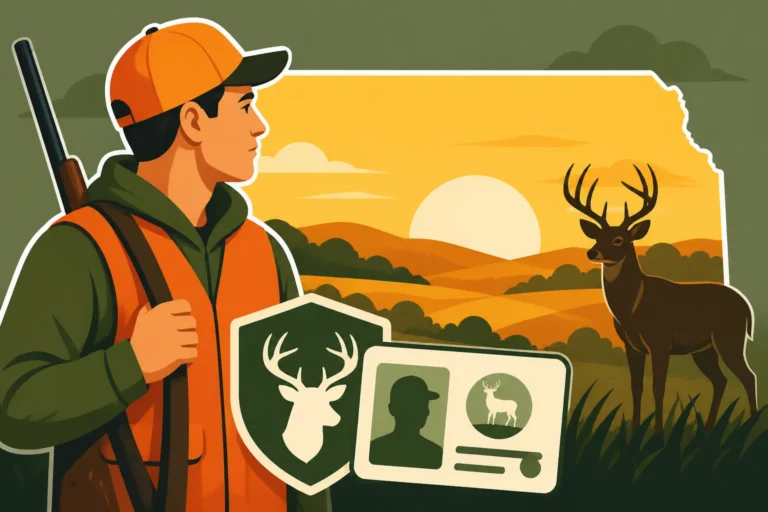
When the Kansas Department of Wildlife, Parks, and Tourism (KDWP) talks about a "landowner" for permit purposes, they have a very specific definition in mind. It's not just someone who owns a piece of land, any size, anywhere. To qualify for a nonresident landowner permit, you must own 80 acres or more of farm or ranch land in a single contiguous tract. This land must be used for agricultural purposes, such as farming or ranching. It's important to note that a small residential plot or a purely recreational timber parcel might not qualify if it doesn't meet the agricultural use criteria. The intent here is to offer hunting opportunities to those actively contributing to the state's rural economy through land management. This definition helps prevent people from buying small, token parcels just to game the permit system, maintaining the integrity of the program for genuine landowners.
Benefits and Limitations Compared to the General Draw
The primary benefit of a nonresident landowner permit is that it offers a separate allocation of permits, meaning you’re not directly competing in the often-tough general nonresident draw pool. For many popular deer units, the general draw can be incredibly difficult, requiring several Kansas Preference Points Explained over multiple years to secure a coveted permit. As a nonresident landowner, you're looking at a much higher likelihood of drawing a permit, specifically for the unit your land is located in. This is a huge advantage, as it almost guarantees you a hunt on your own property, rather than leaving it to chance or accumulating points for a hypothetical future hunt.
However, there are limitations. This permit is typically for a whitetail deer only, and it's restricted to the deer management unit where your qualifying property lies. You can’t use this permit to hunt just anywhere in the state. Furthermore, while the general draw often provides an "either-sex" permit, meaning you can take a buck or a doe, nonresident landowner permits might specify "antlerless" in certain situations or require the purchase of additional antlerless tags. Always double-check the specifics of the permit you’re applying for that particular year. It’s also worth noting that mule deer, a separate and even harder-to-draw species, are almost never an option with a standard nonresident landowner permit; that usually requires success in the highly competitive Kansas Mule Deer Stamp Draw which is a whole different ballgame.
The "80 Acres" Rule: Contiguous Land and Agricultural Use
Let's really dig into this "80 acres or more of farm or ranch land in a single contiguous tract." This is where many hopeful nonresident landowners hit a snag. "Contiguous" means the land must be physically connected, not broken up by public roads, other private parcels, or natural barriers like rivers, unless you own both sides and the connecting strip. For example, if you own 40 acres on one side of a county road and another 40 acres directly across it, KDWP generally views these as two separate tracts, not one contiguous 80-acre parcel. This rule is applied strictly, so if your property is split, even by a small dirt lane, you might be out of luck unless you own the lane itself.
Beyond contiguity, the "farm or ranch land" aspect is also key. This isn't just a semantic detail. KDWP will be looking for proof that the land is actively involved in agriculture. This could mean crop production (corn, beans, wheat, milo), livestock grazing, or hay production. It generally does not include land solely managed for timber production (unless integrated with other agricultural practices) or purely recreational undeveloped land, even if it's excellent deer habitat. You might need to provide documentation like FSA (Farm Service Agency) records, property tax classifications, or lease agreements for farming/ranching activities to prove your land's qualifying status. It’s about demonstrating that your property fits the spirit of the program, supporting Kansas’s agricultural heritage.
Eligibility and the Application Process
So, you think your land qualifies? Great! Now, let's talk about the exact steps to apply for this valuable permit. The process is straightforward once you understand the requirements, but missing a detail can easily derail your application. It’s not just about proving you own the land, but also about understanding the timing and specific forms involved.
Meeting the Criteria for Land Ownership
First and foremost, you must be a nonresident of Kansas. That's the baseline. Beyond that, the deed to the property must be in your name, or in the name of a limited liability company (LLC), corporation, or trust where you are a principal owner or beneficiary. If the land is owned by multiple individuals, usually only one person can apply for the nonresident landowner permit in a given year, or specific rules apply for how permits are allocated among co-owners. KDWP typically wants to see tax statements or a copy of the deed as proof of ownership. Don't assume they have this information already; it's your responsibility to provide it during the application window. Many hunters find tools like GoHunt invaluable for verifying property ownership details and scouting their land before the season even begins, ensuring they have all their ducks in a row for the application.
It's also critical that your land is actually located within one of the designated deer management units that offer nonresident landowner permits. All of Kansas's 19 deer units participate in the general nonresident draw, but for specific landowner permits, you'll need to confirm your unit. Understanding Kansas Deer Units 1 Through 19 is vital to ensure you're applying correctly for your property's location.
Step-by-Step Guide to Applying for the Permit
The application process itself is handled through the KDWP online licensing portal, Go Outdoors Kansas. Here’s a general rundown of the steps you’ll need to take:
- Obtain a Nonresident Hunting License: Before you can even think about a deer permit, you'll need a current Kansas Nonresident Hunting Licence Cost. This is a prerequisite for any hunting in the state.
- Access the Application Portal: Visit the KDWP website or the Go Outdoors Kansas portal during the designated Kansas Deer Application Window in April. Mark your calendar, because missing this window means waiting another year!
- Select the Nonresident Landowner Permit Option: When you apply for deer permits, you'll see various options. Be sure to select the specific "Nonresident Landowner Whitetail Deer Permit" for your unit. You might also need to choose your weapon type at this stage; consider if you want a Kansas Archery Deer Season Dates or a Kansas Muzzleloader Deer Season permit, as these often have different season dates.
- Provide Proof of Ownership: This is the critical step. You'll typically need to upload documents verifying your ownership of 80+ contiguous acres of qualifying farm/ranch land. This might include a copy of your property deed, a recent property tax statement, or a plat map highlighting your contiguous acres. Be prepared with clear, digital copies of these documents.
- Pay Application Fees: There will be a non-refundable application fee, plus the cost of the permit itself if you are successful in the draw. It's always a good idea to review the current Kansas Hunting Licence and Permit Costs on the KDWP website.
- Submit and Confirm: Once all information and documents are uploaded and fees paid, submit your application. You should receive a confirmation email. Keep this for your records!
Family Member Landowner Permits
Kansas does offer provisions for certain family members of a nonresident landowner to acquire permits, which is a fantastic benefit for families who share a love of hunting. Generally, these "family member landowner permits" are available to spouses, children, grandchildren, and parents of the qualifying nonresident landowner. This allows multiple generations to experience hunting on the family property without everyone needing to own their own 80 acres.
However, there are usually limits on how many such permits can be issued per qualifying landowner each year. For instance, it might be one spouse and one child, or a similar configuration. These permits are also typically unit-specific and may be restricted to antlerless deer, or require a separate antlerless tag. The application process for family member permits is usually tied to the primary nonresident landowner's application or requires the landowner to verify the family relationship. Always check the current year’s regulations carefully on the KDWP website, as these rules can change from season to season. This provision truly helps foster a tradition of hunting on your own land, which is something many landowners deeply value.
Key Considerations and Strategic Planning
Getting the permit is one hurdle, but truly making the most of your nonresident landowner hunting opportunity requires strategic thinking beyond just the application. You'll want to consider draw odds, how these permits fit into broader hunting plans, and what to do if the unexpected happens.
Timing Your Application and Understanding Draw Odds
While nonresident landowner permits have better draw odds than the general nonresident draw, it's still a "draw" and not a guaranteed over-the-counter sale. Missing the application deadline is the most common reason for not hunting your land. As mentioned, the Kansas Deer Application Window in April is critical. Set reminders!
The draw odds for nonresident landowners are typically very high, often approaching 100% in many units for a whitetail permit. However, specific units or weapon choices (e.g., archery vs. firearm) might have slightly different demand. It's rare for a qualified nonresident landowner to not draw a whitetail permit for their property, but it's not impossible, especially if demand surges or regulations change. KDWP usually releases draw results in early June, giving you ample time to plan your trip. You can often find historical draw data on the KDWP website or through hunting intelligence platforms like GoHunt, which can help you understand the precise odds for your specific unit and weapon choice.
Combining Permits With Other Hunting Opportunities
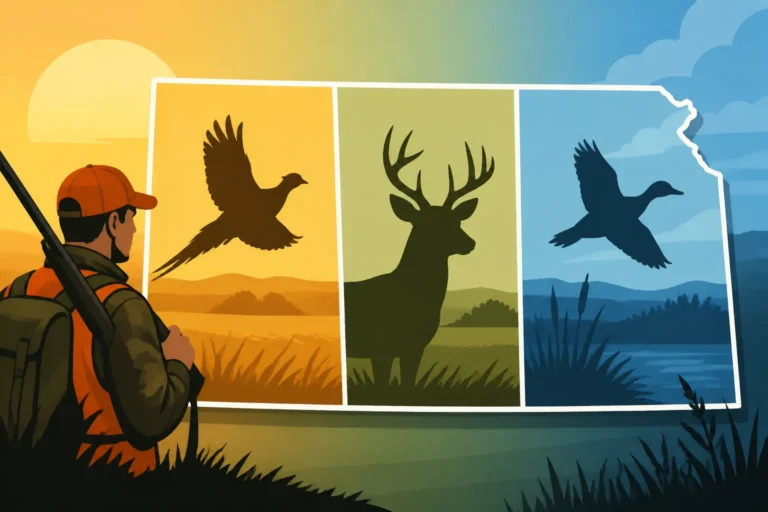
A nonresident landowner permit is a fantastic anchor for your Kansas hunting trip, but it doesn't have to be the only thing you pursue. Once you have your deer permit, consider other species. Kansas is renowned for its upland bird hunting, and you might be able to add a pheasant, quail, or turkey hunt to your trip, depending on the season. If you secured a whitetail-only permit, you could explore purchasing over-the-counter antlerless tags if available, allowing you to fill your freezer while still pursuing that trophy buck.
Many nonresident landowners also look for opportunities to extend their hunt by exploring Public Land Deer Hunting in Kansas or utilizing the vast Walk-In Hunting Access (WIHA) program on their way to or from their private ground. Just remember, any additional permits or activities require adherence to all associated regulations and licenses. For instance, an upland bird hunt will require a separate hunting license and possibly a HIP permit for migratory birds, and certainly no deer permit will cover it. Planning your trip efficiently allows you to enjoy the full spectrum of what Kansas hunting offers.
What Happens if You Don't Draw
While rare for nonresident landowners applying for a whitetail permit on their own property, there's always a slim chance you might not draw. If this happens, it can be incredibly disappointing, especially when you've invested so much in your land. Here's what typically occurs:
- Refund: Your permit fee (excluding the application fee) will be refunded.
- No Preference Point Lost: Since you applied for a special landowner permit, this usually doesn't affect any preference points you might be accumulating for the general nonresident draw (if you're also building points for that).
- Explore Leftover Permits: In some rare cases, KDWP might have leftover general nonresident permits available after the main draw. These are usually for less popular units or specific weapon types, and are sold on a first-come, first-served basis. While unlikely to be in your exact unit, it's a possibility to still hunt Kansas.
- Focus on Other Species: If deer is out for the year, pivot to other hunting opportunities like upland birds, waterfowl, or even predator hunting.
The best defense against this unlikely scenario is to double-check all application requirements, ensure your documentation is flawless, and apply well within the deadline. Using resources like the GoHunt application guide can help ensure no detail is overlooked.
Maximizing Your Nonresident Landowner Hunting Experience
Having the permit in hand is just the beginning. To truly capitalize on your investment and the unique opportunity of hunting your own land, proactive management and smart hunting strategies are essential. Your property holds immense potential, and with a little effort, you can transform it into a whitetail haven.
Scouting Your Own Property Effectively
Even if you only visit your Kansas property a few times a year, effective scouting is paramount. As a nonresident, you might not have the luxury of daily observations, so make every scouting trip count. Start with robust E-Scouting Kansas Farm Country From Home using satellite imagery and mapping apps like onX or BaseMap. Look for natural funnels, bedding cover like Cedar Thickets as Bedding Cover, food sources (especially adjacent crop fields), and water sources. Pin potential stand locations before you even set foot on the ground.
When you are on your property, focus on finding historical deer sign: old rubs, scrapes, and well-used trails. Pay attention to fence crossings and pinch points. Set up trail cameras in key areas months before the season to monitor deer movement and identify specific bucks. Understanding local deer patterns, like how they use Milo and Corn Stubble Deer Patterns for food and cover, can drastically increase your odds. Remember, your property is unique, and getting to know its particular deer dynamics is part of the long-term enjoyment of being a landowner.
Habitat Improvements for Better Hunting
As a landowner, you have the unique ability to influence the habitat on your property, thereby improving your hunting opportunities. Even small changes can make a big difference.
- Food Plots: Depending on your agricultural practices, consider planting small food plots with crops like clover, winter wheat, or brassicas specifically for deer. These can act as magnets, holding deer on your property, especially during the crucial hunting seasons.
- Cover Enhancement: If your property lacks adequate bedding cover, consider planting native grasses like switchgrass or even some strategic rows of cedars or other evergreens to provide security. Think about how deer move through your property and if you can create denser pockets of cover that offer refuge.
- Water Sources: In dry Western Kansas, even a small pond or a consistent water source can be a huge draw for deer. Ensuring year-round access to water, especially during early season bowhunts, can be a game-changer.
- Entry and Exit Routes: Plan your access routes to stands carefully, ensuring you don't spook deer entering or leaving. This might involve creating specific pathways or using natural terrain features to your advantage. Improving your habitat not only benefits the wildlife but also enhances the overall value and enjoyment of your property.
Understanding Local Regulations Beyond the Permit
While you have your permit and your land, don't overlook local regulations and nuances. This isn't just about KDWP rules.
- County Ordinances: Some counties or even townships may have specific rules regarding firearm discharge distances from residences, road hunting, or other localized hunting regulations. It's always wise to check with the local sheriff's office or county clerk's office for any unique ordinances in your area.
- Neighboring Properties: Maintain good relationships with your neighbors. Understanding Kansas Trespass Law and Posted Land is crucial, not just for others on your land, but for you to respect boundaries. Knowing where your property lines are is non-negotiable, and having good fences or clearly marked boundaries can prevent accidental trespass or conflicts. Using mapping tools from platforms like GoHunt can help you visualize these boundaries clearly.
- Game Retrieval: Even on your own land, what if a wounded animal crosses onto a neighbor's property? You generally need permission to retrieve game from private land, so having open communication with adjacent landowners is paramount. Thinking ahead about these potential scenarios can save a lot of stress during a hunt.
By taking a holistic approach—from careful application to habitat management and local etiquette—you can transform your Kansas nonresident landowner permit into a truly rewarding hunting experience, year after year.
Comparing Nonresident Hunting Permit Options
To put the nonresident landowner permit into perspective, let's look at how it stacks up against the general nonresident deer permit draw. This comparison highlights why the landowner permit is such a valuable option for those who qualify.
| Feature | Nonresident Landowner Whitetail Deer Permit | General Nonresident Whitetail Deer Permit Draw |
|---|---|---|
| Eligibility | Must own 80+ contiguous acres of farm/ranch land | Any nonresident hunter |
| Draw Odds | Very high (often near 100%) for whitetail | Highly competitive, often requires preference points |
| Unit Restriction | Restricted to the unit where qualifying land lies | Can select primary and adjacent units statewide |
| Species | Primarily Whitetail (can be antlerless-only) | Primarily Whitetail (usually either-sex) |
| Mule Deer Opportunity | No (requires separate, highly competitive Mule Deer Stamp) | No (requires separate, highly competitive Mule Deer Stamp) |
| Family Member Benefit | Yes, often permits available for immediate family | No |
| Permit Transferability | Generally non-transferable | Generally non-transferable |
| Cost | Base permit fee + application fee | Base permit fee + application fee |
This table clearly illustrates the key advantage of the nonresident landowner permit: significantly higher draw odds, granting almost guaranteed access to hunt your own property. While it's unit-restricted, for a landowner, that's precisely where they want to hunt anyway.
Disclaimer
Please remember that hunting regulations in Kansas are subject to change by the Kansas Department of Wildlife, Parks, and Tourism (KDWP). While every effort has been made to provide accurate and up-to-date information, it is your responsibility to consult the official KDWP hunting regulations each year before applying for permits or engaging in any hunting activities. This guide is for informational purposes only and does not constitute legal advice.