Who Can Buy a Kansas Elk Permit Over the Counter
Navigating the world of Kansas elk permits can feel like trying to find a needle in a haystack, especially when you're dreaming of an over-the-counter tag but are faced with a complex draw system that seems designed to keep the odds stacked against you. It’s a common frustration for hunters who just want clear answers on how to get out there and pursue these magnificent animals. This guide is here to untangle that complexity, explaining exactly who, under specific circumstances, can bypass the traditional draw and secure a Kansas elk permit over the counter.
Understanding Kansas Elk Permits and the Draw System
Before we dive into the rare instances of over-the-counter (OTC) elk permits, it’s crucial to understand the general landscape of elk hunting in Kansas. Unlike some western states where elk populations are robust and OTC tags are a regular option for many, Kansas operates on a much more limited scale. Elk are not native to all parts of the state and typically exist in smaller, localized herds, making permits extremely scarce and highly sought after.
The General Elk Draw for Residents
For the vast majority of Kansas residents hoping to chase an elk, the path goes through a rigorous draw system. This is not a hunt where you can just walk into a sporting goods store and pick up a tag. The Kansas Department of Wildlife and Parks (KDWP) issues a very limited number of permits each year, often only a handful for the entire state, outside of Fort Riley. These permits are typically divided into "either-sex" or "antlerless-only" categories and are designated for specific units.
The draw itself is a nerve-wracking process. Hunters apply, crossing their fingers that their name will be one of the lucky few. Preference points, if available for elk, might offer a slight edge over many years, but drawing a Kansas elk permit is often seen as a once-in-a-lifetime opportunity for many. The sheer rarity of these permits means that most hopeful elk hunters will spend years, if not decades, putting in for the draw with no guarantee of success. This scarcity is a huge part of the allure but also the biggest hurdle.
The Fort Riley Draw Specifics
One notable exception to the widespread scarcity, and a unique opportunity for elk hunters in Kansas, involves the Fort Riley military reservation. This expansive post hosts a managed elk herd, and they conduct their own separate draw for specific hunting opportunities. However, the Fort Riley hunts come with their own set of stringent requirements and eligibility criteria.
First and foremost, you generally need to be a Kansas resident. More importantly, active-duty military personnel, retired military, and even some civilians with proper access can be eligible for this draw. The application process is separate from the statewide KDWP draw and requires adherence to Fort Riley's specific regulations, which include range safety briefings, vehicle passes, and sometimes even weapon registration. These hunts are highly controlled, often with guides or escorts provided by Fort Riley staff, ensuring safety and herd management. While it’s not an OTC permit, it's a distinct pathway to elk hunting in Kansas that differs significantly from the general state draw. For more information on military land hunting, you might find our guide on Fort Riley Hunting Access insightful.
Over-the-Counter Elk Permits: The Exceptions to the Rule
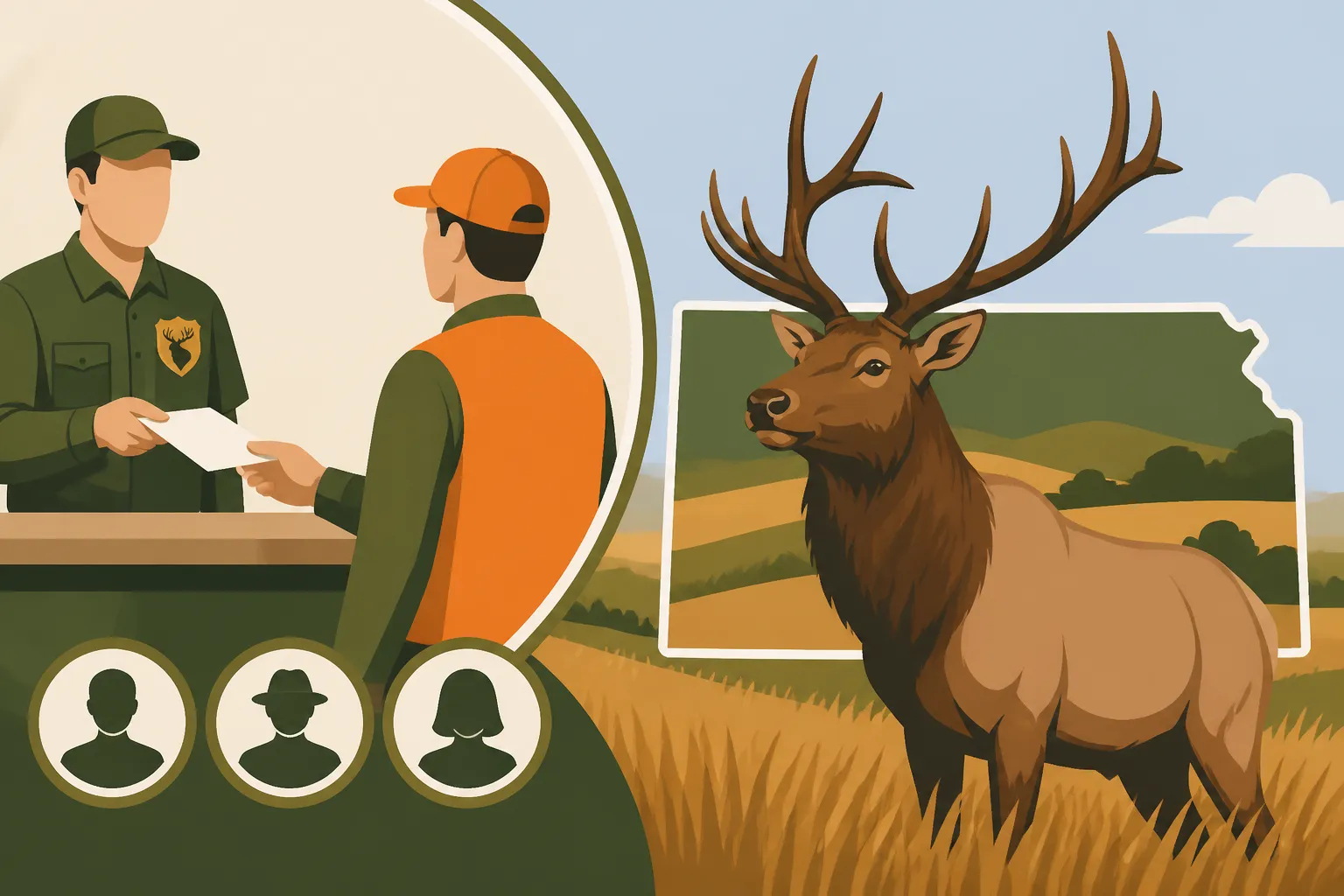
Now, let's get to the crux of the matter: the very specific circumstances under which one might acquire a Kansas elk permit over the counter. These are not open to the general public, but rather tailored to particular groups who meet strict criteria.
Resident Landowner and Tenant Permits for Elk
Kansas recognizes the unique position of landowners and bona fide tenants who have elk residing on their property. If you are a resident landowner who owns at least 80 acres within an open elk unit, or a resident tenant actively engaged in agricultural work on such land, you may be eligible for a special over-the-counter elk permit. This permit, however, comes with a significant stipulation: it must be used on the land you own or lease. You can't use it to hunt elk on public land or other private property.
The intention behind these permits is to help manage local elk populations and address potential depredation issues on agricultural lands. KDWP understands that when elk take up residence on private property, they can sometimes cause damage to crops or fences. By providing an OTC option for these individuals, it offers a direct method for landowners and tenants to participate in the management of these animals on their own ground. It's not a free pass to hunt anywhere; it's a targeted permit designed for specific circumstances tied directly to property ownership or tenancy. Documentation proving ownership or a valid lease agreement is absolutely critical for this type of permit.
Disabled Resident Veterans
Kansas also extends a special provision for its disabled resident veterans. This is a commendable effort to recognize the sacrifices made by these individuals and provide them with unique hunting opportunities. A resident veteran with a 50% or more disability, as certified by the U.S. Department of Veterans Affairs, is eligible to purchase an either-sex elk permit over the counter, without participating in the general draw.
This is a significant benefit, as it removes the long odds of the general draw and provides a guaranteed opportunity for eligible veterans. Similar to the landowner permit, there are specific requirements. Veterans must provide official documentation from the VA verifying their disability status. The intent here is clear: to offer a tangible benefit and opportunity to those who have served and sustained significant injuries. It's important for eligible veterans to contact KDWP directly to understand the full application process and ensure all necessary documentation is in order.
Non-Resident Elk Permit Status
Let's make this crystal clear: non-residents cannot buy any kind of over-the-counter elk permit in Kansas. The limited nature of Kansas's elk population means that all non-resident opportunities are exclusively through the limited draw system, and even those are exceedingly rare. A non-resident hoping to hunt elk in Kansas would need to participate in the general big game draw, which for elk, has almost astronomically low odds. There are no provisions for non-resident landowners, tenants, or disabled veterans to acquire OTC elk permits. This exclusivity for residents underscores the preciousness of Kansas's small elk herds and the state's prioritization of its own citizens for these rare opportunities. This is a fact that services like GoHunt meticulously track and is crucial for anyone planning a non-resident hunt in Kansas.
Navigating the Application Process for OTC Eligibility
Even when you’re eligible for an over-the-counter elk permit, there’s still a process to follow. It’s not quite as simple as grabbing a fishing license. The Kansas Department of Wildlife and Parks needs to verify your eligibility, and that means paperwork and adherence to specific timelines.
Documentation Required for Special Permits
For resident landowners and tenants, proving your eligibility means having your ducks in a row. You'll need official documentation of your land ownership, such as a property deed, or a formal, legally binding lease agreement if you're a tenant. This isn't just a handshake deal; KDWP requires tangible proof. For tenants, the lease often needs to specify agricultural use and your active involvement in farming or ranching activities on that specific parcel of land. Think about what a land-focused platform like GoHunt provides in terms of property line information; that's the level of detail KDWP will be looking for to confirm your eligibility.
For disabled resident veterans, the primary piece of documentation needed is proof of your disability rating from the U.S. Department of Veterans Affairs. This typically comes in the form of an official letter or benefits summary. It’s crucial that this documentation clearly states your disability percentage and that it meets the 50% or higher threshold. KDWP will likely have specific offices or procedures for verifying this sensitive information, so it’s always best to contact them directly well in advance of any hunting season to ensure you have the correct and most up-to-date requirements.
The Application Timeline and Where to Apply
Even for over-the-counter permits, there isn't an "anytime" window. KDWP sets specific dates during which these special elk permits can be purchased. These dates usually align with or occur just before the general elk seasons. It's absolutely vital to be aware of these timelines because missing the window, even if you’re eligible, means you’re out of luck for that year.
These permits can typically be purchased through the KDWP's online licensing portal, at any KDWP regional office, or from authorized license vendors across the state. However, given the need for documentation verification for these special permits, it’s often advisable to handle the purchase either directly at a KDWP office or to prepare your documents for online submission well in advance. Don't wait until the last minute, especially if you anticipate any issues with your paperwork. A quick call to KDWP customer service can save you a lot of headache and ensure you're on the right track. Staying informed about the Kansas Deer Application Window in April or other relevant dates is always a good practice, even for these unique elk permits.
Strategic Considerations for Kansas Elk Hunting
While securing an over-the-counter permit is a huge step, it's just the beginning of the journey. Hunting elk in Kansas, even with a special permit, requires careful planning and a deep understanding of these magnificent, yet elusive, animals.
Elk Locations and Behavior in Kansas
The vast majority of Kansas's wild, free-ranging elk population is concentrated in specific areas, primarily around the Fort Riley military reservation in north-central Kansas. This is where the managed herd is located and where most elk sightings occur. However, smaller, transient groups or individual elk can sometimes be found in other parts of the state, particularly in river bottom habitats or areas with substantial cover and food sources. These are often dispersals from the Fort Riley herd or isolated groups that have established themselves. Our detailed article on Kansas Elk Near Fort Riley goes into much more depth on this particular population.
Hunting these animals in Kansas can be incredibly challenging. They are wary, often residing in dense cover or utilizing large agricultural fields under the cloak of darkness. Their elusive nature, coupled with limited public land access in prime elk areas, means that even with a permit, success is far from guaranteed. You'll need to focus on extensive scouting, understanding their movement patterns, and often gaining permission on private land, even if your OTC permit is tied to your own property. Learning to read the terrain for elk sign, much like you would for deer, is paramount.
Gear and Preparation for an Elk Hunt
Even though it’s Kansas, don’t underestimate the demands of an elk hunt. These animals are large, tough, and often inhabit difficult terrain, even in seemingly flat areas. Your gear needs to be up to the task. This means a reliable rifle or archery setup capable of cleanly taking down a large animal, high-quality optics for spotting in vast landscapes, and durable clothing that can withstand changing Kansas weather conditions. Depending on the time of year you hunt, you might be dealing with warm, early-season conditions or the biting cold of winter.
Preparation also involves physical conditioning. While you might not be climbing mountains, traversing large agricultural fields, deep timber, or rugged river bottoms with an elk on your back is no small feat. Practicing your shooting from various positions and distances is also crucial. Ethical hunting demands that you are proficient with your chosen weapon. Additionally, consider how you will retrieve an elk if successful. Unlike deer, an elk is a massive animal, and having a plan for recovery, field dressing, and transport is essential. Resources like Getting a Deer Out of a River Bottom Alone can give you an idea of the physical challenge involved, amplified significantly for an elk.
Ultimately, an over-the-counter elk permit in Kansas is a rare and special opportunity, reserved for those with specific eligibility. It demands respect for the animal, the land, and the regulations.
| Permit Type | Eligibility (Kansas Resident) | Over-the-Counter Status | Key Restriction | Documentation Required |
|---|---|---|---|---|
| General Elk Permit | All residents | No (Draw only) | Highly limited, unit specific | State hunting license, application fee |
| Fort Riley Elk Permit | Military personnel, some civilians | No (Draw only) | Fort Riley specific rules, access | Military ID, Fort Riley permits, hunting license |
| Landowner/Tenant Elk Permit | Own/lease 80+ acres in open elk unit | Yes | Must hunt on owned/leased land only | Property deed or formal lease agreement |
| Disabled Veteran Elk Permit | 50%+ disability certified by VA | Yes | Applies statewide within open units | Official VA disability documentation |
| Non-Resident Elk Permit | N/A | No (Draw only) | Extremely low odds, no OTC option | Non-resident hunting license, application fee |
Disclaimer
Please note that hunting regulations, seasons, and permit requirements in Kansas are subject to change. Always consult the official Kansas Department of Wildlife and Parks (KDWP) regulations and website for the most current and accurate information before planning any hunting trip. This guide is for informational purposes only and does not supersede state laws or KDWP directives.