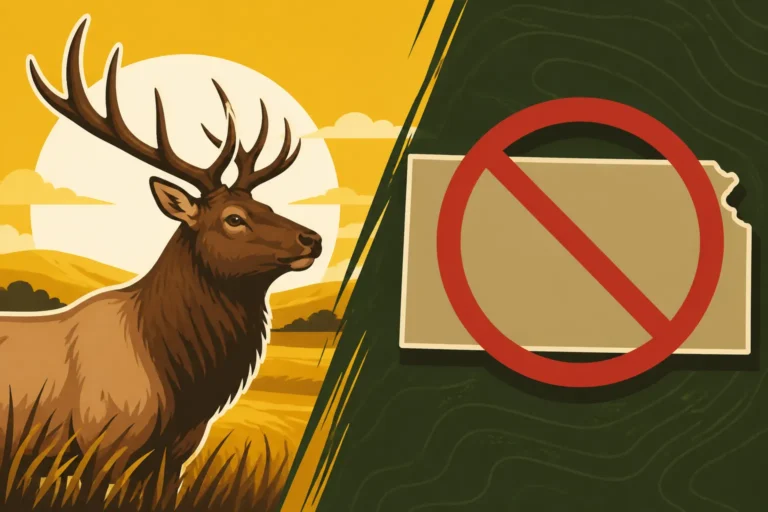
Kansas Deer Permit Transfer Rules
Life throws curveballs, doesn't it? You spend months dreaming, researching, and meticulously applying for that coveted Kansas deer permit, only for an unexpected life event – a new job, a family emergency, an injury – to pop up after you've successfully drawn a tag. It's a gut-wrenching feeling to realize your carefully laid plans might be derailed, and then the big question hits: can you transfer your Kansas deer permit? This comprehensive guide will unravel the intricacies of Kansas deer permit transfer rules, clarifying what’s allowed, what’s not, and how to best navigate these situations.
The Reality of Transferring Your Kansas Deer Permit
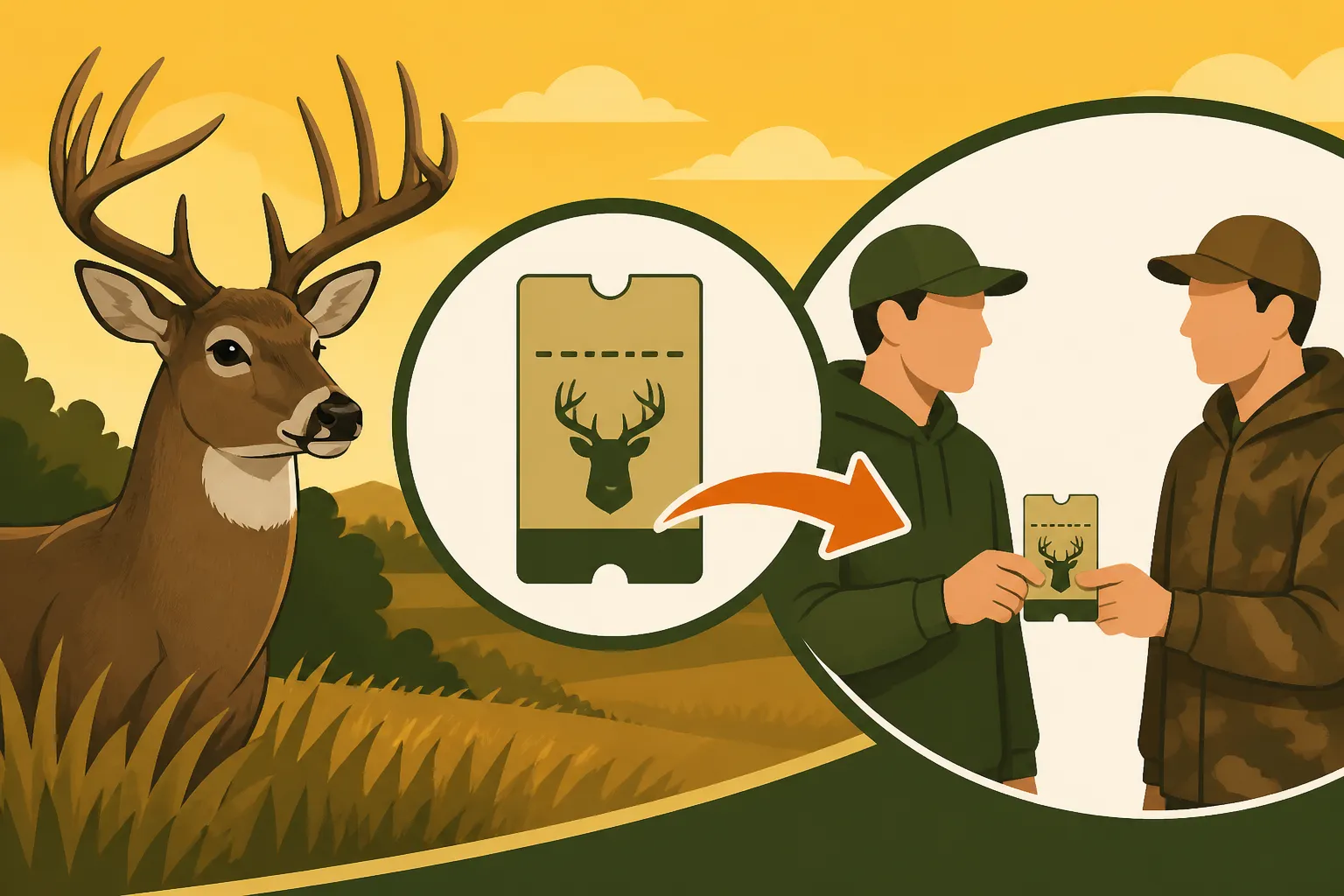
It’s a common misconception that once you have a hunting permit in hand, you can simply hand it over to a friend or family member if your plans change. However, for a state like Kansas with its highly sought-after deer permits and a structured draw system, the rules are very strict. Understanding these regulations is key to avoiding disappointment and potential legal issues.
General Non-Transferability Between Hunters
Let's cut right to the chase: Kansas deer permits are generally non-transferable between individuals. This means you cannot sell your permit to a buddy, give it to your spouse, or let a friend use it, even if you paid for it. The Kansas Department of Wildlife, Parks and Tourism (KDWP) issues permits to a specific individual, and that individual is the only one legally allowed to use it.
The reason for this strict policy ties directly into the fairness and integrity of the draw system. Many hunters invest years accumulating Kansas Preference Points Explained to draw a quality tag. If permits could be freely transferred, it would undermine the lottery system, potentially leading to a secondary market for tags and giving an unfair advantage. Every hunter who draws a permit has gone through the formal application process, and their permit is unique to them. Attempting to use a permit issued to someone else is a serious violation of state hunting regulations and could result in significant fines, license suspension, or even criminal charges. It's simply not worth the risk.
No Direct Transfer for Season, Weapon, or Year
Another aspect often misunderstood is the ability to change the specifics of your permit once it’s issued. Imagine you drew a Kansas archery permit, but now you realize you can only hunt during the firearm season. Or perhaps you had to unexpectedly sell your bow and can only hunt with a rifle. Unfortunately, once a permit is issued for a specific season (archery, muzzleloader, or firearm) or weapon type, it's generally fixed. You cannot unilaterally "transfer" an archery permit to a firearm permit, or vice versa, nor can you roll an unused permit over to the next hunting season.
The application process for a Kansas Nonresident Deer Permit Cost involves declaring your preferred weapon choice, and that choice dictates the type of permit you receive if drawn. While KDWP may address rare administrative errors made during the application process, these are exceptions and not a mechanism for hunters to change their minds or circumstances after the draw. If you are unable to use your permit as issued, the most common outcome is that the permit expires at the end of the season, and the investment of your Kansas Application Fee and Refund Rules and permit cost is forfeited. Crucially, if you draw a permit and do not use it, your preference point total will revert to zero, meaning you lose the hard-earned points you accumulated towards future draws. This penalty underscores the KDWP's emphasis on serious commitment during the application phase.
Understanding Special Permit Provisions and "Transfers"
While a direct transfer of a Kansas deer permit to another hunter or between seasons is largely prohibited, there are a few nuances within the KDWP regulations that might seem like "transfers" or modifications, but are very specific to permit types or application choices.
The Mule Deer Stamp "Conversion"
One notable example that often comes up is the Kansas Mule Deer Stamp. This isn't a transfer of your permit to another person, but rather a way to expand the species you're allowed to harvest with an already drawn Whitetail Any-Season permit. If you possess a valid archery or muzzleloader Whitetail Any-Season permit for certain western Kansas units (primarily units 1, 2, 3, 4, 17, and 18), you can purchase a Mule Deer Stamp. This stamp, once acquired, converts your Whitetail Any-Season permit into an Either-Species/Either-Sex permit, allowing you to harvest either a whitetail or a mule deer in those specific units.
This "conversion" significantly enhances your hunting opportunities, especially in the western parts of the state where mule deer populations exist alongside whitetails. It’s a strategic choice for hunters who apply for a general whitetail permit but hope for a chance at a mule deer. However, it’s critical to understand that this is a modification of your existing permit’s scope, not a transfer to someone else, and it's restricted to specific weapon types and designated Which Kansas Units Qualify for a Mule Deer Stamp. Always consult the current KDWP regulations before making assumptions.
Landowner and Tenant Permit Specifics
Kansas does have special provisions for landowners and tenants, allowing them to acquire specific deer permits. These permits, such as the Hunt-Own-Land permit, are designed to give those who manage the land more direct access to hunting opportunities. However, even these permits are not freely transferable. A landowner permit is issued to the qualified landowner or a bona fide tenant and is tied directly to that individual and their specific property.
While a landowner may invite family members or guests to hunt on their property, those individuals must possess their own legally acquired permits, unless they are hunting under specific youth or apprentice license rules where a mentor is present. The landowner permit itself cannot be "transferred" to a family member or guest for their use. For example, if a landowner draws a permit, their child cannot simply use that permit. The child would need to apply for and draw their own permit, potentially a youth permit, to hunt legally. Understanding Kansas Landowner Deer Permit Rules is crucial to avoid any misunderstandings regarding who can hunt under what authority on private land.
Youth and Apprentice Permit Considerations
Kansas encourages new hunters through its youth and apprentice hunting license programs. These programs offer different pathways to permits for younger hunters or those new to hunting, often with reduced fees or specific season dates. However, the permits issued under these programs are still individual and non-transferable.
A youth permit, for instance, is issued to a specific young hunter who meets the age requirements. While they must be accompanied by a licensed adult mentor, the permit itself belongs to the youth. Similarly, an apprentice hunting license allows an unlicensed individual (of any age) to hunt under the direct supervision of a licensed hunter. This license enables participation but does not grant transferable permit rights. The core principle remains: the permit is tied to the person whose name is on it.
Navigating Unforeseen Circumstances After Drawing Your Tag
Despite the best planning, life happens. You might have carefully submitted your application, navigated the complexity of How to Apply for a Kansas Nonresident Deer Permit, and eagerly awaited the draw results, only to find yourself unable to hunt. It's a tough pill to swallow, but understanding the implications and what (very few) options exist can help you manage the situation.
Financial Ramifications of an Unused Permit
The most immediate impact of not being able to use a drawn permit is financial. You've paid the Kansas Application Fee and Refund Rules and the full permit cost (which can be substantial, especially for non-residents). When you don't use the permit, that money is typically forfeited. KDWP regulations are quite clear: drawn permits are generally non-refundable once issued, except in extremely limited and well-documented circumstances like active military deployment with official orders or the death of the permit holder. Even in these rare cases, it's not a transfer but a potential refund or cancellation, and usually requires prompt notification and specific documentation. Simply changing your mind, having a scheduling conflict, or an injury that prevents hunting usually doesn't qualify for a refund.
Beyond the monetary loss, there's the significant impact on your preference points. As mentioned earlier, if you draw a permit, your preference point total typically reverts to zero. This means all the effort and time you invested to accumulate points for a better draw opportunity are gone. For hunters hoping to draw a high-demand unit or a trophy tag in the future, losing these points can be a major setback. It emphasizes the importance of making sure you're truly able to commit to the hunt before you apply, especially for tags that take years of points to draw. GoHunt's Insider service can be a valuable tool in understanding current draw odds and the implications of your application strategy, helping you make informed decisions about when to apply or when to consider buying a point instead.
Strategic Planning to Mitigate Risk
Given the non-transferable nature of permits and the loss of points, proactive planning is your best defense against unexpected changes. Before you even fill out that application for Kansas Deer Permits and the Nonresident Draw, take a hard look at your schedule for the upcoming year. Are there any potential work conflicts, major family events, or health concerns that could interfere with hunting during Kansas Deer Season Dates by Weapon? While unforeseen circumstances are, by definition, unforeseen, a thorough review of your calendar can help identify potential roadblocks.
Using robust resources for planning is also incredibly beneficial. Platforms like GoHunt provide detailed draw odds, application strategies, and season date information that can help you gauge the difficulty of drawing a specific unit and plan accordingly. This includes understanding the number of points typically needed to draw a Kansas unit, helping you decide if it's worth applying for a highly sought-after tag, or if accumulating more points by applying for a "point only" is a safer bet given your uncertain schedule. Some hunters might also consider applying for less competitive tags, like Kansas Antlerless Hunts and Filling the Freezer, which have higher draw odds and often offer more flexible hunting opportunities. While these hunts might not be for a trophy buck, they can still provide a fulfilling hunting experience and put venison in the freezer if your primary plans fall through.
Understanding KDWP Policies on Refunds and Exchanges
As a general rule, once a Kansas deer permit is drawn and issued, the KDWP does not offer refunds or exchanges for permits that go unused. This policy is in place to ensure the integrity of the draw system and manage wildlife resources effectively. The exceptions are exceedingly rare and typically only apply to situations completely beyond a hunter's control, such as documented military deployment that prevents hunting or the unfortunate passing of the permit holder. In these cases, specific documentation and a prompt request to KDWP are usually required.
It's crucial for hunters to manage their expectations and understand that simply not being able to go hunting is generally not a valid reason for a refund or a transfer of the permit. The responsibility rests on the applicant to ensure they can commit to the hunt if they draw a tag.
Best Practices for Future Kansas Deer Applications
Navigating the Kansas deer draw can feel like a high-stakes gamble, especially when you consider the potential for unforeseen circumstances. However, by adopting some best practices, you can maximize your chances of a successful and stress-free hunting season.
Researching Draw Odds and Unit Choices
One of the most powerful tools in your arsenal is information. Before you submit your application, thoroughly research the draw odds for various units and weapon choices. Services like GoHunt's platform offer invaluable data, helping you analyze historical draw success rates, permit quotas, and the typical number of points required to draw a particular unit. This insight can help you make an informed decision on Choosing a Primary and Adjacent Kansas Unit that aligns with your point total and hunting goals.
For instance, if you have a low number of preference points, applying for a unit that historically takes 5+ points to draw might mean you're essentially "wasting" a year of applying without success, though you still gain a point. Understanding How Many Points to Draw a Kansas Unit is critical. Conversely, if you have accumulated several points, using a resource like GoHunt can help you identify units where your odds are highest, or even strategically apply for a unit that might take fewer points, guaranteeing a tag this year rather than waiting another year. This strategic approach minimizes the chances of drawing a permit for a hunt you're no longer enthusiastic about, or failing to draw a tag when you were ready to hunt.
Considering the Full Hunting Experience
Beyond simply drawing a tag, think about the entire hunting experience you’re committing to. Kansas offers diverse hunting opportunities, from Kansas Whitetail Hunting Tactics Through the Rut to Bowhunting Kansas Deer From September to December. Consider not just if you can hunt, but how you want to hunt. Do you prefer the challenge of archery in early season heat, or the colder, often more action-packed firearm season in December? Your weapon choice and preferred hunting style should factor into your application.
Also, factor in the total investment beyond just the permit fee. This includes your Kansas Hunting Licence and Permit Costs, travel expenses, lodging, gear, and time off work. A comprehensive understanding of the commitment required will help you apply only when you're truly prepared for the entire endeavor. If you plan to hunt public land, consider how much effort you're willing to put into Hunting Kansas Walk-In Land Without Burning It Out or scouting new areas.
Leveraging Resources for Informed Decisions
In today's hunting world, there's no shortage of information available, but quality and relevance are key. Leveraging reputable resources like the official KDWP website and advanced scouting tools such as GoHunt's platform is paramount. These platforms provide up-to-date regulations, season dates, unit boundaries, and crucial data analysis to inform your application decisions.
Staying informed about potential regulation changes or shifts in Kansas Deer Season Dates by Weapon is also crucial. KDWP regularly updates its hunting regulations, and being aware of these changes can prevent costly mistakes. By dedicating time to research and utilizing the wealth of information at your fingertips, you can significantly reduce the likelihood of encountering situations where you need to consider transferring a permit, or worse, forfeiting a hard-earned tag.
| Scenario | Transfer to Another Hunter Allowed? | Change Season/Weapon? | Impact on Preference Points | General KDWP Refund/Option |
|---|---|---|---|---|
| Drew Permit, Can't Hunt (General) | No | No | Reverts to 0 | No Refund; permit expires |
| Drew Whitetail, Want Mule Deer | No (not direct transfer to species) | Yes (with Mule Deer Stamp in eligible units) | Reverts to 0 | Convert permit type via stamp |
| Applied Archery, Want Firearm | No | Generally No (post-draw) | Reverts to 0 | Very limited administrative correction only |
| Landowner Permit Holder Can't Hunt | No (permit is person & property specific) | No | N/A (often no points used) | No Refund; permit expires |
| Military Deployment (Documented) | No | No | Reverts to 0 (usually) | Potential Refund (specific criteria & timing) |
| Hunter Deceased | No | No | N/A | Potential Refund (specific criteria & timing) |
Disclaimer
The information provided in this guide is for general informational purposes only and is subject to change. Hunting regulations, permit requirements, and transfer policies are set by the Kansas Department of Wildlife, Parks and Tourism (KDWP) and can be updated at any time. It is always the hunter's responsibility to consult the most current official KDWP regulations and publications before applying for any permits or engaging in hunting activities. While every effort has been made to ensure accuracy, please verify all information with the official KDWP sources directly.