Antler Growth and Nutrition
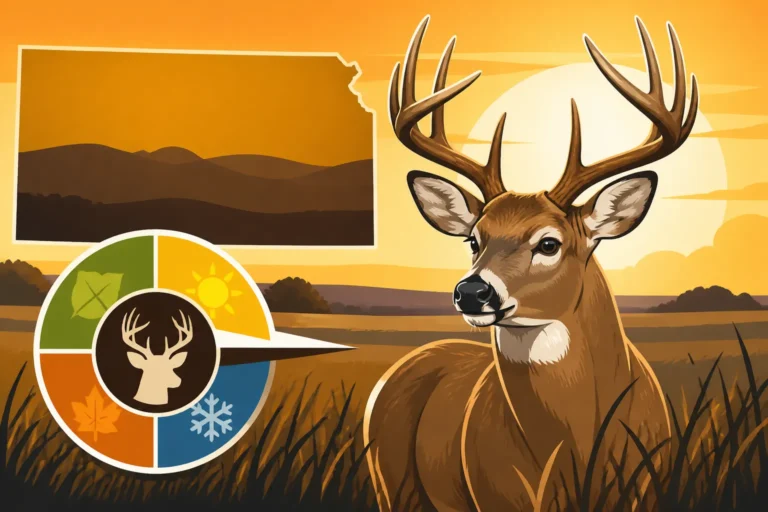
Every hunter who's spent time in a treestand, especially here in Kansas, has probably dreamed of seeing that truly magnificent buck walk by – the one with antlers that just seem to defy gravity. We all know genetics play a huge part, but it's not the whole story. What a buck eats, and when, literally dictates how much of that genetic potential actually gets expressed in hard bone. If you've ever wondered what goes into growing those impressive racks, or felt frustrated when the bucks on your property just aren't reaching their full potential, this guide will break down the crucial link between nutrition and antler growth in Kansas whitetails.
The Foundation: Genetics, Age, and Environment
Before we dive deep into the dinner plate of a whitetail, it's really important to understand that nutrition doesn't work in a vacuum. Think of it like building a house: you need good blueprints (genetics), a solid foundation (age), and a stable environment to build on before you even think about the quality of the wood or bricks (nutrition).
Genetic Potential: Why Some Deer Just Have It
We've all seen them: the buck that, year after year, just seems to pack on more bone than any other deer in the area, even if they're eating the same things. That's genetics at play. A buck's genetic makeup determines the maximum potential for antler size, shape, and mass. You can feed a deer all the protein and minerals in the world, but if its genetic code says it's destined to be a 120-inch 10-point, it's not going to suddenly sprout a 170-inch rack.
However, it's not about being stuck with what you've got. Within a herd, there's a spectrum of genetic potential. Sound herd management, such as carefully managing Kansas Antlerless Hunts and Filling the Freezer to keep deer populations balanced, can indirectly help improve the overall genetic quality over generations by allowing healthier, more robust individuals to thrive and pass on their genes. It's a slow burn, not a quick fix, but it's a piece of the puzzle.
The Role of Age: Time is a Big Factor
This is probably one of the most overlooked, yet critical, components of antler growth. A young buck, say 1.5 or 2.5 years old, is still dedicating a huge amount of its nutritional intake and energy to simply growing its body – increasing muscle mass, bone density, and overall size. Antlers are secondary. While they'll grow antlers, they won't be nearly as impressive as what that same buck could produce later in life.
Think about it: a 1.5-year-old buck might have a modest 6-point rack, but by 3.5 years old, he might jump to a respectable 8- or 10-point. The real magic, though, often happens between 4.5 and 6.5 years old. This is typically when bucks hit their prime, dedicating less energy to body growth and more to putting calcium and protein into their headgear. After 6.5 or 7.5 years, you might see a slight decline in overall size, though mass often remains impressive. Patience truly is a virtue in deer hunting, and allowing bucks to mature is one of the biggest keys to seeing those larger racks.
Environmental Impact: Beyond the Deer's Control
Even with good genetics and age, external factors can throw a wrench into antler development. Harsh environmental conditions can severely impact the quality and quantity of available forage, directly affecting a buck's ability to grow a big rack.
Here in Kansas, we know extreme weather patterns all too well. A severe drought, for instance, can decimate natural forage, reduce crop yields, and limit water availability. Deer might struggle just to maintain body condition, let alone grow impressive antlers. Conversely, a wet spring and moderate summer can lead to an explosion of lush vegetation and abundant crops, giving deer a nutritional buffet.
Diseases like Epizootic Hemorrhagic Disease (EHD) or Chronic Wasting Disease (CWD) also take a toll. EHD, while often not fatal to the entire herd, can weaken survivors significantly, affecting their body condition and subsequent antler growth for a season or two. EHD Effects on Kansas Deer Herds are very real and can set back the antler potential of a localized population. Likewise, CWD degrades a deer's health over time, directly impacting their ability to put resources into antler growth.
The Critical Link: Nutrition's Impact on Antlers
Alright, so we've established that genetics give the blueprint, age provides the opportunity, and a favorable environment sets the stage. Now, let's talk about the actual building materials: the food. This is where nutrition truly shines as a driving force behind antler size and quality.
Macronutrients for Growth: Protein, Carbs, and Fats
Just like for us, a balanced diet is crucial for deer. For antler growth, three macronutrients stand out: protein, carbohydrates, and fats. It's not just about one; they all work together.
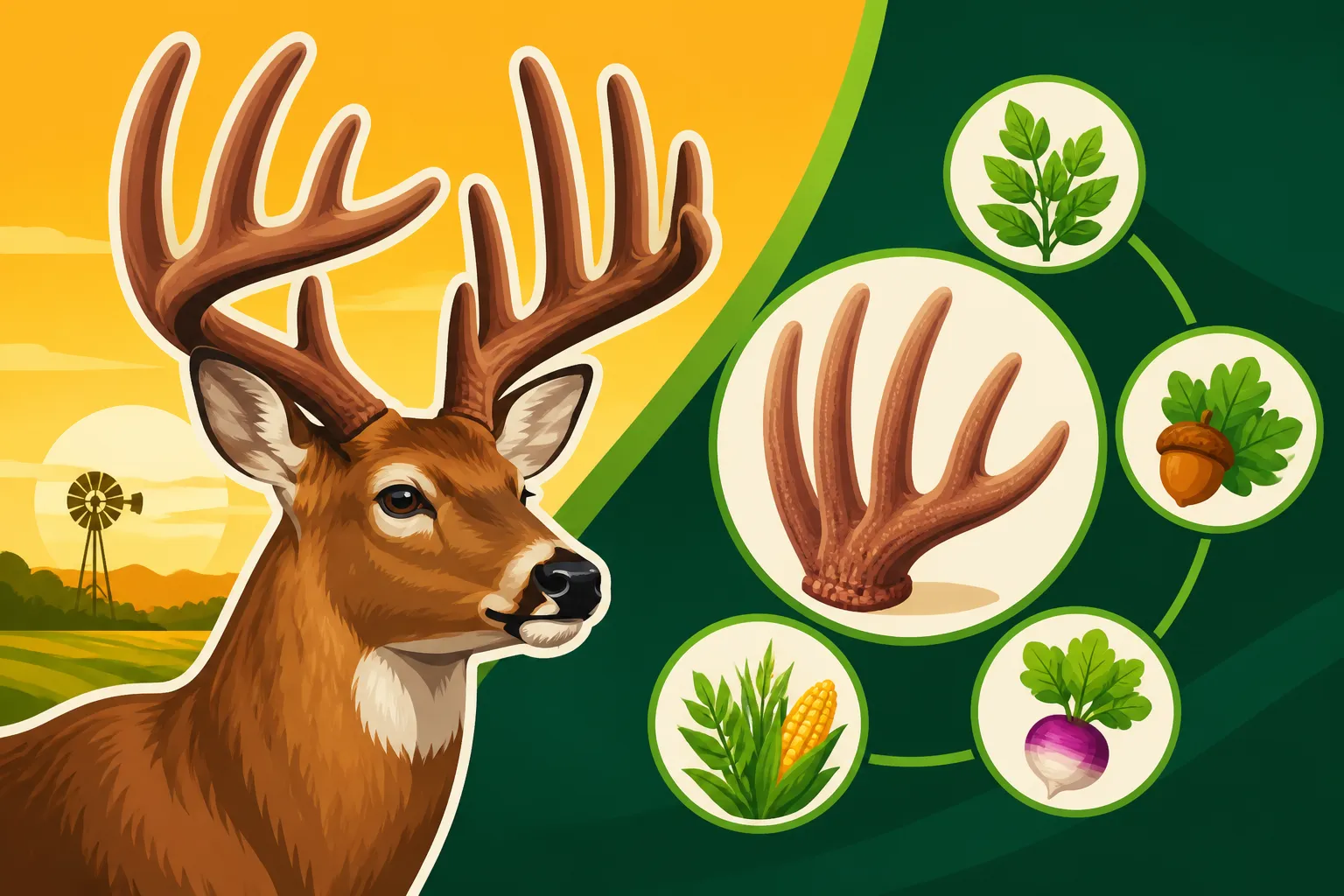
Protein, often touted as the "king" of antler growth, is undeniably critical. Antlers are essentially bone, and bone is largely composed of a protein matrix (collagen) hardened by minerals. A diet rich in protein (typically above 16% to 20% crude protein) is essential during the antler growing phase. Deer derive this protein from a variety of sources: lush green forbs, alfalfa, clover, soybeans, and even young, succulent shoots. If a buck isn't getting enough protein, its body will prioritize basic survival and muscle maintenance over antler growth, resulting in smaller, weaker racks.
Carbohydrates are the primary energy source for deer. Think of them as the fuel that powers all metabolic processes, including the incredibly energy-intensive process of growing antlers. During the spring and summer, when antlers are rapidly developing in velvet, bucks need a consistent supply of carbohydrates to convert into energy. Grains like corn, milo, and wheat, as well as natural browse, provide these vital carbs. Without enough energy, even with adequate protein, a buck simply can't efficiently build that bone.
Fats, while needed in smaller quantities than proteins and carbs, are also important for overall health and energy storage. They provide a more concentrated energy source and are crucial for bucks to build up reserves for the demanding rut period and the lean winter months. A deer in good overall body condition, supported by healthy fat reserves, will be better equipped to put resources into antler growth during the spring and summer.
Micronutrients and Minerals: The "Building Blocks"
Beyond the big three macronutrients, a host of micronutrients and minerals are absolutely indispensable for healthy antler development. You can have all the protein in the world, but without these specific minerals, that protein can't be properly utilized to form bone.
Calcium and phosphorus are the undeniable superstars here. They are the two most abundant minerals in antlers, forming the bulk of the hard bone structure. Deer need a consistent supply of these minerals, especially during the 90-150 day antler growth period. They get calcium from lush vegetation, legumes like alfalfa, and sometimes even from consuming soil (geophagy) that's rich in minerals. Phosphorus is often found in high-protein plants and grains. A proper calcium-to-phosphorus ratio (ideally around 2:1) is also vital for efficient absorption and utilization. Too much of one or too little of the other can hinder antler development.
Other trace minerals, though needed in smaller amounts, play supporting roles that are no less important. Zinc is crucial for tissue repair and immune function, both of which indirectly support healthy antler growth. Copper aids in bone formation and connective tissue development. Selenium and manganese also contribute to overall health and metabolic processes. These trace minerals are typically found in a diverse array of plants, and a varied diet from healthy soils is the best way for deer to obtain them.
Seasonal Nutritional Needs: From Velvet to Hard Horn
A deer's nutritional demands aren't static; they fluctuate dramatically throughout the year, directly influencing antler growth. Understanding this cycle is key.
In late winter and early spring, after shedding their antlers, bucks enter a period of rapid antler regeneration. This is when the velvet-covered antlers begin their incredible growth spurt. During this time, which typically coincides with the emergence of lush new growth and agricultural crops in Kansas, their protein and mineral requirements are at their absolute peak. Bucks are basically in an anabolic state, putting every available nutrient into growing that rack. This period is incredibly energy-intensive, and any nutritional deficit now will directly show up in reduced antler size or quality later.
As summer progresses, antler growth continues, but the energy demands might slightly shift from pure growth to hardening and mineralization. By late summer, as daylight shortens, velvet shedding occurs, and the antlers harden off. During this hardening phase, the antlers are essentially mineralizing, pulling calcium and phosphorus from the deer's skeleton and diet.
After the velvet is shed, and throughout the rut (which typically peaks in When the Kansas Rut Peaks), a buck's focus shifts from antler growth to breeding. Energy is spent on chasing does, fighting rivals, and maintaining territory. Nutritional intake during the rut is often secondary to these activities, leading to significant weight loss. Post-rut and into winter, bucks need to recover, replenish their fat reserves, and prepare for the leanest part of the year. While not directly influencing this year's antler growth, a well-nourished buck going into winter will be healthier and better positioned to start strong on next year's antlers.
How Kansas Habitat Supports Antler Development
Kansas is renowned for its big deer, and a huge part of that reputation comes down to the quality of the habitat and the abundant, nutritious food sources available. Our state's unique blend of agriculture and native ecosystems creates an environment where whitetails can truly thrive.
Crop Fields and Forage: The Agricultural Advantage
It's no secret that Kansas is farm country, and those endless acres of crops are a goldmine for deer. Kansas Deer Habitat in Crop Country provides an unparalleled buffet of high-energy and high-protein foods that directly fuel antler growth.
Take corn, for instance. While not the highest in protein, it's packed with carbohydrates, providing the sheer energy bucks need to power their impressive antler growth. Soybeans, on the other hand, are a protein powerhouse. A field of standing or recently harvested soybeans offers a rich source of protein that helps build that antler matrix. Alfalfa and winter wheat are also excellent forage options, especially in the spring and fall, providing critical protein and minerals when deer need them most. The sheer scale of these agricultural resources means that many Kansas deer, particularly in the central and eastern parts of the state, consistently have access to a rich diet. This abundance contributes significantly to Why Kansas Produces Big Whitetail Bucks.
CRP and Native Grasses: Cover and Supplemental Browse
While crop fields grab a lot of attention, the Conservation Reserve Program (CRP) fields and native grasslands also play a vital, often understated, role in supporting antler development. These areas, particularly in CRP Acres and Kansas Deer Numbers, offer much more than just bedding cover.
CRP lands are often planted with a diverse mix of native grasses and forbs (broad-leafed plants). Many of these forbs, such as various types of clover, lespedeza, and wildflowers, are highly palatable and nutritious to deer, providing essential proteins, vitamins, and minerals that might be lacking in a monoculture crop field. This diversity ensures a more balanced diet throughout the growing season. Beyond direct nutrition, these areas offer sanctuary from hunting pressure and a safe place for deer to digest their meals and conserve energy, both of which are crucial for optimal growth.
River Bottoms and Timber: Diverse Food Sources and Shelter
Don't underestimate the importance of our timbered areas and meandering river and creek bottoms. While less prevalent than crop fields in some areas, these habitats offer a critical diversity of food and sanctuary, particularly in Eastern Kansas Timber and River Bottoms.
Here, deer find a variety of natural browse, from the tender shoots of shrubs and young trees to fallen acorns and other mast crops. Acorns, when available, are a highly sought-after food source, rich in carbohydrates and fats, providing excellent energy for deer. Browse plants offer different mineral profiles than agricultural crops, contributing to a well-rounded diet. Moreover, these timbered corridors provide dense cover, thermal regulation, and reliable water sources, reducing stress on deer. A buck that is not stressed and has a diverse, consistent food supply will always be in a better position to maximize his antler growth. You can learn a lot about how deer use these areas by Reading a Kansas Creek Bottom for Deer Sign.
Managing for Antler Quality: What Hunters Can Influence (and What They Can't)
As hunters and land stewards, we often look for ways to influence the size of antlers on our properties. While you can't change a deer's genetics overnight or control the weather, there are definitely things you can do, especially on private land, to create a better environment for antler growth.
Supplemental Feeding and Food Plots: A Complex Topic
The idea of supplemental feeding (like mineral licks or corn piles) and food plots often comes up when discussing antler growth. It's a nuanced topic with pros, cons, and regulations to consider.
Food plots, essentially agricultural fields planted specifically for wildlife, can be incredibly beneficial on private land, particularly in areas where natural forage or ag crops are lacking or limited in diversity. Planting high-protein annuals like soybeans, clover, or brassicas, or perennials like alfalfa, can provide a consistent, high-quality food source during critical growth periods. This can boost overall herd health and, consequently, antler development. However, food plots require significant investment in time, equipment, and money, and their effectiveness is directly tied to soil health, rainfall, and proper planting techniques. Learning about Food Plots on Leased Kansas Ground can be a great first step for private landowners.
Supplemental feeding, like putting out mineral blocks or corn, is more controversial. While deer will readily consume these, their actual impact on antler growth can be debatable compared to high-quality natural forage. Mineral blocks can provide additional calcium and phosphorus, but deer typically get most of their mineral needs from the plants they eat. Corn is primarily an energy source, great for putting weight on a deer, but less effective for direct antler growth protein. Moreover, supplemental feeding can concentrate deer, increasing the risk of disease transmission and potentially altering natural movement patterns. Always check current Kansas regulations regarding feeding, as rules can change and vary by county.
Herd Management: Balancing the Scales
One of the most impactful strategies for improving antler quality across an area, especially on private land or within a cooperative group, is sound herd management. This primarily involves managing the overall deer population to ensure that the available food resources can support the existing deer numbers.
A common issue in many areas is an unbalanced sex ratio (too many does) and too many young bucks. This leads to intense competition for food, particularly during critical growing seasons. When deer numbers are too high for the habitat, every deer suffers nutritionally, and antler potential is stunted. By judiciously harvesting antlerless deer, you can reduce the overall population pressure, allowing the remaining deer to have more access to high-quality forage. This, in turn, frees up resources for bucks to put into antler growth. It also helps achieve a more natural buck-to-doe ratio, reducing stress on bucks during the rut. Kansas Antlerless Deer Permits are an important tool in this management strategy.
Furthermore, allowing young bucks to mature is paramount. This means passing on those 1.5 and 2.5-year-old bucks. It takes discipline, but giving a buck an extra year or two to grow his body and fully express his genetic potential is often the single biggest factor in seeing larger antlers.
Scouting and Observation: Knowing Your Herd
You can't manage what you don't understand, and that's where diligent scouting and observation come in. Whether you're hunting public ground or managing private land, gathering information about the deer in your area is invaluable.
Trail cameras are an incredible tool for monitoring antler development year after year. They allow you to track individual bucks (if identifiable), observe their age class, and see how their antlers are progressing. By routinely checking your cameras, you can get a good sense of the age structure of the buck herd and which bucks are reaching maturity. GoHunt and other mapping applications are fantastic for E-Scouting Kansas Farm Country From Home, helping you identify potential food sources, bedding areas, and travel corridors where you might concentrate your efforts to observe deer. You can use these tools to locate areas that offer diverse forage and the type of cover that allows bucks to mature relatively unpressured. Understanding the subtle nuances of your specific hunting area will empower you to make more informed decisions about harvest strategies and habitat improvements.
| Nutrient Type | Key Role in Antler Growth | Primary Natural Kansas Sources |
|---|---|---|
| Macronutrients | ||
| Protein | Forms the collagen matrix of antlers; muscle growth | Alfalfa, soybeans, clover, lush forbs, young shoots |
| Carbohydrates | Provides energy for antler growth and metabolism | Corn, milo, wheat, acorns, native grasses, browse |
| Fats | Concentrated energy storage; overall health | Grains, seeds, browse, build-up for winter/rut |
| Micronutrients (Minerals) | ||
| Calcium | Primary component of antler bone | Lush green vegetation, legumes, mineral-rich soils |
| Phosphorus | Critical for bone formation; works with calcium | High-protein plants, grains, mineral-rich soils |
| Zinc | Supports tissue repair, immune function, bone health | Diverse forage, legumes, some grains |
| Copper | Aids in bone and connective tissue formation | Various forage plants |
| Selenium | Antioxidant; muscle health | Diverse forage, can be location-dependent in soils |
Ultimately, growing big antlers in Kansas is a dynamic interplay of factors. While genetics set the maximum potential and age allows that potential to be realized, it's consistent, high-quality nutrition delivered through excellent habitat that truly provides the fuel. By focusing on maintaining a healthy deer population and protecting diverse food sources, hunters and land managers can help ensure that Kansas continues to produce those dream bucks we all love to pursue.
Disclaimer
This article is for general informational purposes only and does not constitute professional advice. Laws, prices and regulations vary by location and change over time. Consult a qualified professional for guidance on your specific situation.