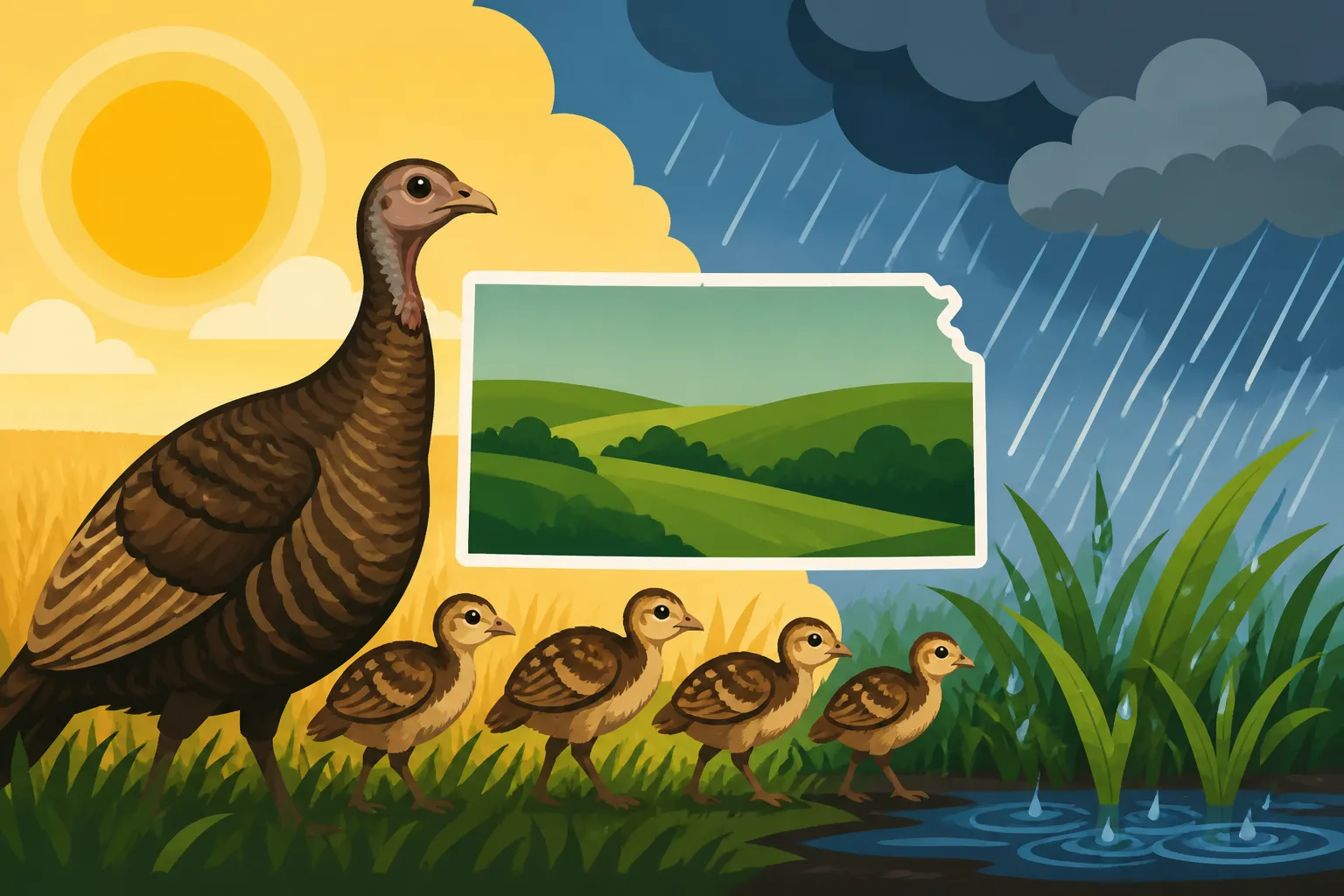
Turkey Poult Survival and Rainfall
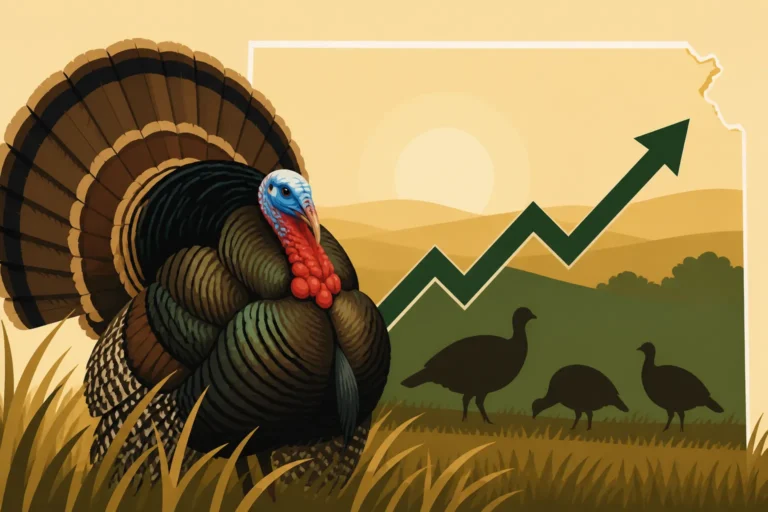
It’s a real kick in the gut for many of us Kansas hunters to see our wild turkey populations struggling in some areas. There’s nothing quite like the thrill of a gobbler sounding off on a spring morning, and when those numbers dip, it impacts everything from our hunting opportunities to the overall health of the ecosystem. A huge, often overlooked, piece of this puzzle revolves around the survival rate of young turkey poults, and how profoundly this is influenced by something as seemingly simple as rainfall. This guide will dive deep into how spring weather, particularly moisture, makes or breaks a turkey hatch, helping you understand the forces at play beyond our control and appreciate the importance of good poult years when they happen.
The Critical Link Between Rainfall and Turkey Poult Survival
When we talk about the health of a wild turkey population, especially here in Kansas, one of the most vital metrics is the number of poults that survive from hatch to adulthood. And let me tell you, those first few weeks of a poult's life are an absolute gauntlet. They're tiny, vulnerable, and completely dependent on their mother for warmth, protection, and guidance to food. This is where rainfall enters the picture, not just as a gentle shower, but as a critical environmental factor that can either set them up for success or doom them from the start.
Imagine a clutch of newly hatched poults, barely bigger than a golf ball, covered in down, not true feathers. Their ability to regulate their body temperature is extremely limited. A warm, sunny spring day with scattered, light showers that quickly dry out poses little threat. These gentle rains can even be beneficial, softening the ground and encouraging insect activity, which is their primary food source. However, persistent, heavy downpours are a different story entirely. A prolonged cold rain, especially when paired with cooler temperatures, can quickly lead to hypothermia. Poults get soaked, can't dry out fast enough, and their small bodies simply can't generate enough heat to compensate. It's a silent killer, often leaving entire broods decimated without ever really showing a physical sign other than simply vanishing. The frustration for hunters is palpable when you know the hens nested, but the poults just never materialized in significant numbers.
Beyond the direct chilling effect, excessive rainfall also indirectly impacts poult survival by affecting their food supply. Young turkeys are voracious insect eaters in their first few weeks. Grasshoppers, crickets, beetles, and various larvae provide the protein and energy needed for rapid growth and feather development. Heavy rains can wash away or drown many of these insects, or simply make them less accessible in dense, wet vegetation. When the buffet is closed, poults struggle to get the nutrition they need, leading to slower growth, weakened immune systems, and increased susceptibility to disease. It's a double-whammy that makes consistently wet springs particularly devastating for turkey recruitment. This is a big part of why we’ve seen Kansas Turkey Population Trends shift.
Understanding Ideal Weather Conditions for Strong Brood Rearing
So, if torrential rains are bad, what exactly constitutes "good" weather for our Kansas turkey poults? Think of it as a Goldilocks scenario: not too wet, not too dry, and just right in terms of temperature. Ideal conditions involve a consistent pattern of warm, mild temperatures, with ample sunshine to dry out the landscape after any precipitation. The key is balance – enough moisture to promote lush vegetation growth and a thriving insect population, but not so much that it overwhelms the delicate poults.
A spring that features warm, sunny days interspersed with gentle, soaking rains is practically perfect. These rains keep the native grasses and forbs growing vigorously, providing excellent cover for nesting hens and, later, for broods. Crucially, this moisture also sparks a boom in insect activity. Think about those days after a nice spring shower when everything is buzzing with life; that's prime hunting ground for a hungry turkey hen with a brood in tow. Abundant insects mean poults can easily find the high-protein diet they need to grow strong and fast, developing their true feathers quickly, which improves their ability to regulate body temperature and escape predators. This rapid development is absolutely key to their early survival, and it's directly tied to plentiful food sources.
Sunshine, believe it or not, is almost as important as the right amount of rain. After a dewy morning or a light rain, poults need to dry off quickly to avoid getting chilled. Hens will often lead their broods to sunny openings or gravel roads to sunbathe, a critical behavior for warming up and drying their down. A lack of sunshine, especially during prolonged periods of damp weather, can compound the problems caused by rainfall. When you're trying to figure out where turkeys might be thriving, or struggling, after a spring, it's often worth checking historical weather data. You might even use platforms like GoHunt that provide weather overlays and historical data, which can sometimes hint at how good a given year’s hatch might have been in a particular unit. Knowing these patterns helps us understand Why Kansas Turkey Numbers Fell in some years more than others.
The Negative Impacts of Extreme Weather on Young Turkeys
While we hope for that perfect spring, Kansas weather often throws us curveballs, and these extremes can be brutal on turkey poults. It’s not just a little bit of rain or a slightly hot day; it's the extreme versions that really wreak havoc on the next generation of our turkey flocks.
Excessive Rainfall and Flooding
When the skies open up and stay open, it’s a terrifying scenario for a hen and her poults. We're talking about days, sometimes weeks, of relentless, heavy rain that turns fields into lakes and creeks into raging rivers. The direct mortality from such events can be staggering. Poults, especially those just days old, can be literally drowned in flooded nests or simply succumb to hypothermia from prolonged exposure to cold, wet conditions. Their tiny bodies aren't built to withstand that kind of assault.
Beyond direct mortality, excessive rainfall impacts every aspect of poult survival. Nesting hens might have their nests completely washed out before the eggs even hatch, forcing them to re-nest, if they have the energy and time. This pushes back the hatch date, putting poults at a disadvantage later in the season. Brood-rearing habitat, which ideally consists of open grassy areas with ample insects and escape cover, becomes waterlogged and unusable. Insects disappear, either drowned or driven deeper into the soil, leaving poults without their vital food source. Furthermore, stagnant water and damp conditions are a breeding ground for diseases and parasites, which can spread rapidly through a stressed brood. This often explains a poor hatch even when you’re seeing plenty of adult hens around.
Drought Conditions
On the flip side, prolonged drought can be just as detrimental, albeit in different ways. While poults won't drown, a lack of moisture leads to parched landscapes, stunted vegetation, and a severe reduction in insect populations. No rain means no new growth, and the tender green plants that insects feed on become scarce. This creates a cascade effect: fewer insects mean less food for poults, leading to malnutrition, slower development, and a higher vulnerability to disease and predation.
Drought also means less cover. Sparse vegetation provides less concealment for pouts trying to hide from predators like coyotes, bobcats, or raptors. Hens struggle to find safe places to hide their broods, making them easier targets. Water sources, which can be critical even for poults as they age, dry up, forcing turkeys to travel further, increasing their exposure to danger and stress. Dry, dusty conditions can also impact respiratory health in young birds. When you notice conditions becoming extremely dry during nesting and brood-rearing, it’s often a strong indicator that the hatch will be below average that year.
Temperature Extremes
And it's not just about the wetness or dryness; temperature plays a huge role. Cold, wet springs are arguably the worst-case scenario, combining the lethal effects of hypothermia with a lack of insect food. Conversely, extreme heat, especially when paired with drought, can also stress poults. While turkeys are generally heat-tolerant, prolonged periods of triple-digit temperatures with no relief can lead to dehydration and heat stroke, particularly for young birds whose bodies are still developing. Hens will expend valuable energy trying to keep their broods cool, often leading them to limited shady areas which can also concentrate them and make them more vulnerable. Understanding these nuanced weather impacts is key to grasping the complexities of Kansas Wild Turkeys and the Population Decline.
Habitat's Role in Buffering Weather Extremes for Poults
Even with the unpredictable swings of Kansas weather, the quality of available habitat plays an enormous role in how well turkey poults can weather the storm, literally and figuratively. Think of good habitat as a natural insurance policy against the worst of Mother Nature’s moods. It can’t prevent a flood, but it can provide critical refuge.
Diverse and dense nesting and brood-rearing cover is paramount. This isn't just about tall grass; it's about a mosaic of different vegetation types. Areas with robust stands of native warm-season grasses, like switchgrass or bluestem, provide excellent overhead cover from rain and harsh sun. These grasses often grow in clumps, creating small, sheltered pockets where poults can huddle to stay dry and warm. Adjacent areas with thicker shrubby cover, like plum thickets or cedar rows, offer even more substantial protection from driving rains and high winds. A mixture of these cover types ensures that hens have options, moving their broods to the best available shelter depending on the immediate weather conditions. It's often in these varied habitats that you'll find Where Turkeys Roost in Farm Country, offering safe havens.
Beyond shelter, healthy habitat directly impacts the insect buffet that poults rely on. Fields of native grasses and wildflowers, managed with thoughtful burning rotations, tend to have a much higher diversity and abundance of insects compared to monoculture crop fields or heavily grazed pastures. These insects thrive in the undisturbed understory, providing a consistent food source even if some surface insects are washed away by rain. Good habitat management aims to create these insect factories close to secure nesting and roosting areas, minimizing the travel distance for vulnerable poults. For hunters interested in finding these areas, using mapping tools like those offered by GoHunt can highlight specific types of vegetation and land cover, which can be invaluable for identifying potential high-quality poult habitat or finding areas where Nest Predation and Turkey Numbers might be lower due to denser cover.
Furthermore, well-structured habitat can offer elevated ground or slight slopes that allow water to drain away quickly after heavy rains. This prevents stagnant puddles and keeps the ground relatively drier, further reducing the risk of chilling and disease for poults. Habitat that provides easy access to grit – small stones essential for a turkey’s digestion – and fresh water sources is also crucial, especially during dry spells. When you're considering areas to hunt or explore, always look for these signs of resilient, varied habitat; it's a strong indicator of where turkeys might be successfully raising their young.
Here's a quick look at how different rainfall patterns generally influence turkey poult survival:
| Rainfall Type | Description | Impact on Poult Survival | Key Factors |
|---|---|---|---|
| Light, Intermittent Showers | Brief, gentle rain followed by sunshine. | Excellent: Promotes insect growth, allows quick drying. | Warm temps, quick drying, increased food. |
| Moderate, Soaking Rains | Consistent, but not torrential, moisture over days. | Good to Moderate: Sustains vegetation, may temporarily reduce insect activity. | Sufficient cover for shelter, mild temps, duration of wetness. |
| Torrential Downpours/Flooding | Heavy, prolonged rains; localized flooding. | Poor: High direct mortality from drowning/hypothermia. | Cold temps, lack of cover, widespread insect loss, disease risk. |
| Drought Conditions | Extended periods of no rainfall, dry landscape. | Poor: Reduced insect populations, sparse cover. | Lack of food, increased predation risk, dehydration, stress. |
| Cold, Wet Spring | Combination of low temperatures and persistent rain. | Catastrophic: High direct mortality, virtually no insect activity. | Hypothermia, starvation, high disease risk, few re-nesting opportunities. |
This table underscores why a nuanced understanding of spring weather is so crucial for assessing turkey populations year to year. When you're gearing up for Kansas Spring Turkey Permits and Units, remember that the conditions many months prior often dictate how many birds are even available to hunt.
Disclaimer
This article is for general informational purposes only and does not constitute professional advice. Laws, prices and regulations vary by location and change over time. Consult a qualified professional for guidance on your specific situation.