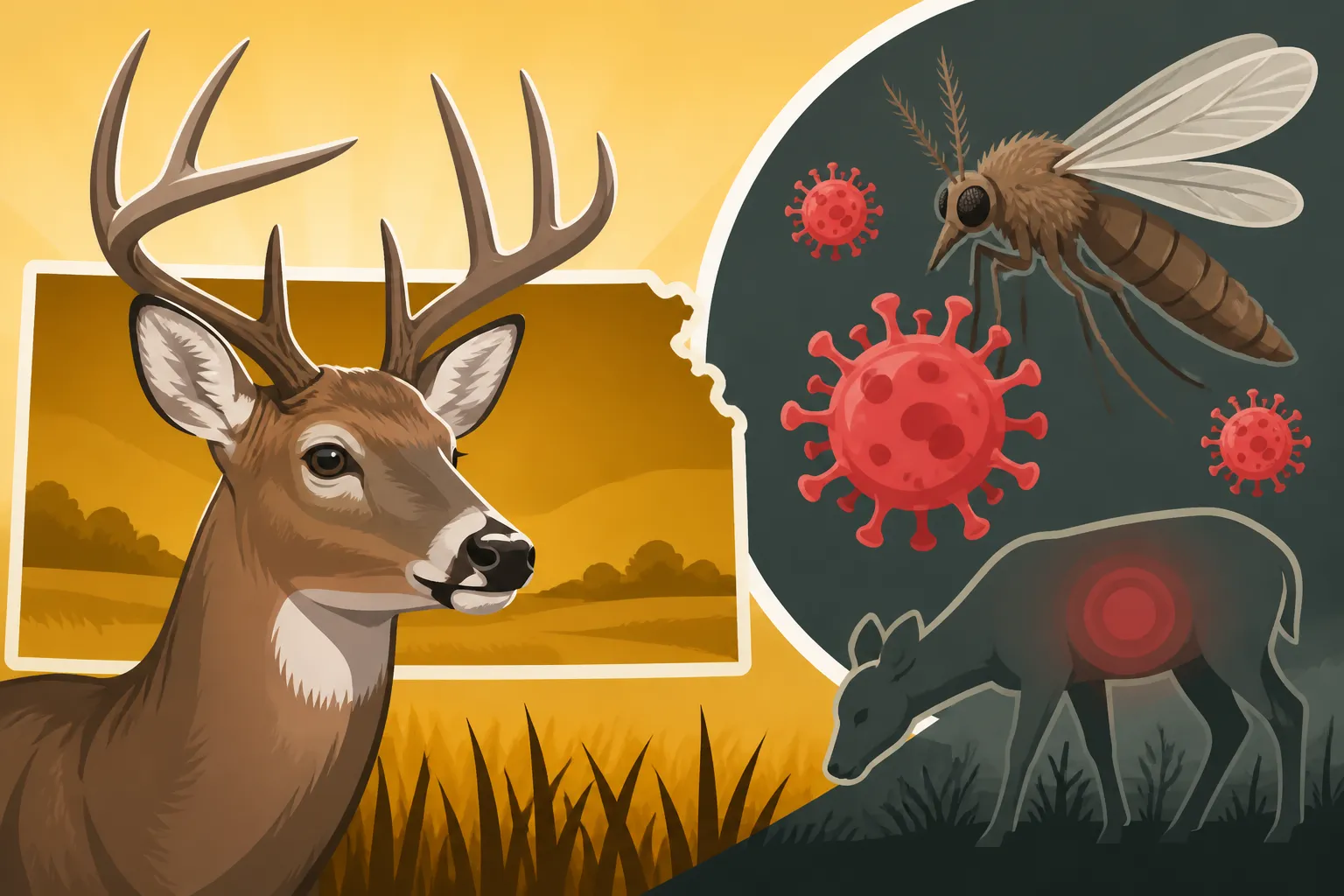
Deer Disease and EHD Outbreaks
There's nothing quite as disheartening for a hunter as discovering a sick or deceased deer in the field, especially when you've invested so much time and effort into understanding and pursuing these incredible animals. It's a natural reaction to worry about the health of the herd, what it means for future hunting seasons, and even what it means for you and your family. This guide is here to shed some light on deer diseases, particularly Epizootic Hemorrhagic Disease (EHD), its impact on Kansas whitetail and mule deer, and how you can be an informed and responsible hunter in the face of these challenges.
Understanding Epizootic Hemorrhagic Disease (EHD) and Its Impact
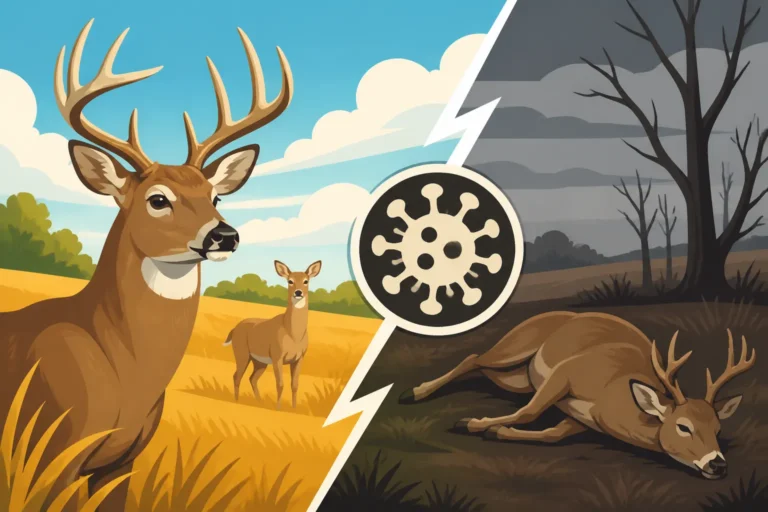
Epizootic Hemorrhagic Disease, often just called EHD, is one of the most common and widely distributed viral diseases of deer in North America. For Kansas hunters, it's a condition that can cause significant localized die-offs, leaving us scratching our heads and feeling a real sense of loss. While it's primarily a deer disease and doesn't pose a direct threat to humans, its effects on the deer population can be profound, impacting herd numbers and even the quality of the hunting experience.
What Exactly is EHD?
EHD is caused by a virus transmitted by tiny biting midges, often referred to as "no-see-ums" or "gnats." These aren't your typical mosquitoes; they're much smaller, but their impact can be massive. The virus causes damage to the deer's blood vessels, leading to internal bleeding, fever, and a range of other severe symptoms. Imagine a deer suffering from a high fever and extreme dehydration, trying desperately to find relief. That's essentially what EHD does. The disease doesn't spread directly from deer to deer; it requires the midge vector, meaning the outbreaks are tied to the life cycle and habitat of these insects.
For Kansas, this means that hot, dry summers followed by periods of rain that create stagnant water sources can be prime conditions for midge populations to boom, and subsequently, for EHD outbreaks to occur. We've all seen those years where the creeks dry up to muddy puddles – those are exactly the places these midges thrive and where deer, seeking water, become vulnerable. It’s a cruel twist of nature that the very act of seeking life-sustaining water can expose them to this devastating illness.
Why EHD Outbreaks Matter to Kansas Hunters
The immediate concern for hunters when an EHD outbreak hits is the visible loss of deer. We're talking about finding multiple deer carcasses, often near water sources, in a short period. This can severely reduce deer numbers in affected areas, sometimes dramatically. If you've been monitoring specific deer on your hunting land or public ground, only to find them gone or deceased, it's incredibly frustrating and disheartening. It can feel like all your hard work in Scouting Kansas River Bottoms and Creek Draws or keeping tabs on a particular buck was for nothing.
Beyond the immediate die-off, EHD can also impact the long-term health and age structure of the herd. If a significant number of mature bucks or breeding does are lost, it takes years for those populations to rebound. This can affect future antler growth potential and overall deer density, making successful hunting more challenging. It's a sobering thought when you consider how much effort goes into cultivating healthy deer populations and then a natural event can decimate them. The deer herd numbers by unit can fluctuate significantly year to year because of factors like EHD.
How EHD Outbreaks Manifest in Kansas Deer Populations
Recognizing the signs of EHD is crucial for hunters. While no one wants to find sick or dead deer, knowing what to look for helps in reporting and understanding the health status of your hunting areas. EHD typically appears in late summer and early fall, coinciding with the peak activity of the biting midges. As the first hard frost arrives, the midge population dies off, bringing an end to the EHD season for that year.
Visible Symptoms and Behavioral Changes
Deer infected with EHD often display a range of distressing symptoms. The most obvious is a fever, which drives the deer to seek water to cool down, often leading to carcasses being found near ponds, creeks, and rivers. You might see deer that appear lethargic, weak, and disoriented, sometimes even walking in circles. Their eyes might be swollen, and they may have a blue tinge to their tongue. Internally, the disease causes ulcers and hemorrhages, particularly in the mouth, tongue, and stomach lining.
Another tell-tale sign can be swelling of the head, neck, tongue, or eyelids. Their hooves might also be cracked or sloughing off, a long-term effect for deer that survive the initial infection but are left with lasting damage. If you're out Early-Season Bowhunting Over Water in September, these are the kinds of signs you might unfortunately stumble upon. It’s a stark reminder of nature’s raw power and vulnerability.
Common Outbreak Timing and Environmental Factors
EHD outbreaks are closely tied to weather patterns. As mentioned, hot, dry periods that cause water levels to recede and create stagnant pools are ideal breeding grounds for the midges. When subsequent rains arrive, these midges hatch in large numbers, spreading the virus. This usually means late summer through early fall is the prime window for EHD activity in Kansas. We've seen years where it seemed like EHD hit certain areas particularly hard, often coinciding with these specific environmental conditions.
The severity and geographic spread of EHD can vary widely year to year. Some years might see minor, localized incidents, while others experience widespread outbreaks across multiple counties. It's almost like a roll of the dice, making it difficult to predict precisely where and when the next major EHD event will occur. Keeping an eye on local conditions and reports from the Kansas Department of Wildlife, Parks and Tourism (KDWP) is essential, and digital tools like GoHunt can provide useful insights into localized reports and help visualize potential hotspots based on water sources.
Distinguishing EHD from Other Deer Diseases and CWD Concerns
When you find a sick or dead deer, it's natural to immediately jump to conclusions or worry about the worst-case scenario. However, it's important to remember that not every deceased deer is an EHD casualty, and there are other diseases that can affect deer, some of which have different implications for hunters. Understanding the key differences, particularly with Chronic Wasting Disease (CWD), is crucial for both herd health and hunter safety.
EHD Versus Chronic Wasting Disease (CWD)
EHD and CWD are fundamentally different diseases, though both can cause deer mortality. EHD is a viral disease with a rapid onset, typically seen in warm months, and often results in mass die-offs in localized areas. Deer either die quickly or, if they survive, recover (though they might have residual health issues). There's no known risk of EHD transmission to humans.
CWD, on the other hand, is a neurological disease caused by abnormal proteins called prions. It's a slow-acting, always fatal disease that can take months or even years to manifest symptoms. CWD deer often appear emaciated, disoriented, and may drool excessively. It primarily affects the brain and nervous system, leading to a gradual decline. Unlike EHD, CWD is a persistent threat, and there are recommendations for handling and consuming venison from CWD-positive areas. The question of Chronic Wasting Disease in Kansas and its implications is a serious one for hunters.
Here's a quick comparison to help keep them straight:
| Feature | Epizootic Hemorrhagic Disease (EHD) | Chronic Wasting Disease (CWD) |
|---|---|---|
| Cause | Virus (transmitted by biting midges) | Prion (abnormal protein) |
| Onset/Progression | Rapid; symptoms appear within days, death within 7-10 days | Slow; symptoms develop over months/years, always fatal |
| Seasonality | Late summer/early fall (ends with first hard frost) | Year-round (no seasonal pattern) |
| Symptoms | Fever, lethargy, swelling (face/tongue), hemorrhages, seeking water, sloughing hooves | Emaciation, lethargy, drooling, unusual behavior, stumbling |
| Mortality | Can cause significant localized die-offs | Always fatal, but slower, gradual population impact |
| Human Risk | No known human health risk | CDC advises against consuming meat from infected animals |
| Spread | Midge vector, not direct deer-to-deer | Direct contact, environmental contamination (saliva, urine, feces) |
The effects of EHD on Kansas deer herds can be quite dramatic in the short term, whereas CWD is a long-term, insidious problem. Hunters need to be aware of both, but understand their distinct characteristics.
Other Ailments Affecting Kansas Deer
While EHD and CWD get a lot of attention, deer can suffer from various other diseases and conditions. Bacterial infections, parasites, malnutrition, and injuries are all part of a deer's life in the wild. Sometimes a deer might appear sick due to an old injury, a severe parasite load, or simply being past its prime. Not every sick-looking deer has EHD or CWD, though it's always prudent to be cautious.
It's helpful to be familiar with the general health of deer in your area, which can be part of your overall Kansas Whitetail Hunting Tactics Through the Rut observation. A healthy deer herd is often a resilient one, better able to withstand minor outbreaks or other environmental stressors. Paying attention to things like the Deer density by Kansas Unit and overall condition of harvested deer can give you clues about broader herd health.
What Hunters Can Do When Encountering EHD-Affected Deer
Encountering a sick or dead deer, especially if you suspect EHD, can be unsettling. However, your actions as a hunter can be incredibly valuable in helping wildlife agencies monitor and manage these outbreaks. The KDWP relies heavily on public reports to understand the scope and severity of disease events.
Reporting Sick or Deceased Deer to KDWP
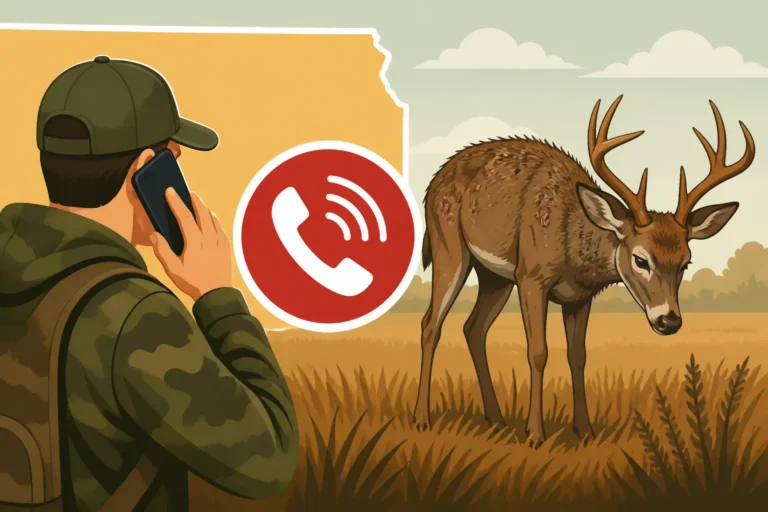
The most important thing you can do is report any sick or unusually acting deer, or multiple dead deer, to the Kansas Department of Wildlife, Parks and Tourism. They have specific protocols for how to handle these reports and investigate potential outbreaks. Don't assume someone else will report it; your call could be the critical piece of information they need. When you call, try to provide as much detail as possible:
- Location: Be as precise as you can. GPS coordinates are ideal, but crossroads, identifiable landmarks, or even a detailed description of how to get there can work. Using mapping apps like the ones available on GoHunt can help you pinpoint exact locations for reporting.
- Number of animals: How many sick or dead deer did you observe?
- Observed symptoms: What exactly did you see? Lethargy, swelling, seeking water, disorientation?
- Date and time: When did you make the observation?
This information helps KDWP determine the extent of an outbreak and whether further investigation or testing is needed. Prompt reporting is key, as it allows them to track the progression of the disease and implement any necessary management strategies. Learning how to identify EHD Effects on Kansas Deer Herds will help you give a clear and concise report.
Carcass Management and Disposal Recommendations
If you find a deceased deer that you suspect died from EHD, it's generally recommended to leave the carcass undisturbed, especially if it's on public land. KDWP may want to examine it for testing. If it's on private land and you wish to dispose of it, consider burying it deeply or moving it to a remote, wooded area where scavengers can access it without posing a nuisance. Avoid moving carcasses long distances, as this could inadvertently spread any disease agents.
It’s also wise to wear gloves if you must handle a carcass. While EHD isn't known to affect humans, it's always good practice to minimize direct contact with wildlife for general health and safety. Clean any tools or clothing that come into contact with the animal.
Hunting Strategies During and After an Outbreak
Hunting during an EHD outbreak can be a strange experience. You might see fewer deer, or the deer you do see might appear stressed. It's critical to continue to follow KDWP regulations and harvest limits. Sometimes, antlerless hunts, such as Kansas Antlerless Hunts and Filling the Freezer, might even be encouraged in areas less affected by disease to help manage herd numbers effectively. Always check the latest regulations and advisories from KDWP, as they may issue specific recommendations for affected areas.
After an outbreak subsides, it's common to see a dip in the local deer population. This doesn't mean the herd is gone forever. Deer are resilient, and with good habitat and a few mild winters, populations can recover. Focus your efforts on Late-Season Food Source Hunting or identifying areas with good cover, as these places may offer sanctuary for surviving deer and aid in their recovery. It's a reminder that hunting is not just about the harvest, but also about being a steward of the land and its wildlife.
Remember, you can use tools like GoHunt to cross-reference reported disease outbreaks with your intended hunting areas, allowing you to make more informed decisions about where and when to hunt. This kind of platform can really help you stay on top of local conditions.
Disclaimer
This article is for general informational purposes only and does not constitute professional advice. Laws, prices and regulations vary by location and change over time. Consult a qualified professional for guidance on your specific situation.