Canada Geese in Kansas Cities
Canada geese in Kansas cities explain why urban populations thrive and how communities manage their presence with effective steps.
Know what you’re after.
Big game, small game, upland birds, and waterfowl — identification, behavior, rut and migration timing, and how each species moves through the season.
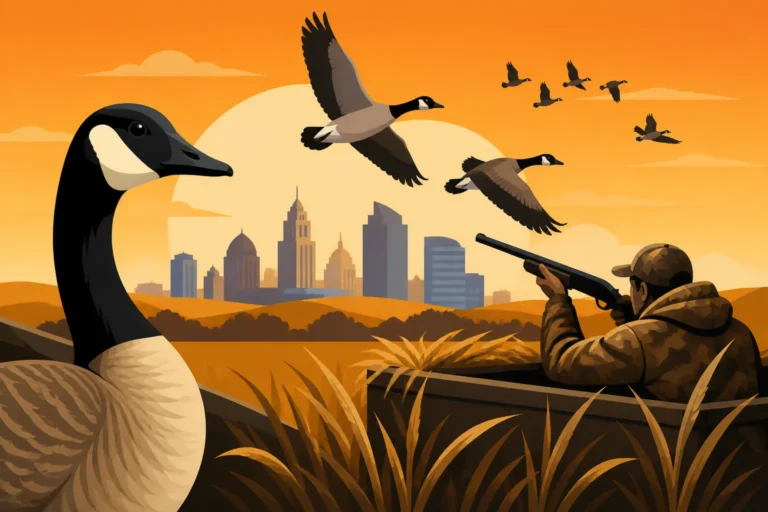
Canada geese in Kansas cities explain why urban populations thrive and how communities manage their presence with effective steps.
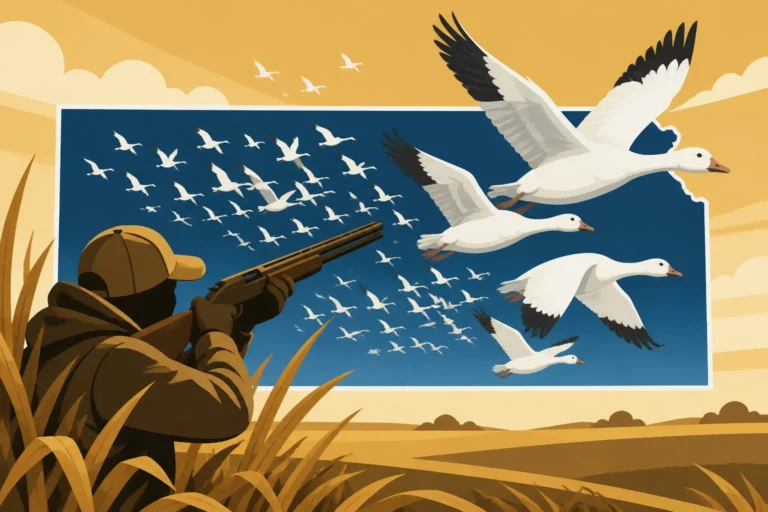
Kansas snow goose population numbers and migration patterns in the Central Flyway help hunters track peak winter and spring timing.
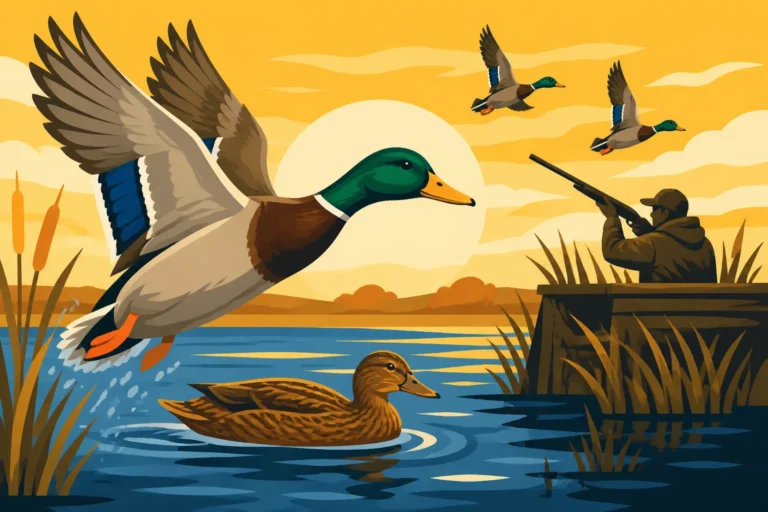
Kansas reservoir mallard hunting strategies, migration timing, feeding habits, and weather impacts for successful waterfowl hunters.
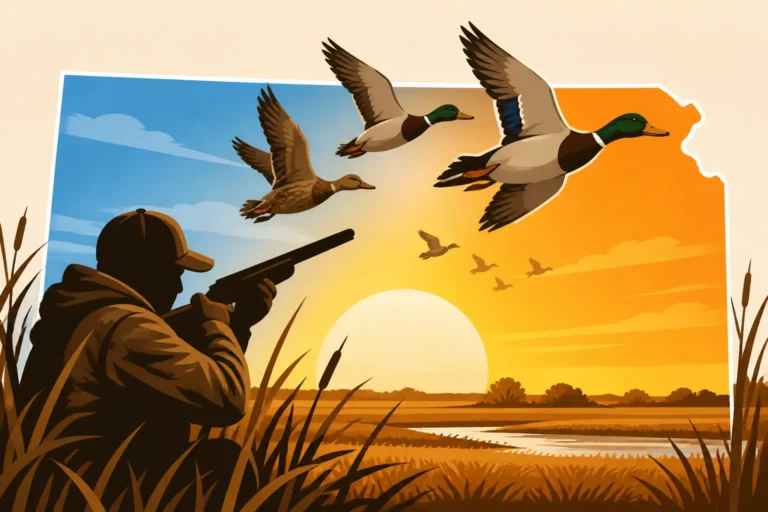
Kansas duck migration timing depends on northern cold fronts, wind direction, and seasonal food availability along the Central Flyway.
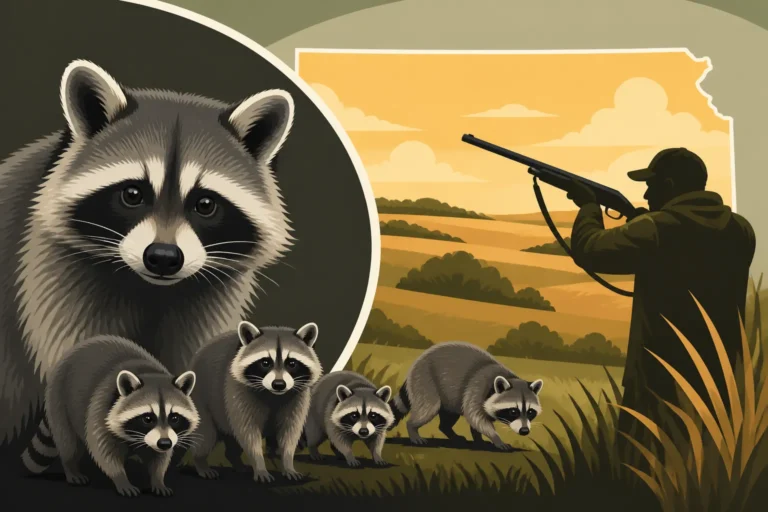
Kansas raccoon populations and hunting regulations, explaining habitat factors, adaptable diets, and trapping seasons in the state.
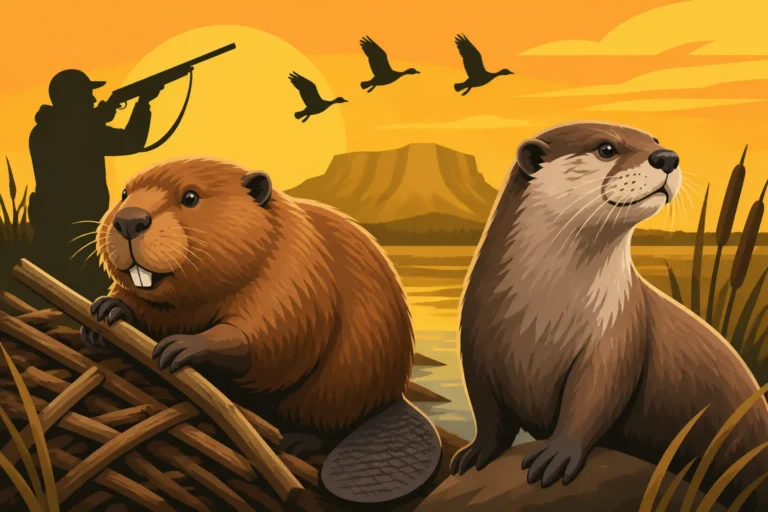
Kansas beavers and river otters shape local waterways, build dams, create wetlands, and support statewide wildlife biodiversity.
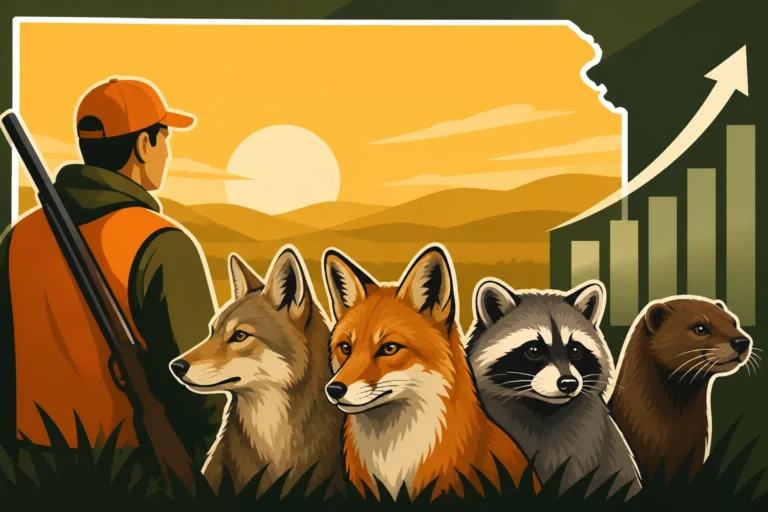
Kansas furbearer harvest data helps wildlife officials gauge population health and set hunting and trapping regulations for species like raccoons.
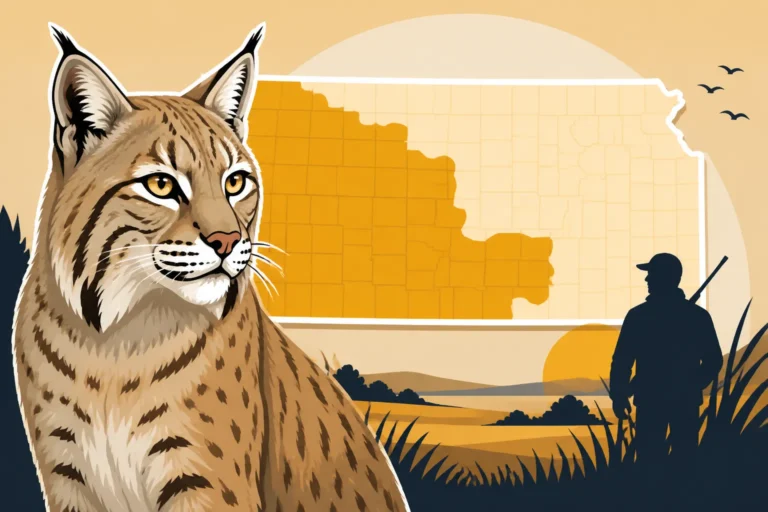
Bobcat range across Kansas includes preferred habitats, geographic distribution, food sources, and environmental factors shaping their existence.
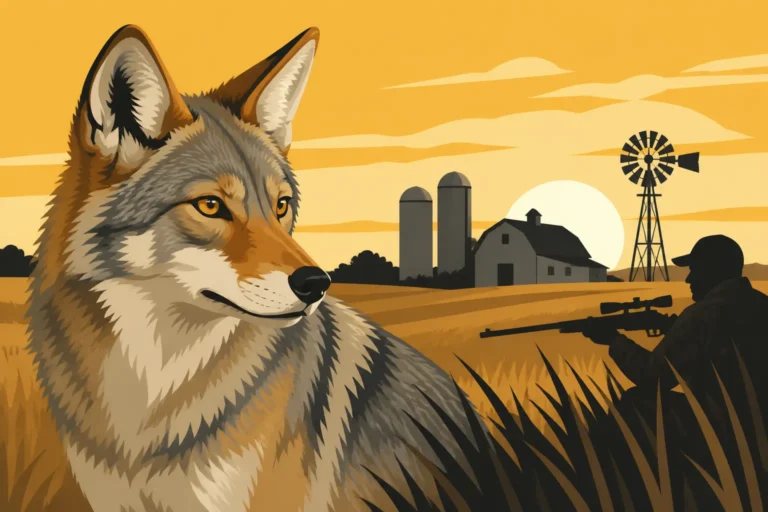
Kansas coyotes maintain complex family structures, varied opportunistic diets, and territorial ranges across agricultural land.
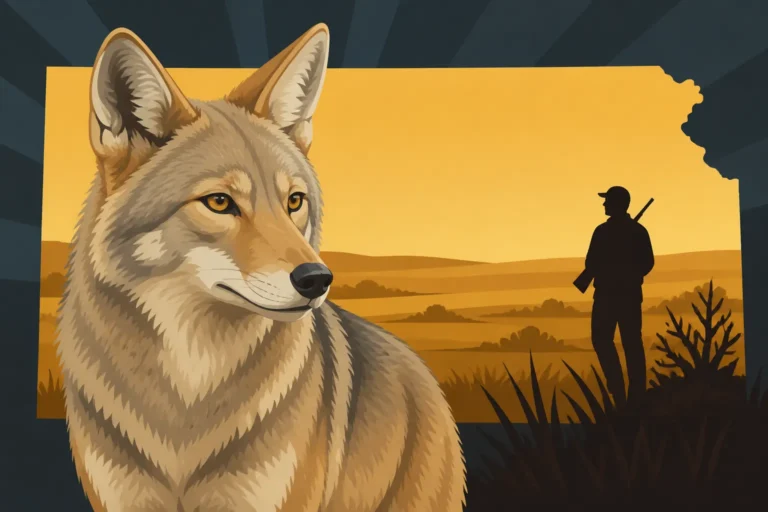
Kansas coyote populations thrive across rural landscapes, sustained by diverse habitats, abundant prey, and high reproductive adaptability.