Why Antelope Numbers Stay Low in Kansas
Historical range limits, fence barriers, and market hunting explain why Kansas antelope numbers remain stubbornly low today.
Know what you’re after.
Big game, small game, upland birds, and waterfowl — identification, behavior, rut and migration timing, and how each species moves through the season.
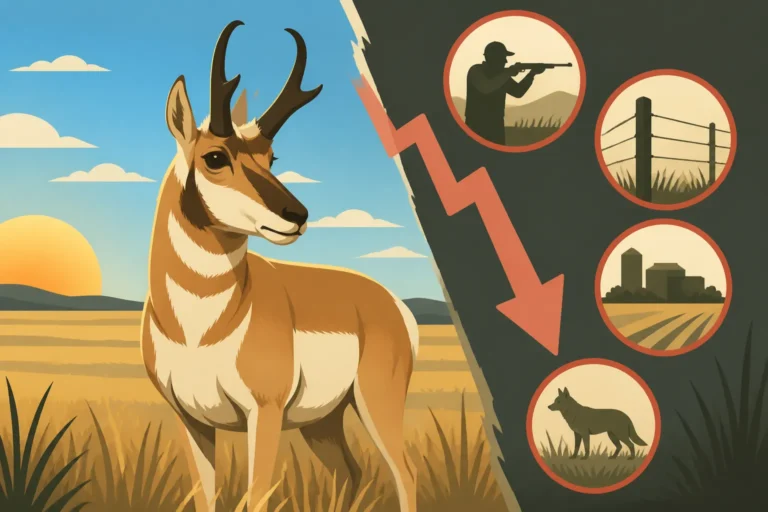
Historical range limits, fence barriers, and market hunting explain why Kansas antelope numbers remain stubbornly low today.
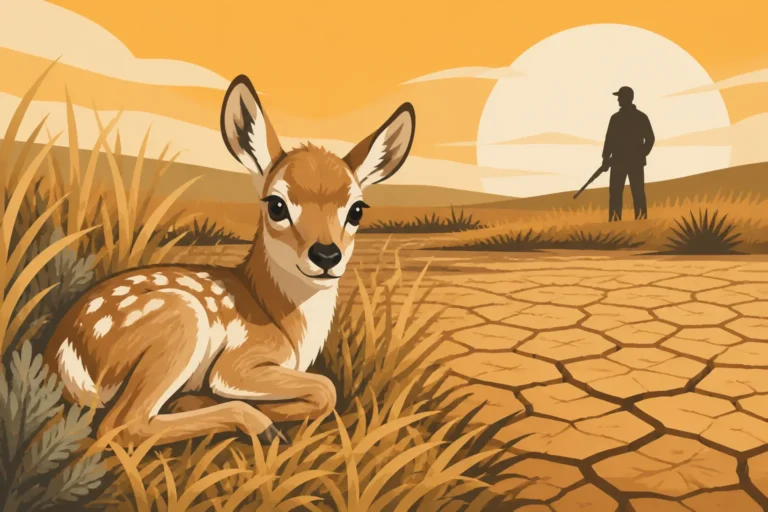
Kansas antelope fawn survival during dry years depends on forage quality, maternal nutrition, and predator vulnerability.
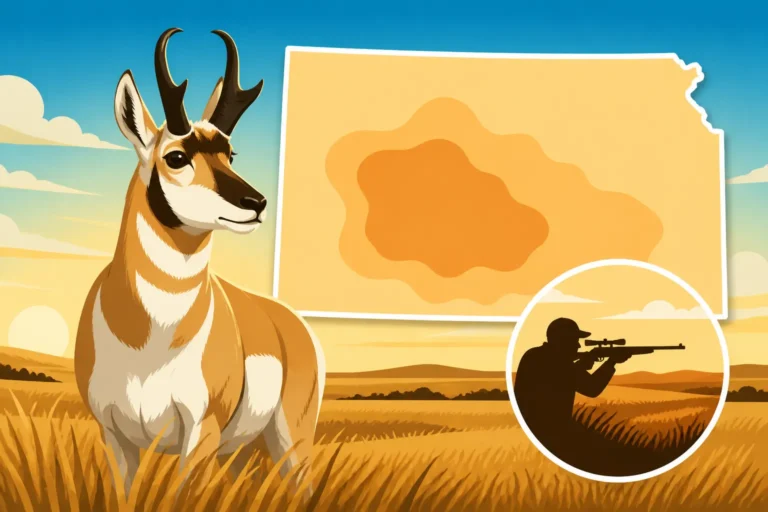
Kansas antelope range and habitat details explain where hunters can find speed goats in the western counties of the state.
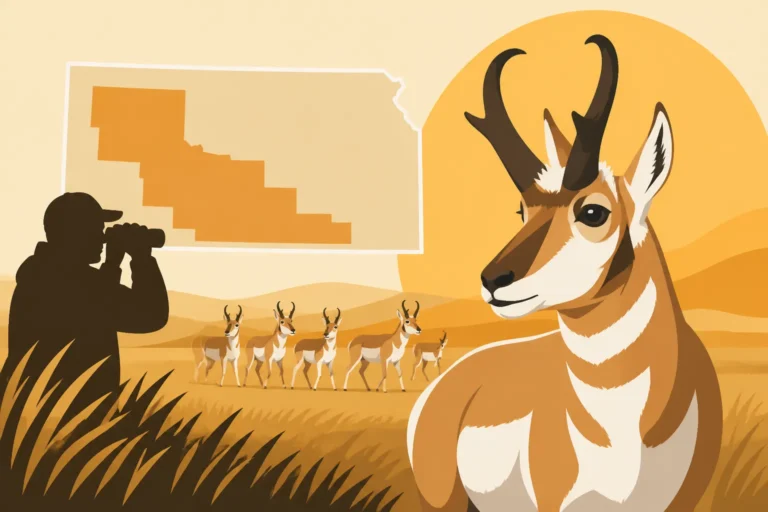
Kansas antelope population numbers and KDWP management practices explain western herd trends for hunters seeking tag draws.
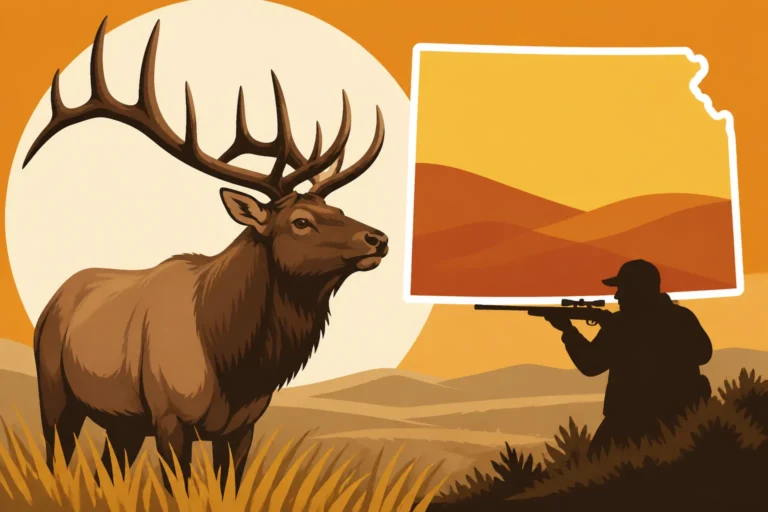
Elk sightings in Morton County involve transient animals wandering from neighboring states rather than established populations.
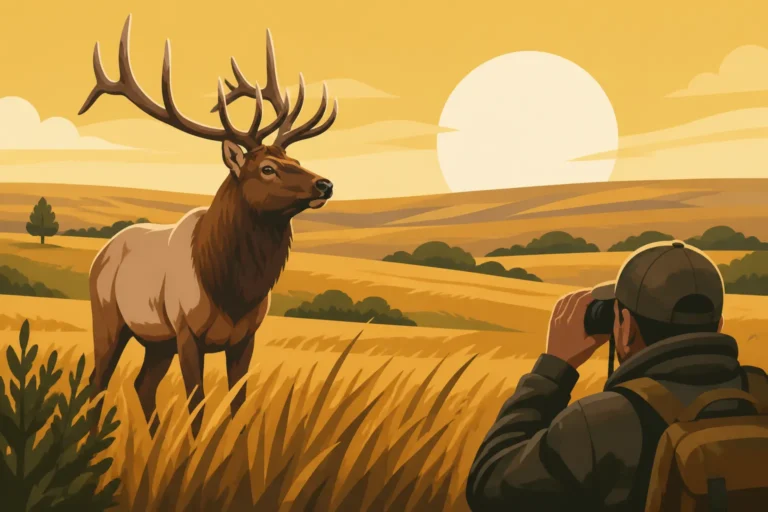
Wild free-ranging elk in Kansas represent a rare natural resurgence, roaming across western plains and river drainages like the Arkansas River.
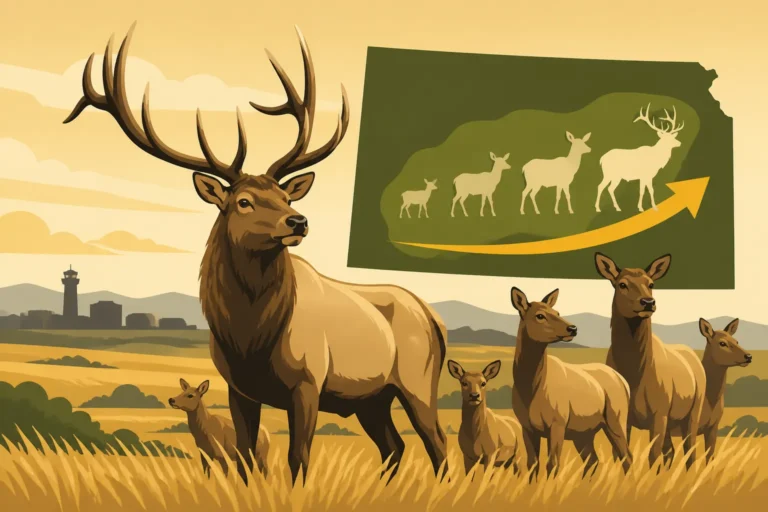
Kansas elk populations near Fort Riley grew through protected habitats, creating new hunting opportunities for local sportsmen.
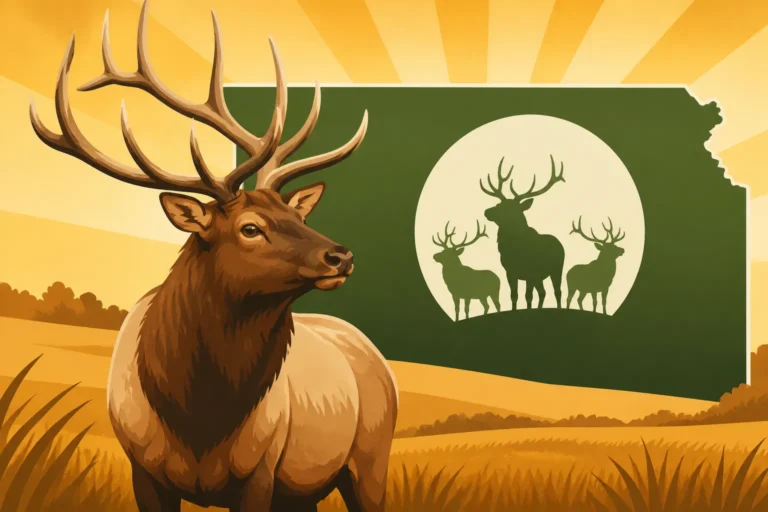
Kansas elk population numbers, small localized herds, and Fort Riley hunting permit limits for local wildlife enthusiasts.
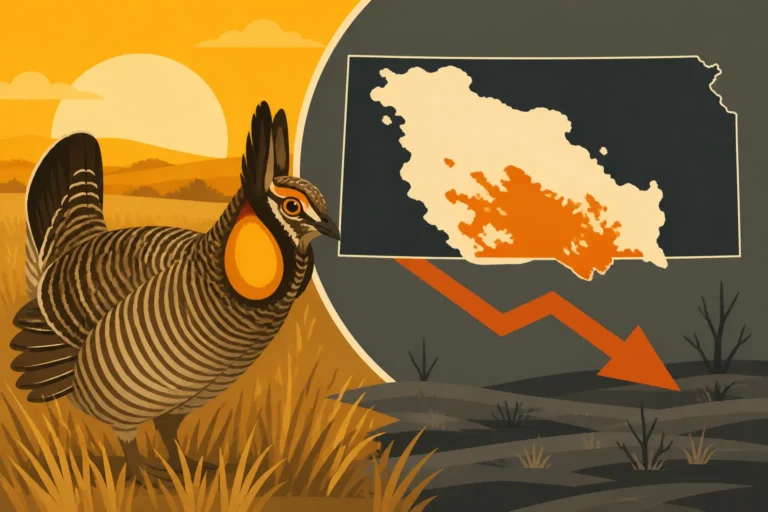
Prairie chicken range loss in Kansas stems from agricultural expansion, energy development, and urban sprawl fragmenting grassland.
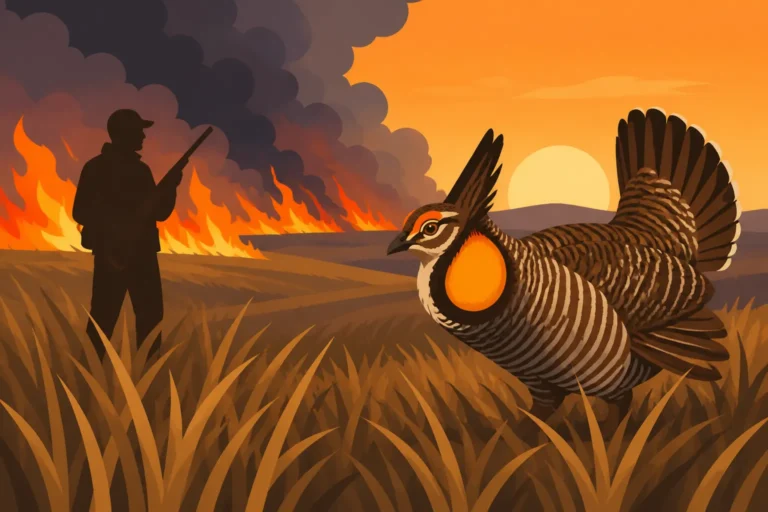
Flint Hills prescribed burns and their impact on greater prairie chicken nesting and survival in Kansas tallgrass prairies.