How Far Pheasants Move in a Day
Kansas pheasant daily movements and travel distances depend on food, water, cover types, and changing weather conditions.
Know what you’re after.
Big game, small game, upland birds, and waterfowl — identification, behavior, rut and migration timing, and how each species moves through the season.
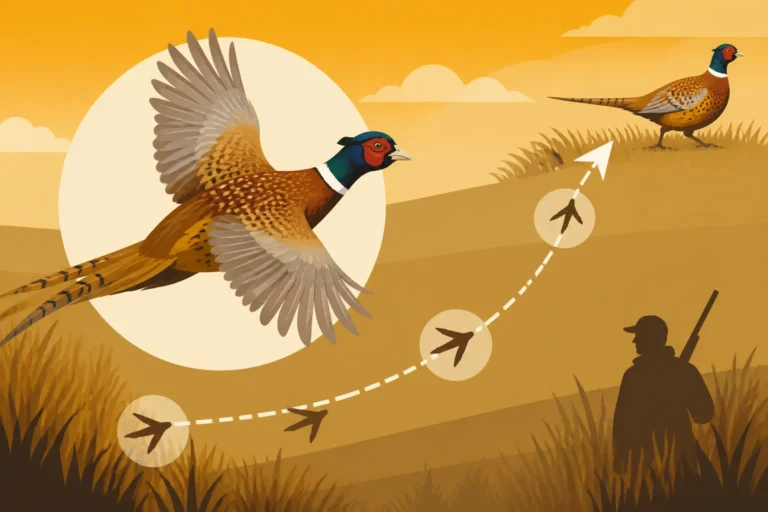
Kansas pheasant daily movements and travel distances depend on food, water, cover types, and changing weather conditions.
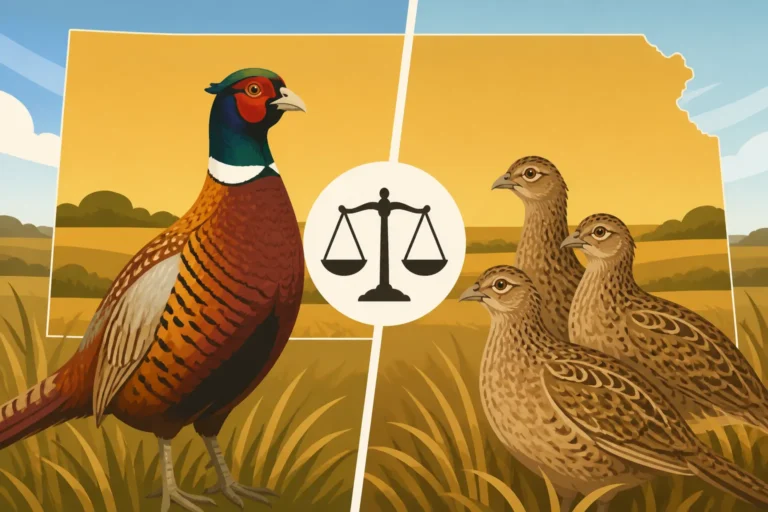
Rooster to hen ratios in Kansas roadside surveys reveal pheasant population health and help hunters plan successful trips.
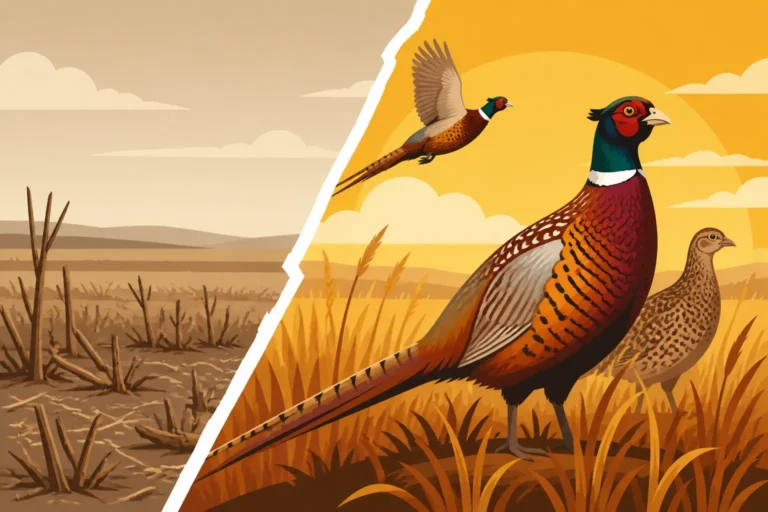
Kansas pheasant population declines and habitat loss explain why upland hunters face challenges finding birds in fields.
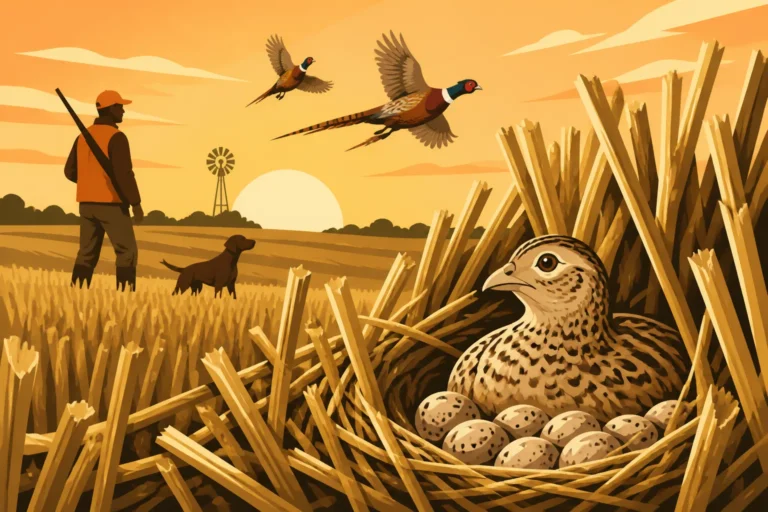
Wheat stubble fields in Kansas provide nesting cover, thermal protection, and camouflage for pheasants during the summer.
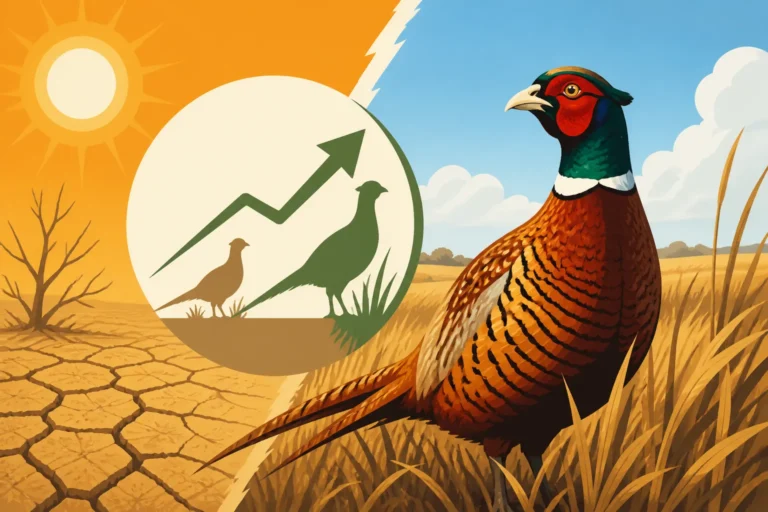
Dry Kansas summers lower pheasant populations by harming nesting cover, reducing insect food, and limiting available water.
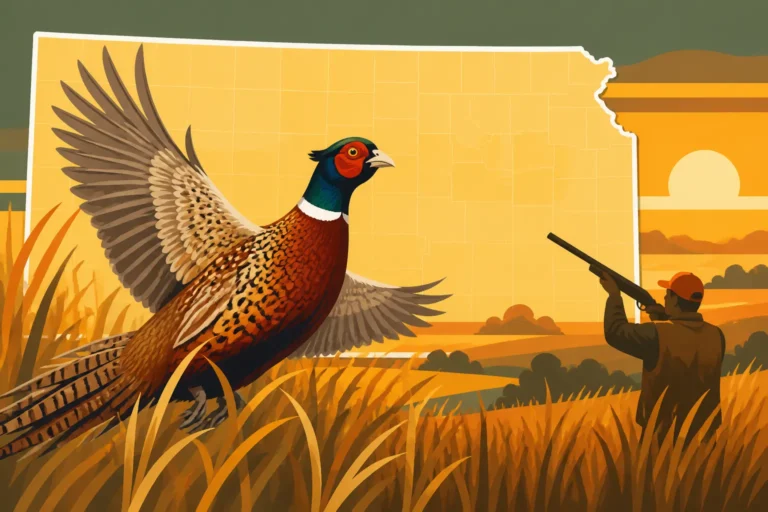
Kansas counties with milo fields, switchgrass cover, and Conservation Reserve Program land offer the best pheasant hunting opportunities.
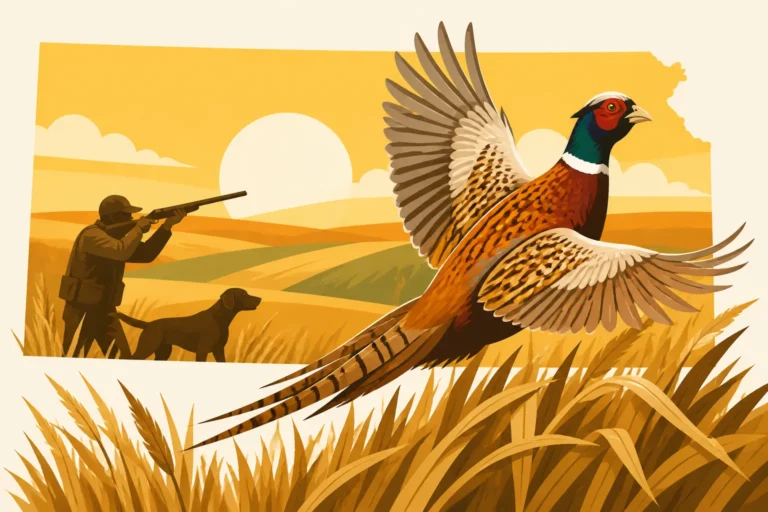
Kansas pheasant population estimates and weather factors explain seasonal hunting success and bird survival rates across agricultural lands.
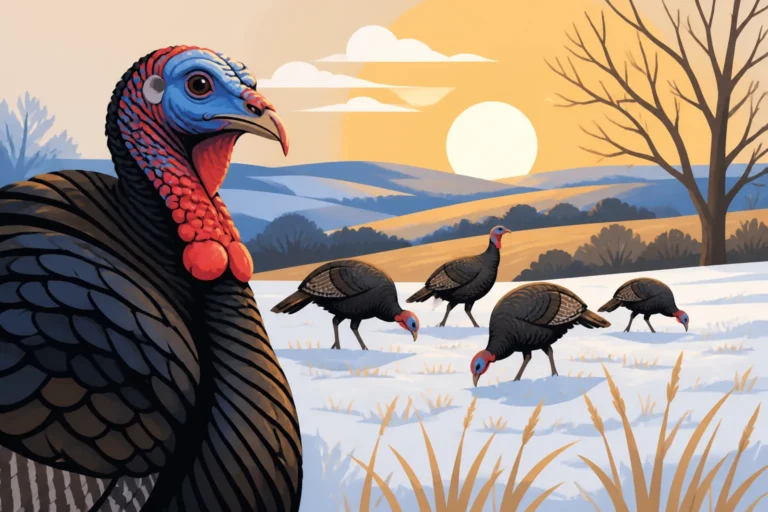
Kansas winter turkey flocks consolidate into large groups for safety and warmth, shifting their social structure and daily routines.
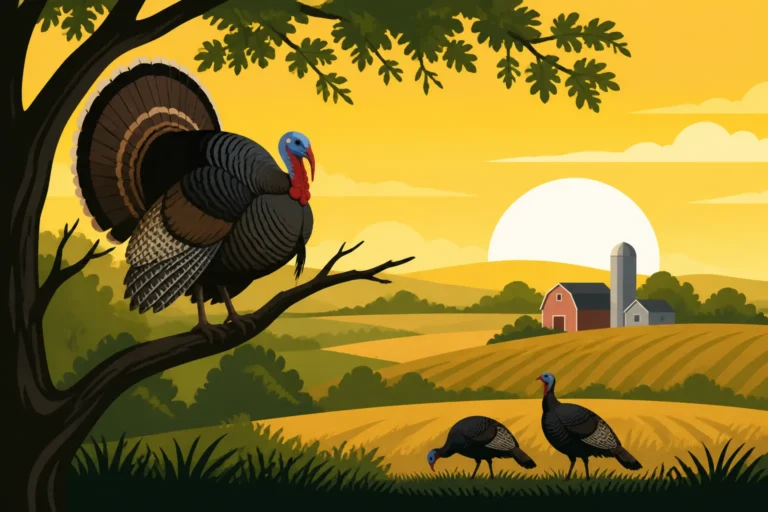
Kansas farm country turkeys select tall trees near agricultural fields to escape coyotes, helping hunters plan morning setups.
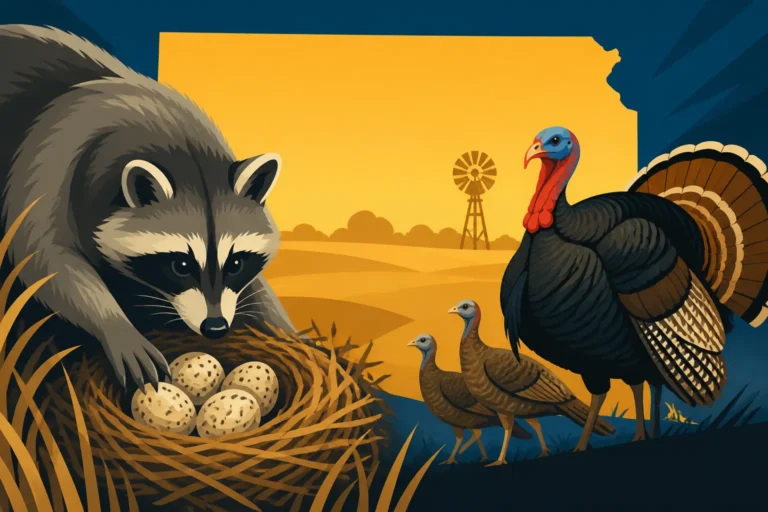
Nest predation causes Kansas wild turkey population declines by destroying vulnerable ground nests during the incubation period.