Rooster to Hen Ratios
Ever put in the miles pheasant hunting in Kansas, only to wonder why some years feel like a bust, even when you see plenty of hens? It's a common frustration many of us face, driving mile after mile of CRP or milo edges. The truth is, understanding the balance between roosters and hens in a particular area, known as the rooster to hen ratio, can be a huge piece of the puzzle, helping you make sense of pheasant populations and plan more effective, and often more successful, hunts. This guide will dive deep into what these ratios mean, how they're determined in Kansas, and how you can use this knowledge to your advantage.
What are Rooster to Hen Ratios and Why They Matter
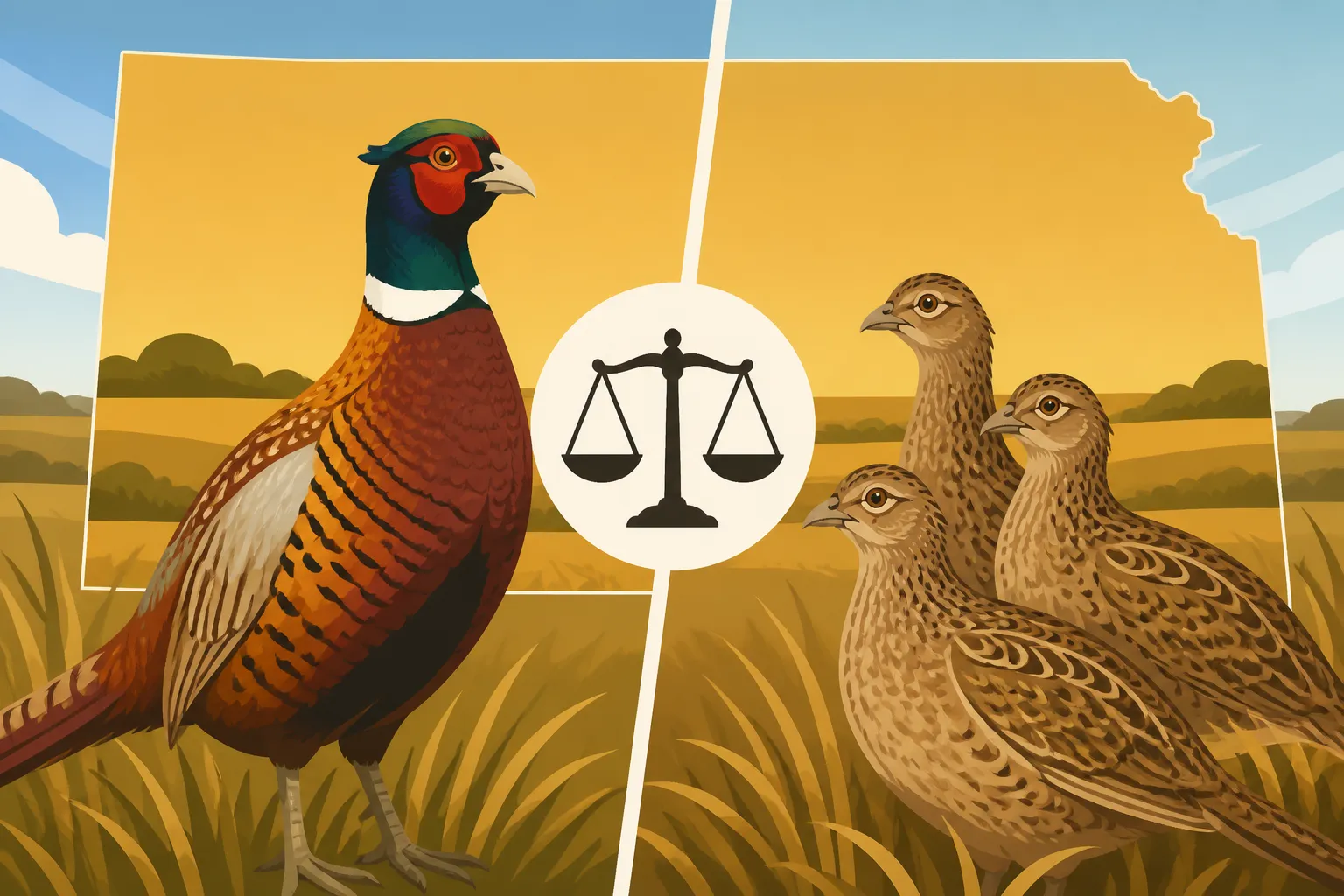
At its most basic, the rooster to hen ratio is exactly what it sounds like: a count or estimate of how many male pheasants there are compared to female pheasants in a given population. For instance, a ratio of 1:3 means there's one rooster for every three hens. This seemingly simple statistic carries a lot of weight, both ecologically and for us hunters.
From an ecological perspective, a healthy rooster to hen ratio is crucial for the long-term viability of a pheasant population. Pheasants are polygynous, meaning one rooster typically breeds with multiple hens. Therefore, you don't need a 1:1 ratio for successful breeding. In fact, a higher proportion of hens is generally desirable for reproduction. Too many roosters can lead to increased competition and stress, while too few might mean some hens don't get bred, impacting the next generation. Wildlife biologists closely monitor these figures to ensure the population's health and sustainability. They are looking for that sweet spot where breeding is maximized without putting undue stress on the birds or their habitat.
For pheasant hunters, understanding these ratios is paramount. Kansas pheasant season dates are set to primarily target roosters, which often carry distinct plumage and are the legal birds to harvest. If an area has a very high rooster-to-hen ratio, it might suggest that hunting pressure was light the previous season, or that conditions were exceptionally favorable for male chick survival. Conversely, a very low ratio could indicate heavy hunting pressure on roosters, or perhaps unfavorable conditions that disproportionately affected male survival. This knowledge helps you gauge your potential for success, anticipate hunting pressure, and even influence where and when you decide to pursue birds. It’s about being smart, not just lucky.
How Kansas Determines Rooster to Hen Ratios
The Kansas Department of Wildlife and Parks (KDWP) doesn't just pull these numbers out of thin air; they employ a systematic approach to estimate pheasant populations and ratios across the state. These surveys are critical for informing season setting and management decisions. One of the primary methods used is roadside surveys, typically conducted in late summer, just before the hunting season opens.
During these surveys, KDWP personnel drive designated routes, often at dawn or dusk, counting all pheasants observed and identifying them as either roosters or hens. The timing is important because pheasants are most active and visible at these times, moving to and from roosting or feeding areas. The routes are standardized and repeated annually to allow for consistent comparison year after year. This consistency helps track trends and identify changes in populations and ratios. While these roadside counts are a significant tool, they aren't without their challenges. Weather conditions on the day of the survey can impact visibility, as can crop maturity—pheasants in tall standing corn are much harder to spot than those in harvested fields or short cover. Even the observer's skill level can play a role. Despite these variables, the long-term data collected through these surveys provides a valuable baseline for understanding the health of the pheasant population.
Beyond roadside counts, KDWP also considers hunter harvest data and feedback. After the season, hunters are often surveyed about their success rates, the number of birds they saw, and the composition of their harvest. This anecdotal evidence, when combined with scientific surveys, paints a more complete picture. Many hunters also contribute valuable, albeit informal, data through their own observations and experiences in the field, sometimes using tools like GoHunt to track their findings and compare them with broader trends. It's a blend of hard data and on-the-ground experience that helps create the annual forecast for Kansas Pheasant Population Cycles.
Interpreting and Using Rooster to Hen Ratios for Your Hunt
So, you've seen the KDWP pheasant forecast, and you've noted the rooster to hen ratios for your chosen unit. Now what? Understanding what these numbers imply for your actual hunt is where the rubber meets the road. A high rooster to hen ratio, let's say 1:5 or 1:6, generally suggests a robust population of roosters relative to the number of hens needed for breeding. This is often seen as a good sign for hunters. It implies that there might be more roosters available, potentially leading to higher flush rates and better success. This could be due to a successful hatch with good poult survival, or perhaps lighter hunting pressure from the previous season, allowing more roosters to carry over.
On the flip side, a lower ratio, like 1:2 or 1:3, could indicate heavy hunting pressure in the preceding seasons, which disproportionately removed roosters, or other factors that impacted male survival. In such areas, you might find fewer birds overall, and those you do find could be warier. This doesn't mean the area is unhuntable, but it might require more strategic hunting, perhaps focusing on less-pressured areas or hunting later in the season after initial pressure has subsided. When you're looking at areas for upland bird hunting Kansas grass and milo edges, these ratios can help you prioritize your scouting efforts.
Here's a quick look at how different ratios might influence your thinking:
| Ratio Description | Ecological Impact | Hunting Implications |
|---|---|---|
| High (e.g., 1:5-1:7) | Healthy breeding stock, plenty of surplus roosters. | Generally good hunting prospects, potentially higher flush rates. May tolerate higher pressure. |
| Moderate (e.g., 1:3-1:4) | Balanced population, sustainable for breeding. | Decent hunting, but more sensitive to pressure. May require more effort to find birds. |
| Low (e.g., 1:1-1:2) | Rooster population might be stressed, or prior harvest was very high. | More challenging hunting, likely fewer roosters, birds may be warier. Consider less-pressured areas or later season hunts. |
| Very High (>1:7) | Could indicate low hen numbers or exceptional rooster survival. | Potentially excellent hunting, but also consider factors like low hen numbers if ratios are extremely skewed. |
When you're comparing notes with friends or looking at historical data, especially if you're exploring Scouting Kansas Walk-In Tracts Before the Opener, a low ratio might point towards areas that received a lot of attention last year, and perhaps you should consider somewhere else. Conversely, a unit with a consistent high ratio over several years might be a real gem, indicating stable populations and good habitat. It's not just about finding birds, it's about finding the right birds, and ratios help put you in the right mindset.
Factors Influencing Kansas's Rooster to Hen Ratios
Pheasant populations, and by extension their rooster to hen ratios, are incredibly sensitive to a variety of environmental and human-induced factors. Kansas is known for its wide-open spaces and agricultural landscape, which profoundly impacts game species. Understanding these influences can help predict how ratios might shift from year to year.
One of the most critical factors is weather, particularly during nesting and brood-rearing seasons. A wet spring, for example, can be detrimental to pheasant nests and young poults. Heavy, cold rains can lead to chick mortality, while prolonged wet conditions can decrease insect availability, a vital food source for young pheasants. Conversely, a very dry summer, while potentially stressing adult birds, might lead to higher chick survival if there are fewer predatory insects and diseases, as long as there's still accessible water. This connection between moisture and bird numbers is why Rainfall and Pheasant Numbers is such a closely watched indicator. Severe winters, especially those with heavy snow cover and prolonged cold snaps, can also impact overall survival, sometimes affecting roosters more if they are more exposed while foraging.
Habitat availability is another huge piece of the puzzle. Pheasants thrive in a mosaic of cover types: nesting cover in tall grass, brood-rearing cover with insects, thermal cover for winter, and readily available food sources like wheat stubble and milo fields. Changes in agricultural practices, such as the conversion of CRP acres to row crops or altered crop rotations, can significantly reduce critical habitat. CRP Loss and Kansas Pheasants is a big concern for many hunters and biologists, as these grasslands provide essential nesting and escape cover. When quality habitat declines, overall pheasant numbers can drop, and this can naturally skew ratios as survival rates for different sexes or age classes are affected.
Finally, hunting pressure and harvest rates directly influence rooster numbers. Since only roosters are legally harvested, consistent, heavy hunting pressure in popular areas can reduce the rooster population significantly. While pheasants are generally resilient and polygynous nature means some roosters can breed with many hens, an imbalance can develop. Areas that see repeated hunting pressure throughout the season, or those easily accessible, often see a lower rooster to hen ratio by late season. This is why many hunters consider Late-Season Food Source Hunting in less-pressured areas or Working Pheasant Fields Without a Dog where birds might be holding tight. Effective management, including setting appropriate Kansas pheasant daily bag limit and seasons, aims to balance hunter opportunity with sustainable populations, ensuring there are enough roosters left to carry on the species.
Disclaimer
This article is for general informational purposes only and does not constitute professional advice. Laws, prices and regulations vary by location and change over time. Consult a qualified professional for guidance on your specific situation.