Mule Deer Antler Shape Differences
Mule deer antler shape differences explained by contrasting dichotomous forking growth patterns with traditional whitetail branching.
Know what you’re after.
Big game, small game, upland birds, and waterfowl — identification, behavior, rut and migration timing, and how each species moves through the season.
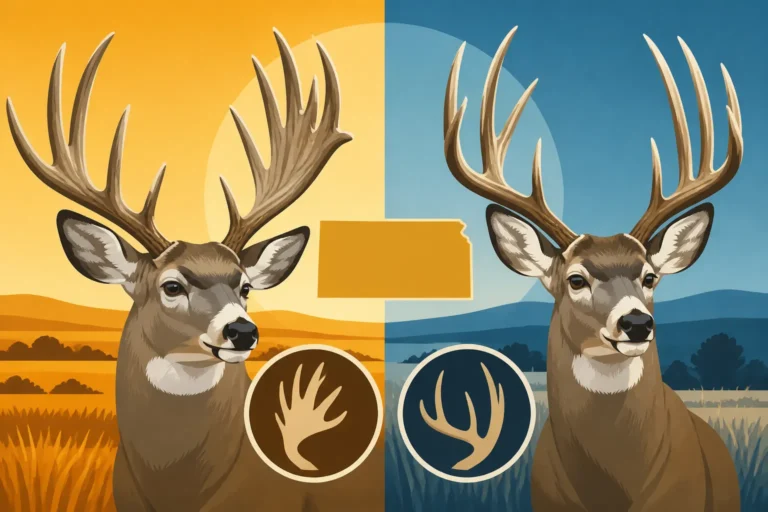
Mule deer antler shape differences explained by contrasting dichotomous forking growth patterns with traditional whitetail branching.
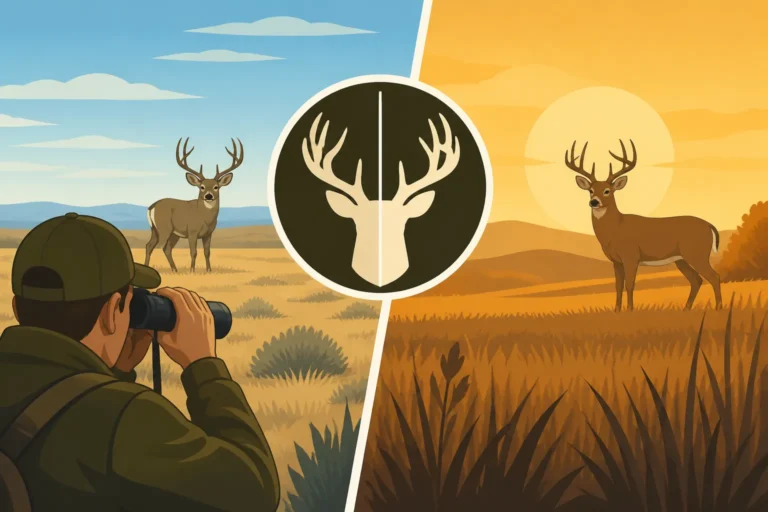
Distinguishing mule deer from whitetails at a distance using tail characteristics, body shape, and large ears in western Kansas.
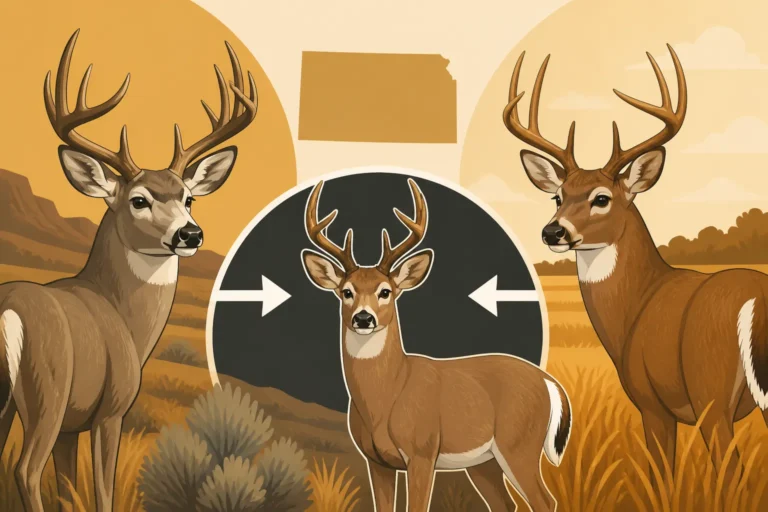
Mule deer and whitetail hybridisation in Kansas creates unique deer showing blended physical traits across species overlap zones.
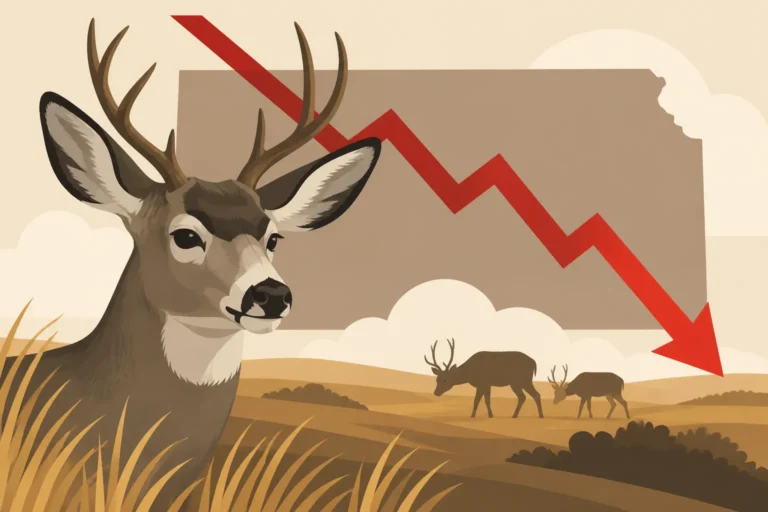
The declining mule deer population in western Kansas results from environmental shifts, disease, competition, and land use.
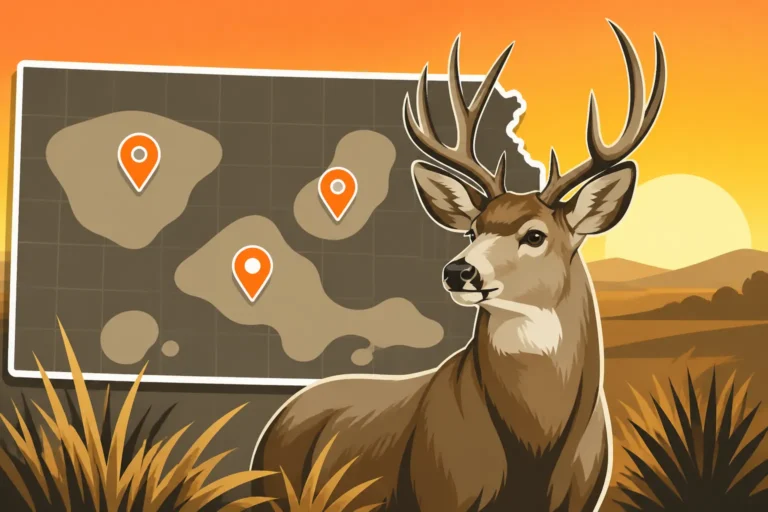
Kansas mule deer live primarily in the far western counties, concentrating in units bordering Colorado with shortgrass prairie.
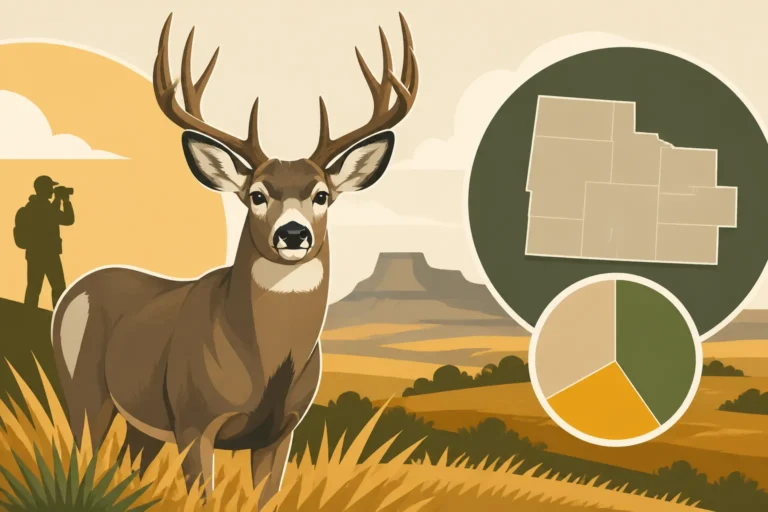
Mule deer populations in Western Kansas face unique habitat challenges and live primarily in the far western counties bordering Colorado.
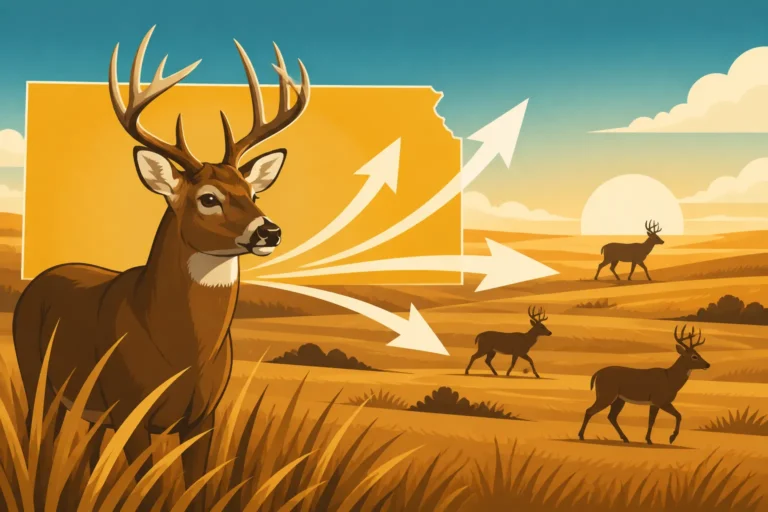
Buck dispersal in Kansas details why yearling bucks leave natal ranges to travel miles and establish new home territories.
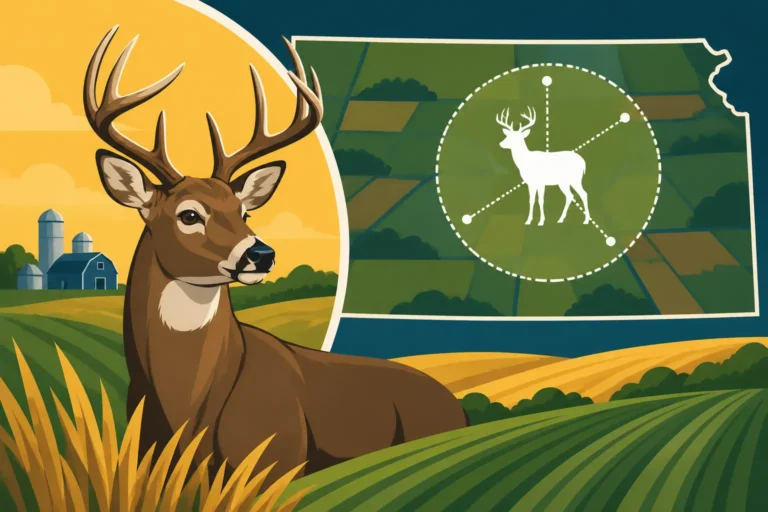
Kansas whitetail home range sizes in agricultural landscapes explain how food and seasonal crop harvests shape deer movement.
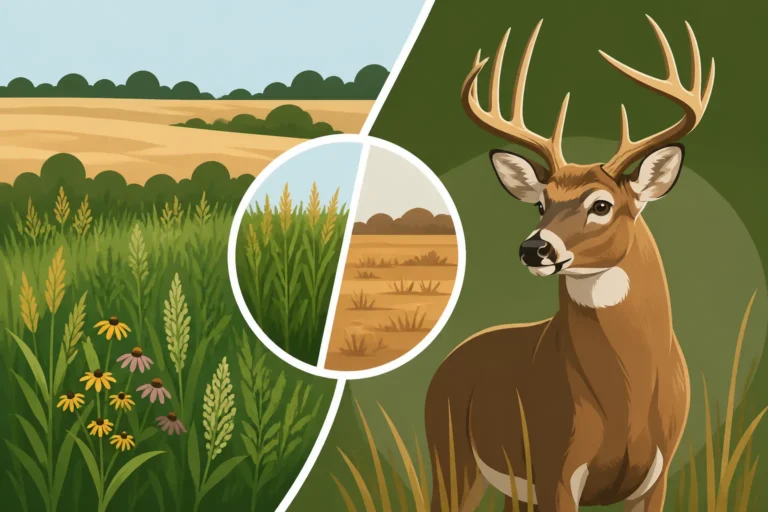
Conservation Reserve Program lands in Kansas provide vital habitat, influencing deer numbers, bedding areas, and movement patterns.
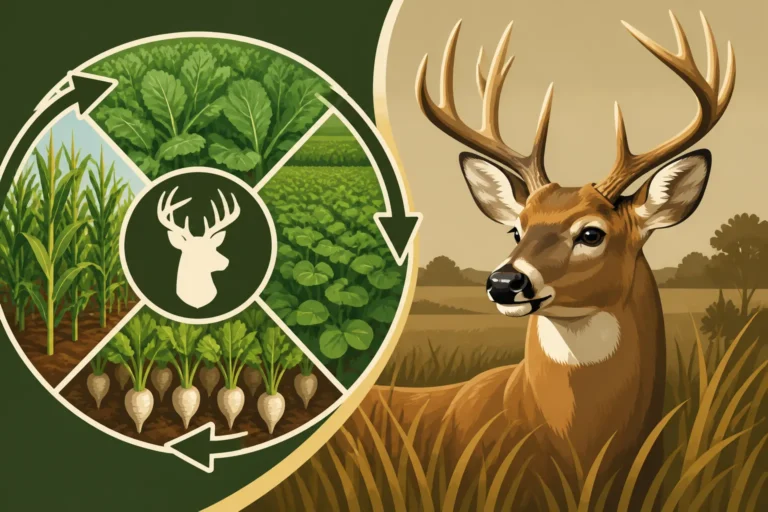
Kansas crop rotation cycles and seasonal harvest timelines explain deer nutrition, health, and movement patterns for hunters.