Best Kansas Counties for Pheasants
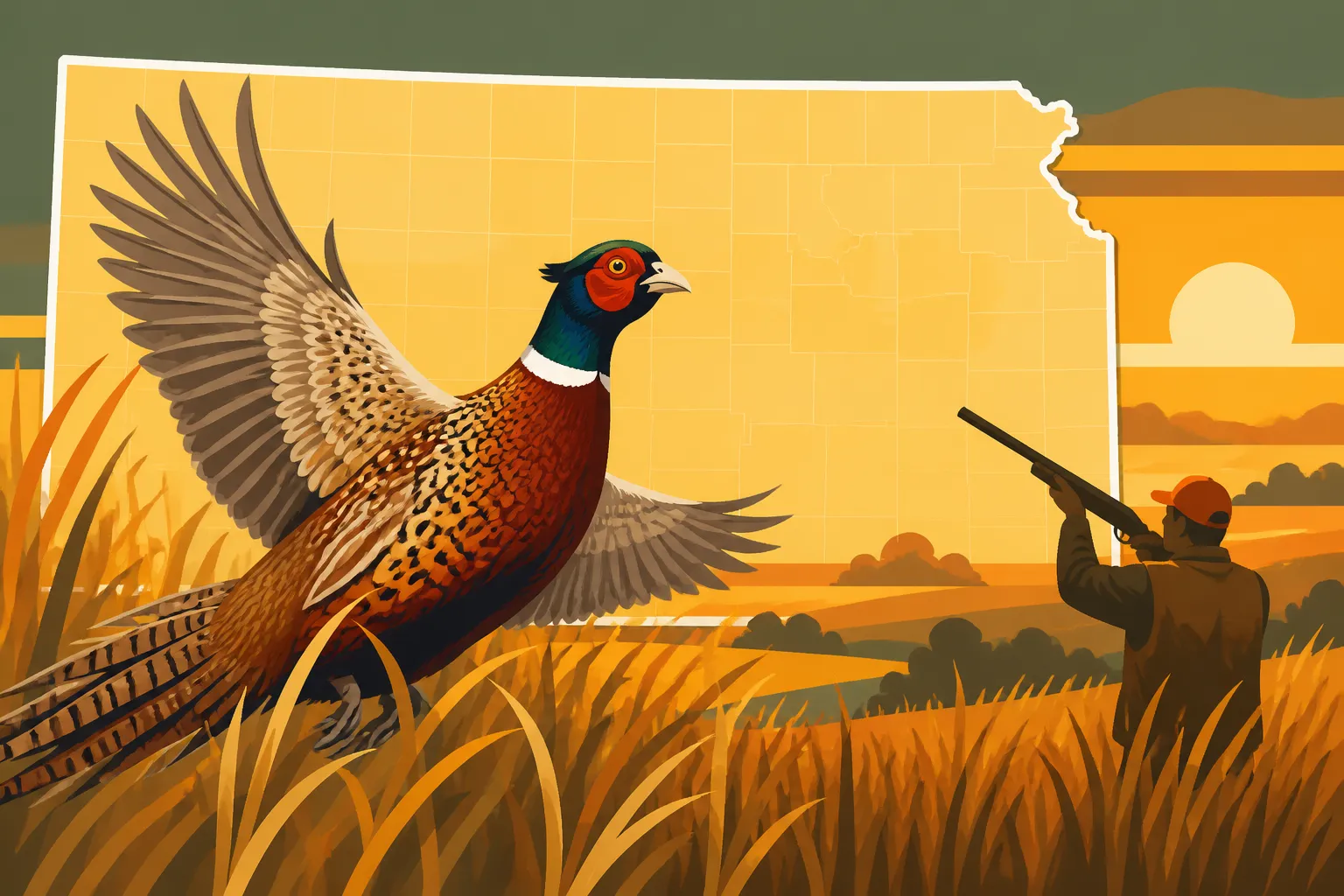
There's nothing quite like the heart-pounding flush of a rooster pheasant erupting from cover, its cackle echoing across the Kansas plains. But if you've spent any time chasing these wily birds, you know that not all acres are created equal, and some counties consistently produce more opportunities than others. It can be incredibly frustrating to drive for hours, only to find sparse cover and even sparser birds. This guide aims to cut through that frustration by diving deep into the factors that make a Kansas county a pheasant hotspot and highlighting where you're most likely to find success.
Understanding What Makes a County a Pheasant Hotspot
The phrase "habitat is king" is practically scripture among pheasant hunters, and it couldn't be truer in Kansas. A county doesn't just magically have pheasants; it needs the right combination of cover, food, and water to support robust populations. It’s a delicate balance that can shift with farming practices, weather, and conservation efforts.
The Ideal Pheasant Landscape
Imagine the perfect pheasant haven: sprawling fields of milo and corn, offering both food and escape cover, interspersed with thick stands of switchgrass or native prairie, especially in areas enrolled in the Conservation Reserve Program (CRP). Throw in some plum thickets, hedgerows, and brushy creek bottoms for thermal cover during harsh winters and shade during scorching summers, and you've got a recipe for success. These diverse landscapes provide everything a pheasant needs to thrive year-round, from nesting sites in spring to winter survival.
In counties where agricultural practices dominate, pheasants often cling to the fringes – the edges of crop fields, ungrazed pastures, and abandoned farmsteads. They're masters of finding overlooked pockets of security. Think about how a pheasanant might survive in a typical Kansas farm country landscape. They rely heavily on those strips of grass, the fence rows grown up with weeds, and even small patches of cattails around a pond for survival. It's not about huge, pristine wilderness; it's about a mosaic of small, usable habitats.
Impact of Agricultural Practices on Pheasant Distribution
Modern agriculture is incredibly efficient, which is great for feeding the world but can sometimes be tough on wildlife. Large, monoculture fields with very few unharvested edges or diverse cover can limit pheasant numbers. When you're scouting, you'll notice a distinct difference between areas with clean farming practices and those where farmers leave more "wild" edges or participate in programs like CRP. The latter are often the ones holding birds.
Consider a vast field of cut milo. If there's no adjacent cover, those birds are exposed and vulnerable. But if that milo field backs up to a quarter section of CRP grass, or even a deep, brushy draw, that's where the pheasants will be. Farmers who implement no-till practices, leave standing strips of crops, or manage their land with wildlife in mind are unknowingly (or knowingly!) creating prime pheasant habitat. The patterns you'll discover when Reading a Kansas Creek Bottom for Deer Sign can also apply to pheasants, as these draws often hold excellent cover and food sources for both.
Key Factors Influencing Pheasant Numbers
Pheasant populations aren't static; they ebb and flow based on a complex web of environmental factors. Understanding these dynamics can help you predict where the birds might be more abundant in any given year, even within historically strong counties.
Weather's Role: Rainfall and Winter Severity
Ask any seasoned Kansas upland hunter about pheasant numbers, and the first thing they'll usually mention is the weather. A wet spring is crucial for healthy nesting and chick survival. Too much rain, especially cold, drenching downpours during hatching season, can decimate poult populations. Conversely, extended droughts can reduce insect populations (a vital food source for young pheasants) and degrade cover. We see this often in our state; a good rain at the right time can make all the difference, whereas Pheasant Numbers After a Dry Summer can be noticeably lower.
Winter severity also plays a massive role. Deep, prolonged snow cover can make it nearly impossible for pheasants to find food, leading to starvation. Ice storms are particularly brutal, encasing food sources and making travel difficult. Mild winters, on the other hand, allow more birds to survive into the breeding season, setting the stage for a stronger fall population. It’s a constant gamble with Mother Nature, and the best counties often have enough diverse cover to help birds weather these challenges.
Habitat Conservation Programs
When we talk about robust pheasant numbers in Kansas, we absolutely have to talk about programs like the Conservation Reserve Program (CRP). CRP pays landowners to take environmentally sensitive land out of agricultural production and plant it with native grasses and wildflowers. These acres are gold for pheasants, providing ideal nesting, brooding, and winter cover. The more CRP acres a county has, generally, the better its pheasant hunting opportunities.
The decline of CRP acres in some regions has been directly linked to a decrease in upland bird populations. If you're looking for Where Kansas Pheasants Concentrate, these enrolled lands are almost always at the top of the list. Similarly, other state and federal initiatives aimed at improving grassland habitat or retaining Wheat Stubble and Pheasant Nesting cover after harvest are critical. Utilizing tools like the Kansas Department of Wildlife, Parks and Tourism (KDWP) public hunting atlas or resources like GoHunt can help you locate these areas, especially those designated as Walk-In Hunting Access (WIHA).
Predation and Disease
While not as immediately visible as habitat or weather, predation and disease also play a role in pheasant numbers. A healthy population can typically absorb some level of predation from coyotes, foxes, raptors, and raccoons. However, if habitat is poor or fragmented, pheasants become more vulnerable, and predation can have a larger impact on local populations.
Disease outbreaks are less common but can occur. Avian influenza or other localized diseases can occasionally thin out bird numbers. Generally, Kansas pheasants are hardy, but any factor that stresses the population can make them more susceptible to these pressures. A balanced ecosystem with good habitat helps pheasants maintain their numbers against these natural challenges.
Top Kansas Counties for Pheasant Hunting
When you look at the Kansas Pheasant Population Estimate and harvest data year after year, certain areas of the state consistently rise to the top for pheasant hunting. These regions are typically in western and north-central Kansas, where the combination of diverse agricultural practices, ample CRP, and suitable climate creates a pheasant paradise.
Northwest Kansas Hotbeds
The northwestern corner of Kansas is practically synonymous with pheasant hunting. Counties like Cheyenne, Sherman, Wallace, and Thomas are legendary among upland hunters. This region boasts vast expanses of wheat, corn, and milo, perfectly interspersed with excellent CRP fields and native grass. The terrain here is generally flat to gently rolling, making for classic walk-behind-the-dog hunting, or for those who prefer, carefully planned drives.
| County Name | Typical Habitat | Public Access (WIHA/iWIHA) | General Hunter Pressure | Pheasant Density |
|---|---|---|---|---|
| Cheyenne | Crops, CRP, Draws | High | Moderate to High | Very High |
| Sherman | Crops, CRP | High | Moderate to High | Very High |
| Wallace | Crops, Grasslands | Moderate to High | Moderate | High |
| Thomas | Crops, CRP, Shelterbelts | High | Moderate | High |
| Rawlins | Crops, Grass, Draws | High | Moderate | High |
The sheer volume of suitable cover in these counties means that even with hunter pressure, there's always new ground to explore. Many landowners here participate in the WIHA program, offering fantastic public access. Before hitting the road, check the Kansas WIHA Acres and Enrollment for these counties, and you can get a good idea of what's available. Tools like GoHunt's mapping features can also help you overlay WIHA boundaries with satellite imagery to identify prime habitat before you ever step foot on the property.
Southwest Kansas Producers
While northwest Kansas often gets the most press, the southwestern part of the state also holds significant pheasant populations. Counties such as Finney, Gray, Haskell, Morton, and Stevens offer similar habitat dynamics, albeit sometimes with drier conditions. Here, you'll find large-scale agriculture, but also plenty of irrigated fields that can hold birds later in the season when natural vegetation dries up.
The appeal of southwest Kansas is often found in its slightly lower hunter pressure compared to the far northwest. You might have to work a bit harder to find the birds, but when you do, they can be plentiful. Look for areas with a good mix of winter wheat, milo stubble, and CRP. These counties also tend to have some excellent public hunting opportunities, though they might be more spread out. Don't be afraid to put in the legwork to scout these areas.
Other Noteworthy Regions
While the western half of the state is undoubtedly the king for pheasants, you shouldn't entirely overlook parts of north-central and south-central Kansas. Counties like Phillips, Rooks, Osborne, and Rush in north-central Kansas can have excellent pheasant numbers, particularly in years with good moisture. These areas often feature a blend of croplands and rolling native prairies, offering diverse habitat.
In south-central Kansas, particularly around the fringe of the primary pheasant range, you might find pockets of birds in counties like Stafford or Reno, especially where there's good CRP and less intensive farming. These areas might not produce the same bird densities as the western counties, but they can offer quality hunts with less competition, especially if you focus on Late-Season Food Source Hunting around standing crops. Always check the current year's forecast and habitat conditions, but these "fringe" areas can sometimes surprise you.
Strategies for Hunting Pheasants in These Areas
Once you've identified promising counties, the real work (and fun!) begins. Hunting pheasants in Kansas requires a blend of strategy, persistence, and often, a willingness to cover a lot of ground.
Working Grass Edges and Shelterbelts
Pheasants are creatures of edge. They love the transition zones between different types of cover. This means that when you're in prime pheasant country, you should be meticulously working every grass edge, fence line, and ditch. If you're Working Pheasant Fields Without a Dog, paying close attention to these linear features is paramount. Walk them slowly, pausing frequently, as birds will often hold tight before bursting out. Don't just walk the middle of a wide-open field; focus your efforts where cover changes.
Shelterbelts, often planted as windbreaks around farmsteads or fields, are also pheasant magnets, especially later in the season when other cover gets thinner. These can be dense, gnarly rows of cedars or deciduous trees, providing critical thermal protection. Walking the downwind side of a shelterbelt, or setting up blockers on the ends, can yield explosive flushes. Remember that pheasants will often run the length of a shelterbelt before flushing, so anticipating their escape routes is key.
Utilizing Public Walk-In Hunting Access (WIHA)
Kansas's WIHA program is a true gift to public land hunters, offering millions of acres of privately owned land open for hunting. This is particularly valuable for pheasant hunters, as many WIHA tracts are specifically enrolled because they contain excellent upland bird habitat, often including significant CRP acreage. Before you head out, make sure you've consulted the Reading the Kansas WIHA Atlas to plan your attack.
When hunting WIHA, always be respectful of the landowner's property and adhere to all posted rules. Many of these tracts are crop fields, and understanding Milo and Corn Stubble Deer Patterns can also give you insight into where pheasants might be holding. Check into iWIHA tracts using the Go Outdoors Kansas app, if applicable, as these tracts have daily hunter limits which can mean less pressure for you. Tools like GoHunt often integrate WIHA boundaries, making it easier to identify and navigate these public opportunities. Look for tracts that are longer and narrower, which are easier to hunt effectively, or those that have diverse cover types.
Thinking About Hunter Pressure and Timing
Even in the best counties, hunter pressure can impact your success, especially on opening weekend of the Kansas Pheasant Season Dates. If you can, plan your hunts for weekdays or later in the season. Birds that have been pressured become incredibly wary, running sooner and flushing wilder.
Consider hunting during adverse weather conditions, like light rain or heavy fog, as these can keep other hunters home and make birds hold tighter. Always be aware of other hunters in the field, especially on public land. Safety is paramount. By understanding the typical patterns of hunter activity and employing smart tactics like working edges and choosing less-pressured times, you can significantly increase your chances of finding those elusive roosters in even the busiest counties.
Disclaimer
This article is for general informational purposes only and does not constitute professional advice. Laws, prices and regulations vary by location and change over time. Consult a qualified professional for guidance on your specific situation.