Where Kansas Antelope Range
Hunting antelope in Kansas is a truly unique experience, a stark contrast to chasing whitetails in the timber. It requires a different mindset, a wider scope of vision, and a deep understanding of the open plains these magnificent animals call home. Many hunters dream of pursuing speed goats, but finding them in the vastness of Kansas, especially for those not familiar with the western half of the state, can feel like an impossible task. This guide is here to shed light on exactly where Kansas antelope range, helping you narrow your focus and increase your chances of spotting one of these incredible animals.
The Geographic Sweet Spot for Antelope in Kansas
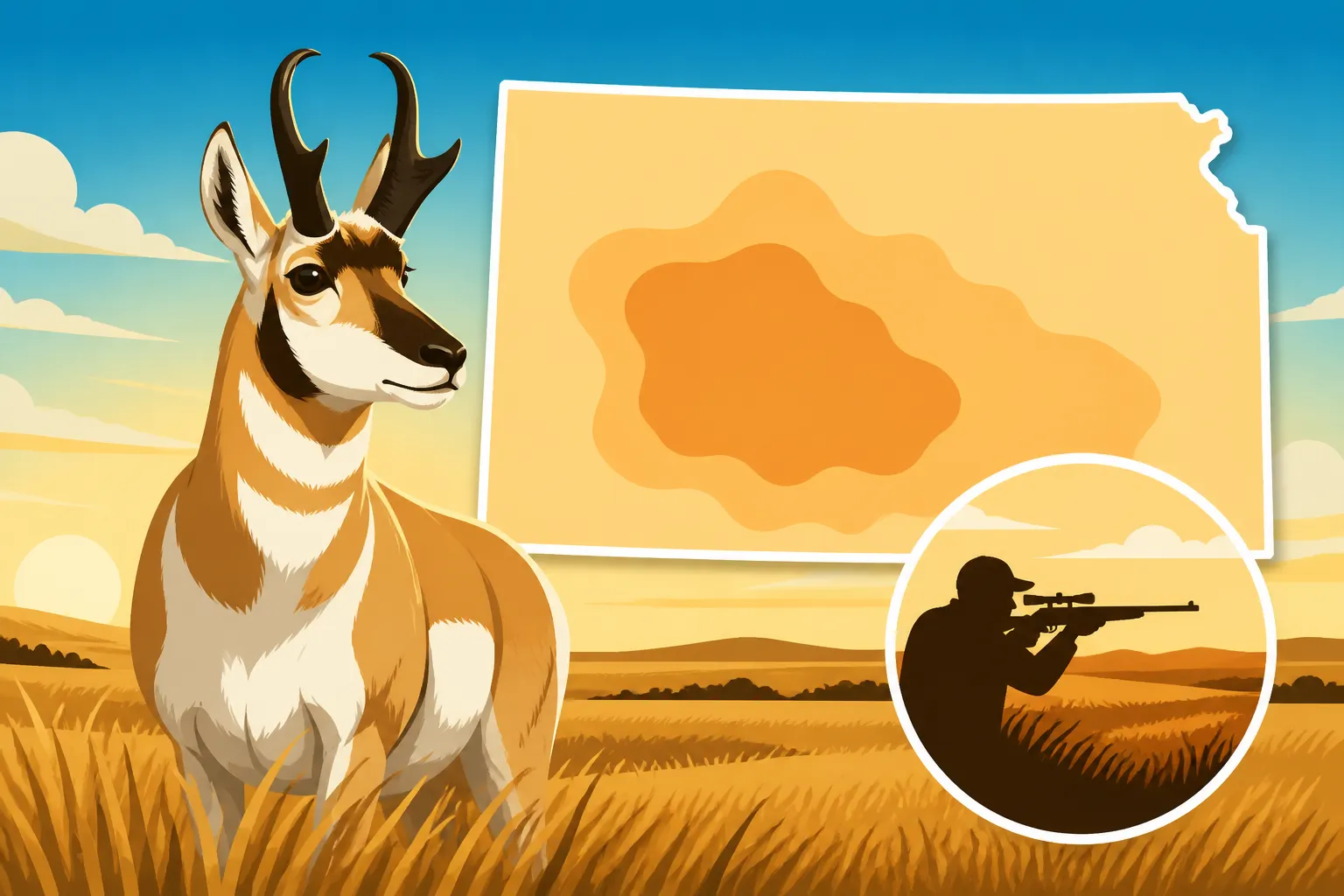
When we talk about antelope in Kansas, we're not talking about a statewide phenomenon like whitetail deer. These animals are highly specialized in their habitat, and in Kansas, that habitat is almost exclusively confined to the westernmost reaches of the state. If you picture Kansas on a map, draw a line roughly north to south through the center, and then imagine another line further west, you're getting closer to their domain. It’s a completely different world out there, far from the rolling hills and dense timber of eastern Kansas.
Concentrated in the Westernmost Counties
The heart of Kansas antelope country lies in the extreme western and northwestern counties. Think of places like Morton, Stanton, Hamilton, Greeley, Wallace, Sherman, and Cheyenne counties. This is where the landscape truly opens up, transitioning from the more fertile, row-cropped central plains to the shortgrass prairie and high plains that antelope thrive in. These counties offer the expansive, unobstructed views that antelope prefer, allowing them to detect predators from a distance, a key survival strategy for such an exposed species. You won't find significant, self-sustaining populations east of this region because the habitat simply isn't suitable, lacking the vast open spaces and specific forage they require. This concentration means your scouting and application efforts need to be tightly focused on these particular areas. For those considering applying for a permit, understanding the limited Kansas Antelope Permits and Seasons is crucial, as is getting familiar with the specific units covering these counties.
Sporadic Sightings Beyond the Core Range
While the core population is well-defined, it's not unheard of for individual antelope, usually young bucks seeking new territory, to venture outside of these primary counties. You might hear whispers of a lone antelope sighting in an adjacent county, perhaps a little further east or south. However, these are typically transient animals and not indicative of a resident population. Don't base your hunting strategy on these anecdotal reports; they are more exceptions than the rule. The likelihood of consistently finding antelope, let alone drawing a permit for a unit outside the established western range, is exceedingly low. Stick to the areas where these animals have a stronghold, where the Kansas Antelope Herd Size allows for managed hunting opportunities.
Habitat Preferences: What Makes an Area Antelope-Friendly
Antelope aren't just in western Kansas because that's where they happen to be; they're there because the environment provides precisely what they need to survive and thrive. Their survival hinges on a specific combination of open terrain, particular vegetation, and reliable access to water. Understanding these preferences is paramount for anyone hoping to locate these animals.
Vast Open Grasslands and Croplands
The most critical element of antelope habitat in Kansas is undoubtedly vast, open spaces. They are creatures of the prairie, relying on their incredible eyesight and blazing speed to escape danger. Dense timber or even tall, thick brush fields hinder their ability to see threats, making them uncomfortable. Therefore, you'll find them in areas dominated by shortgrass prairie, often interspersed with agricultural fields. These fields, particularly wheat, corn, and milo, provide a crucial food source, especially during certain times of the year, supplementing their natural diet of forbs, grasses, and browse. The edges where these crop fields meet native prairie can be particularly attractive, offering both food and cover. As hunters, this means you'll spend a lot of time glassing large expanses, often from elevated positions or through a good pair of binoculars and a spotting scope. Using tools like GoHunt's mapping features can help you identify these large, open areas and potential habitat mosaics. For hunters used to Eastern Kansas Timber and River Bottoms, this landscape will be a stark contrast.
Water Sources in Arid Landscapes
Despite their reputation for inhabiting dry, arid regions, antelope, like all wildlife, need water. In the drier climate of western Kansas, readily available water sources become magnets. This could be anything from windmills and stock tanks to natural springs or even temporary playa lakes after rainfall. During drought years, these water sources become even more critical and can concentrate animals. Antelope Fawn Survival in Dry Years is directly tied to the availability of these resources. While antelope can get a fair amount of moisture from the plants they eat, direct water consumption is still vital. When you're scouting, pay close attention to the locations of these water points. A reliable water source in a good, open habitat can be a consistent producer for both sightings and hunting opportunities. Think about how deer use water in dry conditions; antelope are no different, just adapted to a harsher environment. For more general insights into the landscape, reading Western Kansas Plains Hunting Country can offer broader context.
Minimal Undulating Terrain and Obstructions
While some gentle rolling hills might exist, antelope generally prefer flat to gently undulating terrain. Steep canyons or heavily broken country that restricts their line of sight or impedes their running escape routes are usually avoided. They need to be able to see for miles and run unhindered. This preference also means they often avoid areas with extensive fences, although they are remarkably agile at crossing them, typically by going under rather than jumping over. Tall CRP grass, while offering some concealment, can sometimes be too dense for their comfort if it obstructs their vision too much. When you're Reading Aerial Imagery for Bedding Cover or travel routes, look for the subtle elevation changes that might offer a slight rise for observation, but generally prioritize the wide-open, unencumbered landscapes.
Challenges and Considerations for Hunting Kansas Antelope
Hunting antelope in Kansas is a bucket list item for many, but it comes with its own set of unique challenges beyond simply knowing where they live. From the permit draw to the vastness of the public lands, successful antelope hunting requires careful planning and a strategic approach.
The Limited Permit Draw
Perhaps the biggest hurdle for hunting Kansas antelope is simply drawing a permit. Unlike many other species, antelope permits are highly limited and typically allocated through a lottery system. This means you need to put in for the draw, often building preference points over several years to increase your odds. The number of permits issued is directly tied to the Kansas Antelope Population Estimate and the health of the herd, which means conservation is always at the forefront. This limited access makes every drawn tag incredibly valuable and underscores the importance of proper scouting and preparation once you do get lucky. If you're serious about chasing speed goats, researching the draw odds and application process is your very first step. GoHunt provides excellent resources for tracking draw odds and application deadlines, which can be invaluable in planning your strategy over multiple seasons.
Finding Public Land Access
Once you've secured a permit, the next challenge is finding huntable land. While western Kansas is largely open country, much of it is privately owned. Kansas does have its generous Walk-In Hunting Access (WIHA) program, and there are federal lands like the Cimarron National Grassland Hunting which can offer opportunities. However, WIHA tracts can change annually, and hunting pressure on easily accessible public lands can be significant. This makes pre-season scouting, often relying heavily on e-scouting tools, absolutely critical. Look for WIHA signs, check the Kansas Hunting Atlas, and consider using digital mapping apps like GoHunt to overlay public and private land boundaries. Understanding How Kansas WIHA Works will be essential for planning your trip.
The Importance of Thorough Scouting
Antelope are constantly on the move, and while they might favor certain areas, they don't stay put. Thorough scouting, both from home and boots on the ground, is key. E-scouting using aerial imagery can help you identify open grasslands, potential water sources, and access points. Looking for areas that offer good visibility and a mix of forage can help narrow down your search. When you do get on the ground, cover as much country as possible with your optics. Drive perimeter roads, stopping frequently to glass. Antelope are naturally curious, but they also have incredible eyesight, so staying concealed and using terrain to your advantage is crucial. Early morning and late evening are often the best times to find them feeding or moving between bedding and feeding areas. If you're a whitetail hunter, you'll find the scouting methods for antelope vastly different from those for Reading a Kansas Creek Bottom for Deer Sign. Instead, focus on spotting animals from a distance and planning your stalk.
| Characteristic | Antelope Habitat (Western Kansas) | Non-Antelope Habitat (Central/Eastern Kansas) |
|---|---|---|
| Dominant Terrain | Expansive shortgrass prairie, high plains, gently rolling | Rolling hills, dense timber, river bottoms, fragmented fields |
| Primary Vegetation | Native grasses, forbs, agricultural crops (wheat, milo, corn) | Hardwood forests, tallgrass prairie, fescue pastures |
| Tree/Cover Density | Very low, sparse trees, occasional shelterbelts | Moderate to high, extensive woodlots, riparian corridors |
| Visibility | Miles of unobstructed views | Limited, broken by timber, hills, and dense brush |
| Water Sources | Windmills, stock tanks, intermittent playas, scattered ponds | Numerous creeks, rivers, permanent ponds, wetlands |
| Human Population | Very low density, large ranches, agricultural operations | Moderate to high, suburban sprawl, smaller towns, more roads |
Finding these amazing creatures in Kansas is a testament to the state's diverse wildlife and the opportunities it offers. With careful planning and an understanding of their specific needs, you can certainly embark on an unforgettable hunt.
Disclaimer
This article is for general informational purposes only and does not constitute professional advice. Laws, prices and regulations vary by location and change over time. Consult a qualified professional for guidance on your specific situation.