Lesser Prairie Chicken Listing Status
Lesser Prairie Chicken listing status definitions and federal Endangered Species Act classifications affect Kansas hunters and landowners.
Know what you’re after.
Big game, small game, upland birds, and waterfowl — identification, behavior, rut and migration timing, and how each species moves through the season.
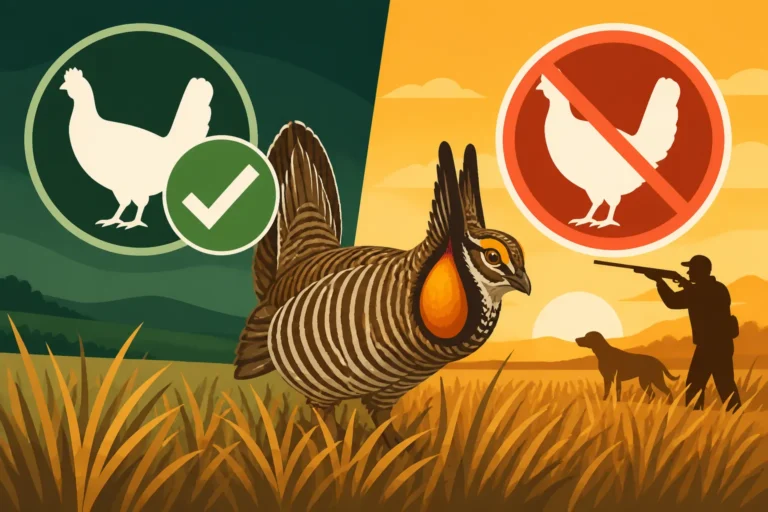
Lesser Prairie Chicken listing status definitions and federal Endangered Species Act classifications affect Kansas hunters and landowners.
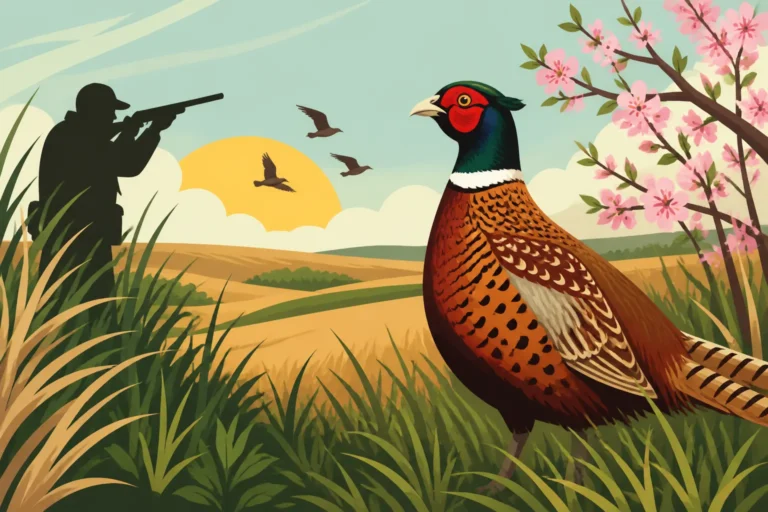
Male greater prairie chickens gather on open Kansas grasslands each spring to perform elaborate courtship and territorial display rituals.
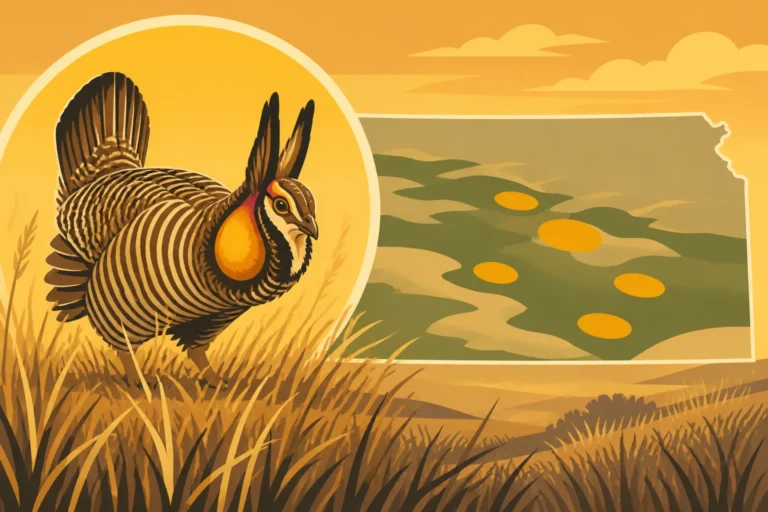
Prairie chicken lek locations in Kansas depend on open, elevated, well-drained terrain with short vegetation for predator visibility.
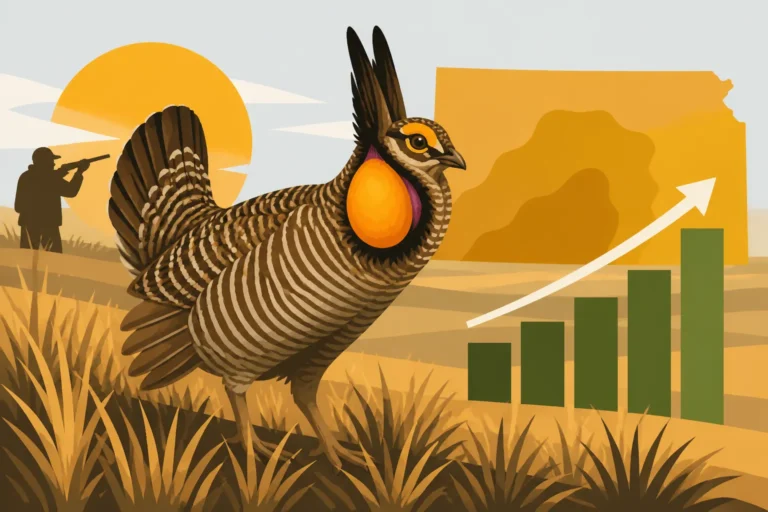
Greater prairie chicken population numbers in Kansas, current lek survey trends, and conservation efforts influencing local bird numbers.
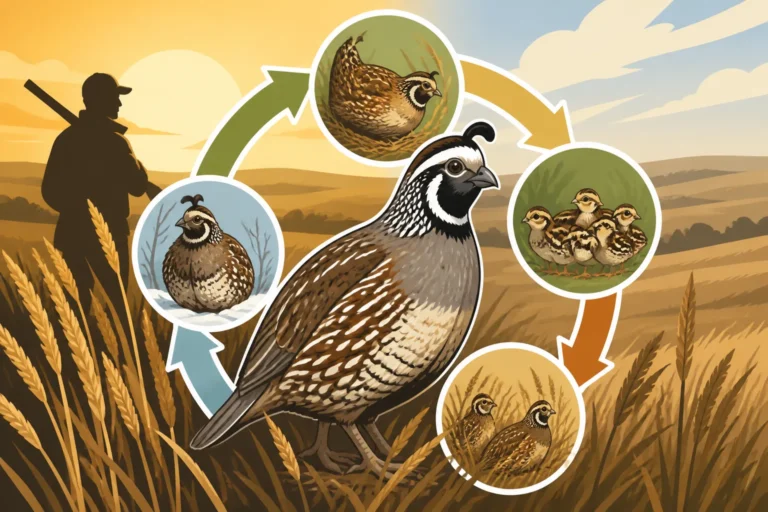
Kansas bobwhite quail population cycles, driven by annual weather and habitat changes, explain dramatic wild bird numbers.
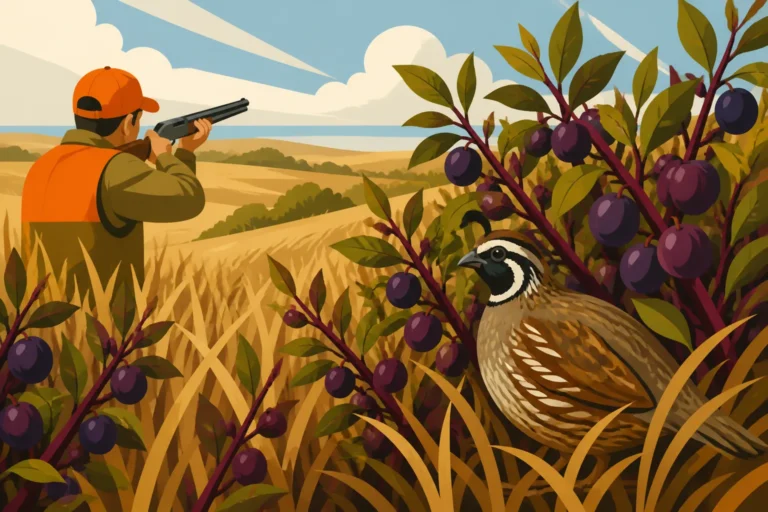
Kansas plum thickets provide bobwhite quail with vital predator protection, wild fruit, insects, and winter thermal shelter.
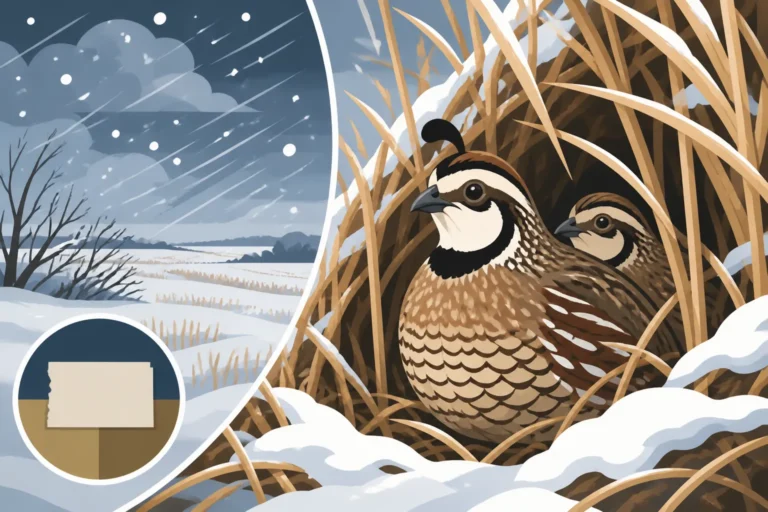
Severe winter weather and ice storms impact Kansas bobwhite quail survival by increasing metabolic strain and burying food sources.
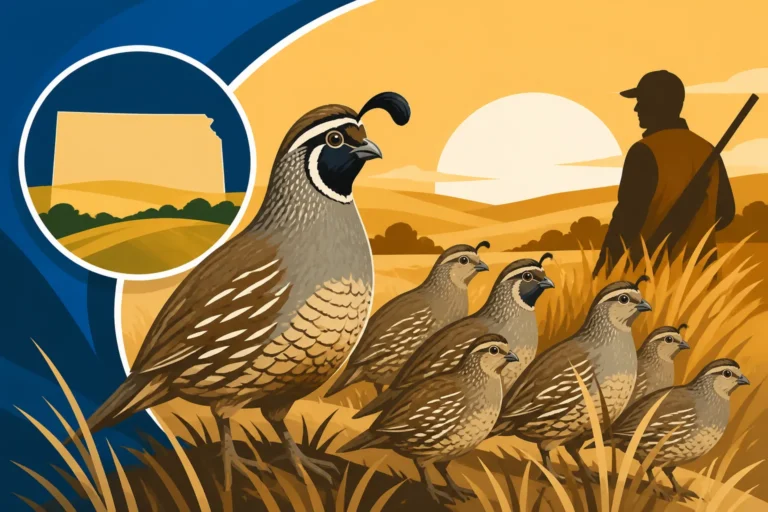
Kansas bobwhite quail coveys usually contain eight to twenty birds that form tight circles with heads facing outward for protection.
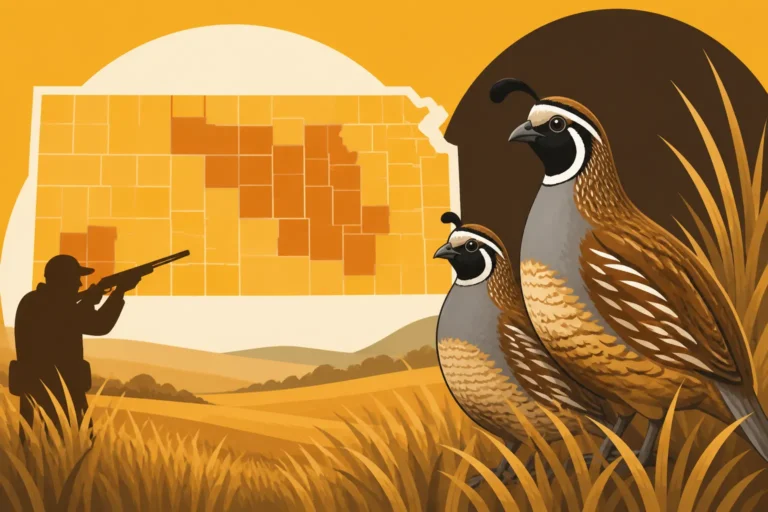
Kansas bobwhite quail hunting regions and specific edge habitats like plum thickets that support healthy bird populations.
Kansas bobwhite quail population numbers fluctuate based on weather patterns and habitat conditions, driving annual hunting success.