Kansas Bobwhite Quail Numbers
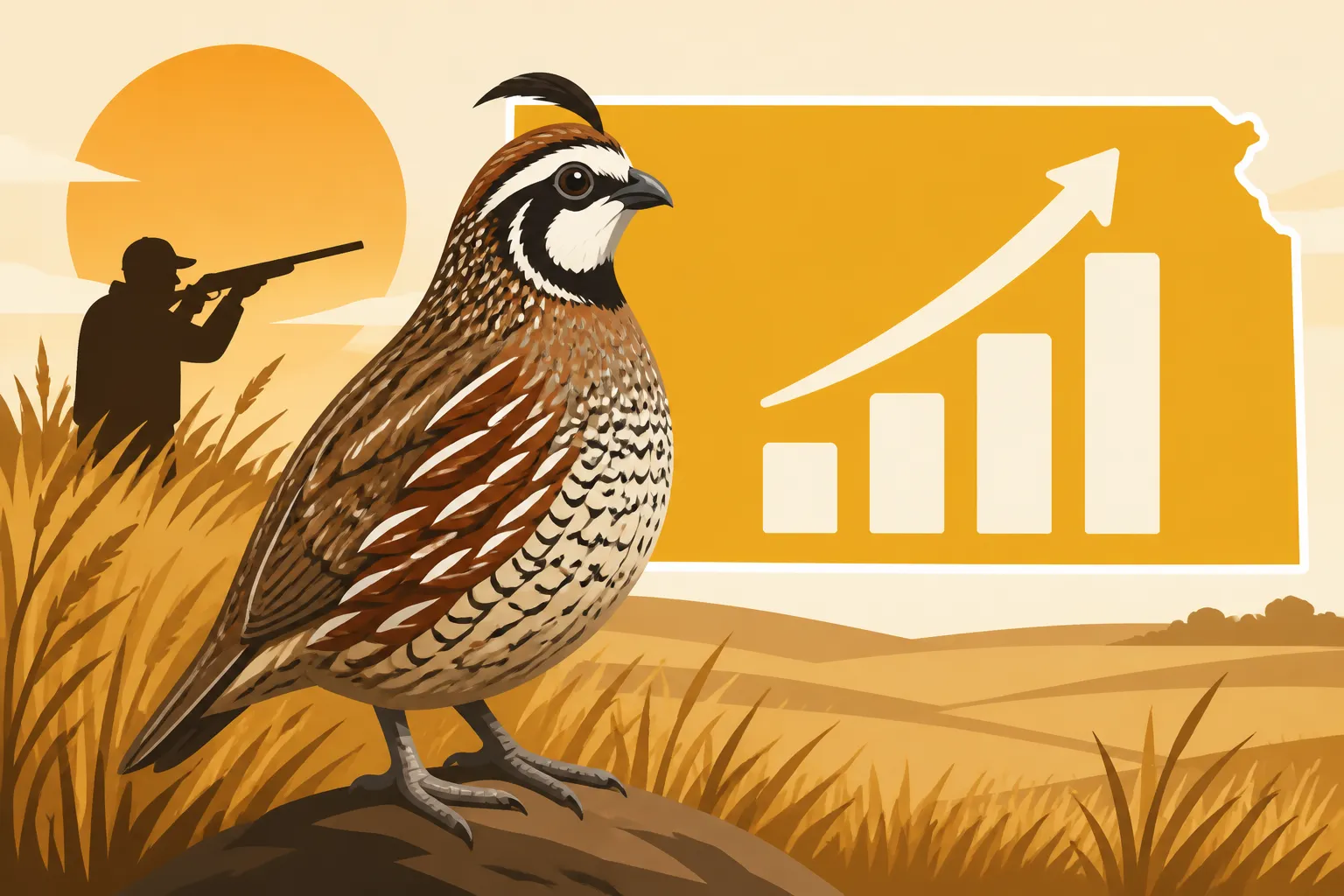
It’s a perennial question for upland hunters, isn't it? One year you’re flushing covey after covey, the next you’re walking miles just to hear a single call. Understanding what drives those rollercoaster "Kansas Bobwhite Quail Numbers" is key to consistent success and realistic expectations in the field. This comprehensive guide will break down the crucial factors influencing Kansas's bobwhite populations, how these numbers are tracked, and what you can do as a hunter to adapt to their ever-changing dynamics.
Understanding Kansas Bobwhite Quail Numbers
The bobwhite quail is an iconic bird of the Kansas landscape, beloved by hunters for its explosive flush and challenging hunt. However, anyone who has pursued these birds for more than a couple of seasons knows their numbers can fluctuate wildly. It's not just a feeling; it's a well-documented ecological reality, often tied directly to the health of the land and the whims of Mother Nature.
Historical Context of Quail in Kansas
Back in the day, Kansas was renowned for its incredible quail hunting, with stories of seemingly endless coveys. This wasn't just folklore; it was a reflection of a landscape that was, in many ways, more fragmented and diverse, with smaller farms, more fencerows, and less intensive agriculture. The mix of row crops, native grass, and timbered draws created a mosaic of habitat perfectly suited for bobwhites. As agricultural practices changed, becoming larger in scale and more monocultural, some of that prime habitat was lost or degraded.
However, quail are incredibly resilient, and given the right conditions, their populations can rebound dramatically. Kansas still holds significant quail numbers, particularly in areas where habitat management is a priority, or where the landscape naturally provides the necessary cover and food. Understanding this historical context helps us appreciate the ongoing challenges and triumphs in maintaining robust quail populations across the state.
The Boom-and-Bust Cycle of Bobwhites
Unlike some other game species, bobwhite quail are famous for their "boom-and-bust" population cycles. What does this mean for hunters? It means that a fantastic quail season is often followed by a less impressive one, or vice versa. These cycles are driven by a combination of factors, primarily weather patterns and habitat conditions, which directly influence nesting success and chick survival.
In a "boom" year, ideal conditions—like a mild winter, a wet but not overly soggy spring, and good insect availability—lead to high brood survival. Hens successfully raise large clutches of chicks, and those chicks thrive, leading to an abundance of birds come fall. Conversely, a "bust" year might be marked by harsh winters, cold and rainy springs that drown nests, or prolonged droughts that reduce insect populations, making it tough for young birds to find food. This natural fluctuation is just part of the bobwhite's biology and something every seasoned upland hunter learns to anticipate. You can learn more about Quail Population Cycles Explained to dive deeper into this phenomenon.
Interpreting Annual Survey Data
So, how do we know if it's a boom or bust year before we even step foot in the field? Kansas, like many states, conducts annual surveys to estimate game bird populations. For bobwhite quail, these often include roadside call counts and other techniques designed to get a snapshot of breeding bird densities. While these surveys aren't an exact count of every single bird, they provide invaluable trend data.
When you see reports about a "good year for quail" or "numbers are down," they're usually referring to these survey results. It's crucial to understand that these numbers are averages across large regions, so local conditions can always vary. A particular farm or Plum Thickets and Quail Cover area with excellent habitat might still hold good numbers even in a generally down year, while a poorly managed area might struggle even in an otherwise strong year. Using resources like the GoHunt platform or the KDWP website can help you access and interpret this survey data, allowing you to plan your hunts more effectively.
Key Factors Influencing Kansas Quail Populations
Understanding the sheer complexity of factors that influence bobwhite quail numbers is half the battle. It’s not just one thing; it’s a delicate interplay of many environmental variables, and if one piece of the puzzle is out of place, the entire population can suffer.
The Critical Role of Habitat
When we talk about quail, habitat is king, queen, and the entire royal court. Bobwhite quail need a specific set of habitat components to thrive: nesting cover, brooding cover, escape cover, and reliable food sources. Nesting cover typically consists of dense, undisturbed clumps of native grasses like switchgrass or little bluestem. Brooding cover needs to be open enough at the ground level for small chicks to move and find insects, but overhead protection from predators. Think native forbs and legumes. Escape cover means thickets – plum thickets, osage orange, cedar stands – places where a quail covey can dive for safety from hawks or coyotes.
Without this diverse mix, even perfect weather won't save a quail population. Modern agricultural practices, while efficient for food production, often reduce this critical "edge" habitat and diversity. Intensive tilling, removal of fencerows, and widespread herbicide use can eliminate the varied plants and insects that quail depend on. Areas that maintain good Bobwhite Quail Habitat in Kansas, often with a mix of CRP, crop edges, and brushy draws, are where you'll consistently find birds.
Weather's Impact on Nesting and Brood Survival
Kansas weather is, to put it mildly, unpredictable, and its impact on quail can be immense. The spring and early summer are particularly critical for bobwhite reproduction. A mild winter means more adult birds survive to breed, but then spring weather takes center stage. A spring with just the right amount of rain—enough to stimulate insect growth and lush vegetation, but not so much that nests are flooded or chicks are chilled to death—is ideal.
Conversely, a cold, wet spring can decimate broods, as young quail are highly susceptible to hypothermia. Heavy rainfall can also make insect foraging difficult, starving newly hatched chicks. Drought conditions, while not directly killing chicks via cold, can lead to a scarcity of insects and cover, making it harder for broods to find sustenance and avoid predators. That's why reports often highlight Quail Numbers After a Wet Spring, demonstrating the direct link between moisture and chick survival. Then, as the season progresses, severe winter weather, especially prolonged ice and snow cover, can reduce adult survival by limiting access to food and making them more vulnerable to predation. This is where Winter Weather and Quail Survival becomes a crucial factor.
Predation and Disease Pressures
While habitat and weather are the biggest drivers, predation and disease also play a role in shaping Kansas quail numbers. Quail are prey animals, and their world is full of creatures that would love to make a meal out of them. Raptors like hawks and owls, mammalian predators like coyotes, foxes, raccoons, and even snakes can take a toll on eggs, chicks, and adult birds. When cover is scarce, quail become much more vulnerable.
Disease, while less frequently discussed, can also impact localized populations. For example, avian pox can cause lesions that make it difficult for birds to feed or see. Parasites can weaken birds, making them more susceptible to other stressors. While widespread disease outbreaks are less common than environmental factors, they can contribute to declines. Healthy, well-fed quail in diverse habitat are generally more resistant to both predation and disease, highlighting once again the paramount importance of quality habitat.
Monitoring and Predicting Quail Trends
For the dedicated upland hunter, staying informed about quail populations isn't just a casual interest; it's a strategic necessity. Knowing what to expect before you hit the fields can save you countless hours of unproductive walking and help you focus your efforts where they're most likely to pay off.
Kansas Upland Bird Surveys Explained
Every year, the Kansas Department of Wildlife, Parks and Tourism (KDWP) conducts various surveys to assess upland bird populations, and bobwhite quail are a major focus. The most prominent is often the August Roadside Survey. Biologists drive established routes, typically in the early morning, stopping at regular intervals to listen for quail calls. The number of calls heard provides an index of breeding bird density. They also record pheasant crows and other upland bird observations.
This data, collected consistently year after year, allows the KDWP to track trends—are numbers up or down from last year, and by how much? These surveys are critical for setting appropriate Kansas Upland Bird Season Dates and Limits and for informing hunters. While the data represents regional averages, it’s the best large-scale indicator we have of how the quail population is faring across the state.
Utilizing Online Resources for Quail Forecasts
In this digital age, hunters have more access to information than ever before. Beyond the KDWP’s official reports, several online platforms and mapping services can help you predict and plan your hunts. Services like GoHunt are fantastic for hunters who want to delve into detailed harvest statistics, understand habitat distribution, and even get insights into historical population trends. They often compile state-specific data, including quail forecasts, and present it in an easy-to-digest format.
You can often find articles and blog posts that break down the nuances of the latest KDWP surveys, sometimes even offering unit-by-unit or regional predictions. Learning to use these tools effectively can be a game-changer, especially for hunters traveling to new areas or those trying to decide between different parts of the state. Remember, this information isn't about giving away secret spots, but about arming you with knowledge to make more informed decisions.
Reading a Kansas Harvest Report
Once the season is over, the KDWP compiles an annual harvest report, which is another invaluable resource. This report, based on hunter surveys, provides estimates of the total quail harvested, hunter success rates, and even the average number of birds flushed per hour or per day. This retrospective data can confirm the trends observed in the roadside surveys and provide a deeper understanding of actual hunter experiences.
For example, a year with high roadside counts but a lower-than-expected harvest might indicate challenging hunting conditions (dense cover, unseasonably warm weather) rather than a true drop in bird numbers. Conversely, a good harvest despite average roadside counts could point to excellent conditions during the season or high hunter effort. Regularly reviewing the Reading a Kansas Harvest Report data can provide long-term insights into the health of Kansas quail populations and refine your understanding of the boom-and-bust cycle.
Hunting Strategies Based on Population Trends
Knowing the general outlook for Kansas bobwhite quail numbers is only the first step. The real art of upland hunting lies in adapting your approach to whatever nature throws your way, whether it's a banner year or a more challenging one.
Adjusting Expectations for High and Low Years
In a year when Kansas bobwhite quail numbers are high, you can often afford to be a bit more selective, perhaps focusing on larger coveys or more expansive terrain. You might find birds in areas you wouldn't typically expect them, pushing into marginal cover. These are the years for long walks, lots of flushes, and enjoying the abundance.
However, in a "down" year, your strategy needs to shift. Expectations must be tempered. You'll likely need to work harder, cover more ground, and be much more precise in your scouting and hunting. Instead of expecting multiple flushes per hour, you might celebrate a single covey rise. The focus shifts from sheer numbers to finding those isolated pockets of birds that have managed to survive and thrive despite challenging conditions. Persistence and careful observation become even more critical.
Locating Quail Coveys in Plum Thickets
Regardless of the overall population numbers, quail tend to gravitate towards specific types of cover, and plum thickets are a classic example. These dense, thorny patches offer fantastic protection from both aerial and ground predators, and they often provide food sources as well. In a tough year, these thickets become even more crucial as refuges for remnant coveys. Knowing how to efficiently work these areas is a critical skill for any quail hunter.
When approaching a thicket, consider the wind and how you'll move through it. Quail often run before flying, so having blockers or working the edges thoroughly can be more effective than just barging through the middle. A good bird dog is invaluable here, but even without one, methodical hunting can yield results. Finding Quail Coveys in Plum Thickets can often be the difference between a successful hunt and a long walk in a down year.
Dogless Quail Hunting Tactics for Challenging Years
Let’s be honest, not everyone has a well-trained bird dog, or perhaps your dog isn't suited for the dense cover quail sometimes demand. Dogless hunting for quail, especially in challenging years, requires a different mindset and a lot more footwork. You become the "dog," using your eyes and ears to spot subtle signs of bird activity. Focus on the best available habitat, paying close attention to transitional areas where different cover types meet.
Slow down your pace significantly. Walk in zig-zag patterns, stop frequently to listen, and scan the ground ahead for movement. Quail often hold tight, especially when numbers are low, so you might walk right past them. Kicking brush piles, walking through dense grass, and carefully working the edges of crop fields can provoke a flush. Even something as simple as Working Grass Edges Without a Dog can become a key tactic. This approach demands patience and a keen eye, but it’s incredibly rewarding when you make contact with a covey on your own terms. Remember, even though numbers might be low, a single covey can make your day, and finding it without a dog is a testament to your hunting skill.
| Factor | Impact on Quail Numbers | Time of Year Most Critical | Hunter Adaptation |
|---|---|---|---|
| Habitat Diversity | Provides nesting, brooding, escape cover, and food. | Year-round | Prioritize areas with diverse cover; utilize mapping tools like GoHunt to find likely spots. |
| Spring/Summer Rains | Ideal moisture promotes insect growth & vegetation; too much drowns nests. | April-July | Monitor local weather forecasts; focus on well-drained areas after heavy rain. |
| Winter Severity | Deep snow/ice can starve birds and increase predation. | December-March | Scout likely wintering cover (thickets, dense grass) in post-season. |
| Predation Pressure | Higher in areas with poor escape cover. | Year-round | Hunt dense cover; focus on thickets and brush piles for safety. |
| Agriculture Trends | Monoculture and lack of edge habitat reduce populations. | Year-round | Seek out smaller farms, CRP tracts, and public lands with diverse management. |
Disclaimer
This article is for general informational purposes only and does not constitute professional advice. Laws, prices and regulations vary by location and change over time. Consult a qualified professional for guidance on your specific situation.