Recovering a Deer Across a Property Line
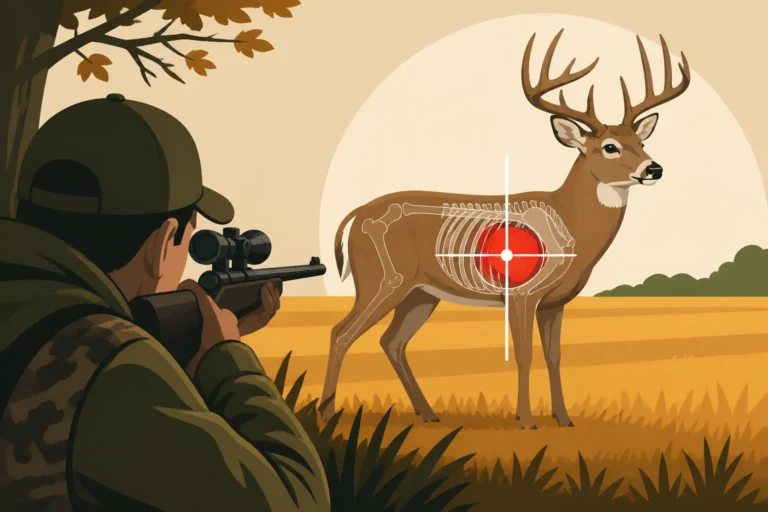
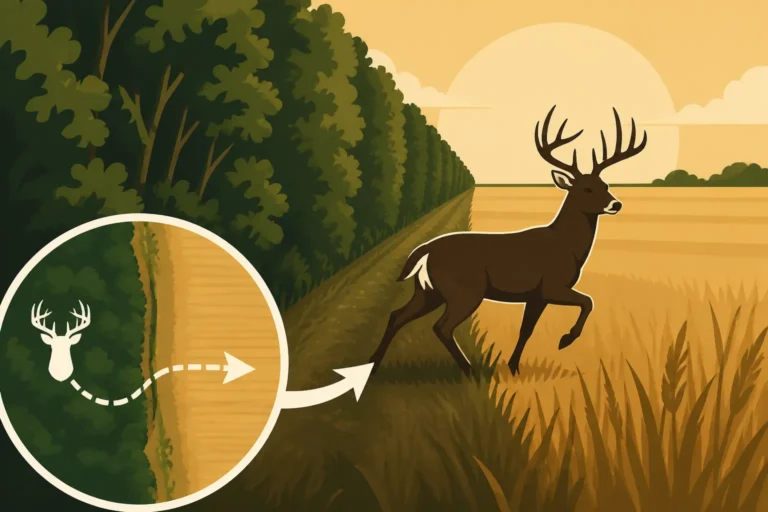
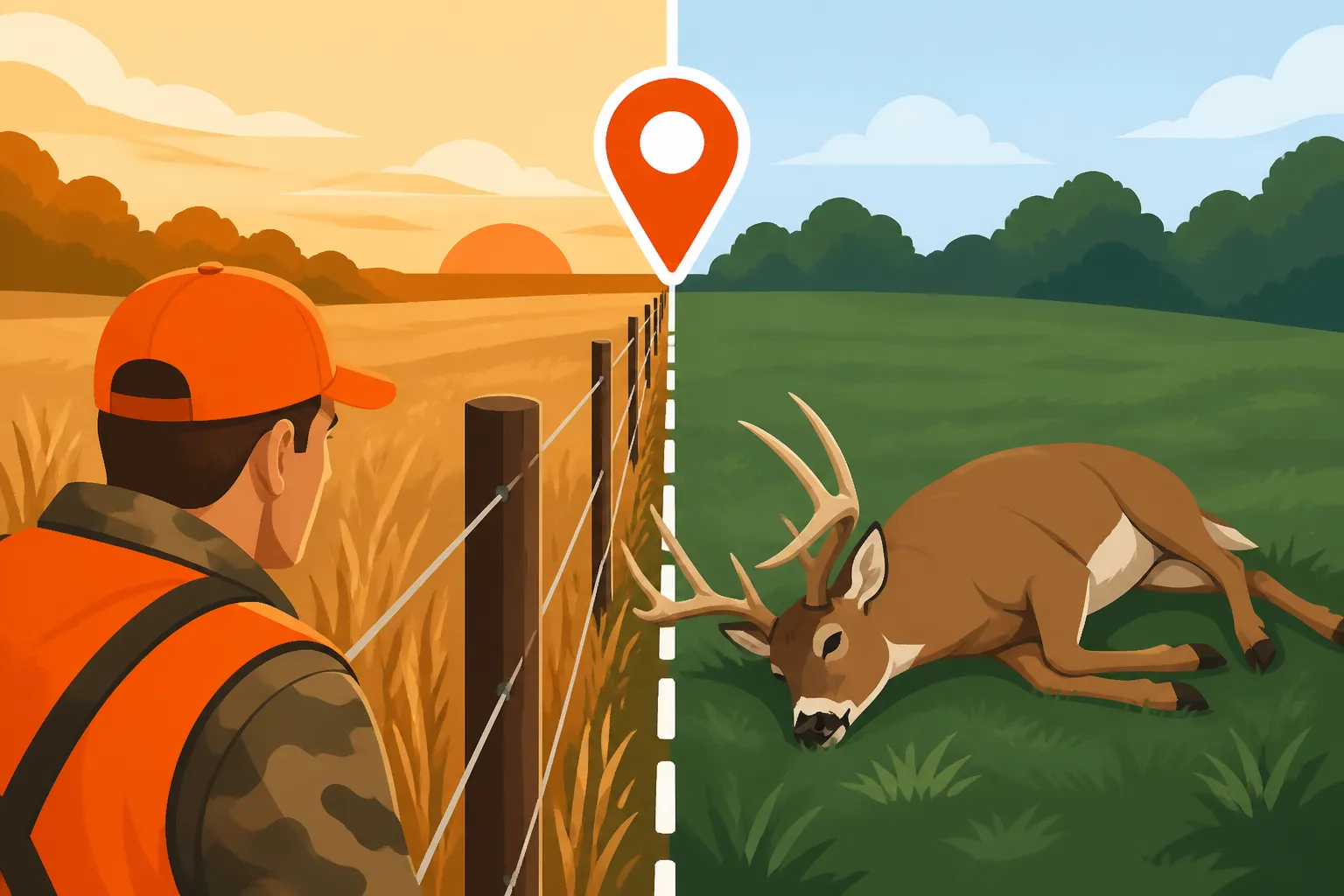
There are few feelings worse as a hunter than making what you thought was a good shot on a magnificent Kansas whitetail, watching it bolt, and then realizing it just crossed a fence onto private land where you don't have permission to hunt. The anxiety immediately sets in: Did I lose it? What do I do? Can I even go get it? This guide is here to walk you through the complex, often frustrating, but absolutely critical steps of respectfully and legally recovering a deer that has crossed a property line in Kansas, saving you from a potential headache or even legal trouble.
Understanding Kansas Trespass Laws and Hunter Ethics
When a deer crosses onto private property, your first instinct might be to just hop the fence and get your animal. However, this immediate action can lead to significant legal trouble and damage the reputation of all hunters. Understanding the foundation of Kansas trespass law and upholding strong ethical principles are paramount before you take another step.
The Legalities of Entering Private Property
In Kansas, there is no inherent "right of pursuit" that allows a hunter to automatically follow wounded game onto private land without the landowner's explicit permission. This is a critical distinction many hunters misunderstand, and it can land you in hot water fast. Kansas Statute 21-5808, for instance, details criminal trespass, which can include entering or remaining on land without permission, especially if the land is posted with "No Trespassing" signs, purple paint on trees or posts, or if the landowner has directly told you to stay off. Even if the land isn't posted, entering without permission is still considered trespass if you don't have explicit consent.
The consequences of unlawful entry are not just a slap on the wrist. You could face fines, criminal charges, and potentially even lose your hunting privileges. Imagine this scenario: You shoot a buck, and it runs across the barbed wire onto a neighbor's hayfield. You’re pumped, adrenaline is high, and you just know it's dead in the tall grass. You cross the fence, find the deer, and are dragging it out when the landowner drives up. Suddenly, your successful hunt turns into a confrontation, and you're not just dealing with an angry landowner, but potentially a game warden or sheriff's deputy. It's not worth the risk, not for you, and not for the hunting community as a whole. Your immediate legal obligation is to stop at the property line and assess the situation from a distance, then proceed with seeking permission.
Ethical Considerations for Crossing Boundaries
Beyond the law, there's the equally important aspect of hunter ethics. Respect for landowners is not just a polite suggestion; it's the bedrock of maintaining good hunter-landowner relations across the state. Farmers and ranchers work incredibly hard, and their land is their livelihood. Uninvited trespassers can cause real damage – fences cut, gates left open, crops trampled, or simply creating a feeling of insecurity for their family and property.
Consider the "golden rule" of hunting: treat others' property as you would want yours treated. If you wouldn't want someone wandering onto your land without asking, don't do it to someone else. Your actions, positive or negative, reflect on every other hunter. A single act of trespass can close off an entire section of land to all future hunters, ruining opportunities for others who would follow the rules. It creates a narrative that all hunters are disrespectful, and that's just not true for the vast majority of us. By patiently and respectfully seeking permission, you not only protect yourself legally but also uphold the positive image of ethical hunters in Kansas. This approach can even open doors for Finding Private Land Access in Kansas down the road, as a positive interaction might lead to future opportunities.
The Step-by-Step Process for Gaining Permission
Once you've accepted that you cannot simply charge onto private land, the next crucial step is gaining permission. This process requires patience, politeness, and preparation. Approaching it correctly can make all the difference between recovering your deer and having to walk away.
Identifying the Landowner and Making Contact
Your first challenge is often figuring out who owns the land where your deer went. This is where modern technology really shines. Many Kansas counties have online geographic information system (GIS) maps or tax assessor websites that allow you to look up property ownership by parcel. These resources can be invaluable for identifying the landowner's name and sometimes even a mailing address or phone number.
Beyond county resources, several popular hunting apps and websites offer excellent land ownership overlays. Tools like OnX Hunt, BaseMap, or even GoHunt (which often integrates similar mapping features) allow you to pinpoint your exact location, see property lines, and click on a parcel to reveal the landowner's name and contact information. These are indispensable tools for E-Scouting Kansas Farm Country From Home and for situations just like this. With the landowner's name in hand, you can then search online for a phone number or mailing address.
When you make contact, timing is key. Avoid calling during traditional dinner hours (unless you know them personally), early morning farm work, or late at night. A mid-morning or mid-afternoon call or a polite knock on the door (if you can locate their residence) is often best. Always have your information ready: your name, where you're calling from, where you shot the deer, the general area where it went onto their property, and your contact information. Being clear and concise shows you're serious and respectful of their time.
The Conversation: What to Say and How to Ask
The actual conversation with the landowner is critical. Approach it with humility, honesty, and respect. Start by introducing yourself and immediately stating your situation: "Hello, my name is [Your Name], and I'm a hunter. I'm calling because I shot a deer this morning on [describe where you were hunting, e.g., the public land to the west of your property], and it ran onto your property. I'm hoping to get your permission to go in and retrieve it."
Be prepared to answer questions and to be transparent. Offer to walk with them to the location where you believe the deer is. This builds trust and shows you have nothing to hide. Assure them that you won't bring a vehicle onto their property, won't carry a loaded weapon (unless they specifically allow it and it's necessary for dispatching a wounded animal, which is rare for recovery), and won't bring a big group of friends. If you plan to use a tracking dog, you must explicitly ask for permission for that as well, as Using a Tracking Dog Legally in Kansas always requires landowner consent.
It's also essential to be prepared for a "no." Landowners have every right to deny access for any reason, whether it's concerns about livestock, crops, personal privacy, or simply a previous bad experience with other hunters. If they say no, accept it gracefully. Thank them for their time, express your understanding, and leave. Arguing or pushing the issue will only solidify their negative stance and reflect poorly on you and the hunting community. A polite "no" today leaves the door open for a potential "yes" in the future for another hunter, or even for you if you ever interact again. Sometimes, simply demonstrating respect can go a long way in cultivating goodwill, which is a core part of Asking a Kansas Landowner for Permission.
Practical Tips for a Successful Recovery (Once Permission is Granted)
Congratulations, you got permission! That's a huge hurdle overcome. Now, the focus shifts to a swift, efficient, and respectful recovery of your deer, all while upholding the trust the landowner has placed in you.
Equipment and Personnel Considerations
Even with permission, remember that you're still on someone else's land. Be mindful of your presence. When going in for the recovery, travel light and quietly. A good headlamp or powerful flashlight is indispensable, even if it's daylight, for peering into thick cover or underbrush to spot blood or the deer itself. Bring only the essential equipment: a sharp knife, game bags (if quartering), drag rope or a deer cart if the terrain allows and you've explicitly cleared its use.
Regarding personnel, it's generally best to go in alone or with one trusted, quiet partner, unless the landowner explicitly approved more people. Showing up with a parade of hunting buddies can be intimidating and quickly erode the trust you just built. If you typically rely on friends for tough blood trails, make sure the landowner understands and approves how many people will be assisting. Your ability to Blood Trailing in CRP and Cedars quickly and efficiently will be a huge asset here, minimizing your time on their property. Be aware of the terrain; if the deer went into a deep draw or a dense river bottom, you might need to think about how you'll manage Getting a Deer Out of a River Bottom Alone, or whether you discussed bringing a cart or ATV (only with explicit, documented permission).
Respecting the Landowner's Wishes During Recovery
This is where your ethical behavior truly shines. First and foremost, stick to the agreed-upon routes. If the landowner told you to stay along a specific fence line or avoid a certain field, adhere to those instructions strictly. Do not deviate, even if you think it's a quicker path. If there are gates, leave them exactly as you found them – if it was closed, close it behind you; if it was open, leave it open. Livestock getting out due to an open gate is a major headache for a farmer and an instant way to burn bridges.
Minimize disturbance. Walk carefully through crops or pastures. If the ground is wet, try to walk on field edges or areas where you won't leave deep ruts. After you recover the deer, clean up any mess you might have made, including any blood trailing markers you used. Pack out everything you brought in. Before you leave their property, it's a great gesture to check in with the landowner again, thank them profusely, and let them know you're leaving.
As a gesture of gratitude, consider offering to share some of the venison with them, especially if they are not hunters themselves. Even if they decline, the offer shows your appreciation. Another thoughtful gesture could be offering to help with a small task, like closing a gate or picking up trash, if it's appropriate. Building this positive relationship could lead to future opportunities, not just for you, but for other ethical hunters seeking permission in the area. Remember, your goal is to leave their property better than you found it, or at the very least, completely undisturbed.
What to Do if Permission is Denied or Unobtainable
Despite your best efforts, sometimes permission just isn't granted. It's a tough situation, one every hunter dreads, but it's crucial to know how to handle it legally and emotionally.
Accepting the Unfortunate Reality
If a landowner says no, or if you can't identify or reach them, you have to accept that your deer is likely lost. This is incredibly hard. You've invested time, effort, and emotion into your hunt, and walking away from a downed animal goes against every fiber of a hunter's being. However, it's the only legal and ethical choice if permission is denied or impossible to obtain. Trespassing, even to recover a deer, carries legal repercussions, as detailed earlier in the discussion of Kansas Trespass Law and Posted Land. The legal implications of knowingly entering private land without permission are severe, including fines and potential loss of hunting privileges.
Emotionally, it's a tough pill to swallow. You'll likely question your shot, replay the moment in your head, and feel a sense of loss. It’s okay to feel that frustration. But ultimately, you must prioritize respect for private property and the law over your desire to recover the animal. The animal's fate, while unfortunate, is usually that it becomes part of the natural ecosystem, providing sustenance for scavengers and nutrients for the soil. It's not wasted, just not recovered by you. This is an unavoidable part of hunting, especially in a state like Kansas where so much land is privately owned.
Legal Alternatives and Reporting Requirements
If you absolutely cannot get permission, you technically cannot legally enter to retrieve your deer. There isn't a state agency in Kansas that can compel a private landowner to grant you access. However, if you are concerned about reporting the animal as wounded and unrecovered, or if you simply want to make sure you've covered all your bases, you can contact the Kansas Department of Wildlife and Parks (KDWP) through your local game warden. They can offer advice on specific situations but cannot override a landowner's denial of access. They might, for instance, note the situation for their records, especially if it was a trophy animal or a particularly vexing situation, but they cannot force entry.
Regarding your tag, if you shot the animal and it died on private land without recovery, you have essentially "used" that tag for that animal. You are generally not able to reuse that tag for another deer in the same season, even if you never physically possessed the carcass. However, specific regulations or interpretations can vary, so if you are in doubt, always contact KDWP directly for clarification on how to handle your tag in such a scenario. While there are rules for Recovering a Deer Across a Property Line with specific circumstances, the landowner's denial ultimately trumps them. Remember, adhering to KDWP regulations and exercising good judgment will always serve you best in the long run.
| Action | Do's | Don'ts |
|---|---|---|
| Initial Contact | Be polite, honest, and respectful. | Demand access or act entitled. |
| Have landowner contact info ready (e.g., from GoHunt, OnX, county GIS). | Call at inconvenient times (early morning, late night, dinner). | |
| The Conversation | Clearly explain the situation: where you hunted, where it went. | Argue or become defensive if they ask questions. |
| Offer to walk with them to show the blood trail/deer. | Exaggerate the situation or make false promises. | |
| Assure them you will not bring vehicles, large groups, or loaded weapons without explicit permission. | Assume permission for anything beyond simply walking in for recovery. | |
| If Permission Granted | Thank them profusely. | Bring unapproved people or equipment. |
| Stick to agreed-upon routes and leave gates as found. | Deviate from the agreed path or create new trails. | |
| Recover the deer efficiently and minimize disturbance. | Leave trash, blood, or other signs of your presence. | |
| Check in again to thank them and let them know you're leaving. | Forget to thank them or assume they don't care after granting access. | |
| If Permission Denied | Accept it gracefully and thank them for their time. | Trespass, even if you're sure the deer is just over the fence. |
| Contact KDWP for advice on reporting the lost animal if desired. | Complain or spread negative remarks about the landowner. |
Disclaimer
This article is for general informational purposes only and does not constitute professional advice. Laws, prices and regulations vary by location and change over time. Consult a qualified professional for guidance on your specific situation.