Kansas Wild Turkeys and the Population Decline
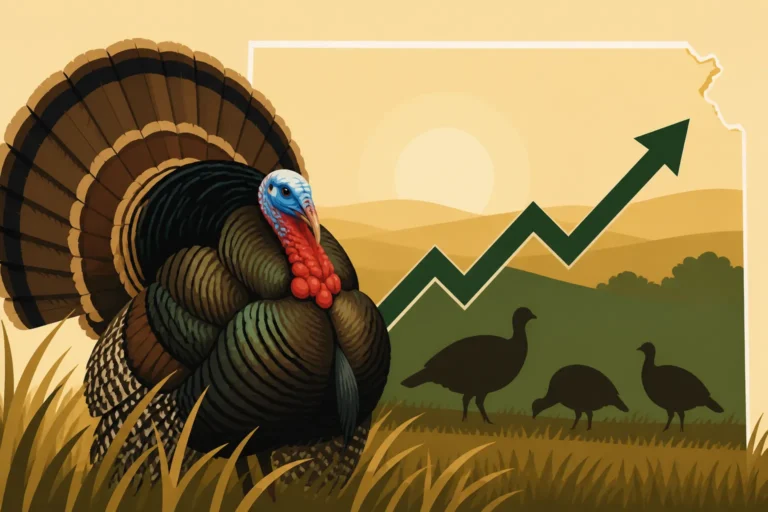
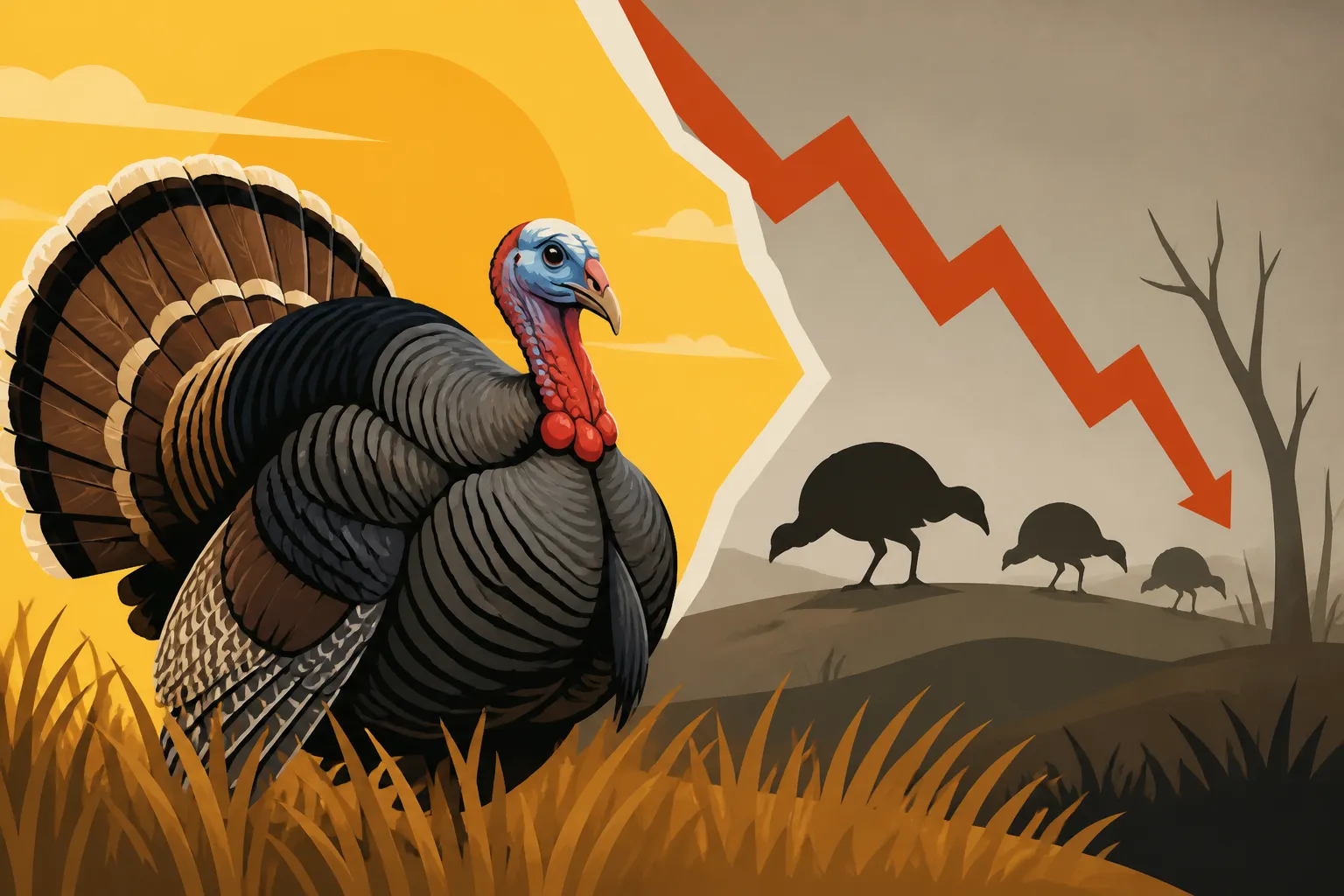
It’s no secret that many of us who cherish spring mornings spent chasing gobblers across Kansas have noticed something unsettling over the last decade or so: the turkeys just aren't as abundant as they used to be. The booming calls seem fewer and farther between, and filling a tag feels more like a hard-earned victory than a common occurrence. This guide will delve into the historical context, current population trends, and the myriad of factors contributing to this decline, helping you understand what's really happening on the ground and what the future might hold for our beloved Kansas wild turkeys.
A Look Back: The Glory Days of Kansas Turkey Hunting
If you've been around the Kansas hunting scene for a while, you remember when turkeys seemed to be everywhere. It felt like you couldn't drive down a gravel road in certain parts of the state without seeing flocks strutting in fields or crossing timbered draws. Those were truly the glory days, a testament to successful conservation efforts that brought these magnificent birds back from near extinction in the early 20th century.
How Kansas Became a Turkey Hotspot
The return of wild turkeys to Kansas is a remarkable success story, born from dedicated efforts by wildlife agencies and conservationists. Historically, native wild turkeys, primarily the Eastern subspecies in the eastern part of the state and Rio Grandes further west, were almost wiped out by unregulated hunting and widespread habitat destruction in the late 1800s and early 1900s. By the 1950s, wild turkeys were virtually absent from the Kansas landscape. It took a concerted effort, starting in the late 1960s, to reintroduce turkeys using birds trapped from other states like Oklahoma and Texas. These efforts focused on releasing wild-trapped birds into suitable habitat, which proved far more effective than trying to establish game farm birds.
Kansas, with its unique blend of timbered river bottoms, agricultural fields, and sprawling grasslands, offered ideal conditions for these reintroduced populations to thrive. The state’s diverse landscape provided abundant food sources, from waste grain in crop fields to acorns in oak-hickory woodlands, and critical roosting cover along major river systems. This habitat diversity allowed the initial releases to not just survive but explode in numbers, spreading rapidly across much of the state. It was a golden era for wildlife management, showcasing what could be achieved when conservation programs hit their stride.
Species Introduction and Early Success
The primary focus of early reintroduction efforts in Kansas was on the Rio Grande subspecies, particularly in the central and western regions where suitable riparian corridors and extensive rangeland dominated. These birds adapted incredibly well to the mixed agricultural and native prairie environments, quickly establishing robust populations. Later, Eastern wild turkeys were introduced into the eastern timbered regions, further expanding the species' footprint across the state. The success of these initial stockings led to what felt like an endless supply of turkeys for hunters for decades.
For years, it was common for hunters to hear multiple gobblers sounding off from different directions at dawn, and seeing large winter flocks was a regular occurrence. The open nature of much of the Kansas landscape, even in timbered areas, meant that a well-placed decoy and a few simple calls could often bring a bird into range. This abundance made Kansas a destination for turkey hunters from all over, drawing them to its fertile ground and accessible public and private lands. The wild turkey population grew exponentially, peaking around the early 2000s, and for many, it felt like this era of plenty would last forever. However, as we now understand, even the most successful conservation stories can face unforeseen challenges.
The Current Landscape: Understanding Population Trends
While reminiscing about the "good old days" is fun, the reality on the ground today is starkly different for many Kansas turkey hunters. The once-thriving populations, which provided such excellent hunting opportunities, have clearly taken a hit. It’s a frustration echoed by hunters across the state, from the eastern timber to the western plains, and it’s something the Kansas Department of Wildlife and Parks (KDWP) has been actively monitoring.
Tracking the Decline: Data and Hunter Observations
The anecdotal evidence from hunters, who spend countless hours in the field, aligns with the data collected by KDWP. Surveys indicate a measurable decline in wild turkey numbers across Kansas, particularly evident in declining harvest rates and spring gobbling activity reports. While the exact percentage of decline can vary by region and year, the overall trend is undeniable. For example, KDWP's annual spring turkey harvest reports have shown a general downward trajectory in recent years. Many hunters will tell you that they're driving further, spending more time scouting, and working harder for fewer opportunities. It's a stark contrast to what many experienced even just 10-15 years ago.
This decline isn't just a Kansas phenomenon; it's being observed in many states across the Midwest and Southeast. The common thread is often a combination of factors, but here in Kansas, the changes are particularly noticeable due to our historically strong populations. What was once considered a relatively easy hunt has become a genuine challenge, requiring more grit and adaptability from hunters. Understanding these trends requires looking beyond just the numbers and considering the environmental and ecological shifts that are playing out on the landscape.
Regional Differences in Turkey Numbers
It's important to recognize that the wild turkey population decline isn't uniform across the entire state. While the overall trend is downward, some regions have been hit harder than others. Generally, the more intensely farmed areas, especially those with less contiguous timber and more fragmented habitat, tend to show more significant declines in Rio Grande turkey numbers. Western Kansas, which has always had more scattered turkey populations tied to river systems and isolated timber blocks, has seen its own struggles, often amplified by drought conditions.
Conversely, some areas in eastern Kansas, particularly those with larger tracts of unbroken timber and diverse habitats like the Flint Hills, may still hold relatively stable populations of Eastern or hybrid turkeys, though even these areas aren't immune to the broader trends. Hunters often report seeing "pockets" of turkeys that are doing okay, but these are often localized and require significant scouting to locate. This regional variation means that while one hunter might be struggling to find a bird, another in a different unit or even a different part of the same unit might be having decent success. This complexity makes management and conservation efforts challenging, as solutions need to be tailored to specific local conditions. Tools like GoHunt can sometimes help hunters visualize habitat changes or public land opportunities, though it won't directly show current bird densities.
Unpacking the Causes: Why Are Numbers Falling?
The question on every turkey hunter's mind is, "Why?" There isn't one single, easy answer, but rather a complex web of interconnected environmental and ecological factors that, when combined, create a perfect storm for wild turkey populations. It's not just one thing; it's often a compounding effect that gradually erodes the health and abundance of the species.
Habitat Loss and Fragmentation
One of the most significant contributors to the decline in Kansas wild turkey numbers is the ongoing loss and fragmentation of suitable habitat. Turkeys, especially poults, need specific types of cover for nesting, brooding, and escaping predators. In Kansas, the push for agricultural intensification, the conversion of native grasslands to cropland, and the clearing of timber for development or other uses have all chipped away at critical turkey habitat. Large, contiguous blocks of timber that provide essential roosting sites and nesting cover are shrinking or becoming isolated islands in a sea of agriculture.
Furthermore, the quality of remaining habitat can also be an issue. Proper ground cover for nesting hens, often found in diverse native grasses and forbs, is crucial for successful reproduction. When these areas are overgrazed, mowed too frequently, or converted, hens have fewer safe places to lay eggs and raise their young. Similarly, early successional habitat, which provides abundant insects for poults, is often lacking. The absence of these diverse habitat components directly impacts Turkey Poult Survival and Rainfall. Less suitable habitat means fewer successful nests, increased vulnerability to predators, and ultimately, fewer turkeys making it to adulthood.
Predation Pressures on Poults and Nests
While predators have always been a natural part of the ecosystem, their impact on turkey populations, particularly during critical nesting and brooding phases, appears to have intensified. Factors like habitat fragmentation can concentrate turkey nests into smaller, more easily found areas, making them more vulnerable. Common nest predators include raccoons, opossums, skunks, and coyotes, all of which are abundant in Kansas. These animals can decimate a clutch of eggs or even kill a brooding hen.
Beyond nest predation, poults are incredibly vulnerable to a wide range of predators, from raptors like hawks and owls to snakes, foxes, and bobcats. If habitat lacks dense overhead cover or insect-rich foraging areas where poults can hide, their survival rates plummet. The balance of predator-prey relationships can be delicate, and when combined with other stressors like poor habitat quality or adverse weather, predation can become a major limiting factor for turkey populations. This is a primary factor in the broader issue of Nest Predation and Turkey Numbers.
Weather Extremes and Their Impact
Kansas is no stranger to extreme weather, and these conditions play a significant role in turkey population dynamics. Both prolonged droughts and excessively wet springs can be devastating, especially for young turkeys. Droughts reduce insect populations, which are a critical food source for rapidly growing poults, leading to malnutrition and higher mortality. Dry conditions can also limit vegetative growth, reducing critical cover.
Conversely, cold, wet springs can be equally, if not more, detrimental. Newly hatched poults are highly susceptible to hypothermia, and a prolonged period of cold rain can wipe out an entire brood. Wet conditions also make poults more vulnerable to disease and can reduce insect availability. The timing of these weather events is key; a perfectly timed cold, wet snap during peak hatch can have a disproportionately negative impact on annual recruitment. Over the past decade, Kansas has experienced several such challenging weather patterns that have directly hindered turkey recovery efforts. This often leads to poor Turkey Poult Survival and Rainfall statistics.
Disease and Other Environmental Factors
While often less visible than habitat loss or weather, disease can also play a role in turkey population declines. Avian Pox, Lymphoproliferative Disease (LPDV), and Blackhead Disease are examples of diseases that can affect wild turkeys. While these diseases typically don't cause widespread, catastrophic die-offs in healthy populations, they can weaken birds, reduce reproductive success, and contribute to localized declines, especially when birds are already stressed by other environmental factors like poor nutrition or extreme weather.
Beyond disease, other environmental factors like changes in land management practices (e.g., timing of prescribed burns, haying practices), increased human disturbance, and even vehicle collisions can incrementally impact turkey numbers. The cumulative effect of these various stressors can make it incredibly difficult for populations to rebound, even during otherwise favorable years. This makes understanding the complex ecosystem vital for effective conservation.
Species Specifics: Rio Grandes, Easterns, and Hybrids
Kansas is unique in that it hosts two distinct subspecies of wild turkeys – the Rio Grande and the Eastern – along with areas where their ranges overlap, leading to hybrid populations. Each subspecies has adapted to specific habitats and faces its own set of challenges, though they all feel the pinch of broader environmental pressures.
Rio Grande Turkey Range and Challenges
The Rio Grande wild turkey (Meleagris gallopavo intermedia) is the most widespread subspecies in Kansas, dominating the central and western parts of the state. These birds thrive in the open rangelands, riparian corridors, and agricultural mosaic landscapes typical of these regions. Their habitat preference often ties them closely to creek bottoms, river systems, and isolated timber blocks that provide crucial roosting and loafing cover, while they utilize surrounding fields for feeding.
The challenges for Rio Grandes in Kansas are often amplified by the semi-arid climate of their core range. Prolonged droughts can severely impact their food sources (especially insects and forbs) and water availability, leading to reduced poult survival. The reliance on often narrow, linear strips of riparian timber makes them particularly vulnerable to habitat fragmentation from agriculture and development along waterways. Additionally, concentrated flocks in winter can lead to increased vulnerability to disease transmission and predation. Understanding the specific dynamics of the Rio Grande Turkey Range in Kansas is essential for effective management.
Eastern Turkeys and Their Unique Struggles
Eastern wild turkeys (Meleagris gallopavo silvestris) primarily inhabit the forested, eastern portions of Kansas, where hardwood timber, rolling hills, and denser cover are more prevalent. These birds are inherently more forest-dwelling than their Rio Grande counterparts, relying heavily on mature timber for roosting and foraging, particularly for acorns and other hard mast. Their populations, while never as extensive across the entire state as Rio Grandes, historically offered strong hunting in areas like the Flint Hills and the timbered river systems of eastern Kansas.
Eastern turkeys face different pressures. While habitat fragmentation from agriculture is still a concern, the primary threats often revolve around timber management practices. Overly aggressive timber harvesting, lack of diverse forest age classes, and urbanization creeping into forested areas can reduce the quality and quantity of their preferred habitat. Furthermore, some studies suggest Eastern turkeys may be more susceptible to certain diseases or may have lower reproductive rates in some marginal habitats compared to Rio Grandes. The recovery of Eastern populations often hinges on sustained, high-quality timber management.
Hybrid Zones and Genetic Considerations
Where the ranges of Rio Grande and Eastern wild turkeys meet, particularly in central Kansas, hybrid populations can occur. These hybrid zones are fascinating from a biological perspective, as the birds exhibit characteristics of both subspecies. While hybrids can be robust, there are often concerns within wildlife management about maintaining the genetic integrity of pure subspecies. However, in the context of declining populations, some argue that these adaptable hybrids might actually represent a resilient component of the overall turkey population.
The challenges in hybrid zones are a mix of those faced by both subspecies. These birds might adapt to a broader range of habitats, but they are still subject to the same pressures of habitat loss, predation, and adverse weather. Research continues into the reproductive success and long-term viability of hybrid populations compared to purebred stock. For hunters, recognizing a hybrid can sometimes be tricky, but the key takeaway is that these birds are still wild turkeys, providing hunting opportunities and contributing to the state's overall turkey numbers.
Hunter Insights and Management Responses
The decline in turkey numbers isn't just a biological issue; it's a deeply felt concern for the hunting community and a significant challenge for wildlife managers. Both groups are crucial in understanding the problem and working towards solutions.
KDWP's Role and Management Strategies
The Kansas Department of Wildlife and Parks (KDWP) is acutely aware of the turkey population decline and has been actively implementing and exploring management strategies to address it. Their role involves extensive research, population monitoring, habitat enhancement, and adjusting hunting regulations. For example, KDWP utilizes various methods to estimate Kansas Turkey Population Trends, including brood surveys in summer, hunter harvest reports, and observational data from biologists and landowners. These surveys help identify areas of concern and inform management decisions.
In response to declining numbers, KDWP has often adjusted hunting seasons and bag limits to reduce hunter harvest pressure, especially on gobblers, to allow more birds to survive and contribute to breeding. They also work with landowners on habitat improvement initiatives, providing technical assistance and resources for creating or enhancing turkey habitat. This could include promoting diverse native perennial grasses for nesting cover, encouraging responsible timber management, or developing food plots. However, the sheer scale of the landscape and the complexity of the factors involved mean that effective management is a continuous, uphill battle requiring long-term commitment and adaptive strategies.
Hunter Perspectives and Conservation Efforts
Kansas turkey hunters are, by and large, passionate conservationists, and their perspective is invaluable. Many hunters express frustration over the declining numbers but also a strong desire to be part of the solution. They are the "boots on the ground," observing firsthand the changes in turkey behavior, roosting patterns, and flock sizes. This collective knowledge often provides early warnings and critical insights that complement scientific data.
Hunters contribute to conservation in numerous ways, from purchasing licenses and tags, which directly fund KDWP's wildlife management programs, to participating in habitat improvement projects on their own land or through conservation organizations like the National Wild Turkey Federation (NWTF). Educating other hunters about ethical practices, emphasizing accurate harvest reporting, and practicing restraint (e.g., not over-calling or pressuring birds excessively) are all small but important ways hunters can make a difference. Many have had to learn new skills, like Calling a Henned-Up Kansas Gobbler, to adapt to fewer, more wary birds. For long-term success, a strong partnership between KDWP and the hunting community is absolutely vital.
Hunting Strategies in a Changing Environment
The days of simply walking into a public timber block and expecting to hear multiple gobblers are, for many areas, a thing of the past. The decline in turkey populations demands a more strategic, adaptable, and respectful approach from hunters. It’s about adjusting expectations and refining techniques to match the current reality on the ground.
Adapting Tactics to Lower Populations
When turkey numbers are down, hunters need to work smarter, not just harder. This often means increased scouting, both before the season and even daily during your hunt. Modern tools like mapping apps (such as the one from GoHunt) can be incredibly helpful for e-scouting potential roosting areas, identifying travel corridors, and locating available public land or Walk-In Hunting Access (WIHA) tracts. Key areas to focus on might be where turkeys Roosting Kansas Turkeys the Night Before.
Instead of relying solely on calling birds in, successful hunters are often glassing fields at dawn and dusk to locate birds, then planning a strategic approach. Mobility becomes paramount, especially on large tracts of land. Techniques like "run-and-gun" become more effective, covering more ground to find that one responsive bird, rather than setting up in one spot all morning hoping for the best. Learning to read the subtle signs of turkey activity – tracks, droppings, dusting bowls, and shed feathers – becomes more important than ever. Being patient, stealthy, and knowing when to back off a bird that isn't responding can increase your chances significantly. It is critical to adapt your methods; tactics for Run-and-Gun Turkey Tactics on Kansas Walk-In Ground are now more relevant than ever.
| Strategy Component | Old Approach (High Population) | New Approach (Low Population) |
|---|---|---|
| Scouting | Minimal, relied on driving/listening | Extensive e-scouting, boots-on-the-ground, glassing |
| Calling | Aggressive, often elicited strong responses | Subtler, varied, more listening than calling |
| Mobility | Often stationary setup | Highly mobile, covering more ground, run-and-gun |
| Focus | Gobblers sounding off | Locating birds visually, then strategizing |
| Patience | Less critical, another gobbler usually nearby | Paramount, waiting out birds, knowing when to back off |
| Tools | Basic calls, shotgun | Mapping apps, binoculars, diverse call selection |
The Future of Kansas Turkey Hunting
What does the future hold for Kansas turkey hunting? It's a question without a clear answer, but one that demands attention. While populations may not return to their historic peaks everywhere, there's hope that dedicated conservation efforts, combined with adaptive hunting strategies, can stabilize and potentially improve numbers in many areas. KDWP will likely continue to monitor Kansas Spring Turkey Season Dates and adjust regulations as needed, perhaps exploring further limits or shifts in season structure to benefit the birds.
The key will be sustained investment in habitat restoration and enhancement, particularly focusing on areas critical for nesting and poult survival. Education for landowners and hunters on best practices for land management will also be essential. For hunters, it might mean embracing a different kind of turkey hunt – one that emphasizes the challenge, the experience, and the deep connection to the land, rather than just the harvest. It also means potentially targeting Kansas Antlerless Hunts and Filling the Freezer for deer, as that population remains strong, if turkey hunting becomes too difficult. We might see an increased focus on the overall experience of being out in the field, appreciating the subtle nuances of the wild, and celebrating every interaction with a wild turkey, knowing just how hard-earned it is.
Contributing to Turkey Conservation in Kansas
The health of Kansas wild turkey populations isn't solely the responsibility of wildlife agencies. Every hunter, landowner, and outdoor enthusiast has a role to play in conservation. Our collective efforts, no matter how small, can add up to make a significant difference in reversing these population trends and securing the future of turkey hunting in the Sunflower State.
Citizen Science and Reporting
One of the most valuable contributions hunters and outdoor enthusiasts can make is through citizen science and accurate reporting. KDWP relies heavily on public observations to supplement their formal surveys. Participating in programs like KDWP's summer brood surveys, where you report sightings of hens with poults, helps biologists assess reproductive success. This data directly contributes to understanding factors like Turkey Poult Survival and Rainfall across different regions.
Beyond formal surveys, simply being diligent about reporting your harvest accurately to KDWP helps them track harvest rates and population trends. If you observe unusually large winter flocks or, conversely, a complete absence of birds in areas you typically see them, consider reporting these observations to your local KDWP office. Your firsthand experience on the ground is an invaluable resource that helps paint a more complete picture of the turkey population's health. Sharing observations of Turkey Flock Behaviour in Winter or unusual movements can also be helpful.
Habitat Improvement on Private Land
Given that a significant portion of Kansas is privately owned, engaging landowners in habitat improvement efforts is absolutely critical. Even small-scale projects on private land can create a network of improved habitat beneficial to turkeys and other wildlife. This could involve creating or enhancing native grass nesting cover, planting mast-producing trees (oaks, pecans), managing timber to create diverse age classes and open understories, or simply leaving areas of crops unharvested to provide winter food.
Programs offered by organizations like the National Wild Turkey Federation (NWTF) or federal initiatives through the Natural Resources Conservation Service (NRCS) can provide technical and financial assistance to landowners interested in turkey habitat projects. Even reducing or altering the timing of mowing in key nesting areas can have a profound positive impact. Every acre of improved habitat creates more space, food, and cover for turkeys, helping to stabilize populations and provide future hunting opportunities. Hunters who gain access to private land for deer or other species might also discuss turkey habitat improvements with the landowner. Thinking about these small details, like Where Turkeys Roost in Farm Country, can make a big difference.
Disclaimer
The information provided in this guide is for general informational purposes only and is not intended as professional advice. Hunting regulations and wildlife populations are subject to change. Always consult the official Kansas Department of Wildlife and Parks regulations and local laws before planning any hunting activity. Be aware that conditions on public lands, including WIHA tracts, can change rapidly, and it is the hunter's responsibility to ensure compliance with all rules and safety guidelines.