Quail Population Cycles Explained
It’s a tale as old as time for anyone who chases bobwhites across the Kansas landscape: one year the coveys seem to be everywhere, flushing with explosive energy from every plum thicket and fence row, and the next, you walk for miles in silence, wondering where all the birds went. This ebb and flow of quail numbers can be incredibly frustrating, leaving hunters bewildered and disheartened. This guide aims to pull back the curtain on these mysterious Kansas Bobwhite Quail Numbers and explain the fascinating, often complex, factors that drive the natural population cycles of quail in our great state.
Understanding the Natural Rhythm of Quail Populations
Bobwhite quail, like many ground-nesting birds, are highly susceptible to environmental fluctuations. Their lives are a constant dance with the elements, a high-stakes gamble where success or failure is often determined by factors far beyond their control, and certainly beyond ours as hunters. Understanding this natural rhythm is the first step in appreciating the challenges these birds face and why one season can feel so different from the last. It’s not just about what you see on your hunt; it's about what happened for months leading up to it.
The Boom and Bust Cycle: What it Means for Hunters
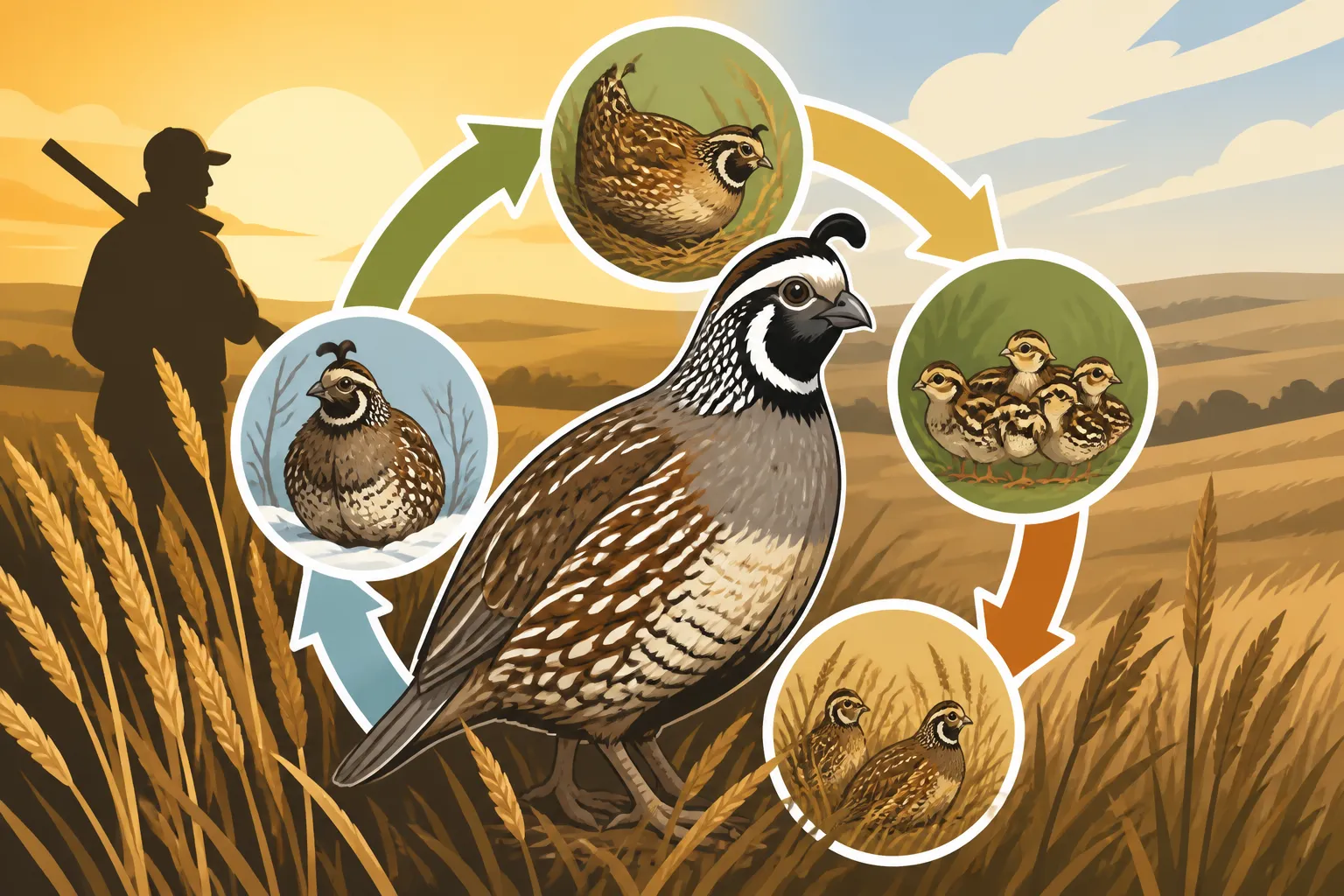
The term "boom and bust" is frequently used when discussing quail populations, and it's a pretty accurate descriptor. A "boom" year means conditions were prime: a mild winter, followed by a spring with just the right amount of rain at the right time, leading to abundant nesting cover and insect life for chicks. These are the years where every corner seems to hold a covey, and the birds are robust and plentiful. Conversely, a "bust" year happens when the opposite occurs – a brutal winter, a spring that's either too wet or too dry, or a combination of unfortunate events. In these years, finding even a single covey can feel like striking gold. For hunters, these cycles directly translate to hunting opportunity and success. When the numbers are high, the hunting can be phenomenal, almost effortless. When they're low, it becomes a true test of skill, perseverance, and knowledge of Quail Covey Size and Behaviour.
It’s crucial for hunters to manage their expectations according to where we are in this cycle. Going into a bust year expecting a boom year's results will only lead to disappointment. Instead, understanding these cycles helps us appreciate the good years and adapt our tactics and effort during the tougher ones. It also highlights the importance of ethical hunting practices and conservation efforts to ensure that when the conditions are right, the quail have a strong foundation to rebound from.
Key Environmental Factors Driving Quail Numbers
The primary drivers of quail population cycles are environmental, specifically relating to weather and habitat conditions. Quail are relatively short-lived birds, meaning their populations can respond very quickly to changes in their environment, either positively or negatively. A single good breeding season can lead to a significant increase in numbers, just as a single harsh event can devastate a local population. This rapid turnover makes them particularly sensitive to year-to-year changes.
Factors like annual rainfall, average temperatures, the timing of spring green-up, and the severity of winter weather all play an immense role. Predation is a constant pressure, but its impact often becomes more pronounced when quail numbers are already stressed by poor habitat or weather conditions. Disease, while less commonly discussed than weather, can also factor into localized declines. It's a complex web where everything is interconnected, and a weakness in one area can amplify problems in others, creating the dramatic swings we observe.
The Critical Role of Habitat and Weather in Kansas
Kansas is a fascinating place for quail, offering a patchwork of agricultural fields, native grasslands, and timbered draws. However, the quality and availability of suitable habitat, combined with the often-extreme Kansas weather, are the two most significant pieces of the puzzle when it comes to understanding our bobwhite populations. You can have all the rain in the world, but if there's no safe place for a hen to lay eggs, it won't matter.
Nesting Cover and Brood Rearing Success
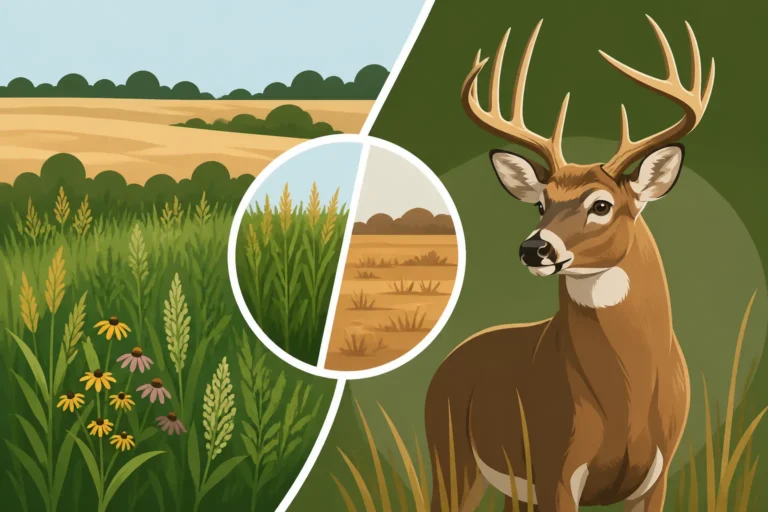
One of the most vital components for a strong quail population is ample, diverse nesting cover. Think about it: a quail hen needs a place to hide her nest from predators, shielded from the elements, and ideally close to good bugging habitat for her chicks. This means a mix of native grasses, forbs, and low-lying shrubs that provide concealment. When agricultural practices lead to clean farming right up to the fence lines, or if widespread grazing removes essential cover, nesting success plummets. Hens simply have fewer safe places to lay their eggs, and those nests that are made are more vulnerable.
Beyond simply nesting, successful "brood rearing" is absolutely crucial. Once the chicks hatch, they need a specific type of habitat – areas with an abundance of insects (protein for rapid growth) and overhead cover to protect them from aerial predators, but still open enough at ground level for them to move freely. This is where broadleaf weeds and forbs among taller grasses truly shine. Fields of dense fescue or areas with no open ground can be death traps for tiny quail chicks. A lack of this specific cover can lead to significant mortality even if a nest successfully hatches, and this often plays a major role in Bobwhite Quail Habitat in Kansas.
The Impact of Rainfall on Kansas Quail
Rainfall is a double-edged sword for Kansas quail, and its timing and amount are critical. On one hand, adequate rainfall in the spring and early summer promotes lush vegetation growth, which means more nesting cover, better escape cover, and a thriving insect population for chicks. This is why Quail Numbers After a Wet Spring often rebound so well. A healthy, diverse plant community is the foundation for everything else, and rain fuels that growth.
However, too much rain at the wrong time can be devastating. Prolonged periods of heavy rain during the peak nesting season can literally drown nests, flood low-lying areas, and chill young chicks to death. Imagine a newly hatched brood getting soaked to the bone during a week of relentless downpours—their chances of survival are slim. Conversely, severe drought can be just as bad, leading to sparse cover, dried-up insect populations, and an overall stressed environment. The ideal scenario is a "goldilocks" amount of rain: not too much, not too little, spread out evenly across the critical nesting and brood-rearing months.
Winter Mortality and Cover Limitations
While spring and summer might seem like the most critical times, winter is often the unsung hero (or villain) of quail population dynamics. A harsh Kansas winter, especially one with prolonged periods of heavy snow and extreme cold, can decimate coveys already weakened by the fall. Quail need thermal cover to escape biting winds and deep snow, and reliable food sources that aren't buried. When heavy snow and ice cover all available food, or when sustained brutal temperatures force birds to burn through their fat reserves, mortality rates can skyrocket.
Good winter cover often comes in the form of dense plum thickets, cedar rows, or brushy draws – places that offer protection from both the elements and avian predators. Without sufficient, well-distributed winter cover, coveys can be wiped out or severely reduced even if they had a good breeding season. This is why understanding Winter Weather and Quail Survival is so crucial, and why hunters who identify and preserve these crucial pockets of winter refuge are doing a great service for the local quail population. These small, dense areas are literally lifelines during the lean months.
Human Influence and Management Strategies
While much of the quail population cycle is driven by natural forces, human activities and thoughtful management can certainly influence the trajectory of these populations. From how we hunt to how we manage land, our choices can either exacerbate natural declines or help buffer the birds against the inevitable "bust" years.
Hunting Pressure Versus Environmental Factors
There's often a misconception that hunting pressure is the primary cause of quail declines. While overharvest can certainly be an issue in localized areas, especially on small, heavily hunted public tracts, the scientific consensus points to habitat loss and environmental factors as the overwhelmingly dominant forces in shaping broad quail population cycles. Quail have a very high annual turnover rate, meaning a large percentage of the population dies each year, regardless of hunting. The hunting season typically occurs after much of this natural mortality has already taken place.
Responsible hunting, adhering to Kansas Quail Bag and Possession Limits and focusing on scattered coveys rather than repeatedly hitting the same birds, usually has a negligible impact on the overall population trend. In fact, regulated hunting provides incentives for landowners to manage for quail habitat. The real pressure comes from widespread habitat degradation, changes in agriculture, and intense weather patterns that impact vast areas. It's important for hunters to be part of the solution by supporting conservation efforts, not just blaming themselves or their fellow hunters for a quiet year in the field.
Conservation Efforts and Habitat Improvement
The most effective way to help stabilize and increase quail populations over the long term is through habitat improvement and conservation. This means creating and maintaining the diverse cover that quail need for all stages of their life cycle. Programs that encourage landowners to plant native grasses, establish shrub rows, manage plum thickets, and integrate controlled burns can have a profound impact. Even small-scale efforts, like leaving field borders unmowed or allowing areas to grow fallow for a season, can provide critical patches of habitat.
These efforts are not just about "more habitat," but "quality habitat." It's about connectivity, ensuring that different types of cover are available within a quail's home range, allowing them to move safely between feeding, nesting, and loafing areas. State wildlife agencies, non-profit conservation groups, and even individual landowners play a vital role in these efforts. Every little bit of suitable habitat contributes to the resilience of the local quail population, helping them weather the tough years and capitalize on the good ones. Knowing how to Find Plum Thickets That Hold Quail is an important part of hunting, but so is understanding how vital they are to the birds' survival.
Using Technology to Track Quail
In today's world, technology gives us incredible tools to better understand and even predict some of these population trends. While you can't get a real-time quail count for your favorite spot (oh, if only!), tools like satellite imagery, historical weather data, and online mapping platforms can help you become a much more informed hunter. By reviewing aerial photos, you can identify potential nesting areas, escape cover, and food sources, seeing how these have changed over time.
Many hunters use mapping applications to scout potential habitat, look for historical changes in land use, and assess conditions remotely. For instance, platforms like GoHunt provide detailed overlays for public and private lands, allowing you to visualize habitat features and understand access points before you even step foot in the field. You can analyze past rainfall data for specific regions to get a sense of how good the nesting conditions might have been that year. While it's not a magic bullet, combining traditional scouting with these digital tools can give you a significant advantage in figuring out where the birds should be, based on the likely impact of environmental cycles. It helps you focus your efforts when Dogless Quail Hunting Tactics are necessary and every step counts.
Table: Key Factors Influencing Kansas Quail Populations
Understanding the interplay of these factors is key to appreciating why quail numbers fluctuate so much.
| Factor | Ideal Conditions | Negative Conditions | Impact on Quail Populations |
|---|---|---|---|
| Winter Severity | Mild temperatures, minimal prolonged snow/ice | Deep, prolonged snow; extreme cold; ice storms | High survival rate in good winters; high mortality in harsh winters |
| Spring Rainfall | Moderate, timely rainfall for cover and insects | Too much rain (flooding); severe drought | Good nesting and brood success; nest destruction or poor chick survival |
| Summer Temperature | Warm but not extreme heat | Prolonged extreme heat; drought | Good insect populations; heat stress and dehydration |
| Nesting Cover | Diverse native grasses, forbs, shrub patches | Monocultures, clean farming, heavy grazing | High nest success and predator evasion; low nest success |
| Brood Cover | Open ground level with overhead protection (weeds) | Dense, matted grasses; lack of insects | High chick survival and growth; high chick mortality |
| Food Sources | Abundant seeds (ragweed, sunflower) & insects | Limited seed-producing plants; insect scarcity | Strong, healthy birds; weak, vulnerable birds |
| Predation | Balanced predator-prey dynamics | High predator populations combined with poor cover | Normal background mortality; significant population loss |
| Disease | Low incidence, healthy bird populations | Outbreaks (e.g., Avian Flu, Coccidiosis) | Minimal impact; localized or widespread decline |
Conclusion: Adapting to the Quail's World
The natural population cycles of Kansas quail are a dynamic and often unpredictable force, heavily influenced by the capriciousness of weather and the availability of suitable habitat. As hunters, it can be frustrating to see numbers drop, but understanding why these fluctuations occur empowers us to be better stewards of the land and more adaptable in our pursuit. Instead of simply lamenting a slow year, we can appreciate the immense challenges these small birds face and celebrate the years of abundance with even greater enthusiasm.
Our role extends beyond just the hunt; it involves advocating for sound habitat management, supporting conservation initiatives, and adapting our own strategies to match the conditions of the season. Being informed about these cycles means we can approach each Kansas Quail Season Dates with realistic expectations and a deeper respect for the resilient bobwhite.
Disclaimer
This article is for general informational purposes only and does not constitute professional advice. Laws, prices and regulations vary by location and change over time. Consult a qualified professional for guidance on your specific situation.