Cimarron National Grassland Acres
It's no secret that Kansas is legendary for big whitetails and fantastic upland bird hunting, but when you start looking at maps, especially in the vast western half of the state, finding truly large tracts of accessible public land can feel like searching for a needle in a haystack. Many hunters, particularly those from out of state, often get frustrated trying to piece together small Walk-In Hunting Access (WIHA) parcels or navigating river corridors. But there's one massive, beautiful exception in the southwest corner of the state that often gets overlooked: the Cimarron National Grassland. This comprehensive guide will dive deep into what makes the Cimarron a unique and often challenging, yet incredibly rewarding, hunting destination, exploring its vast acreage, diverse opportunities, and essential considerations for a successful hunt.
The Immense Scale of Cimarron National Grassland
When we talk about public land in Kansas, most people immediately think of state wildlife areas or the incredibly popular WIHA program. These are fantastic resources, no doubt, but the Cimarron National Grassland is an entirely different beast altogether. It's a huge, unbroken expanse of public access, offering a truly wild hunting experience unlike almost anywhere else in the state.
Its Sheer Acreage and Location
The Cimarron National Grassland is an immense parcel of federally managed land, encompassing over 108,000 acres in Morton County, tucked away in the extreme southwest corner of Kansas. Imagine that for a moment: 108,000 acres. That's not a collection of scattered tracts; it's one contiguous block, stretching for miles in every direction. For anyone accustomed to hunting smaller parcels or negotiating access with private landowners, this vastness is both exhilarating and a little daunting. It's a landscape dominated by shortgrass prairie, yucca plants, and the winding Cimarron River, a dramatic contrast to the timbered draws and crop fields you might find further east. This immense acreage means there's room to roam, to get away from other hunters, and to truly immerse yourself in the hunt. It truly represents some of the best Western Kansas Plains Hunting Country.
Navigating such a large area requires a different mindset and different tools. You won't find perfectly mowed trails or frequent signage everywhere. This is where tools like onX Hunt become invaluable. With onX Hunt on your phone or GPS, you can clearly see the grassland boundaries, understand where you are at all times, and avoid inadvertently trespassing on private land that often borders these large public tracts. Trust me, getting lost or crossing a boundary accidentally in such a remote area is a headache you want to avoid.
Ecosystem and Habitat Diversity
While the name "grassland" might conjure images of monotonous, flat plains, the Cimarron offers a surprising degree of habitat diversity within its expanse. The dominant feature is, of course, the shortgrass prairie, which provides crucial cover and forage for a variety of upland birds like pheasant and quail, as well as prairie chickens. But interspersed within this grass are pockets of sand sagebrush, draws that hold thicker cover, and, most notably, the Cimarron River itself.
The river bottom, though often dry in sections, can hold cottonwood trees and denser riparian vegetation, providing vital shelter and travel corridors for deer. These river breaks and drainages act as natural funnels and bedding areas in an otherwise open environment. You'll also find smaller wetlands, known as playas, that can hold water after significant rainfall, attracting waterfowl during migration. This mix of habitats, from wide-open plains to more sheltered riverine areas, creates a complex ecosystem that supports a wide array of game species, making it appealing for hunters targeting different animals throughout the year. It's a place where you might find Finding Water in Dry Western Kansas to be a key scouting priority for wildlife.
Hunting Opportunities on the Cimarron National Grassland
With over 100,000 acres to explore, the Cimarron National Grassland presents a smorgasbord of hunting opportunities. From elusive prairie game to big western deer, there's a season and a species for almost every hunter willing to put in the effort.
Deer Hunting Potential
Kansas is renowned for its deer hunting, and while the biggest whitetail bucks often come from the fertile farm ground further east, the Cimarron offers a unique challenge for deer hunters. Both whitetail and mule deer call the grassland home, though mule deer are certainly the more iconic species for this western landscape. The sheer space allows deer to grow old and become incredibly wary. Stalking a mule deer buck across the open plains, using the contours of the land and scattered cover, is a truly exhilarating experience. Whitetails here tend to stick closer to the river bottom or thicker draws, often using the very limited timber and brush as sanctuary.
Success often hinges on glassing vast expanses, identifying small pockets of cover, and making long stalks. Don't expect to find many traditional treestand setups; this is primarily a spot-and-stalk country, or perhaps hunting from Ground Blinds in Open Country carefully brushed into a subtle dip or a patch of taller vegetation. Hunters need to be prepared for long walks, challenging retrieves, and the mental fortitude required to hunt an animal that can see you coming from a mile away. For those specifically interested in western Kansas deer, understanding Mule Deer in Western Kansas and their habits is crucial.
Upland Birds Galore
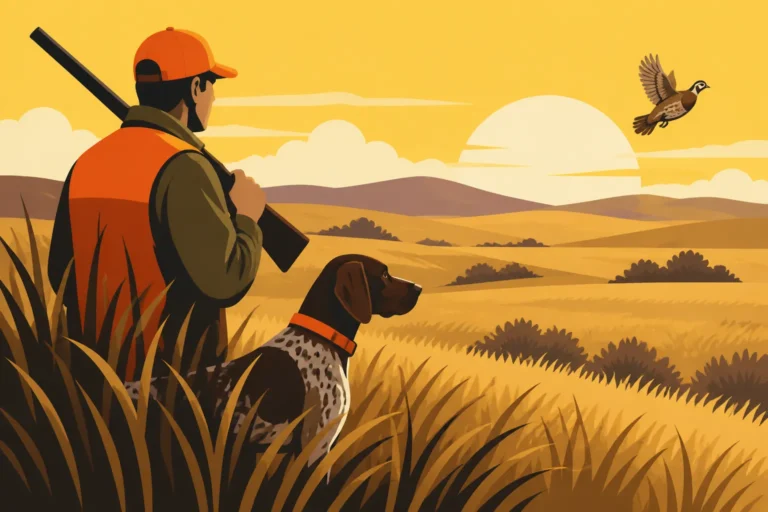
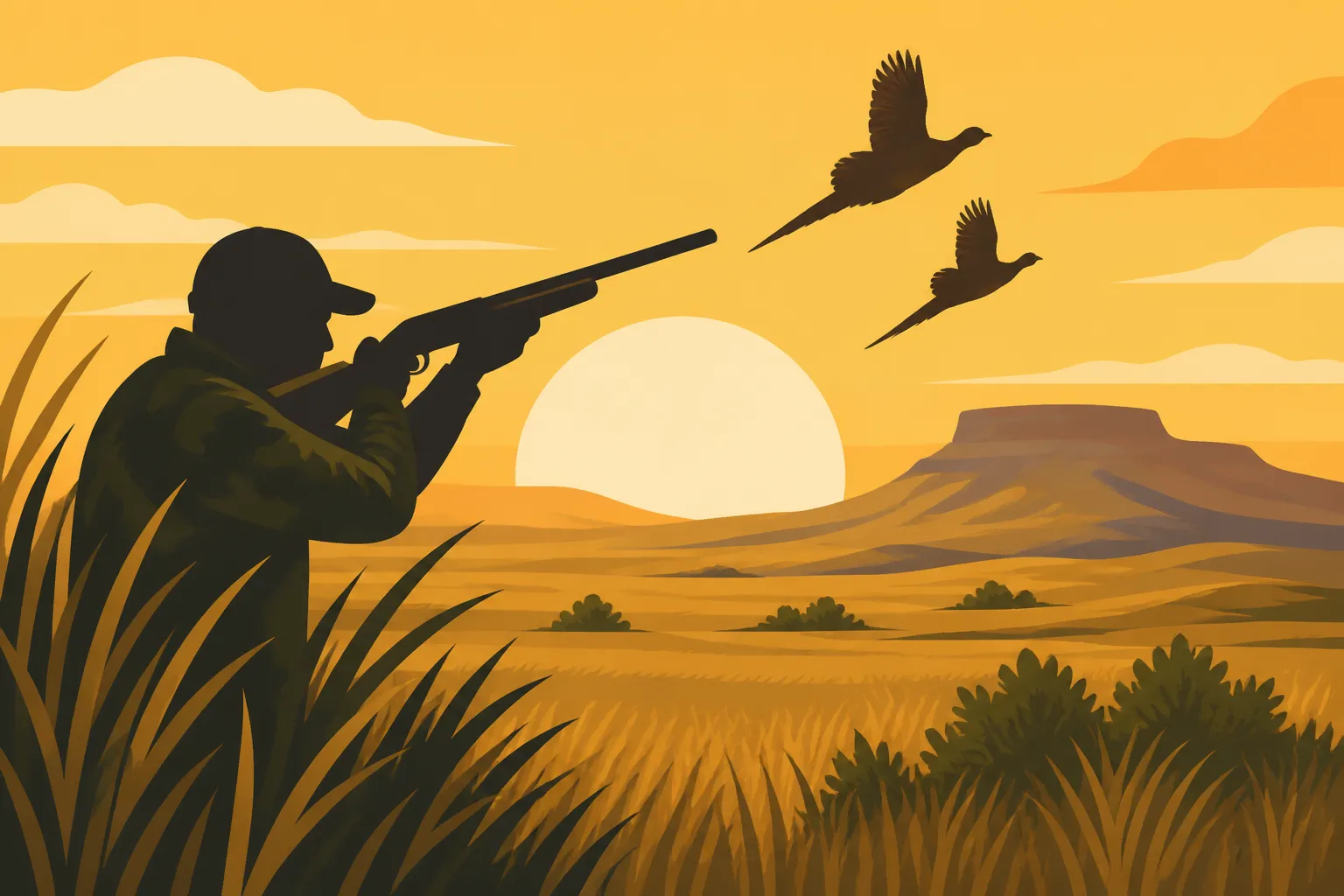
If there's one thing the Cimarron National Grassland is truly famous for, it's upland bird hunting. Ring-necked pheasants and bobwhite quail thrive in the shortgrass prairie and patchy cover. While pheasants might prefer the edges of crop fields on private ground, the grassland offers excellent habitat for them to escape pressure, particularly in areas with taller grass or heavy yucca patches. Quail coveys can be found scattered throughout, often holding tight in plum thickets or heavier cover in the draws.
Hunting here is often a mix of walking out big sections of grass, especially if you have a good bird dog, or working specific features like drainages and small brushy areas. The beauty of the Cimarron is the endless opportunities for walk-and-flush hunting. You can cover miles without crossing a fence, pursuing covey after covey. Hunters looking for Kansas Upland Bird Season Dates and Limits will find plenty of reasons to visit. The grassland is vast enough that even on busy weekends, you can usually find a corner to yourself.
Waterfowl and Small Game Opportunities
Beyond deer and upland birds, the Cimarron also offers surprising opportunities for other species. After a good rain, numerous playa lakes scattered across the grassland can fill with water, becoming temporary magnets for migrating ducks and geese. These playas are often shallow and ephemeral, making scouting critical. Knowing when and where water is present can lead to some incredible waterfowl hunting, albeit with conditions that change quickly. For those passionate about ducks and geese, the Cimarron is part of the Kansas Waterfowl on the Central Flyway, offering seasonal migrations.
Small game like cottontail rabbits are abundant throughout the grassland, providing a fun and accessible hunting option, especially for younger hunters or those looking to fill some time between big game hunts. Additionally, predators like coyotes are prevalent, offering year-round hunting opportunities. Calling coyotes in this open country can be a thrilling experience, requiring skill and patience, and understanding Coyote Calling in Open Kansas Country can make all the difference.
Navigating and Accessing the Vast Grassland
Hunting such a massive, remote area like the Cimarron National Grassland requires thoughtful preparation for navigation and access. It’s not like hunting a small timber block you've scouted a dozen times; this is big country that demands respect and a solid plan.
The Importance of Good Mapping
I cannot stress this enough: you absolutely need reliable mapping software. The Cimarron is crisscrossed by a network of unmaintained dirt roads, two-tracks, and sometimes no roads at all. Boundaries with private land are frequent, and without a clear visual of where you are, it's easy to stray. This is precisely where a tool like onX Hunt shines. I use it constantly when I'm out in western Kansas. It uses GPS to pinpoint your exact location on a detailed map showing public and private land boundaries, roads, and topography. Before you even leave home, you can spend hours on an app like GoHunt or onX Hunt, E-scouting, identifying potential access points, glassing knobs, and areas of thicker cover.
Having an offline map download is also crucial, as cell service can be spotty or non-existent in many parts of the grassland. Printing out physical maps as a backup is always a smart idea too. The landscape can look very similar for miles, making landmark navigation tricky. Being able to confirm your position with certainty saves precious hunting time and prevents headaches.
Dispersed Access Points and Parking
Access to the Cimarron National Grassland is generally excellent, with numerous county roads and primitive two-tracks entering the area. However, there aren't many designated parking lots or established trailheads like you might find in a state park. Most access is dispersed – meaning you can typically park safely off the side of a public road, as long as you're not blocking a gate or private drive.
When you're trying to figure out where to start your hunt, look for these county roads that border or cut through the grassland. Often, the best hunting will be a good distance from these main access points, requiring a considerable walk. This remoteness is a double-edged sword: it means less pressure, but also a tougher pack-out if you're successful. Always be mindful of road conditions, especially after rain or snow, as those dirt tracks can become impassable very quickly.
Remote Location and Self-Sufficiency Challenges
Hunting the Cimarron is an exercise in self-sufficiency. You're a long way from the nearest gas station, grocery store, or even a cell signal in many areas. This isn't a place to go unprepared. Breakdown essentials for your vehicle, extra water, food, first-aid supplies, and emergency shelter are non-negotiable.
The sheer remoteness also impacts other aspects of the hunt. If you harvest an animal, you'll need a plan for field dressing and extraction, which might involve a long drag or quartering the animal for multiple trips. This is why having a hunting partner is always a good idea when venturing into such vast public lands. The challenges are real, but the rewards of a truly wild, unpressured hunt are often worth every extra layer of planning.
Rules and Regulations for Hunting the Cimarron
Like any public hunting land, the Cimarron National Grassland has specific rules and regulations that hunters must adhere to. These are designed to protect the resource, ensure public safety, and maintain a fair chase environment for all users. It's vital to familiarize yourself with these before you head out, and a good annual review of the Kansas Hunting Regulations Summary is always a must.
Camping and Dispersed Use
One of the great freedoms of the Cimarron is the ability to disperse camp throughout much of the grassland. This means you can often set up a tent or park your camper away from designated campgrounds, offering a truly immersive experience right in your hunting area. However, "dispersed" doesn't mean "unregulated." There are usually restrictions on how long you can stay in one spot, how far away from water sources or roads you must be, and always, always practice Leave No Trace principles. Pack out everything you pack in, and then some. Leave your campsite cleaner than you found it.
Fires are often a concern, especially during dry periods, so always check for fire bans before lighting one. It's also a good idea to bring your own water, as potable water sources are scarce. Understanding these nuances allows you to enjoy the wilderness while being a responsible steward of the land.
Vehicle Use and Restrictions
While there are numerous roads and two-tracks, vehicle use on the Cimarron is generally restricted to established routes. This means no driving cross-country, off-road, or creating new trails. The fragile prairie ecosystem can be easily damaged by vehicles, leading to erosion and habitat degradation. Most of the two-tracks are primitive, and some might even be marked as "closed" or "administrative use only." Always pay attention to signage.
Parking is typically allowed off the shoulders of established roads, but ensure your vehicle is not blocking access for others or creating a hazard. Using an ATV or UTV might be permitted on designated trails, but always verify local regulations. Remember, the goal is to experience the wildness of the Cimarron, and often, that means leaving the vehicle behind and exploring on foot.
Stand and Blind Regulations
For deer hunters, the rules around stands and blinds are important. While the Cimarron isn't primarily treestand country, you might find a situation where a ground blind or a portable stand could be useful in a small brushy draw. Generally, portable stands and ground blinds are allowed, but they must be removed daily. You cannot leave them out overnight or for extended periods. This aligns with general public land ethics of leaving no trace and maintaining open access for all.
Screw-in steps or permanent modifications to trees are strictly prohibited. Always check the current regulations, but assume that anything that could permanently alter the landscape or vegetation is forbidden. This also applies to things like baiting or placing mineral licks, which are typically illegal on federal public lands. Stick to ethical, legal methods, and focus on your scouting skills. For more general guidelines, you can often consult resources like Portable Stand Rules on Kansas Public Land.
Preparing for Your Cimarron Hunting Adventure
A successful hunt on the Cimarron National Grassland isn't just about showing up with a weapon; it's about meticulous preparation, understanding the unique challenges of the environment, and being truly self-sufficient.
Essential Gear for Open Country
The gear you pack for the Cimarron might differ significantly from a hunt in eastern Kansas timber. Long-range optics are paramount. A good pair of 10x binoculars is a minimum, but spotting scopes (20-60x) are incredibly valuable for glassing vast expanses, especially when searching for mule deer. Rangefinders are also essential for judging distances in flat country, where visual cues can be deceiving.
Footwear needs to be comfortable and durable, capable of handling miles of walking over uneven terrain, sometimes through thick grass or thorny yucca. Hydration is critical, even in cooler weather, so a reliable water system – whether it's a hydration pack or multiple water bottles – is a must. Prepare for rapidly changing weather; the plains can go from warm and sunny to cold and windy with a sudden storm in a matter of hours. Layered clothing is your best friend. Don't forget a well-stocked first-aid kit and emergency signaling devices, given the remote nature of the area.
Pre-Season Scouting Strategies
Scouting the Cimarron is largely an e-scouting game combined with on-the-ground reconnaissance, if possible. Start by spending significant time on platforms like GoHunt or onX Hunt. Look for subtle terrain features: small elevation changes, drainages, isolated patches of heavier cover, and the course of the Cimarron River itself. Identify potential travel corridors and areas that might offer shelter from the wind or sun. Pay attention to water sources – even seasonal playas or windmills – as these can be magnets for wildlife.
If you can make a trip to the area before the season, focus on driving the public roads and glassing from high points. Look for existing game trails, tracks, and signs of feeding or bedding. Remember, animals here are very sensitive to pressure, so try to scout in a way that minimizes your impact. Don't blow out your hunting spot before the season even starts. It's a different game than scouting a small timber lot, and you'll need to learn to "read" the vastness.
Safety and Self-Sufficiency
Because of its remoteness, safety on the Cimarron is largely your responsibility. Let someone know your hunting plan, including your exact location, expected return time, and a contingency plan. Carry a fully charged cell phone (with offline maps downloaded), but don't rely on it for emergencies; a satellite messenger or a personal locator beacon (PLB) is a far wiser investment for a truly remote hunt.
Be aware of other users, including other hunters, hikers, and potentially cattle (though often grazed in specific units). Share the land respectfully. Be prepared for potential encounters with venomous snakes, especially during warmer months. Understanding the unique challenges of a truly wild area like the Cimarron, and preparing for them, ensures a safer and more enjoyable experience. This emphasis on safety and preparation also extends to ethical practices like Leaving No Trace on Walk-In Ground.
Respecting the Land and Other Users on the Cimarron
Hunting the Cimarron National Grassland isn't just about bagging an animal; it's about connecting with a unique landscape and upholding the traditions of ethical hunting. Being a responsible user ensures this incredible resource remains available and enjoyable for generations to come.
Leave No Trace Principles
The "Leave No Trace" philosophy is absolutely paramount on the Cimarron. This means packing out everything you pack in – and I mean everything. Don't leave spent shotgun shells, food wrappers, or anything else behind. If you harvest an animal, make every effort to remove all parts, or bury gut piles responsibly away from water sources and popular trails. Avoid disturbing historical sites or archaeological finds, which are prevalent in areas like this.
Respect the natural environment. Don't cut live trees for firewood or blind building. Drive only on designated routes. The Cimarron is a wild place, and its beauty lies in its undeveloped nature. Our actions as hunters directly reflect on our community, and leaving a pristine environment is the best way to ensure continued access and positive public perception.
Sharing the Grassland
While the Cimarron is vast, you won't be the only one out there. You might encounter other hunters, birdwatchers, hikers, or even researchers. Share the space respectfully. Give other hunters a wide berth, especially if you see them actively hunting or hear shots. A simple wave or a polite "good morning" goes a long way.
Communication and courtesy are key to avoiding conflicts. If you're setting up a blind, consider its location relative to potential access points or other hunting spots. This collaborative spirit ensures everyone can enjoy the grassland without unnecessary friction. Understanding Hunting Pressure Patterns on Kansas Public Land can help you anticipate where others might be and plan your approach accordingly.
Local Community Relations
The small communities surrounding the Cimarron National Grassland, like Elkhart, depend on visitors for their local economy. Be a good neighbor. Support local businesses by buying gas, groceries, or grabbing a meal. Be polite to locals and demonstrate that hunters are responsible and respectful visitors.
A positive relationship with local communities is crucial for the long-term health of hunting opportunities. Showing respect for their way of life, their property, and their environment ensures that hunters continue to be welcomed. It's not just about rules; it's about being a good ambassador for the hunting community.
| Hunting Activity | Primary Target Species | Key Considerations | Required Skills |
|---|---|---|---|
| Deer Hunting | Mule Deer, Whitetail Deer | Vast open country, limited cover, long-range visibility | Glassing, long-range shooting, spot-and-stalk |
| Upland Bird Hunting | Pheasant, Bobwhite Quail | Shortgrass prairie, yucca, plum thickets, walking miles | Dog handling (optional), strategic walking, quick shots |
| Waterfowl Hunting | Ducks, Geese | Ephemeral playa lakes, highly dependent on rainfall, scouting for water | Decoy setup, calling, blind concealment |
| Predator Hunting | Coyote | Open visibility, wind direction, stealth | Calling, camouflage, patience |
Disclaimer
This article is for general informational purposes only and does not constitute professional advice. Laws, prices and regulations vary by location and change over time. Consult a qualified professional for guidance on your specific situation.