Flint Hills Grassland Hunting Access
Finding good hunting ground in Kansas can feel like cracking a secret code, especially when you're dreaming of the iconic, rolling grasslands of the Flint Hills. This unique region, so different from the crop fields most people associate with Kansas, presents its own set of challenges and immense rewards for hunters. This guide will walk you through everything you need to know about accessing and hunting the Flint Hills, from understanding its distinct landscape to navigating public land and securing private opportunities.
Understanding the Flint Hills Landscape for Hunting
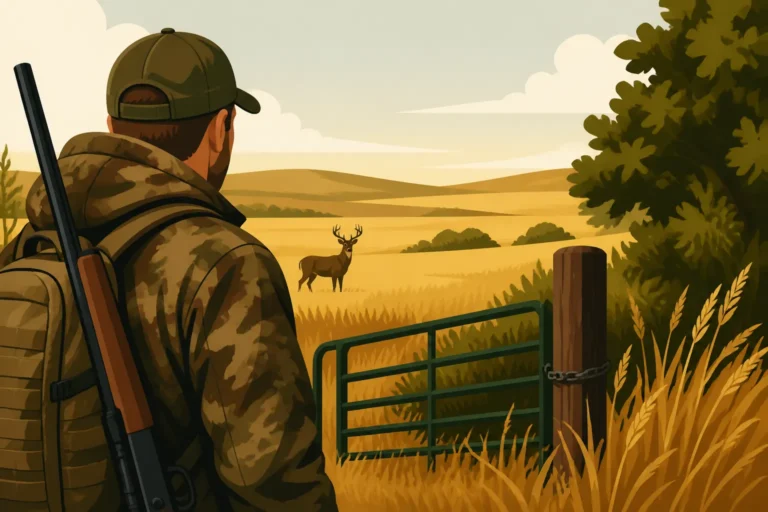
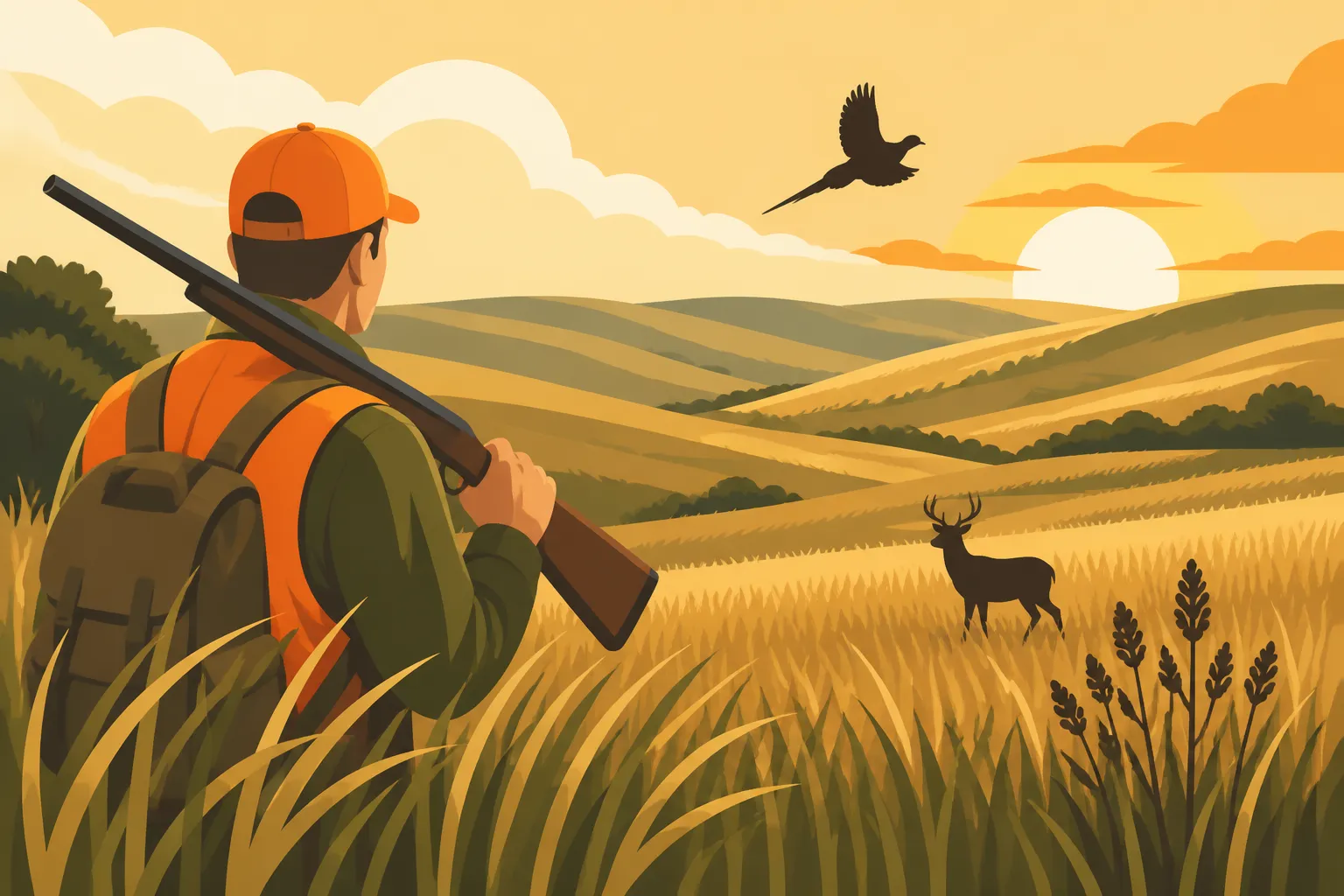
The Flint Hills are truly a world apart from the rest of Kansas, and that unique character plays a huge role in how and what you hunt there. You're not looking at endless corn or milo fields here; instead, imagine vast expanses of native tallgrass prairie, dotted with limestone outcroppings and ribboned by timbered creek bottoms.
The Unique Ecology of the Flint Hills
When you step into the Flint Hills, you're stepping back in time, into one of the last remaining tallgrass prairie ecosystems on Earth. This isn't just pretty scenery; it fundamentally shapes the hunting experience. The ground is often rocky, thanks to the layers of flint rock that prevented widespread plowing, preserving the native grasses. These grasses, like big bluestem and switchgrass, can grow shoulder-high, creating incredibly dense cover that can swallow a deer or a covey of quail whole. This means finding game isn't always about spotting them in an open field, but knowing how to read subtle changes in terrain and cover where they might be hiding. The annual burning of these pastures, a traditional management practice, also impacts game movement and forage availability, often pushing deer to the edges or into timbered draws for cover, only to have lush new growth emerge shortly after.
This unique ecosystem also means different challenges. Water can be scarce in some areas, especially during dry spells, forcing animals to concentrate around springs or stock ponds. The wind, oh the Kansas wind, can be relentless, making scent control and shot placement tricky. But with these challenges come incredible opportunities. The sheer wildness of the landscape offers a sense of solitude you rarely find in more fragmented hunting areas. Understanding the geology and the way water flows through these hills, cutting through the limestone to form draws and pockets of timber, is key to predicting where game will travel and bed. It's an environment that demands a different kind of scouting and a keen eye for subtle details that might mean the difference between seeing a target animal and going home empty-handed.
Primary Game Species in the Flint Hills
So, what exactly can you hunt in these sweeping grasslands? While deer are a popular target across Kansas, the Flint Hills offers a slightly different flavor. Whitetail deer are prevalent, often found concentrated along the timbered creek bottoms and draws that cut through the prairie, or using the taller grasses for bedding and security. These bucks can grow impressive racks, thanks to the quality forage and diverse habitat. While less common, the western fringes of the Flint Hills might even offer a chance at a mule deer, particularly in transition zones where the prairie starts to blend with more arid, western landscapes. Kansas Whitetail Deer and Why They Grow Big covers the factors that contribute to trophy potential.
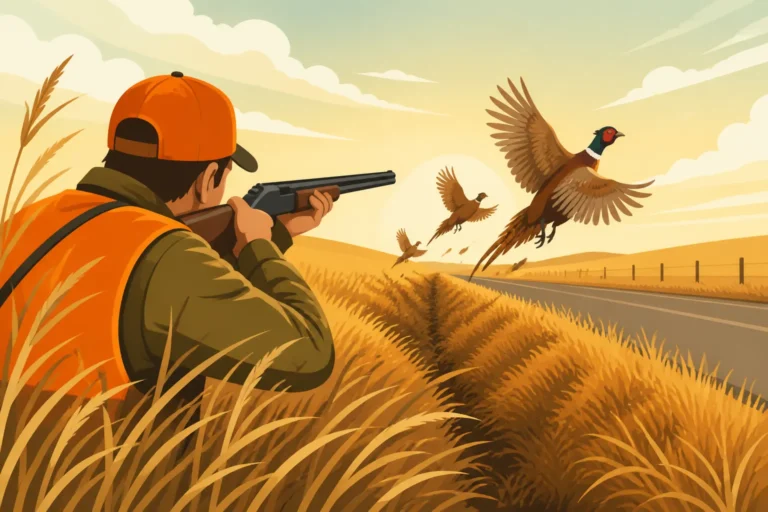
Beyond deer, the Flint Hills are renowned for their upland bird hunting. Bobwhite quail thrive in the mosaic of grass, plum thickets, and timbered edges, offering fast-paced action. Bobwhite Quail Across Kansas provides more detail on these feisty birds. But perhaps the most iconic bird of the Flint Hills is the greater prairie chicken. Hunting these magnificent birds is a truly unique experience, often involving long walks across vast public grasslands or carefully planned passes. Greater Prairie Chickens of the Kansas Flint Hills delves deeper into their habitat and habits. Wild turkeys, particularly Rio Grandes, also inhabit the timbered areas, and pursuing them in the spring as their gobblers echo across the hills is an unforgettable experience. Predators like coyotes are also abundant, offering year-round hunting opportunities for those looking to hone their calling skills in open country. Each of these species adapts to the grassland environment in its own way, making scouting and understanding their specific behaviors crucial for success.
Navigating Public Hunting Opportunities in the Flint Hills
While much of the Flint Hills is privately owned, there are still valuable public hunting opportunities if you know where to look and how to access them responsibly. It often requires more legwork and flexibility than hunting private ground, but the rewards can be immense.
Kansas Walk-In Hunting Access (WIHA) in the Flint Hills
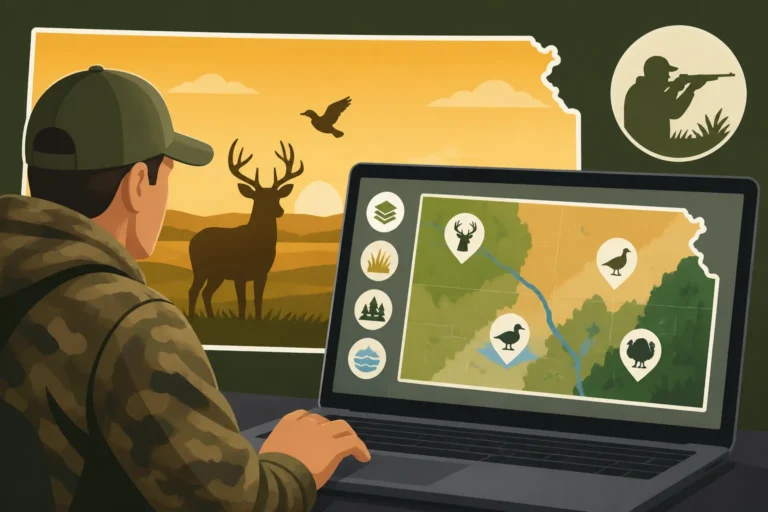
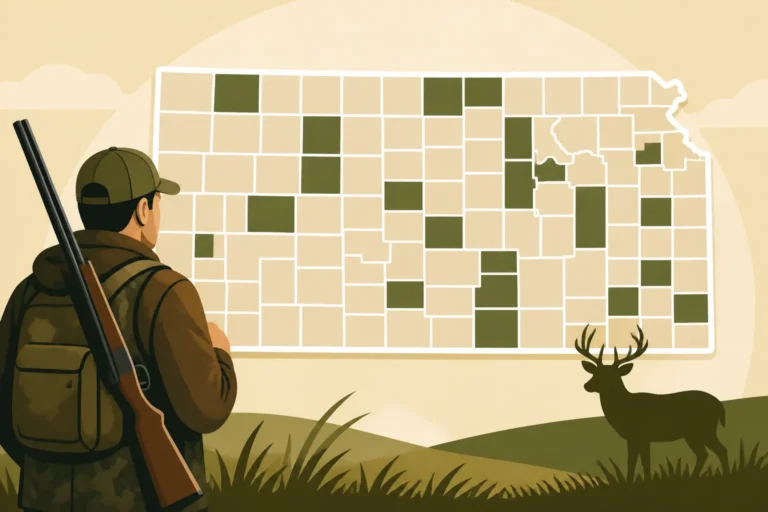
The Kansas Department of Wildlife, Parks and Tourism (KDWP) Walk-In Hunting Access (WIHA) program is a fantastic resource for hunters across the state, and the Flint Hills are no exception. WIHA lands are privately owned properties that landowners enroll in the program, opening them up to public hunting for specific seasons. In the Flint Hills, these tracts might range from smaller timber patches along creeks to larger expanses of native grassland. The key is to get your hands on the current WIHA atlas, either digitally through the KDWP website or an app like onX Hunt, or a physical copy. Pay close attention to the specific dates each tract is open and any special regulations, as these can vary significantly.
Hunting WIHA in the Flint Hills can be a game of patience and perseverance. You might find smaller, isolated parcels nestled between large ranches, or larger blocks of contiguous grassland that offer true prairie experiences. The challenge often lies in finding accessible tracts that haven't already seen a lot of pressure. Using mapping applications like onX Hunt is crucial for identifying property lines, access points, and scouting the terrain from home before you even set foot on the ground. This allows you to pinpoint potential bedding areas in tall grass, locate cedar thickets for cover, or identify subtle draws that deer might use to travel undetected. Remember to always respect the property boundaries and leave no trace, ensuring these precious opportunities remain available for future generations. For a detailed overview, check out Kansas Walk-In Hunting Access Explained.
State Wildlife Areas and Other Public Lands
Beyond WIHA, Kansas offers various state wildlife areas and other public lands that may provide hunting access within or adjacent to the Flint Hills. These areas are typically managed by KDWP and are often larger, more permanent public hunting grounds. Examples include areas around large reservoirs like Tuttle Creek or Council Grove, which might have timbered fingers and grassland areas that blend into the Flint Hills ecosystem. While these areas can offer excellent hunting, they often come with their own specific regulations, which can include special draw hunts, archery-only zones, or restrictions on vehicle access and stand placement.
Before heading out, it's essential to consult the KDWP regulations for the specific wildlife area you plan to visit. Websites like GoHunt can sometimes offer useful overviews and help with general planning, but the official KDWP site is your most reliable source for the most current rules. These state lands often experience higher hunting pressure, especially on opening weekends or during peak seasons, so flexibility and an willingness to hike away from easy access points can greatly improve your success. Look for features like old farmsteads, neglected fencerows, or dense cedar groves that might offer security cover overlooked by other hunters. These details are often visible when Reading Aerial Imagery for Bedding Cover. Understanding the specific management goals of each wildlife area can also give you clues about what species might be abundant and where to focus your efforts.
Strategies for Gaining Private Land Access
Let's be realistic: a significant portion of the prime hunting ground in the Flint Hills is privately owned ranch land. Gaining access to these properties can unlock some incredible hunting opportunities, but it requires a strategic and respectful approach.
The Importance of Landowner Relationships
The most traditional and often most rewarding way to gain access to private land in the Flint Hills is through establishing a relationship with a landowner. This isn't a quick fix; it's a long game built on trust, respect, and often, plain old hard work. Many landowners in this region are multi-generational ranchers, and their land is their livelihood. Approaching them with genuine respect for their property, their livestock, and their time is paramount. Don't just show up on their doorstep the week before deer season with a gun in your hand. Instead, consider visiting well in advance of the hunting season, perhaps in late summer or early fall. Offer to help with chores, fix fences, or assist with cattle work – even if it's just for a day.
When you do make contact, be clear about what you want to hunt, what dates you're interested in, and how many people will be with you. Always offer to share some of your harvest, whether it's venison or upland birds. Emphasize that you will be meticulously clean, close all gates, avoid disturbing livestock, and leave no trash. A written permission slip, even if informal, can also be a good idea to protect both you and the landowner. Many landowners appreciate a hunter who respects their land and privacy, and a good relationship can lead to access for years to come. For more on this, see Finding Private Land Access in Kansas.
Hunting Leases and Outfitters in the Flint Hills
For many hunters, especially non-residents or those without existing landowner connections, securing a private land lease or booking a guided hunt is the most direct path to accessing quality ground in the Flint Hills. Hunting leases typically involve paying a fee to a landowner for exclusive hunting rights to a parcel of land for a set period, usually a season or a year. These leases can vary wildly in price depending on the acreage, game quality, and amenities offered. While leases offer more control and privacy than public land, they require a significant financial commitment. Kansas Hunting Lease Costs can give you an idea of what to expect.
Alternatively, booking a guided or semi-guided hunt with a reputable outfitter in the Flint Hills can be an excellent option, particularly for species like prairie chickens or trophy whitetails. Outfitters often have long-standing relationships with multiple landowners, securing exclusive access to large tracts of well-managed ground. This can take all the guesswork out of finding a place to hunt and often includes lodging, meals, and experienced guides who know the local game patterns intimately. When considering an outfitter, always ask for references, inquire about their success rates (opportunity vs. kill rate), and ensure they operate legally within Kansas. Make sure you understand exactly what the package includes and what your responsibilities are regarding permits and licenses, such as obtaining your Kansas Hunting Licence and Permit Costs.
| Access Type | Pros | Cons | Common Game Species | Initial Investment |
|---|---|---|---|---|
| WIHA (Walk-In) | Free, widespread availability, diverse land | Often pressured, smaller tracts, specific open dates | Whitetail, Quail, Pheasant, Prairie Chicken, Turkey, Coyote | Minimal (license, atlas) |
| State Wildlife Areas | Free, managed habitat, larger areas | High pressure, strict regulations, draw hunts | Whitetail, Turkey, Waterfowl, Upland Birds, Predators | Minimal (license) |
| Landowner Permission | Free (usually), exclusive, good relationships | Time-consuming to acquire, not always available | Whitetail, Turkey, Quail, Prairie Chicken, Predators | Time/Effort |
| Private Lease | Exclusive access, low pressure, habitat mgmt | Significant cost, long-term commitment | Whitetail, Turkey, Quail, Pheasant, Prairie Chicken | High |
| Guided Hunt | Expert knowledge, high success potential | Highest cost, less autonomy, limited dates | Whitetail, Turkey, Prairie Chicken, Quail | Very High |
Essential Gear and Tactics for Flint Hills Hunting
Hunting the Flint Hills is a different ballgame than sitting in a treestand over a food plot in timber country. The open, often rugged terrain demands specific gear and adaptable tactics.
Gear Considerations for Open Country
When you're preparing for a hunt in the Flint Hills, thinking "light and tough" is a good rule of thumb. First and foremost, sturdy, comfortable boots are non-negotiable. You'll be doing a lot of walking, often over rocky, uneven ground, and through dense, abrasive tallgrass. Blisters or inadequate ankle support can quickly ruin a hunt. Layered clothing is also critical due to the unpredictable Kansas weather. Mornings can be chilly, but midday sun in the open prairie can quickly warm things up, and the ever-present wind can make 40 degrees feel like 20. A good wind-blocking outer layer is invaluable.
Optics are another essential. Quality binoculars (10x or 12x) are your best friend for spotting game from a distance in the expansive landscape. A spotting scope can also be incredibly useful for evaluating distant animals without having to cover miles on foot. Given the vastness, a reliable GPS device or a hunting app like onX Hunt or GoHunt on your phone is an absolute must for navigation, marking important locations, and ensuring you stay on public land or within your permitted private boundaries. Don't forget plenty of water, especially during early seasons, and a good first-aid kit. A comfortable pack to carry all your essentials and any harvested game is also vital, as you might be a long way from your vehicle when you connect with an animal.
Hunting Strategies for Grassland Terrain
Hunting in the Flint Hills often revolves around spotting and stalking. Unlike heavily timbered areas where you might rely on stand hunting, the open nature of the prairie allows you to glass large areas and then plan an approach. This requires patience, a good understanding of the terrain, and keen observation skills. Look for subtle elevation changes, draws, and cedar thickets that can offer concealment during an approach. Wind direction is even more critical in open country, as your scent will carry far. Always try to approach with the wind in your favor.
For deer, focus on the edges of timbered creek bottoms, isolated cedar groves, and areas where tall grass provides bedding cover near water sources. During the rut, bucks will often cruise these transition zones, using the timber for cover while scent-checking the open prairie. For upland birds, walking out large CRP fields or hunting the edges of plum thickets and timbered draws where birds seek cover and food is productive. Prairie Chicken Tactics in Flint Hills Grass emphasizes slow, methodical walks and being ready for fast flushes. Understanding how game uses the specific features of the Flint Hills, from natural funnels to small pockets of cover, will greatly increase your success. Patience, stealth, and a willingness to cover ground are your most valuable assets.
Disclaimer
This article is for general informational purposes only and does not constitute professional advice. Laws, prices and regulations vary by location and change over time. Consult a qualified professional for guidance on your specific situation.