Prairie Chicken Tactics in Flint Hills Grass
Trying to hunt prairie chickens in the vast, rolling expanse of the Kansas Flint Hills can feel like looking for a needle in a haystack – an incredibly beautiful, expansive haystack. It's not like pursuing pheasants in crop fields or quail in plum thickets where cover is more defined. The sheer scale and subtly undulating terrain of the tallgrass prairie present unique challenges, often leaving hunters wondering where to even begin. This guide aims to demystify prairie chicken hunting, equipping you with the tactics and knowledge to navigate this incredible landscape and find success.
Understanding the Prairie Chicken's World in the Flint Hills
Hunting greater prairie chickens is a uniquely Kansas experience, especially within the iconic Flint Hills. This isn't just a hunt; it's an immersion into an ecosystem that defines a significant part of America's natural heritage. To hunt them effectively, you first need to understand the rhythm of their lives and how they interact with this specific environment.
The Unique Flint Hills Ecosystem and Prairie Chickens
The Flint Hills represent the largest remaining tract of tallgrass prairie in North America, stretching across eastern Kansas and into Oklahoma. Unlike much of the surrounding agricultural land, this region was too rocky to plow, saving it from conversion to row crops. This geological "fluke" preserved the deep-rooted prairie grasses that these magnificent birds depend on. Think big bluestem, switchgrass, and indiangrass, sometimes standing taller than a human. These grasses provide everything a prairie chicken needs: nesting cover, escape cover from predators, and a vital food source of seeds and insects. The landscape itself is characterized by rolling hills, shallow draws, and occasional timbered creek bottoms that break up the endless sea of grass. This mosaic is crucial for prairie chickens. They aren't simply "anywhere in the grass"; they utilize specific features within it, often favoring areas with slightly shorter, sparser grass for feeding, adjacent to dense, tall cover for protection. Understanding this interplay between the different grass heights and the terrain is your first step to unlocking their patterns.
Behavioral Patterns and Seasonal Movements
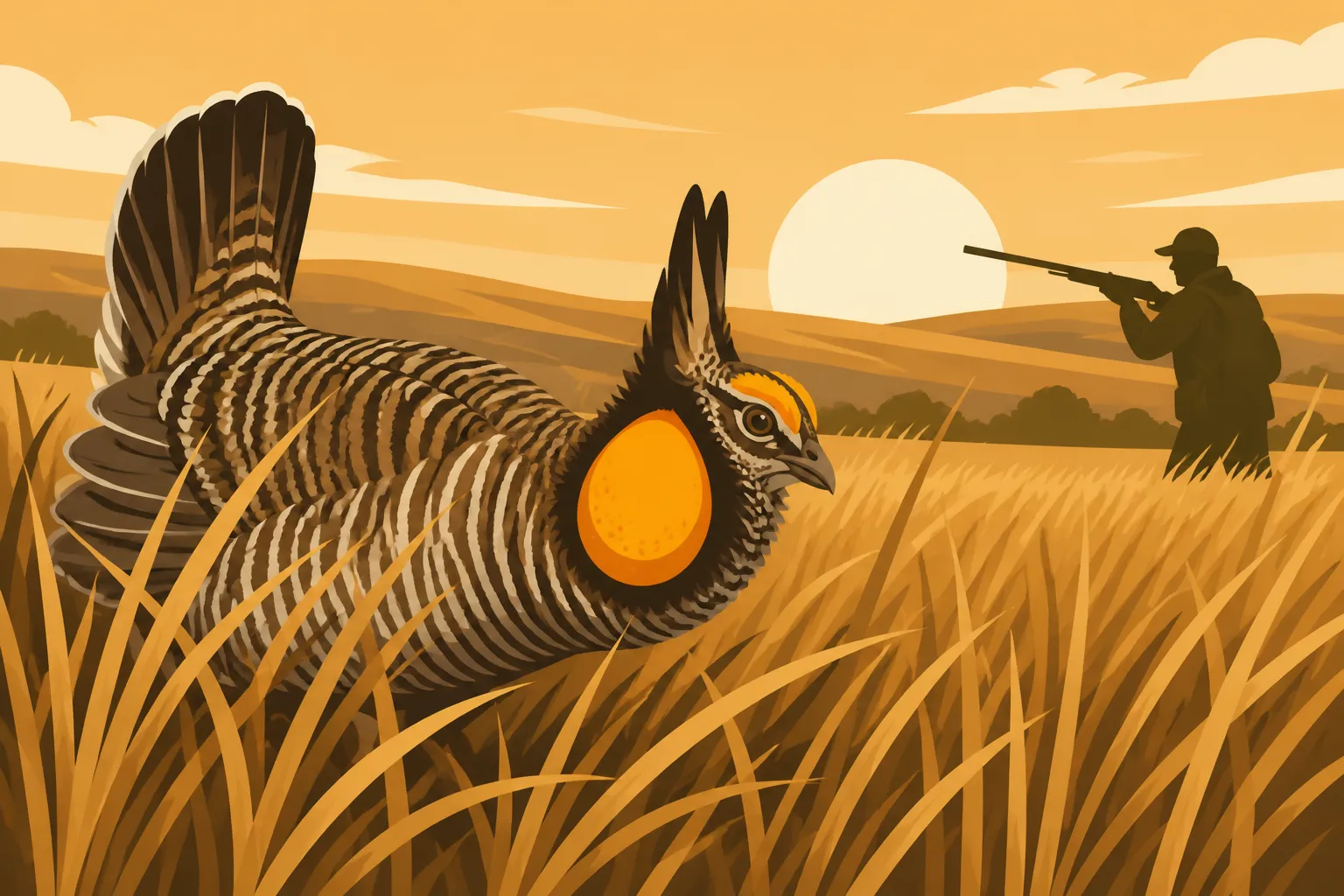
Prairie chickens are a fascinating species, and their behavior shifts subtly throughout the hunting seasons, which generally open in mid-September. During the early season, you'll often find birds in larger flocks, still focused on insect foraging and preparing for the colder months. They might be a bit more dispersed across the prairie, but they'll still be looking for good forage areas. As the weather cools and particularly after the first hard frosts, their diet often shifts more towards seeds, and their flocking behavior becomes even more pronounced. This is when hunting can get really exciting because you might bump into a very large covey. A critical aspect of their behavior revolves around "leks" or booming grounds. While booming is primarily a spring mating ritual, the locations of these leks can often provide clues to where birds roost and feed during hunting season. Birds tend to stay within a few miles of their traditional leks, even outside of breeding season. They are creatures of habit, using the same areas year after year if habitat conditions remain favorable. Knowing where these Prairie Chicken Range and Leks exist can be invaluable for pinpointing general areas to focus your scouting efforts. They also have daily routines, moving from roosting cover at dawn to feeding areas, then often loafing in thicker cover during the midday before moving out to feed again in the late afternoon. Recognizing these daily cycles helps you choose the best times to be in the field.
Scouting and Locating Prairie Chickens
Successfully hunting prairie chickens is less about speed and more about diligent, intelligent scouting. You can't just drive around hoping to flush birds; the Flint Hills are far too vast for that. Modern tools, combined with traditional boots-on-the-ground work, are your best allies.
E-Scouting and Topographic Features
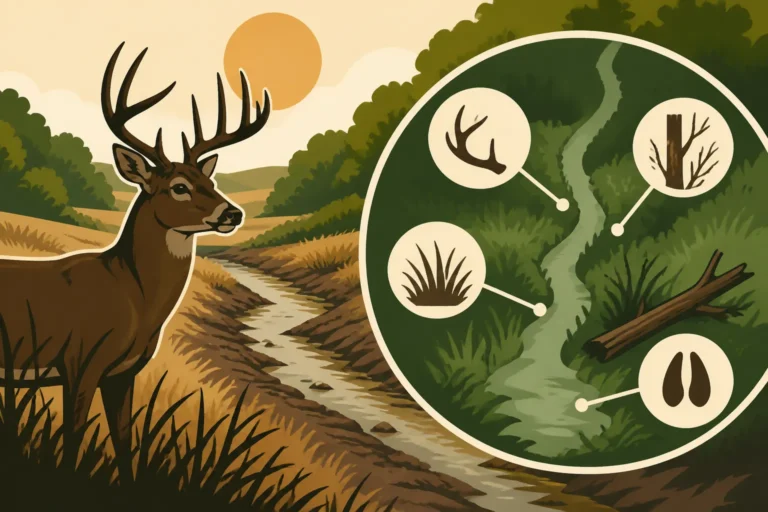
Before you ever set foot in the field, you should spend considerable time with aerial imagery and topographic maps. Tools like GoHunt's mapping platform or other robust online mapping applications are indispensable for this. Look for key features that stand out. Prairie chickens often prefer areas where different types of habitat meet, or where the terrain offers natural breaks. Focus on the subtle elevation changes – shallow draws, fingers, and saddles between hills that might offer shelter from the wind or direct bird movement. Identify areas with a mosaic of grass heights; sometimes prescribed burns create this patchwork, leaving some areas with shorter, re-growing grass that attracts insects, adjacent to unburnt, taller cover. Look for old farmsteads or abandoned fields that might have reverted to prairie, as these can sometimes hold pockets of birds due to unique forage opportunities. Also, pay attention to the boundaries of different land uses. While much of the Flint Hills is pristine prairie, there might be small patches of crops, especially corn or milo, on the fringes. Prairie chickens, like other upland birds, will utilize these food sources when available, particularly later in the season. E-scouting helps you narrow down thousands of acres to just a few promising sections, saving you countless hours of aimless walking.
Boots-on-the-Ground Scouting for Leks and Cover
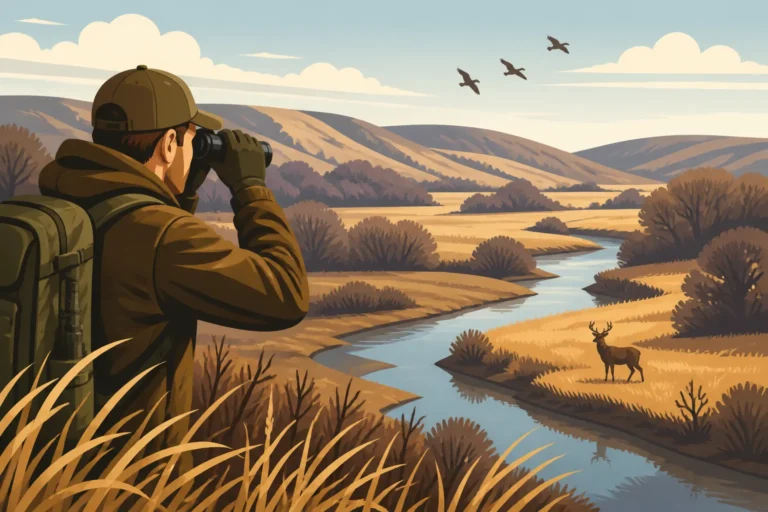
Once you've identified promising areas on your maps, it's time for real-world validation. This is where the rubber meets the road, or rather, where your boots meet the tallgrass. The ultimate goal is to find active signs of birds. While booming grounds are most active in spring, scouting known or potential lek sites in the fall can reveal areas of high bird traffic. Look for tell-tale signs: feathers, droppings, and worn spots on the ground from their dance. Beyond leks, search for areas with abundant insect life, as these are prime feeding zones, especially during the early part of the Kansas Prairie Chicken Season Segments. Walk the subtle draws and finger ridges you identified during e-scouting. Look for areas where the grass is particularly dense for roosting, often on south-facing slopes that catch the sun. Pay attention to water sources too, though less critical than for other game, birds still need water, and a remote pond or seep can concentrate activity. When scouting, think like a prairie chicken: where would you feel safe? Where would you find food? What would offer you the best visibility for predators? Remember that prairie chickens are notoriously wary. You'll need to move slowly and deliberately, often glassing far ahead, just as you would when Hunting Kansas Walk-In Land Without Burning It Out for deer. Fresh sign is key; you're looking for where they are now, not just where they were.
Effective Hunting Tactics for Flint Hills Prairie Chickens
Hunting prairie chickens requires a blend of patience, perseverance, and a willingness to cover a lot of ground. Unlike pheasants that hold tight in dense cover, prairie chickens are known for flushing wild, often far out of shotgun range, making the walk-up hunt a true challenge.
The Art of the Walk-Up Hunt
The walk-up hunt is arguably the most traditional and challenging method for pursuing prairie chickens in the Flint Hills. This involves slowly and methodically walking through likely cover, hoping to flush birds within shooting distance. The key to success here lies in strategy and teamwork. Instead of simply wandering, you should plan your walk. Utilize the terrain to your advantage. Walk against the wind when possible, as this aids your scent control and often makes birds hold a bit tighter, even if only for a fraction of a second longer. If hunting with a group, spread out in a line, maintaining visual contact and about 20-40 yards between hunters. This allows you to cover more ground efficiently and helps "block" birds that might try to run or flush out the side. Dogs, especially pointing breeds, can be a huge asset here. Their ability to scent birds from a distance and hold them on point increases your shot opportunities dramatically. However, even without a dog, a disciplined line of hunters moving at a steady pace can be effective. When working through taller grass, be prepared for birds to get up quickly and silently, often from a spot you just walked past. Be ready to mount your gun smoothly and quickly. Remember to check local regulations for specific rules on Working Grass Edges Without a Dog if you're not bringing a canine companion.
Setting Up for Success: Blinds and Decoys
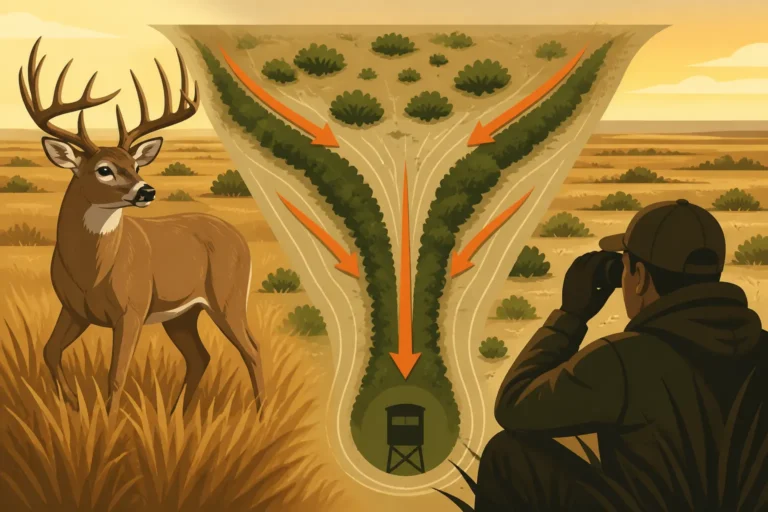
While the walk-up hunt is iconic, using blinds and decoys can be an incredibly effective, albeit less common, tactic, especially during certain times of day or in specific situations. This method is often employed on or near known lek sites, or along established flight paths between roosting and feeding areas. A well-brushed ground blind, strategically placed before legal shooting light, can allow you to intercept birds that are moving naturally. The challenge is that prairie chickens are extremely wary and have exceptional eyesight. Your blind needs to be perfectly camouflaged and blend seamlessly into the tallgrass environment. Consider using GoHunt's mapping tools to identify ideal ambush points based on historical bird movements or known lek locations. Decoys can also play a role, mimicking a small flock of birds on the ground. Placement is critical; position them to look natural and ensure they are visible from a distance. Often, hunters will combine decoys with a call, using clucking or cackling sounds to draw birds closer. This method requires extreme patience and discipline, as any sudden movement or inadequate concealment will send birds flaring. It's not a tactic for every hunt, but when conditions are right, particularly for Pass Shooting Prairie Chickens that are flying predictable routes, it can lead to high-reward situations. Think of it as a strategic ambush, a stark contrast to the continuous movement of a walk-up hunt.
| Tactic | Best Conditions | Pros | Cons | Key Considerations |
|---|---|---|---|---|
| Walk-Up Hunt | Early to mid-season, morning/late afternoon, with wind | Active, covers large areas, traditional method | Birds flush wild, requires good physical condition, lots of walking | Use a line of hunters, walk against wind, bring a dog if possible, quick shots required |
| Blind & Decoy | Near known leks or flight paths, pre-dawn setup | Can draw birds close, less physical exertion | Requires excellent concealment, extreme patience, fixed location | Scout movement patterns thoroughly, set up well before light, minimal movement in blind |
| Pass Shooting | During specific movement times (e.g., between roost/feed) | Intercepts flying birds, good for groups | Very challenging shots, requires understanding flight paths | Identify consistent flight corridors, anticipate angles, use appropriate chokes and loads |
Essential Gear and Considerations for Prairie Chicken Hunting
Heading out into the Flint Hills for prairie chickens isn't just about knowing where to go; it's about being prepared for the environment and understanding the rules. The right gear and a solid understanding of regulations can make or break your hunt.
Shotguns, Loads, and Chokes
When it comes to firearms for prairie chickens, a 12-gauge shotgun is the most popular choice, offering a good balance of power and pellet count. However, a 20-gauge can also be effective, especially for hunters who prefer a lighter firearm over vast stretches of prairie. Semi-automatic shotguns or over-and-under/side-by-side models are excellent options, allowing for quick follow-up shots if a covey flushes. As for loads, many seasoned hunters opt for 4, 5, or 6 shot. Since prairie chickens are often flushed at the farther end of shotgun range, you want enough energy and density to ensure a clean kill. Larger shot sizes like 4s can be particularly effective for those longer shots. When it comes to chokes, a modified or improved modified choke is usually a good starting point for the lead barrel (or first shot) to give you a decent pattern at typical flushing distances. For a follow-up shot, particularly if birds are going out quickly, a full choke can be beneficial. Experiment with different loads and chokes at a patterning board before the season to see what performs best with your specific shotgun. The goal is a dense, consistent pattern that will deliver a lethal blow without excessive shot stringing. Remember, clean kills are paramount for ethical hunting.
Weather, Safety, and Regulations
The Flint Hills can be unforgiving, and the weather can change on a dime. Early season hunts can be surprisingly hot, with temperatures soaring, making hydration and light, breathable clothing crucial. As the Kansas Upland Bird Season Dates and Limits progress into late fall, bitter cold winds can sweep across the open prairie, necessitating layered, warm, and windproof clothing. Always carry more water than you think you'll need, especially on walk-up hunts. A good pair of broken-in boots is non-negotiable, as you'll be covering miles over uneven ground. Safety is always paramount. Hunter orange is often required or highly recommended, especially when hunting with a group or during the open firearm seasons for other game. Be acutely aware of your surroundings, especially if using the Flint Hills Grassland Hunting Access on public land, where other hunters might be present. Always know where your hunting partners are and maintain safe shooting lanes. Before you even head out, ensure you have your valid Kansas Small Game Licence Requirements and any required permits. Kansas Department of Wildlife, Parks and Tourism (KDWP) publishes annual hunting regulations. It is your responsibility to read and understand these rules, especially regarding bag limits, shooting hours, and any specific regulations for public access lands or WIHA tracts. A little preparation goes a long way in ensuring a safe, legal, and enjoyable hunt.
Disclaimer
The information provided in this article is for general guidance and informational purposes only. Hunting regulations, seasons, and access rules can change frequently. Always consult the most current official regulations from the Kansas Department of Wildlife, Parks and Tourism (KDWP) before planning or engaging in any hunting activities. Adherence to all local, state, and federal laws is the responsibility of the hunter.