Guided Quail Hunts in Kansas
Hunting bobwhite quail in Kansas is a time-honored tradition, but for many, especially those coming from out of state or new to bird hunting, finding accessible, productive ground and experienced guides can feel like searching for a needle in a haystack. The rolling hills, vast crop fields, and dense cover that hold these explosive birds also make them incredibly challenging to locate without local knowledge and, often, a good set of bird dogs. This comprehensive guide is designed to walk you through everything you need to know about guided quail hunts in Kansas, helping you understand what to expect, how to choose the right outfitter, and ultimately, how to make the most of your adventure chasing Kansas bobwhites.
Understanding Guided Quail Hunts in Kansas
When you book a guided quail hunt in Kansas, you're not just paying for a day in the field; you're investing in access to prime habitat, the expertise of a seasoned guide, and the invaluable noses and energy of well-trained bird dogs. For many, this is the only way they'll truly experience the thrill of a wild Kansas quail covey flush. It removes the stress of scouting, knocking on doors for permission, or figuring out patterns in unfamiliar territory.
Imagine driving for hours, arriving in a new area, and trying to locate small, camouflaged birds in hundreds of acres of CRP, plum thickets, and milo stubble. It's daunting, to say the least. A good outfitter has already done that legwork. They've spent countless hours, often years, establishing relationships with landowners, monitoring bird populations, and training their dogs. Their job is to put you in front of birds and provide a memorable hunting experience, whether it's your first time out or you're a seasoned wingshooter looking for a high-volume day.
What's Typically Included in a Quail Package
Most guided quail hunt packages in Kansas are pretty comprehensive, designed to give you a hassle-free experience. While specifics can vary between different outfitters, you can generally expect a few core components that make the day flow smoothly. Think about it: you show up with your shotgun and appropriate hunting attire, and the rest is often taken care of.
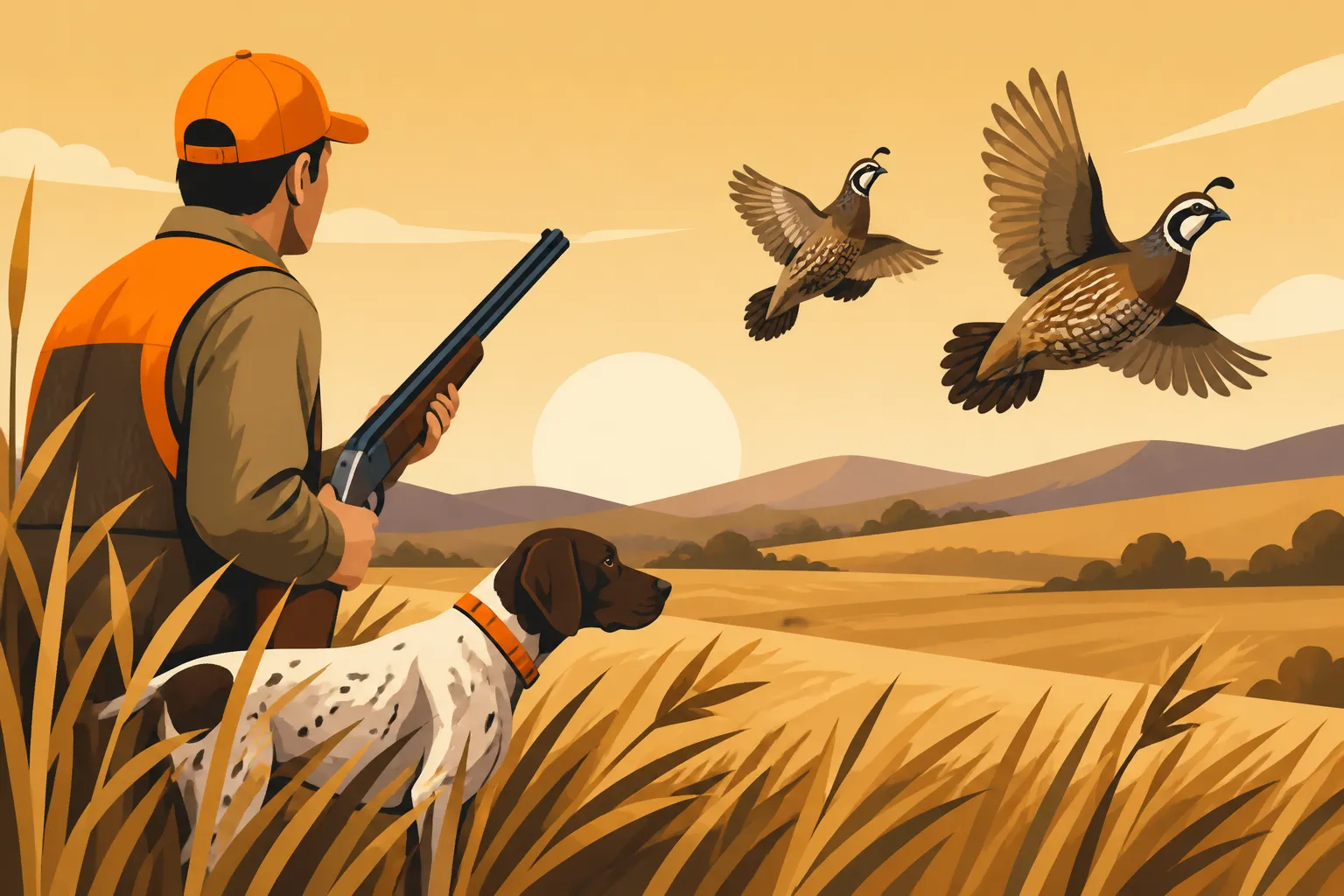
First and foremost, you'll have a professional guide, often someone who has been hunting these specific tracts of land for years, maybe even generations. This guide is your eyes and ears in the field, reading the dogs, understanding the terrain, and anticipating where the birds will be. They're also there for safety, to ensure everyone maintains proper gun handling, especially during the chaos of a covey rise. Secondly, and arguably the most exciting part for many, are the bird dogs. These are usually pointing breeds like English Pointers, German Shorthairs, or Brittany Spaniels, meticulously trained to locate, point, and retrieve quail. Watching a well-trained dog work a field, locking up on point, is a spectacle in itself and often the highlight of the day.
Beyond the field action, many packages include things like lunch, snacks, and beverages for a full day afield. After a morning of walking and shooting, a hearty sandwich and cold drink hit the spot. Transportation across the hunting grounds, typically in a utility vehicle or UTV, is also standard, saving your legs between prime spots. Once the hunt is over, the guide or staff will often handle the cleaning and packaging of your birds, making it easy for you to take your harvest home. Some even have a basic cooler setup ready. If you're traveling a long distance, this service is invaluable. Remember to clarify these details upfront; knowing exactly what's covered helps you plan for incidentals and ensures there are no surprises on your hunt. Kansas Upland Bird Hunt Packages often detail these offerings more broadly.
Types of Quail Hunting Experiences
Not all guided quail hunts are created equal, and understanding the differences can help you choose the experience that best suits your preferences and expectations. Kansas offers a variety of landscapes and management styles, leading to distinct hunting scenarios.
The most sought-after experience for many is hunting wild bobwhite quail. This means chasing birds that have hatched and lived their entire lives in the natural habitat of Kansas. These birds are typically stronger, faster, and offer a more challenging hunt, often holding tighter for points and exploding from cover with incredible speed. Wild bird hunts rely heavily on the natural population fluctuations, which are often tied to factors like rainfall and habitat quality. Quail Numbers After a Wet Spring will often be higher, for example. Outfitters specializing in wild birds often manage large tracts of land, focusing on habitat improvements like edge feathering, planting food plots, and maintaining healthy grassland and plum thicket ecosystems that are vital for Bobwhite Quail Habitat in Kansas. This type of hunt generally offers lower bird numbers per day compared to preserve hunts, but the quality of the experience—the dog work, the challenge, the pure wildness of it—is what keeps hunters coming back.
On the other end of the spectrum, some outfitters or preserves offer hunts for pen-raised quail. These birds are released into managed hunting areas, often on the day of the hunt or shortly before. While they might not be as "wild" as their native counterparts, these hunts can guarantee higher bird numbers and provide an excellent opportunity for new hunters or those looking for a lot of shooting action. They are particularly popular for corporate events or for hunters who want to work their own dogs without the pressure of finding wild birds. Some operations might even offer a hybrid approach, where they manage for wild birds but supplement with released birds to ensure a consistent opportunity. Always ask if the hunt is for wild or released birds, as this will significantly impact the experience and, often, the price point.
Another differentiator is whether you'll be walking extensively with the dogs or riding in a vehicle for most of the hunt. Traditional wild bird hunts typically involve a fair amount of walking, covering CRP fields, creek bottoms, and plum thickets where Quail Coveys in Plum Thickets are likely to hold. You'll need to be in reasonable physical condition for these hunts. However, some guides cater to hunters with mobility issues by utilizing UTVs or golf carts to get closer to the action, allowing for shorter walks to the pointing dogs. If you prefer to hunt with your own dog, some outfitters might allow it, often for an additional fee or on specific hunt days, provided your dog is well-behaved and works cooperatively with the guide's dogs. This allows you to experience the hunt with your trusted companion. If you're looking for a challenge without the dog, understanding Dogless Quail Hunting Tactics can still be beneficial, though most guided hunts will involve dogs.
The Benefits and Drawbacks of a Guided Quail Hunt
Deciding whether a guided quail hunt is right for you involves weighing the unique advantages against some potential considerations. For many, the benefits far outweigh the drawbacks, especially when you factor in time saved and expertise gained. However, it's wise to go into it with open eyes and a clear understanding of what you're signing up for.
Why Choose a Guide for Quail?
The primary reason many hunters opt for a guided quail hunt, especially in a state like Kansas, is the access to private land and wild birds. Kansas boasts some incredible quail habitat, but much of it is privately owned. Outfitters have spent years cultivating relationships with landowners, securing permission to hunt prime ground that would otherwise be inaccessible to the general public. This means you’re not guessing about where to go or worrying about trespassing; you're stepping onto proven ground managed for upland birds.
Beyond access, the expertise of the guide is invaluable. These individuals know the land intimately, understanding how the birds relate to cover, weather patterns, and food sources. They can read the subtle cues of the dogs, anticipating flushes and putting you in the best position for a shot. For a newcomer, this guidance is crucial for a successful and safe hunt. Furthermore, the quality of well-trained bird dogs can't be overstated. A good brace of pointers or flushers can find birds you would walk right past, turning a potentially frustrating day into a productive one. Their instinct and training are a true joy to watch in action, making the hunt far more enjoyable and efficient.
Consider the time and effort you save. Instead of spending days or even weeks scouting, securing permission, and hoping you find birds, a guided hunt streamlines the process. You arrive, hunt, and focus purely on the experience. This is especially beneficial for nonresident hunters who have limited time in the state. Instead of just hoping for the best, you're investing in a higher probability of success and a truly authentic Bobwhite Quail Across Kansas experience. You'll gain insights into Quail Covey Size and Behaviour that only come from years of observation.
Potential Downsides and What to Consider
Of course, guided hunts come with a cost, and this is often the most significant consideration for many hunters. While the investment brings tremendous value in terms of access and expertise, it's a financial commitment that needs to be budgeted for. These hunts are generally more expensive than a DIY approach, especially when you factor in transportation, lodging if not included, and the guide's fee. You'll want to carefully review Kansas Hunting Licence and Permit Costs as well, as these are usually separate from the outfitter's fees.
Another aspect to consider is the potential for a less independent hunting experience. With a guide, you're following their lead, their dogs, and their plan for the day. For hunters who prefer to scout their own ground, run their own dogs, and have complete control over every aspect of their hunt, a fully guided experience might feel a bit restrictive. However, many outfitters are flexible and happy to involve you in the decision-making process, especially if you communicate your preferences upfront. Some offer semi-guided options where they provide the land and advice, but you handle the hunting yourself.
Finally, while guides work hard to put you on birds, there are no guarantees in hunting. Weather, bird cycles, and just plain luck can impact the day. Even the best guide and dogs can have slower days. It's important to set realistic expectations and remember that the experience of the hunt itself—the camaraderie, the dog work, the beautiful Kansas scenery—is often just as valuable as the number of birds in the vest. Understanding the nature of Kansas Quail Season Dates and prime hunting windows can also help manage expectations.
Key Factors When Choosing a Kansas Quail Outfitter
Selecting the right outfitter for your guided quail hunt is paramount to having a successful and enjoyable experience. Just like any service, quality can vary, and doing your homework upfront will save you a lot of potential headaches and disappointment. Don't rush this step; a little research goes a long way.
Reputation and References
The first thing you should look into is an outfitter's reputation. In the hunting world, word-of-mouth is king, but online reviews and forums can also be valuable. Look for outfitters with a long-standing presence and consistently positive feedback. Did previous clients talk about plentiful birds, knowledgeable guides, and well-behaved dogs? Websites like BookYourHunt can be a good starting point for browsing outfitters and reading initial reviews, giving you a broad overview of options.
Once you have a few potential outfitters in mind, ask them for references—specifically, the contact information for clients who have hunted quail with them in the past season or two. A reputable outfitter will be happy to provide these. When you call these references, ask detailed questions:
- How accurate was the outfitter's description of the hunt?
- Were the dogs well-behaved and effective?
- Was the guide attentive and knowledgeable?
- What was the overall atmosphere of the camp or day hunt?
- Did they feel they got good value for their money?
- Would they hunt with that outfitter again?
Pay attention to any consistent themes, positive or negative. A few glowing reviews mixed with a few lukewarm ones might be acceptable, but consistent complaints about things like poor dog quality, unmotivated guides, or exaggerated claims are major red flags. This due diligence is crucial because you're investing both time and money.
Questions to Ask Before Booking
Before you commit, compile a list of questions to ask the outfitter directly. Clear communication from the start will prevent misunderstandings later. Here are some key areas to cover:
- Hunt Structure: Is this a wild bird hunt, a preserve hunt, or a combination? How many acres does the outfitter have access to for quail? How many hunters will be in your group? Are other groups hunting nearby on the same day?
- Guide and Dogs: How many guides will be with your group? What breeds of dogs do they use, and how are they trained? Can you bring your own dog, and if so, are there any extra fees or restrictions?
- Bag Limits and Regulations: What are the daily bag and possession limits for quail on their property? Are they familiar with the current Kansas Quail Bag and Possession Limits? Will they help you understand Kansas hunting regulations?
- Physical Demands: How much walking is involved? Is the terrain rugged or relatively flat? Do they offer accommodations for hunters with physical limitations?
- Inclusions and Exclusions: What exactly is included in the package price (meals, lodging, bird cleaning, shells)? What is not included (license, tips, alcoholic beverages, extra birds)? Be explicit about this.
- Booking and Cancellation: What are the deposit requirements? What is their cancellation policy, and what happens if you can't make the hunt due to unforeseen circumstances? Understanding your outfitter's policy on deposits and cancellations is vital before signing any agreement.
You might even want to use online mapping tools like GoHunt to get a general idea of the terrain and land cover types in the outfitter's general area. While it won't show private land boundaries, it can help you visualize the environment.
Understanding Costs and What's Extra
The sticker price for a guided quail hunt is rarely the final cost. It's essential to understand all the potential expenses involved. Kansas guided quail hunts can vary widely in price based on duration, inclusions, and the reputation of the outfitter.
Generally, you'll see costs for half-day or full-day hunts, and sometimes multi-day packages that include lodging. A full-service, multi-day hunt with lodging, meals, guide, and bird cleaning will naturally be more expensive than a basic day hunt where you bring your own lunch.
Here's a breakdown of common extra costs:
| Category | Common Extra Costs | Notes |
|---|---|---|
| Licensing | Kansas hunting license, upland bird stamp | Always purchased separately by the hunter. Check KDWP website for current rates. |
| Ammunition | Shotgun shells | Some outfitters may provide a limited quantity or sell them on-site, but often you're expected to bring your own. |
| Gratuities | Guide tips, lodge staff tips | Tipping is customary and expected. Plan for 15-20% of the hunt cost for your guide, plus a bit for any cooks/lodge staff. Tipping a Kansas Guide explains more. |
| Travel | Flights, fuel, rental car | Your transportation to and from the hunting location. |
| Lodging | If not included in package | Some day-hunt packages don't include overnight stays, requiring you to book local motels. |
| Taxidermy/Meat | Bird processing beyond basic cleaning, shipping | If you want specific cuts or professional taxidermy, that's usually an added service. |
| Miscellaneous | Personal gear, snacks, alcoholic beverages | Anything not explicitly listed in the package inclusions. |
Always get a written confirmation of what is included and excluded. This protects both you and the outfitter and ensures there are no surprises when it comes time to settle up. Be aware of any "trophy fees" or penalties, though these are much less common in bird hunting than with big game. For example, some operations might charge extra if you shoot beyond a certain bag limit or request additional birds to be released. Being transparent about your budget and expectations with the outfitter from the outset will help them tailor an experience that meets your needs.
Maximizing Your Guided Quail Hunt Experience
Booking the hunt is just the first step! To truly get the most out of your guided quail adventure in Kansas, a little preparation and understanding of etiquette can go a long way in ensuring a smooth, enjoyable, and successful outing for everyone involved.
Preparing for Your Hunt
Preparation is key to a comfortable and effective hunt. You'll want to think about your physical condition, your gear, and your mindset before you even leave home.
First, consider your physical fitness. While some hunts involve more riding than walking, most guided quail hunts in Kansas will require you to cover some ground. You'll be walking through varied terrain—often uneven fields, dense cover, and sometimes even up and down creek banks. Getting in shape, even if it's just regular walks in the weeks leading up to your hunt, will make a big difference in your enjoyment and stamina. You don't want to be huffing and puffing when the covey rises!
Next, assemble your gear. Your shotgun should be clean, in good working order, and patterned with the load you intend to use. Most quail hunters prefer lighter gauges like 20 or 28 gauge, with open chokes like improved cylinder or skeet, for the fast-flushing action. Bring plenty of shells; a good day of quail hunting can burn through a box or two per person easily. Dress in layers, as Kansas weather can change quickly, especially during the fall Kansas Upland Bird Season Dates and Limits. Blaze orange is often required or highly recommended for safety, so ensure you have a vest or hat. Comfortable, broken-in walking boots are non-negotiable, as are briar-proof pants or chaps to protect against the thorny plum thickets and heavy cover. Don't forget eye protection and hearing protection, which are essential for safety and comfort when shooting. A good bird vest or game bag will be helpful for carrying your shells, water, and birds once they are retrieved.
Finally, think about your mindset. Come with a positive attitude, ready to learn from your guide, and eager to enjoy the overall experience, regardless of the final bird count. Remember, hunting is about the journey, the dogs, the landscape, and the camaraderie, not just the harvest. Being a polite and attentive guest will go a long way in making your hunt enjoyable for both you and your guide.
Etiquette and Tipping Your Guide
Once you're in the field, a few points of etiquette can really make a difference. Always listen carefully to your guide's instructions, especially regarding safety and shot placement. They know the terrain, the dogs, and the habits of the birds. Respect their experience. When a covey flushes, wait for their signal on which bird to shoot if there's any confusion, and always be aware of where other hunters and the dogs are. Safety is always the number one priority.
Also, be a team player. Offer to help carry equipment, retrieve birds if it's safe to do so, and generally contribute to a positive atmosphere. Engage with your guide; ask questions about the habitat, the dogs, or Kansas Bobwhite Quail Numbers. This engagement often leads to a richer experience and builds a good rapport.
Tipping your guide is standard practice and a critical part of the hunting industry. It's a way to show appreciation for their hard work, long hours, and dedication to providing you with a great hunt. A general guideline is to tip 15-20% of the total hunt cost. If there are other staff members involved, such as a cook or lodge attendant, a separate tip for them is also appropriate. Present your tip directly to the guide at the end of the hunt, ideally in cash, with a sincere thank you. This gesture acknowledges their effort and helps support their livelihood. A truly great guide works tirelessly, often starting before dawn and finishing long after sunset, to ensure you have the best possible chance at success and a memorable experience.
Disclaimer
This article is for general informational purposes only and does not constitute professional advice. Laws, prices and regulations vary by location and change over time. Consult a qualified professional for guidance on your specific situation.