Public Ground Near Topeka
It's no secret that finding good public hunting ground near a city, any city really, can feel like searching for a needle in a haystack. The closer you get to population centers, the more competition there is, and the more patchwork the available land can be. But for those of us living in or around Topeka, don't despair! While it takes some dedicated research and a willingness to drive a bit, there are genuinely fantastic opportunities to pursue your passion for hunting in the public lands surrounding the capital city. This guide is here to walk you through where to look, what to expect, and how to make the most of your public land adventures close to home.
Understanding the Landscape: Public Hunting Near Topeka
When you're looking for public hunting land, especially near a place like Topeka, it's crucial to understand the types of land available and the challenges that come with them. You're not going to find vast, untouched wilderness right outside the city limits, but what you will find are managed wildlife areas, reservoir properties, and plenty of Walk-In Hunting Access (WIHA) tracts. Each has its own character, its own rules, and its own unique set of opportunities and frustrations. The key is to know how to identify these areas and then dive deep into understanding their specific nuances before you ever set foot in the field.
The primary types of public land you'll encounter are often managed by the Kansas Department of Wildlife, Parks, and Tourism (KDWP) or the U.S. Army Corps of Engineers. These lands range from expansive wildlife areas tied to large reservoirs to smaller, often fragmented parcels of timber, grassland, or wetland. The hunting experience on these lands can vary wildly, from quiet, solitary mornings to areas buzzing with other hunters, especially on opening day or during peak seasons. It’s an ongoing process of scouting, adapting, and sometimes just plain out-working other hunters to find success. Understanding the general lay of the land and how these different types of public ground operate is your first step to unlocking their potential. Public Hunting Land in Kansas provides a great overview of these land types.
Key Public Hunting Areas Within Reach of Topeka
While Topeka itself might not boast sprawling hunting grounds, its proximity to several excellent public hunting areas makes it a viable hub for hunters willing to travel a short distance. These areas typically revolve around the state's large reservoirs, which provide diverse habitats ranging from timbered draws to open grasslands and wetlands.
| Area Name | Distance from Topeka (Approx. Drive) | Primary Game Species | Key Features / Habitat | Typical Pressure Level |
|---|---|---|---|---|
| Clinton Wildlife Area | 20-30 minutes | Deer, Turkey, Waterfowl, Upland | Timber, CRP, wetlands, lake shoreline, ag fields | Moderate to High |
| Perry Wildlife Area | 30-40 minutes | Deer, Turkey, Waterfowl, Upland | Dense timber, sloughs, crop fields, river bottom, lake | Moderate to High |
| Tuttle Creek Wildlife Area | 50-60 minutes | Deer, Turkey, Waterfowl, Upland | Extensive timber, rugged terrain, river bottom, lake | Moderate |
| Melvern Wildlife Area | 45-55 minutes | Deer, Turkey, Waterfowl, Upland | Mixed timber, grasslands, wetlands, creek channels | Moderate |
Clinton Wildlife Area
Just a stone's throw west of Topeka, the Clinton Wildlife Area offers a diverse landscape around Clinton Lake. This area is incredibly popular, and for good reason—it holds a healthy population of whitetail deer, turkeys, and a good mix of upland birds and waterfowl in season. The downside? Its popularity means you'll almost certainly encounter other hunters, especially during prime times. The terrain here is varied, with substantial timber blocks, open grasslands (often CRP), and wetlands adjacent to the lake. You'll find areas that are relatively flat and easy to traverse, as well as steeper, more rugged sections, particularly along the creek drainages feeding into the lake.
Hunting here often means getting off the beaten path. Those obvious timber edges and easy-to-access field corners get hammered pretty hard. You'll want to use tools like onX Hunt to scout satellite imagery for hidden pockets of cover, thick bedding areas away from roads, or obscure creek crossings that deer might use to escape pressure. Look for transitions between different habitat types—where timber meets CRP, or where a food plot transitions into a thicket. Clinton Wildlife Area Access offers more specifics on getting around this area. Success at Clinton often comes down to perseverance and a willingness to hike deeper or explore less obvious entry points.
Perry Wildlife Area
Further north, near Perry Lake, lies the Perry Wildlife Area. This area is characterized by its extensive timber, especially along the Delaware River and its tributaries, offering some classic river bottom hunting. If you're into Scouting Kansas River Bottoms and Creek Draws, Perry is a great place to put those skills to the test. Beyond the river bottoms, you'll find a mix of crop fields, sloughs, and patches of timber. Waterfowl hunters are drawn to its wetlands and the lake itself, but deer and turkey hunters also find plenty of opportunities.
The timber here can be dense, providing excellent cover for mature deer. Scouting for old logging roads, subtle terrain funnels, or pinch points where deer are forced to travel is key. Because it's a bit further from Topeka than Clinton, the pressure can sometimes be slightly less intense in certain parts, but don't expect solitude. Understanding wind direction and how deer use the river corridors for travel, especially during the rut, can be a game-changer. This area really shines for bowhunters who enjoy picking apart big timber.
Tuttle Creek Wildlife Area
Venturing a bit further northwest, the Tuttle Creek Wildlife Area presents a more rugged and expansive hunting experience. Located around Tuttle Creek Lake, this area boasts some of the most extensive timber blocks in northeastern Kansas, along with diverse grasslands and agricultural fields. It's a fantastic spot for deer and turkey, and its sheer size means that if you're willing to put in the legwork, you can often find unpressured areas. Tuttle Creek Wildlife Area Access gives you a deeper dive into what to expect here.
The terrain around Tuttle Creek can be challenging, with steep bluffs and deep draws. This can be a blessing in disguise, as many hunters stick to the easier-to-access spots. Don't shy away from those steeper ridges or brushy ravines. Bucks often seek refuge in these difficult-to-reach places. For those targeting upland birds, there are significant grassland portions, but expect to walk a lot of ground. Remember to always be aware of your surroundings and other hunters, especially during firearm seasons, as the expansive nature can sometimes lead to less defined hunting boundaries in practice.
Melvern Wildlife Area
Southeast of Topeka, the Melvern Wildlife Area wraps around Melvern Lake, offering a slightly different flavor of public land. This area features a good mix of timber, particularly along the Marais des Cygnes River and its tributaries, as well as open grasslands and designated waterfowl areas. Deer and turkey hunting are solid here, and it can be a gem for waterfowl if the migration is on. Melvern Wildlife Area Hunting details many of its features.
Melvern’s mix of habitats makes it versatile. The timber blocks can hold good deer, and the open fields and wetlands attract a variety of birds. Like the other reservoir properties, understanding how the water levels might affect access and game movement is crucial. During dry spells, exposed mud flats can concentrate waterfowl, while high water can push deer onto higher ground. Early-season bowhunting over water sources can also be productive here, as deer often seek out secluded ponds or creek pools. Early-Season Bowhunting Over Water is a technique that can work well in these mixed-habitat areas.
Navigating Walk-In Hunting Access (WIHA) and State Wildlife Areas
Kansas's Walk-In Hunting Access (WIHA) program is a godsend for public land hunters, especially around more populated areas where continuous public ground might be scarce. WIHA tracts are privately owned lands leased by the KDWP for public hunting, fishing, and trapping. These parcels are often agricultural fields, CRP (Conservation Reserve Program) grasslands, or small timber blocks that fill in the gaps between larger state and federal properties. They represent an invaluable opportunity, but they come with their own set of rules and considerations.
Finding and Utilizing WIHA Tracts
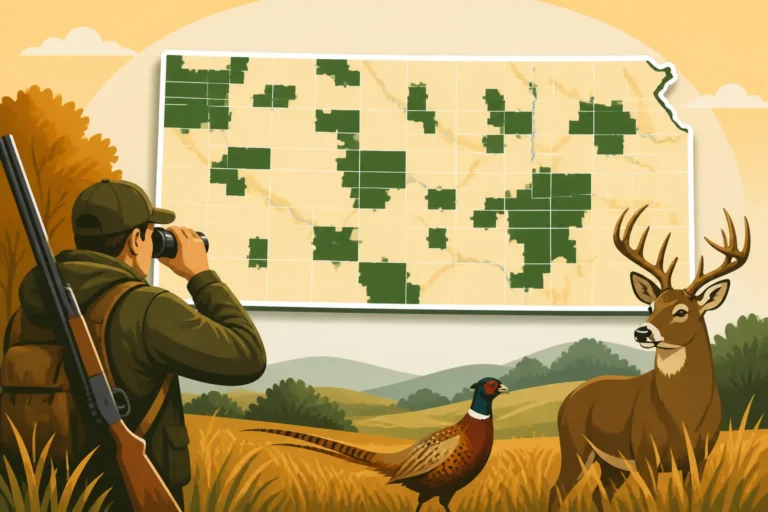
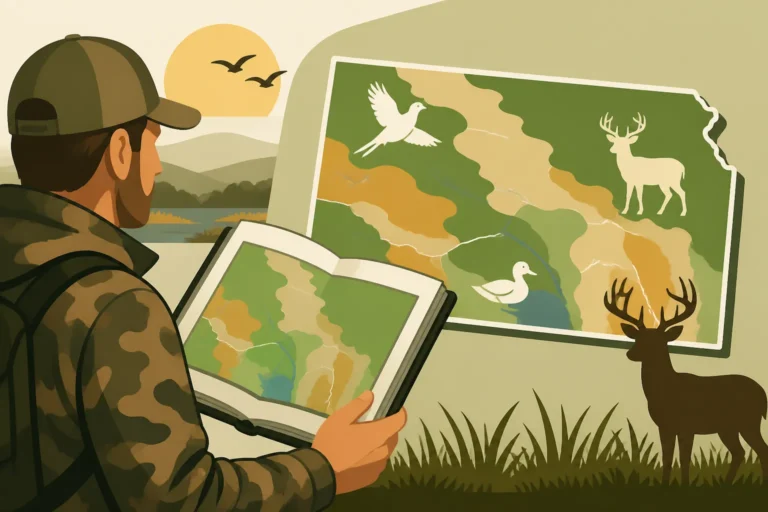
The key to unlocking WIHA potential is thorough map scouting. The KDWP publishes an annual WIHA Atlas, available digitally and sometimes in print, which is your bible for these tracts. This atlas highlights all enrolled properties, their boundaries, and the specific dates they are open for public access. Some tracts are open year-round, while others might only be open for certain seasons. It’s absolutely critical to check the dates, as hunting outside of the designated period is trespassing.
Digital mapping tools like onX Hunt are game-changers for navigating WIHA. You can layer the WIHA boundaries directly onto satellite imagery, allowing you to see exactly where the public access begins and ends, and more importantly, what the habitat looks like within those boundaries. This helps you identify potential bedding areas, travel corridors, or pinch points without ever stepping foot on the property first. For hunters who travel long distances or are short on scouting time, this capability is invaluable. GoHunt also offers robust tools for identifying public land, including WIHA, and can help you plan your hunts more efficiently by showing you where to focus your efforts. Reading the Kansas WIHA Atlas can help you get started with this essential resource.
A common frustration with WIHA is that tracts can change from year to year, as landowners may opt in or out of the program. So, the hot spot you hunted last year might not be available this year. Always, always check the current year's atlas!
Special Considerations for iWIHA Tracts
Within the WIHA program, you'll also encounter "iWIHA" tracts, which stands for "interactive Walk-In Hunting Access." These areas are typically high-demand properties that have daily capacity limits. To hunt an iWIHA tract, you usually need to check in and out electronically using the Go Outdoors Kansas app or website. This system helps manage hunting pressure and provides a better experience for those who get a spot. Checking In and Out on iWIHA Ground is a must-read if you plan on hunting these unique areas.
The challenge with iWIHA is that popular tracts, especially those with good deer or turkey populations, can fill up very quickly, sometimes before legal shooting light. This means you need to be strategic, logging on early, and sometimes having backup plans if your first choice is full. It's a system designed to spread pressure and enhance the quality of the hunt, but it requires flexibility and quick thinking on the hunter's part.
Strategies for Successful Public Land Hunting Near Topeka
Hunting public land successfully, especially close to a city, requires a different mindset and approach than hunting private land. It's not just about finding game; it's about finding game that hasn't been pressured off the property or made nocturnal by human activity. Here are some strategies that can make a real difference.
Embracing Early Mornings and Late Evenings
This might sound obvious, but on public land, being the first one in and the last one out can yield significant rewards. Deer, turkeys, and other game are often most active during the low-light hours and will use these times to move when human activity is at its lowest. Getting to your stand well before legal shooting light gives the woods time to settle down around you. Similarly, staying until the absolute last minute of legal light can catch deer moving into fields or feeding areas they've avoided during the day. This isn't just about presence; it's about minimal intrusion. Your Access Routes That Do Not Bump Deer are critical here – plan paths that avoid known bedding areas.
Deeper Hikes and Alternative Access Points
Most hunters, understandably, take the path of least resistance. They park at obvious access points and only walk as far as they feel comfortable. This creates "pressure zones" near roads and easy trails. The game quickly learns this pattern. To find unpressured animals, you need to be willing to hike deeper into a property than most. This could mean adding an extra half-mile or mile to your walk, or approaching from an obscure corner of the property that requires a longer, more difficult trek.
Using your mapping app, identify corners of public land that might be a long walk from any designated parking area or that border private land where deer might feel safer. Sometimes, the best hunting on public ground is found in those awkward spots that are just far enough away to deter casual hunters. Hunting Pressure Patterns on Kansas Public Land delves deeper into how game reacts to human presence.
Thorough E-Scouting and Boots-on-the-Ground Recon
E-scouting from home is an absolute must. Before you ever leave your house, spend hours on satellite imagery, looking for subtle details that indicate deer movement or bedding areas. Look for:
- Funnels and pinch points: Where terrain or habitat changes force deer into a narrow travel corridor. Hunting Terrain Funnels in Flat Country is a great resource for identifying these in Kansas.
- Thick cover: Cedar thickets, dense CRP, or brushy draws where deer will bed. These are often tucked away from trails. Cedar Thickets as Bedding Cover
- Water sources: Especially during dry periods or early season, hidden ponds or creek pools can be magnets for deer.
- Food sources: Observe agricultural fields on satellite maps to see patterns of crop rotation, and note standing timber for mast crops.
- Topographic changes: Even subtle elevation changes in Kansas can create thermal currents that deer use to their advantage, especially along creek banks.
Once you have a few promising spots identified through e-scouting, it’s time for boots-on-the-ground scouting. Visit these areas in the off-season or during midday when hunting pressure is low. Look for rubs, scrapes, well-used trails, and bedding areas. Don't be afraid to walk through the thick stuff; that's where the deer are. Scouting Kansas Walk-In Tracts on Foot provides an excellent guide to this process. The more you know about the land, the better your chances of success.
Diversifying Your Target Species
While deer hunting is often the primary draw, don't overlook other species when hunting public ground near Topeka.
- Turkeys: Many of the same timbered areas that hold deer will also hold turkeys. Spring turkey hunting on public land can be challenging due to pressure, but rewarding if you find a less-traveled area. Run-and-Gun Turkey Tactics on Kansas Walk-In Ground can be particularly effective.
- Upland Birds: WIHA tracts with good grass cover or milo fields can offer excellent pheasant and quail hunting. While you might not find huge coveys like in western Kansas, you can certainly bag some birds. Working Pheasant Fields Without a Dog and Dogless Quail Hunting Tactics are skills that are highly applicable here.
- Waterfowl: The various reservoir wildlife areas offer great opportunities for ducks and geese, especially during migration. Setting up on a secluded point or in a marshy backwater can provide exciting action. Decoying Ducks on a Kansas Reservoir
By being adaptable and open to hunting different species, you increase your opportunities for success and make your trips to public land even more fulfilling.
Responsible Hunting on Public Land
Hunting public land is a privilege, and it's up to all of us to ensure its continued availability. This means adhering to all regulations, leaving no trace, and being respectful of other users.
- Know the Regulations: Every wildlife area and WIHA tract might have specific rules regarding stand placement, vehicle use, camping, or specific hunting methods. Always check the KDWP regulations for the specific area you plan to hunt. For example, some areas restrict tree stands to portable types that must be removed daily. Portable Stand Rules on Kansas Public Land can give you a general idea.
- Leave No Trace: Pack out everything you pack in, and then some. Don't leave trash, spent shell casings, or anything that detracts from the natural beauty of the area. If you use screw-in steps or permanent blinds, ensure they are allowed and remove them according to regulations.
- Respect Other Users: You will encounter other hunters, hikers, birdwatchers, and potentially campers. Be courteous, share the space, and avoid activities that could interfere with their enjoyment or safety. A friendly wave goes a long way.
- Safety First: Always prioritize firearm safety, wear hunter orange during seasons that require it, and let someone know your hunting plan, including where you'll be and when you expect to return. Leaving a Trip Plan for a Public Hunt is always a good idea.
Hunting public land near Topeka requires a blend of research, perseverance, and respectful hunting practices. It's not always easy, but the satisfaction of finding success on these shared resources is incredibly rewarding.
Disclaimer
This article is for general informational purposes only and does not constitute professional advice. Laws, prices and regulations vary by location and change over time. Consult a qualified professional for guidance on your specific situation.