Tuttle Creek Wildlife Area Access
Many hunters in Kansas, especially those new to exploring public land, often look at the vast expanse of Tuttle Creek Wildlife Area and feel a mix of excitement and apprehension. It's easy to see the potential for great hunting, but figuring out where to start, how to get in, and what to expect can be incredibly confusing. This guide is here to demystify hunting access at Tuttle Creek, helping you understand its unique landscape, navigate its many entry points, and ultimately plan a successful hunt on this expansive public resource.
Getting Your Bearings: What is Tuttle Creek Wildlife Area?
Tuttle Creek Wildlife Area isn't just a patch of woods; it's a massive, diverse landscape centered around the Tuttle Creek Reservoir. It's a place where the rolling Flint Hills meet the Big Blue River, creating a mosaic of habitats that can feel overwhelming until you break it down. Understanding the basic geography and who manages the land is your first step to unlocking its hunting potential.
The Lay of the Land: Rivers, Timber, and Reservoirs
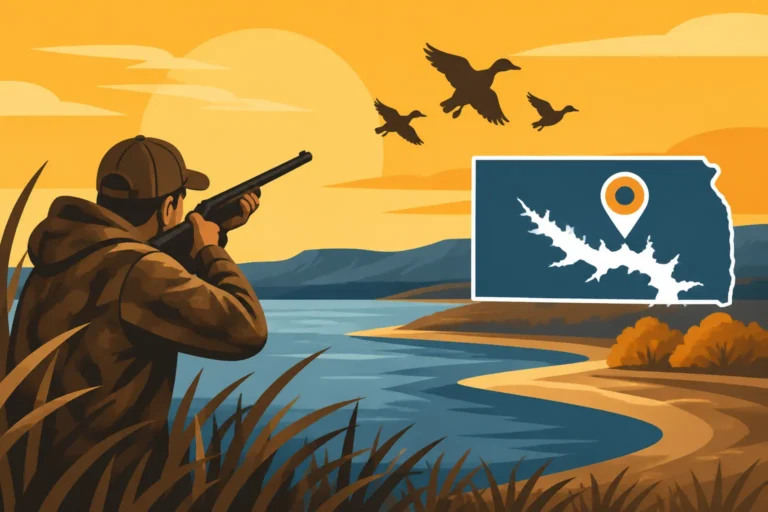
Imagine a giant, snake-like lake cutting through the landscape, fed by two major rivers: the Big Blue and the Little Blue. That's Tuttle Creek. The wildlife area itself stretches for miles along the reservoir's arms and up the river corridors. You'll find a mix of timbered creek bottoms and riverine forests, especially along the Big Blue River, offering excellent cover for deer and turkeys. As you move away from the main river channels, the terrain often transitions to rolling grasslands, old fields, and agricultural plots that vary from year to year, depending on leases and management decisions.
The sheer variety is both its blessing and its curse. On one hand, you have options for almost any type of hunting you can imagine in Kansas. On the other, it means no two areas are exactly alike, and what works for one spot might not apply to another just a mile away. You might find dense cedar thickets on one ridge and then wide-open native prairie grass the next. This habitat diversity is fantastic for game, but it demands careful scouting and a flexible approach. The flood plain areas, in particular, can be dynamic, changing with water levels and creating new opportunities or closing off old ones.
Who Manages the Area and Why It Matters
Tuttle Creek Wildlife Area is primarily managed by the Kansas Department of Wildlife and Parks (KDWP), but it's important to remember that the land around the reservoir itself is owned by the U.S. Army Corps of Engineers. This joint management means you often have a blend of KDWP regulations and general Corps of Engineers rules to consider. KDWP actively works to enhance habitat, manage game populations, and provide public access, often through agricultural leases and prescribed burning.
The Corps of Engineers' involvement means there are also areas primarily focused on recreation like boating, fishing, and camping, which might have different rules or higher concentrations of non-hunters. Understanding this distinction is crucial because it can impact where you choose to hunt. For example, some areas closer to main recreation facilities might see more foot traffic or have specific restrictions. Always check the current KDWP regulations summary for Tuttle Creek specifically, as rules can sometimes be area-specific, especially concerning vehicle access or stand placement. This management collaboration ultimately provides a huge amount of accessible land for hunters, but it also means staying informed about the current rules is paramount. It’s also wise to consult the Kansas State Wildlife Areas guide for a broader understanding of how these areas operate.
Navigating Access Points and Entrance Strategies
With such a large area, just finding a place to park and walk in can be a challenge. Tuttle Creek has numerous designated access points, ranging from large paved boat ramps to small, unmarked turn-offs that lead to forgotten two-track roads. Knowing how to identify and utilize these entry points is key to spreading out from other hunters and getting to quality ground.
Primary Vehicle and Foot Access Points
Most hunters will initially rely on vehicle access points, which typically include parking lots near boat ramps, public roads that dead-end into the wildlife area, or designated parking areas along county roads. These are often marked with KDWP signs. The challenge is that these primary access points can sometimes be magnets for other hunters, especially on opening weekend or during peak rut. If you're looking for solitude, you might need to embrace a longer walk from these points.
Consider using lesser-known gravel roads or unmarked pull-offs, which might require a bit more navigation but can lead you to less pressured areas. Some of these might be seasonal, closing during wet conditions to prevent road damage. Always pay attention to "No Parking" signs or areas that are clearly private land. It's frustrating to plan a hunt only to find your access blocked, so always have a backup plan. A good strategy is to scout these points during the off-season to see how they're maintained and what kind of terrain they lead into.
Utilizing Boat Access for Remote Hunting
One of the biggest advantages of hunting Tuttle Creek Wildlife Area is the potential for boat access. The reservoir itself, along with the navigable portions of the Big Blue and Little Blue rivers, allows hunters to reach areas that are otherwise difficult or impossible to access on foot. This can be a game-changer for finding untouched pockets of timber or secluded marshy areas that hold waterfowl. There are numerous boat ramps scattered around the reservoir, making it feasible to launch a small jon boat, kayak, or canoe.
When planning a boat-accessed hunt, consider water levels, which can fluctuate significantly, especially after heavy rains or during periods of drought. A spot that was easily accessible by boat in September might be high and dry by December. Always prioritize safety: wear a life vest, especially in cold water, and be aware of changing weather conditions. Reading a Kansas Wind for Waterfowl is a critical skill if you're planning a boat hunt for ducks or geese. While boat access can get you away from the crowds, it also adds a layer of complexity to gear management and game retrieval. Imagine getting a big buck down on a remote island – that's a different kind of challenge than dragging one out of a cornfield!
The Role of the Kansas Hunting Atlas and Digital Tools
In today's hunting world, digital mapping tools are an absolute must, especially for an area as vast and convoluted as Tuttle Creek. The KDWP's online Kansas Hunting Atlas is an invaluable free resource that shows all public hunting land, including the boundaries of Tuttle Creek Wildlife Area, access points, and often even habitat types. This is your starting point for understanding where you can legally hunt.
Beyond the state atlas, premium mapping apps like onX Hunt have revolutionized how hunters navigate public land. With onX Hunt, you can overlay property lines, see satellite imagery, and even track your movements, making it incredibly difficult to accidentally trespass or get lost. Many hunters rely on it to identify hidden access corridors, small pockets of public land, or even potential bedding areas based on vegetation changes visible from above. Similarly, tools from GoHunt can offer additional data layers for e-scouting, helping you understand terrain and potential game movement even before you set foot on the ground. Reading Aerial Imagery for Bedding Cover is a skill these apps make much easier to develop. These digital tools are essential for planning your Access Routes That Do Not Bump Deer and for identifying Best Stand Locations in Flat Farm Country within this diverse area.
| Access Type | Pros | Cons | Best For |
|---|---|---|---|
| Paved Ramps | Easy vehicle access, good for larger boats | Can be crowded, often lead to heavily hunted areas | Waterfowl, fishing, quick access |
| Gravel Roads | More remote, less pressure | Can be muddy/impassable, limited parking, less marked | Deer, turkey, getting away from crowds |
| Foot Trails | Deep woods access, high solitude | Requires long walks, physically demanding, limited gear | Mobile hunting, scouting, less-pressured deer |
| River/Reservoir | Untouched areas, waterfowl, remote deer | Requires boat/kayak, safety concerns, difficult retrieval | Waterfowl, very remote deer, island hunting |
Hunting Opportunities and Species at Tuttle Creek
Tuttle Creek Wildlife Area is a true multi-species hunting destination, offering chances at everything from trophy whitetails to robust flocks of turkeys and diverse waterfowl. Its varied habitat supports a healthy population of game, but knowing where to focus your efforts for each species is key to success.
Deer Hunting: Timber, Crop Edges, and Pressure
Whitetail deer are the undisputed kings of Tuttle Creek. The extensive timbered river bottoms along the Big Blue River and its tributaries provide excellent cover, food, and travel corridors. Look for areas with a mix of mature timber and younger regeneration, as these provide both bedding and browse. Deer will also heavily utilize the edges of agricultural fields, which are often leased out within the wildlife area. These crop fields provide crucial food sources, especially as the season progresses. Milo and Corn Stubble Deer Patterns are especially relevant here in the later season.
The biggest challenge for deer hunters at Tuttle Creek is pressure. Being a large, well-known public area, it sees a significant number of hunters, especially during the archery rut and the December firearm season. To counter this, you need to be willing to walk further, utilize boat access, or hunt during weekdays. Scouting for fresh sign, like rubs, scrapes, and tracks, is paramount. Focus on terrain features that funnel deer movement, such as pinch points between thick cover and water, or narrow strips of timber. Setting up on these natural funnels can increase your odds of intercepting a cruising buck. Many hunters find success by identifying neglected corners or hard-to-reach pockets that most other hunters overlook.
Turkey Hunting: Roosts and River Bottoms
Tuttle Creek offers some fantastic opportunities for both spring and fall turkey hunting. The prime habitat for turkeys is the mature timber found along the river bottoms and creek drainages. These big trees provide excellent roosting sites, and the adjacent open fields or grassy areas offer foraging opportunities. Finding active roosts is a critical first step for turkey hunters here. You can often locate them by listening at dawn or dusk, or by simply observing where birds fly up or down.
Calling techniques will vary depending on the time of year and whether you're dealing with henned-up gobblers or lone Toms. Kansas Turkey Hunting Tactics for Spring Gobblers provides valuable insights into how to approach these birds. Accessing the river bottoms can sometimes mean navigating steep banks or muddy terrain, so be prepared with appropriate footwear. Like deer hunting, turkeys here can experience pressure, so being willing to move and work different areas, perhaps even using a run-and-gun approach, can be highly effective. Don't be afraid to cross the main river by boat or wade a smaller creek to get to less-pressured birds.
Waterfowl and Upland Bird Prospects
For waterfowl hunters, Tuttle Creek Reservoir is a magnet for migrating ducks and geese on the Central Flyway. The reservoir offers open water hunting, but the more productive areas are often in the flooded timber, marshy edges, or smaller backwaters along the Big Blue and Little Blue rivers. Hunters use everything from layout blinds on shore to boat blinds in flooded timber, often deploying large decoy spreads. Timing the migration and understanding Kansas Duck Migration Timing is crucial, as the best hunting often coincides with cold fronts pushing new birds south.
Beyond waterfowl, the upland bird hunting at Tuttle Creek can be productive, particularly for pheasant and quail. These birds will inhabit the grasslands, old fields, and edges of crop fields. Look for areas with good winter cover, such as plum thickets or dense patches of native grass, especially those adjacent to food sources like corn or milo stubble. While you might not find the sheer numbers of birds as in dedicated pheasant or quail country further west, Tuttle Creek offers a mixed bag opportunity. Working Pheasant Fields Without a Dog can be challenging but rewarding if you focus on strategic blocking and working edges. Remember, a good hunting dog will vastly increase your success rates for upland birds here.
Key Regulations and Tips for a Successful Hunt
Hunting on any public land, especially one as large and managed by multiple entities as Tuttle Creek, requires adherence to specific rules and a commitment to ethical hunting practices. Being prepared and understanding the nuances can make all the difference in your experience.
General Rules and Area-Specific Restrictions
Every hunter should obtain the current KDWP hunting regulations summary before heading to Tuttle Creek. While general statewide hunting laws apply, specific wildlife areas often have additional, localized rules. These might include restrictions on vehicle access to certain roads, limitations on the type of stands you can use (e.g., no screw-in steps or permanent stands), rules about baiting, or specific shooting hours for certain areas. For example, some portions of the wildlife area might be designated as refuges or have special zones for archery-only hunting.
It's your responsibility to know these rules. Ignorance is rarely an accepted excuse. Double-check everything, especially if you're hunting near developed areas or where different habitats meet. Pay attention to all KDWP signage, as it often contains critical, up-to-date information. If you're using a portable stand or ground blind, be aware of any rules regarding leaving it overnight or ensuring it's clearly marked with your KDWP number. Portable Stand Rules on Kansas Public Land are important to review. A quick call to the local KDWP office managing Tuttle Creek can also clarify any lingering questions you might have about specific parcels or access points.
Minimizing Your Impact and Respecting Fellow Hunters
Public land is a shared resource, and showing respect for the land and your fellow hunters is paramount. This means practicing "leave no trace" principles: pack out everything you pack in, and perhaps even a little extra trash you find. Avoid damaging vegetation unnecessarily, and if you're scouting, try to minimize disturbance. When it comes to other hunters, be mindful of their space. If you arrive at an access point and another vehicle is already there, consider moving to a different spot or giving them ample room. Confrontation is rarely productive.
Hunters often get frustrated with what they perceive as "hunting pressure," but much of this can be mitigated by being smart. Hunting Pressure Patterns on Kansas Public Land are real, but they can be navigated. If you see someone else, don't just assume they've "ruined" your hunt. Often, being willing to walk a little further, or hunt a less conventional spot, can yield surprising results. Communication, even if it's just a friendly wave or a brief chat at the truck, can go a long way in fostering a positive hunting community. Consider hunting during non-peak times like weekdays or late in the season when many others have given up.
Essential Gear and Scouting Advice
To truly succeed at Tuttle Creek, the right gear and a solid scouting strategy are non-negotiable. Given the diverse terrain, good quality hiking boots are a must, ideally waterproof, as you'll encounter everything from mud to creek crossings. Layered clothing is crucial for adapting to Kansas's notoriously fickle weather. A detailed map, either paper or a reliable digital app like onX Hunt, is essential. A rangefinder is also useful, especially for judging distances in the open fields or across varied timber.
Scouting should begin long before the season. Utilize aerial imagery and topographic maps to identify potential bedding areas, travel corridors, and pinch points. Look for subtle terrain features like old fence lines, subtle drainage ditches, or changes in vegetation density that can funnel deer. Don't be afraid to put in the miles on foot to verify what you see on the map. Look for rubs, scrapes, and tracks. In the summer, identify potential food sources that will be available during your hunting season. For turkeys, listen for gobbling from potential roost sites. Remember that Scouting Kansas Walk-In Tracts Before the Opener is a powerful advantage. The more you know about the specific area you plan to hunt, the better your chances of success, and Tuttle Creek definitely rewards those who do their homework.
Disclaimer
This article is for general informational purposes only and does not constitute professional advice. Laws, prices and regulations vary by location and change over time. Consult a qualified professional for guidance on your specific situation.