Lovewell Wildlife Area Access
It’s a common frustration, isn't it? You stare at maps, hoping to find that perfect public hunting spot, only to feel overwhelmed by endless green squares or vague access points. For those of us looking for diverse hunting opportunities in north-central Kansas, deciphering the ins and outs of Lovewell Wildlife Area can feel like a daunting task, but trust me, it’s worth the effort. This guide is here to walk you through everything you need to know to confidently access and hunt Lovewell Wildlife Area, from understanding its landscape to navigating its rules and making the most of your time there.
Understanding Lovewell Wildlife Area's Landscape and Offerings
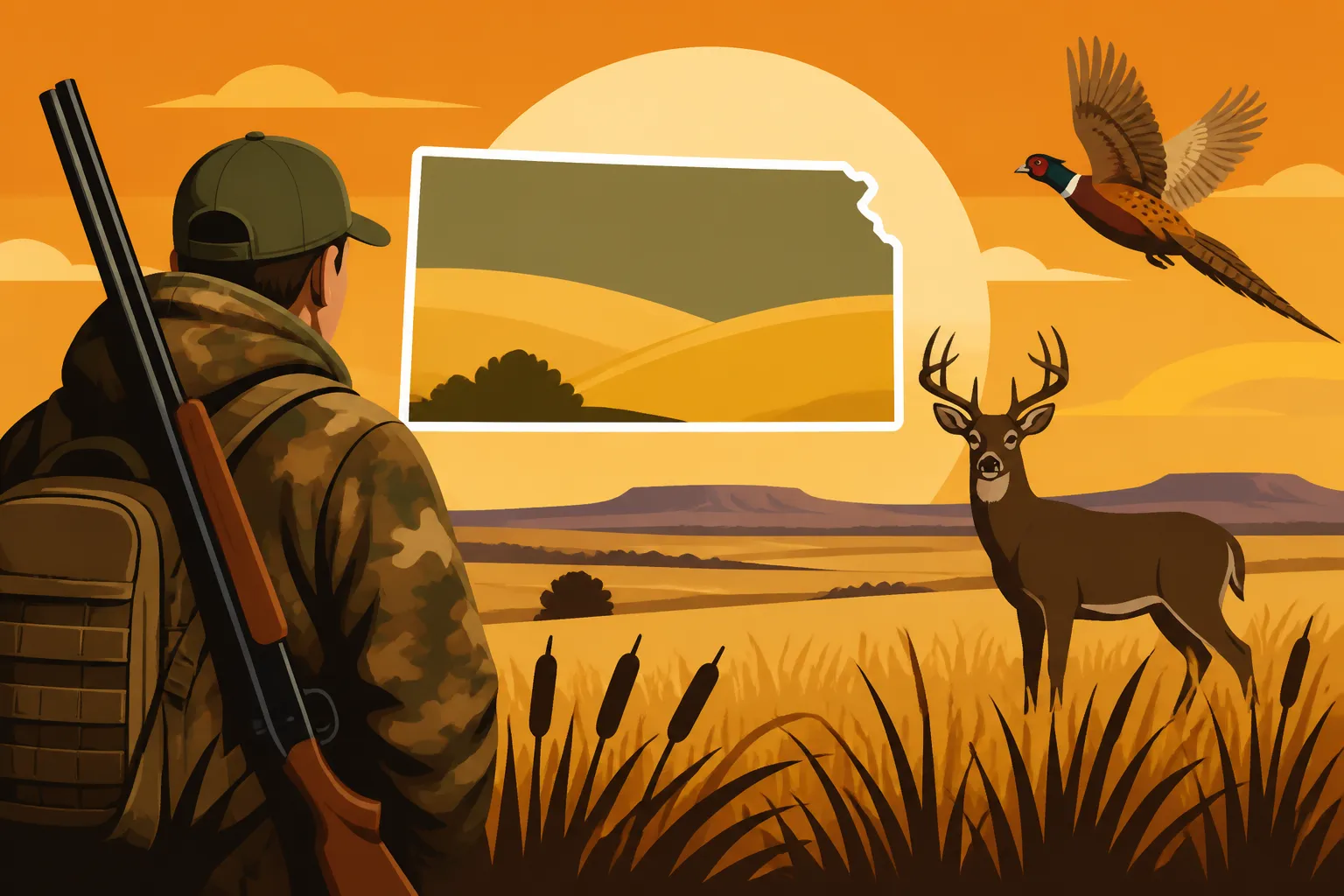
Lovewell Wildlife Area, affectionately known as "Lovewell" by many, is a shining example of public land opportunity in a state often dominated by private acreage. It’s not just a patch of woods; it's a tapestry of different habitats designed to support a wide array of game species, making it a truly versatile hunting destination. For anyone feeling the pinch of limited access, this area offers a refreshing expanse where you can truly stretch your legs and pursue multiple hunting interests throughout the year.
Geographic Location and Key Features
Nestled in north-central Kansas, primarily in Republic County, Lovewell Wildlife Area surrounds Lovewell Reservoir. This strategic location places it right in the heart of diverse agricultural country, which means a fantastic blend of habitat types that are critical for wildlife. When you look at an aerial map, you'll immediately notice the mosaic: large blocks of mature timber, often following the winding creek bottoms that feed into the reservoir; vast expanses of native grasslands and managed CRP (Conservation Reserve Program) fields; and the ever-present agricultural crop fields, like milo and corn, that buffer the wildlife area.
The reservoir itself is a massive draw, not just for waterfowl, but also for deer that use its edges for cover and travel. These various cover types aren't just pretty to look at; they create crucial edges and transition zones that deer, turkeys, pheasants, and quail rely on. The timber provides bedding and sanctuary, the grasslands offer nesting and foraging, and the crop fields are an undeniable food source that keeps animals in the area. Understanding this interplay of habitats is your first step to unlocking Lovewell's potential.
Primary Game Species You Can Pursue
One of the most appealing aspects of Lovewell Wildlife Area is the sheer diversity of game it supports. This isn't a one-trick pony; you can seriously diversify your hunting season here.
Whitetail Deer: Lovewell holds a healthy population of whitetail deer. The mix of dense timber, especially along the draws and reservoir edges, combined with the surrounding agricultural fields, creates an ideal environment. Bucks use these timber strips as travel corridors between bedding areas and food sources, particularly during the rut. The grasslands offer excellent bedding cover, especially for does and fawns. Hunters often find success keying in on these transition zones and understanding how deer move between cover and food. For more about deer in the state, see Kansas Whitetail Deer and Why They Grow Big.
Upland Birds: If you’re a fan of flushing birds, Lovewell offers great opportunities for both pheasant and bobwhite quail. The managed grasslands, often interspersed with plum thickets and brushy draws, provide classic upland habitat. Pheasants tend to gravitate towards the denser cover along field edges and creek bottoms, while quail prefer the more open, brushy pockets. Upland Bird Hunting Kansas Grass and Milo Edges can provide valuable insights for working these areas.
Wild Turkeys: Both spring and fall turkey seasons can be productive at Lovewell. The mature timber along the reservoir and creeks offers excellent roosting sites. Turkeys will often feed in the open fields during the day, using the timber for escape cover and to put themselves to bed at night. Understanding their daily patterns between roosting, feeding, and strutting areas is key. If you're planning a spring hunt, check out Kansas Turkey Hunting Tactics for Spring Gobblers.
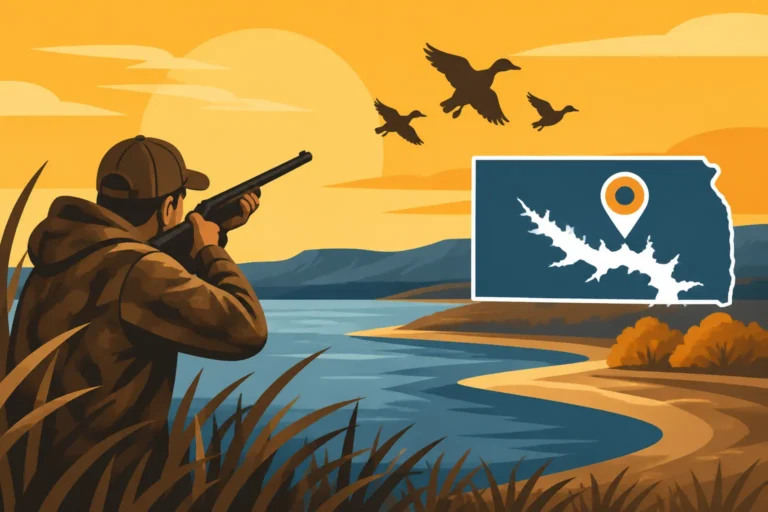
Waterfowl: The reservoir itself, along with any associated wetlands or flooded timber, makes Lovewell a prime spot for waterfowl hunters. During migration, ducks and geese utilize the expansive water for resting and feeding. Access to the water can vary, and setting up decoys or utilizing natural cover are common tactics. For those specifically targeting ducks on big water, Waterfowl Hunting Kansas Reservoirs and Playas offers a lot of useful information.
This multi-species potential is what makes Lovewell such a gem; it truly allows you to adapt your hunting strategy to the season and your personal preferences.
Navigating Access Points and Regulations at Lovewell
Finding a public hunting spot is one thing; actually getting onto it and knowing the rules is another. Lovewell Wildlife Area, like all public lands managed by the Kansas Department of Wildlife & Parks (KDWP), has specific access points and regulations that you absolutely need to be aware of. Showing up prepared, rather than hoping for the best, can make or break your hunt and save you from a potential headache.
Entry Points and Parking Considerations
Accessing Lovewell Wildlife Area typically involves driving county roads that border or cut through the property. The KDWP does a decent job of marking designated public access points, often with small brown signs indicating "Wildlife Area" or "Public Access." These points usually lead to gravel parking lots or roadside pull-offs where you can safely leave your vehicle.
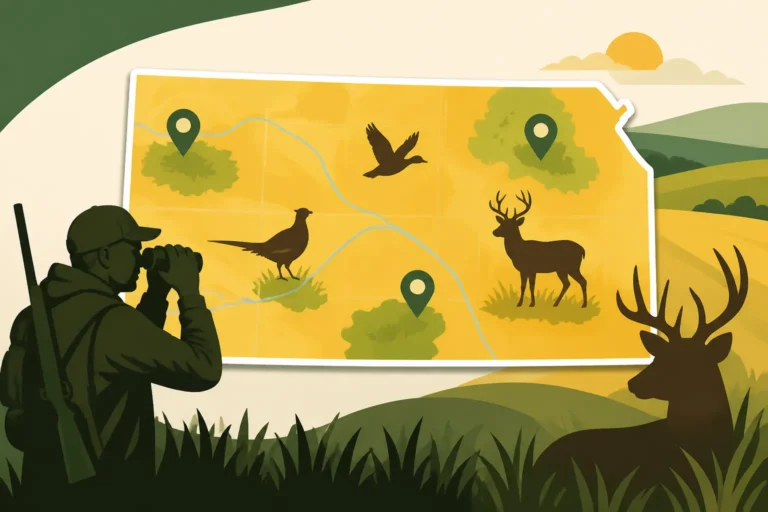
It’s crucial to use these designated access points to avoid trespassing on private land, which can sometimes be intermingled with public tracts, or blocking private drives. Before you even leave home, I highly recommend using a mapping application like onX Hunt. This app is a game-changer for public land hunters, as it clearly delineates public and private boundaries, often showing specific access points and parking areas. You can scout from home, marking potential entry points and routes into the property. The official The Kansas Online Hunting Atlas from KDWP is another essential tool; it's free and provides detailed maps of all public lands, including Lovewell, often showing parking spots and specific boundaries.
Once you’ve parked, remember that many public areas require you to walk in. This means being prepared to carry all your gear, especially if you're venturing deep into the timber or across large grasslands. Consider a game cart if you anticipate a long haul with a harvested animal. Getting a Deer Out of a River Bottom Alone provides some excellent tips for heavy lifting in tough terrain.
Specific Regulations and Permitting for Lovewell
Hunting Lovewell Wildlife Area, like any KDWP managed land, falls under the general statewide hunting regulations, but it might also have some specific rules unique to the area. Always, always check the current KDWP Hunting and Trapping Regulations Summary before your trip. This document is your bible for legal hunting in Kansas.
Here are some common regulations to keep in mind, and always verify what applies directly to Lovewell:
- Licensing and Permits: You'll need a valid Kansas hunting license and the appropriate deer, turkey, or game bird permit for the season you're hunting. Non-residents, in particular, need to understand the draw process for deer.
- Tree Stands and Blinds: General rules for public land usually apply. This means no damaging trees, and often, screw-in steps are prohibited. Portable stands and ground blinds are generally allowed, but they must be removed daily or adhere to specific guidelines regarding overnight storage. Always double-check Portable Stand Rules on Kansas Public Land and Overnight Stand Storage on Public Ground for the most up-to-date information. Leaving a stand up for an extended period can be tempting, but it can also lead to it being stolen or you getting a ticket.
- Vehicles: Motorized vehicles are typically restricted to designated roads and parking areas. Off-road vehicle use is almost universally prohibited to protect habitat and prevent disturbance.
- Camping: Check if camping is allowed and if there are designated areas or restrictions. Many wildlife areas do not permit overnight camping.
- Baiting/Feeding: Baiting deer or other game is generally illegal on public lands in Kansas. This includes mineral blocks or feeders.
- Special Zones: Some wildlife areas might have specific zones that are off-limits, designated as refuges, or have specific weapon restrictions (e.g., archery only in certain areas). Pay close attention to any signage on the ground.
- Waterfowl Blinds: If hunting waterfowl, there may be specific rules regarding permanent blinds, temporary blinds, or blind drawing systems.
It’s also important to remember that KDWP regulations can change, so a quick check on their official website or a call to the local office is never a bad idea, especially before heading out for a new season. Your investment in understanding these rules protects both you and the resource.
Strategies for Hunting Lovewell's Diverse Habitats
Lovewell Wildlife Area isn't a place where a "one size fits all" hunting strategy will yield consistent success. Its diverse habitat, from thick timber to open grasslands and crop fields, demands a flexible and informed approach. The beauty of this area is that you can adapt your tactics based on the season, the weather, and the specific game you're after.
Deer Hunting in Lovewell's Timber and Crop Edges
For many, Lovewell's deer hunting potential is the main draw. Whitetails here are masters of using the available cover, making the transition areas between different habitat types prime hunting grounds.
Focus on Funnels and Edges: The timbered creek bottoms that snake their way to the reservoir are natural travel corridors. Look for pinch points where deer are funneled through smaller strips of woods, or where thick cover meets an open field. These areas are excellent for setting up a stand or blind. Deer will often skirt the edges of crop fields at dawn and dusk, moving from bedding cover in the timber or dense grasslands to feed. Hunting Inside Corners of Crop Fields highlights how deer often use these less obvious edges.
Scouting is Key: Before you even think about setting up, put in the legwork. Scout for fresh deer sign: rubs, scrapes, well-worn trails, and droppings. Use your mapping app (like onX Hunt) to identify potential bedding areas (dense cedar thickets or thick timber blocks) and major food sources (standing corn, milo stubble, or even native browse). Then, connect the dots by finding the trails that link them. For early season, consider areas near water sources, as deer in Kansas heat can be very dependent on ponds or creeks. Reading a Kansas Creek Bottom for Deer Sign offers invaluable advice for interpreting what you find.
Wind Direction is Paramount: Like all deer hunting, playing the wind is critical. Given Lovewell's mix of open fields and timber, thermals can be tricky, especially in the creek bottoms. Always plan your approach and stand location so your scent is carried away from where you expect deer to approach. A common mistake is getting busted on the way in or out; review Access Routes That Do Not Bump Deer to refine your entry and exit strategies.
Upland Bird and Waterfowl Opportunities
Lovewell isn't just about big game; it offers fantastic wing shooting too, especially if you’re willing to cover some ground.
Working Grasslands for Pheasant and Quail: The vast grasslands, both native and managed, are where you’ll find pheasants and quail. When hunting upland birds without a dog, strategy becomes even more important. Focus on walking the edges of different cover types – where tall grass meets crop fields, where plum thickets border CRP, or along the edges of timber. Birds often hold tight in these transition zones. Working Pheasant Fields Without a Dog and Dogless Quail Hunting Tactics provide practical tips for maximizing your chances. Walk slowly, pause frequently, and be ready for a sudden flush. Pay close attention to food sources within or bordering the grass, such as patches of ragweed or milo stubble.
Waterfowl Hunting the Reservoir and Wetlands: Lovewell Reservoir attracts a variety of waterfowl during migration. Successful waterfowl hunting here often depends on scouting, good decoy spreads, and understanding duck and goose behavior. Look for areas where birds are actively feeding or resting. Shallow coves, points, or marshy areas adjacent to the main lake are often productive. Depending on regulations, you might use a portable blind, natural cover, or a boat blind. Remember, patience and proper concealment are vital. Learning to Reading a Kansas Wind for Waterfowl can significantly improve your setup.
It's clear that with a little effort and knowledge of these varied habitats, Lovewell Wildlife Area can provide a rich and rewarding hunting experience for any enthusiast.
Tools and Resources for Planning Your Lovewell Hunt
Successfully hunting any public land, especially a dynamic area like Lovewell Wildlife Area, comes down to preparation. In today's world, we have incredible tools at our fingertips that can drastically improve our scouting efficiency and overall hunt success. Don't leave home without leveraging these resources.
Utilizing Digital Mapping Tools
Gone are the days of relying solely on paper maps that might be out of date or lack the granular detail you need. Digital mapping applications are an absolute necessity for hunting Lovewell.
onX Hunt: This app is, without a doubt, a game-changer. It displays public and private land boundaries with incredible accuracy, which is invaluable when hunting areas where property lines can be intricate. For Lovewell, onX Hunt allows you to:
- Identify every access road and parking area.
- Clearly see the boundaries of the wildlife area and distinguish it from surrounding private land.
- Layer satellite imagery, topographic maps, and even specific habitat data to understand the terrain.
- Mark waypoints for potential stand sites, bedding areas, food sources, or even where you parked your truck.
- Track your movement as you scout or hunt, ensuring you stay on public land.
- Plan your E-Scouting Kansas Farm Country From Home strategy, identifying prime areas before you ever set foot on the ground.
Taking the time to learn how to use onX Hunt effectively will pay dividends, helping you maximize your time in the field and avoid unfortunate encounters due to accidental trespass.
GoHunt: While onX Hunt is superb for in-the-field navigation and detailed scouting, GoHunt offers a broader perspective, particularly useful for non-residents or those planning complex hunts involving draws. It provides data and insights that can help inform your overall strategy for hunting in Kansas, including draw odds, harvest reports, and general information about units. While it might not give you the hyper-specific access details for Lovewell that onX Hunt does, it's a powerful tool for big-picture planning and understanding the bigger hunting landscape within Kansas.
Consulting KDWP Resources and Local Knowledge
While digital tools are fantastic, they should always be complemented by official sources and, if possible, local insights.
Kansas Department of Wildlife & Parks (KDWP) Website: The KDWP website is the ultimate authority for all hunting regulations, season dates, and public land information.
- Hunting Atlas: The Kansas Online Hunting Atlas mentioned earlier is available as a free download or online viewer and provides official KDWP maps for Lovewell, showing legal boundaries, parking, and often habitat types.
- Regulations Summary: Always download and review the current year's hunting and trapping regulations summary. This will confirm any specific rules pertaining to Lovewell Wildlife Area, such as special closures, usage restrictions, or permit requirements.
- Harvest Reports: KDWP also publishes annual harvest reports which can give you an idea of overall success rates and species populations in the area or nearby units. Reading these can give you a realistic expectation of what to expect.
Seeking Local Knowledge: If you have the opportunity, striking up a conversation with locals can sometimes provide invaluable, real-time information. This could be a clerk at a local gas station, a diner owner, or another hunter you meet. They might offer insights into current conditions, recent game movement, or particularly productive (or unproductive) areas. Just remember to be respectful and don't expect them to reveal their secret spots! Sometimes, just knowing which parts of the area get the most Hunting Pressure Patterns on Kansas Public Land can help you plan to avoid crowds and find quieter spots.
By combining the power of digital mapping with official resources and a bit of local interaction, you'll be well-equipped to make your Lovewell Wildlife Area hunting experience both successful and enjoyable.
| Game Species | Primary Habitat Type | Common Hunting Method | Season Focus |
|---|---|---|---|
| Whitetail Deer | Timber, Crop Edges, Dense Grasslands | Stand/Blind, Spot & Stalk | Fall |
| Wild Turkey | Timber, Open Fields | Calling, Roosting | Spring/Fall |
| Ring-necked Pheasant | Grasslands, Milo Stubble, Brushy Draws | Walking, Blocking | Fall |
| Bobwhite Quail | Plum Thickets, Brush Pockets, Grasslands | Walking, Dogless Tactics | Fall |
| Waterfowl | Reservoir, Wetlands, Crop Fields | Decoying, Jump Shooting | Fall/Winter |
Disclaimer
This article is for general informational purposes only and does not constitute professional advice. Laws, prices and regulations vary by location and change over time. Consult a qualified professional for guidance on your specific situation.