Pheasant Hunting the Cimarron Grassland
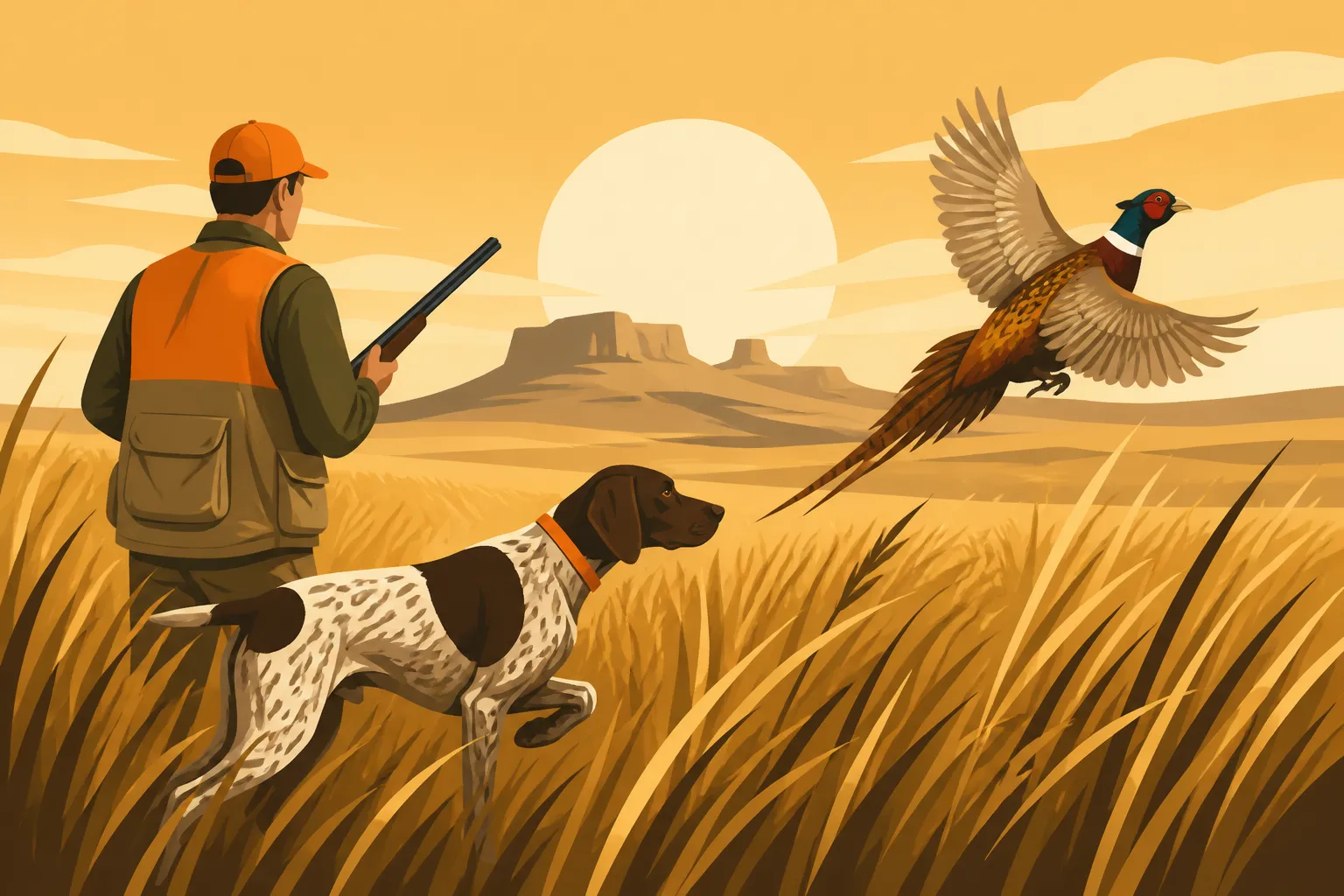
For many hunters, the image of pheasant hunting immediately brings to mind rolling fields of milo and corn stubble, tight-working bird dogs, and explosive flushes in agricultural belts. But what happens when you venture out of the traditional farm country and into the immense, seemingly endless expanse of the Cimarron National Grassland in far southwestern Kansas? This guide will dive deep into the unique challenges and incredible rewards of chasing ringnecks in this vast, often misunderstood public hunting gem, helping you develop the strategies you'll need to fill your vest.
Understanding the Cimarron National Grassland Pheasant Habitat
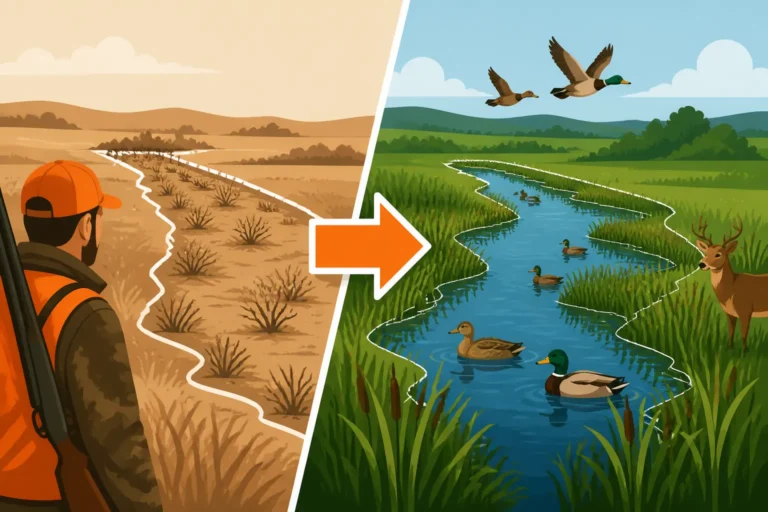
The Cimarron National Grassland isn't your typical Kansas pheasant country. Forget about endless rows of standing corn or milo; here, you're dealing with a landscape dominated by shortgrass prairie, sagebrush, yucca plants, and sandy soils. This unique environment requires a shift in perspective and tactics if you want to find success. It's a place where pheasants still thrive, but they do it on their own terms, utilizing the subtle nuances of the terrain for cover and sustenance.
The Landscape and Its Cover
The Cimarron is defined by its open, rolling plains, but don't let the "grassland" name fool you into thinking it's featureless. Pheasants here rely heavily on subtle breaks in the terrain and dense pockets of vegetation that offer refuge from predators and harsh weather. You'll find birds hunkering down in the bottom of dry creek beds, thick stands of yucca, or even small, dense clusters of plum thickets that dot the landscape. These areas, though often few and far between, are absolutely critical pheasant magnets. They provide the necessary escape cover and thermal protection that pheasants need to survive in this arid, windswept environment.
Understanding this means you can't just walk in straight lines across the prairie hoping to stumble upon birds. Instead, you need to "read" the ground, looking for those darker green patches, the slight depressions, or the areas where the grass grows a little taller and thicker. These are the spots where pheasants will concentrate, often holding tight until you're right on top of them. It's a game of observation and patience, rather than simply covering miles.
Water Sources and Food Scarcity
Unlike the central and eastern parts of Kansas, where natural water sources and irrigated crops are more abundant, the Cimarron can be incredibly dry. This scarcity of reliable water and widespread agricultural food plots significantly impacts pheasant distribution. Birds aren't going to be spread out evenly across thousands of acres; they're going to gravitate towards areas that offer even a hint of moisture or a sporadic, natural food source.
You might find pheasants concentrated near seasonal playas (dry lakebeds that hold water after significant rain) or around isolated springs if you're lucky enough to locate them. Native seeds and insects form a large part of their diet here, so understanding the natural forage available in different micro-habitats can give you an edge. Without the consistent allure of harvested crop fields, pheasants on the Cimarron are wilder, more wary, and much more attuned to the subtle shifts in their environment. This makes them a challenging but incredibly rewarding bird to pursue.
Pheasant Density and Distribution
One of the biggest misconceptions about hunting the Cimarron is expecting high pheasant densities similar to a prime agricultural county. The reality is that pheasants are much more scattered across the grassland. You might walk for a significant period without seeing a bird, only to flush a small covey from an unexpected yucca patch. This isn't necessarily a sign of low bird numbers overall, but rather a reflection of how pheasants distribute themselves in such vast, open country.
Their distribution is intrinsically tied to the availability of escape cover and food, which, as discussed, tends to be concentrated in specific, often isolated pockets. This means your hunting strategy must adapt. Instead of pushing birds from one field to another, you'll be systematically working promising patches of cover, then moving on to the next. It’s less about continuous flushing action and more about strategic prospecting. This type of hunting requires stamina, persistence, and an appreciation for the vastness of the landscape. It also means that when you do get a flush, you truly appreciate the wildness of the bird and the effort it took to find it.
Effective Tactics for Cimarron Pheasants
Hunting pheasants on the Cimarron National Grassland demands a different approach than what you might be accustomed to in more traditional pheasant country. The wide-open spaces, limited dense cover, and often sparse bird distribution mean you need to be smart, efficient, and adaptable. Whether you're hunting with or without a dog, employing the right tactics can dramatically increase your chances of success.
Dogless Hunting Strategies
Hunting pheasants on the Cimarron without a dog is absolutely doable, but it requires a methodical and patient approach. This isn't the place for fast, wide sweeps; you need to slow down and cover promising ground thoroughly. Think of yourself as a detective, carefully searching for clues.
Start by targeting those micro-habitats mentioned earlier: the deep draws, the thickest yucca patches, plum thickets, and any areas with slightly denser or taller vegetation. Walk these areas slowly, pausing frequently. Pheasants in open country often hold incredibly tight, relying on their camouflage to avoid detection. A sudden pause in your cadence can sometimes make a nervous bird decide to flush. When approaching a thicket or draw, always consider your exit strategy and where a bird might try to escape. If possible, hunt with a partner, positioning one person to block potential escape routes while the other pushes through the cover. Remember, Working Pheasant Fields Without a Dog often means being more strategic about how you cover ground, especially when every flush is hard-earned.
Hunting with Dogs
For many, hunting upland birds without a good dog feels like an incomplete experience, and a canine companion can be an invaluable asset on the Cimarron. However, the conditions here present unique challenges for even the most experienced dogs. The dry, often sandy ground, coupled with the sparse distribution of birds, can make scenting difficult.
If you're bringing a pointer, they'll need to be wide-ranging and cover a lot of ground efficiently, but also be responsive enough to bring back in when a promising patch of cover is found. Flushers, like Springer Spaniels or Labs, need to work close and diligently, busting through the thick yucca and brush where birds might be hiding. Hydration is paramount for your dog; carry plenty of water and offer it frequently. The expansive nature of the grassland means a lost dog can quickly become a serious problem. Utilize tools like onX Hunt to mark your vehicle's location and track your path, making it easier to navigate back if your dog ranges too far. It's tough work for a dog, but a solid retrieve after a long run makes it all worthwhile.
Utilizing Terrain Features
The seemingly flat expanses of the Cimarron actually hold numerous subtle terrain features that pheasants exploit, and you should too. These features act as natural travel corridors, bedding areas, and escape routes. Dry washes and creek bottoms, even if they only have a foot or two of elevation change, provide crucial cover and often hold denser vegetation. Walking these draws, especially into the wind, can often lead to flushes.
Look for areas where the grassland transitions to a different type of vegetation, such as a slight rise covered in thicker sagebrush or a string of plum thickets along an old fence line. These "edges" are prime locations. Even isolated clumps of yucca, especially large, old ones, can hold pheasants that sit incredibly tight. Imagine how a pheasant would use the land to minimize its exposure, and then hunt those spots. It's less about chasing birds across open fields and more about systematically picking apart the landscape, knowing that even the smallest feature can hold a ringneck. Consider how Terrain Funnels That Work Without Hills might apply, as subtle changes in elevation or vegetation can concentrate bird movement.
Essential Logistics for a Cimarron Pheasant Hunt
A successful pheasant hunt on the Cimarron National Grassland requires more than just good hunting skills; it demands careful planning and preparedness. This vast, remote area can be unforgiving if you're not ready for its unique conditions. From navigating public land boundaries to understanding local regulations and packing the right gear, having your logistics in order is key to a safe and productive trip.
Access and Navigation
The Cimarron National Grassland offers extensive public access, but knowing where you are and where you can go is absolutely critical. This isn't private land with clearly marked boundaries; it's a patchwork of federal ground that can sometimes border private holdings. Relying solely on paper maps can be challenging due to the sheer scale and lack of distinct landmarks.
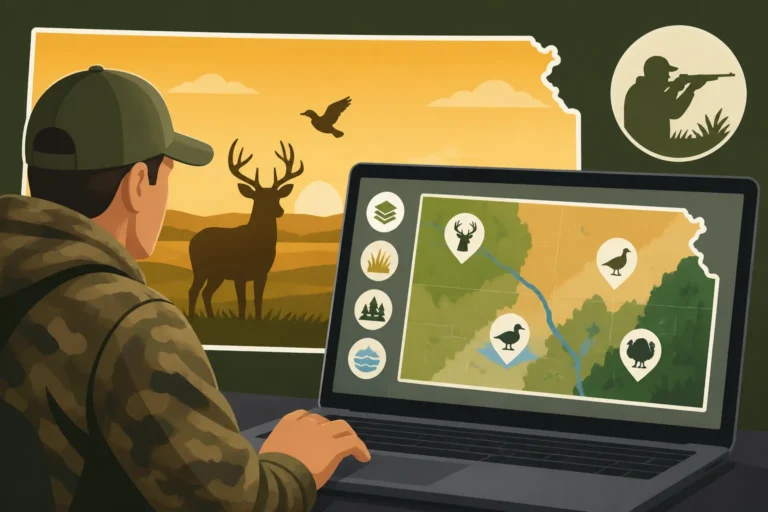
This is where a robust digital mapping tool becomes indispensable. An app like onX Hunt is an absolute game-changer. It allows you to clearly see public land boundaries, your current location relative to those boundaries, and even identify private land ownership. You can mark promising areas, potential water sources, and your vehicle's parking spot, ensuring you don't get lost or inadvertently trespass. Before you even set foot on the ground, spend time e-scouting with such an app to identify promising draws, dense cover, and access points. While GoHunt primarily focuses on big game draw odds and strategies, its general mapping and public land information can still be useful for initial reconnaissance of the area's layout, but onX Hunt is truly the king for real-time navigation in the field. Remember, checking the Kansas WIHA Atlas can also provide valuable information on additional walk-in access nearby, though the Cimarron is federal land, not WIHA.
Rules, Regulations, and Hunter Safety
Before heading out, make sure you're up-to-date on all Kansas hunting regulations, specifically those pertaining to upland birds and hunting on federal land. While federal lands generally follow state regulations, there might be specific rules unique to the Cimarron National Grassland or other federal properties. You'll need a valid Kansas hunting license, and a HIP (Harvest Information Program) stamp if required for migratory birds, though pheasants are resident game. Always check the current Kansas Pheasant Season Dates and the Kansas Pheasant Daily Bag Limit to avoid any issues.
Hunter orange is not just a recommendation; it's often a legal requirement during specific firearm seasons and is always a wise choice when hunting in open country where you might encounter other hunters. Even if not legally mandated for upland season, wearing plenty of visible orange is crucial for safety, especially if you're hunting with a party or if there are other hunters in the area. Reviewing Hunter Orange Rules During Firearm Season can give you an idea of the importance of visibility. Also, be aware of shared use of the grassland; you might encounter hikers, birdwatchers, or even cattle ranchers, so always be respectful and practice good stewardship.
Packing and Preparedness
The Cimarron National Grassland is vast and remote, with services often many miles away. Proper packing and preparedness are non-negotiable. First and foremost, water is critical for both you and any hunting dogs. Carry more than you think you'll need, and consider a water filtration system for emergencies. The weather in western Kansas can change rapidly, with sunny skies quickly giving way to strong winds, dust storms, or even sudden cold snaps. Dress in layers, and bring rain gear regardless of the forecast.
Your vehicle also needs to be ready. Roads can be sandy, rough, or muddy after rain, so a reliable 4×4 with good tires is highly recommended. Carry a spare tire, a jack, and basic tools. A full tank of gas is a must, as gas stations can be few and far between. Other essentials include a first-aid kit, a compass (and know how to use it, even with GPS), a headlamp, emergency snacks, and a fully charged cell phone (though service can be spotty). Let someone know your hunting plan, including where you're going and when you expect to return. Being prepared means you can focus on the hunt, not on potential disasters.
| Feature / Aspect | Cimarron National Grassland Pheasant Hunting | Traditional Kansas Farm Country Pheasant Hunting |
|---|---|---|
| Dominant Habitat | Shortgrass prairie, yucca, sagebrush, dry draws, plum thickets, sandy soils | Crop fields (milo, corn, wheat stubble), CRP grass, shelterbelts |
| Pheasant Density | Generally lower and more scattered | Higher, often concentrated around specific food/cover mixes |
| Hunting Pressure | Can be lighter due to vastness and perceived difficulty | Varies, but often higher, especially on public WIHA tracts |
| Typical Tactics | Slow, methodical walking of specific cover, utilizing subtle terrain breaks | Pushing long fields, blocking ends, hunting field edges |
| Dog Work | Challenging scenting conditions, requires wide-ranging & conditioned dogs | Generally good scenting, dogs work cover effectively |
| Key Challenges | Vastness, remote services, dry conditions, scattered birds, navigation | Hunter competition, access to private land, predictable bird patterns |
| Gear Emphasis | Navigation (onX Hunt), ample water, robust vehicle, layered clothing | Good boots, hunter orange, game vest |
Disclaimer
This article is for general informational purposes only and does not constitute professional advice. Laws, prices and regulations vary by location and change over time. Consult a qualified professional for guidance on your specific situation.