Mallards on Kansas Reservoirs
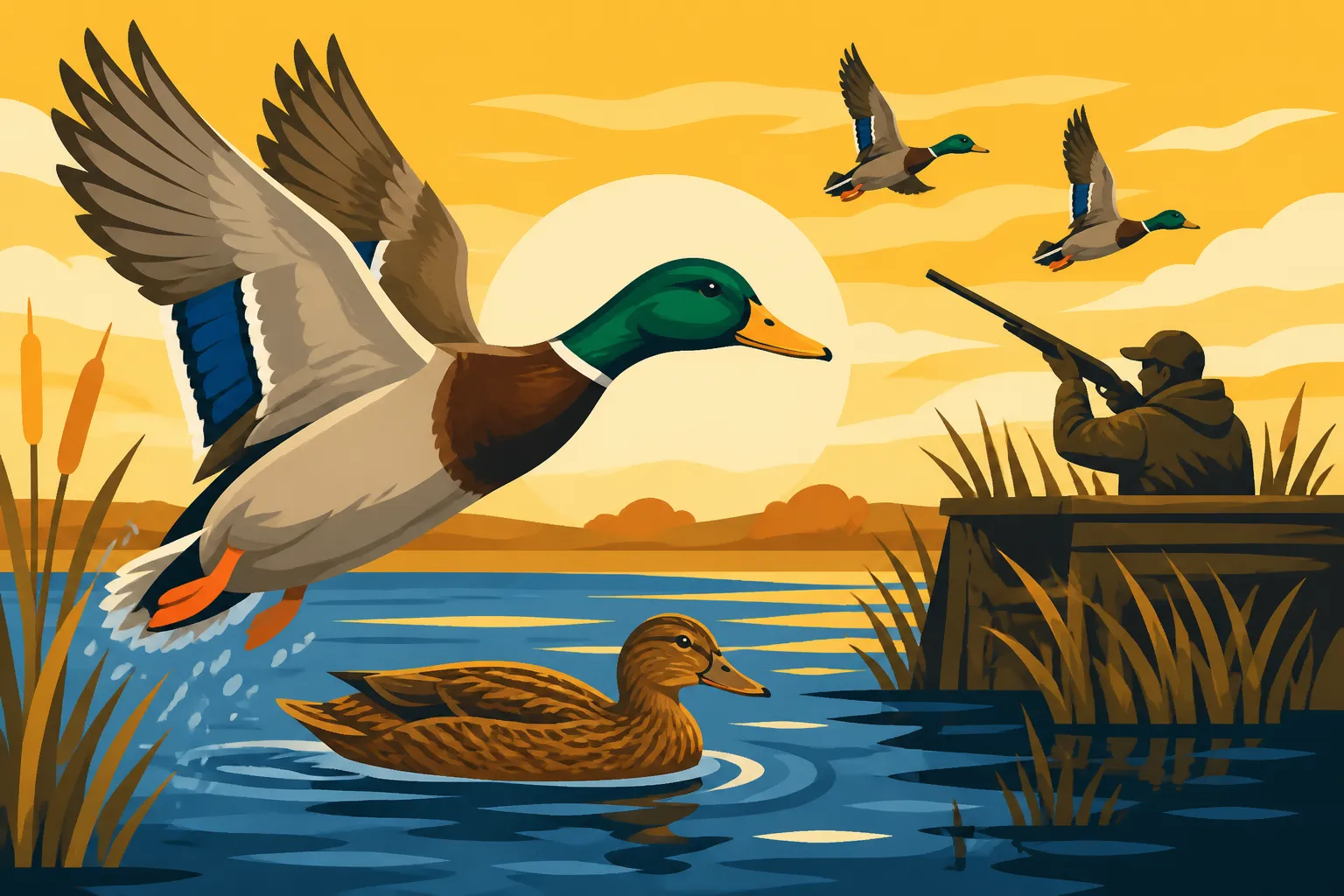
The sight of mallards cupped over decoys is a magic moment, but on Kansas's vast reservoirs, it often feels like hitting the lottery. Many hunters find themselves staring at endless expanses of water, wondering where the birds are hiding, or worse, watching them sail by a mile high. This guide is here to help you unravel the mysteries of mallard behavior on these big bodies of water, offering strategies to turn those frustrating moments into successful hunts.
Understanding Mallard Behavior on Kansas Reservoirs
Hunting mallards on Kansas reservoirs is a game of understanding their habits, especially how they interact with large water features. These aren't your typical timber hole ducks; reservoir birds have a different playbook.
Migration Patterns and Timing
Kansas sits smack in the middle of the Central Flyway, a superhighway for migratory waterfowl. For mallards, this means we see a steady progression of birds from early fall all the way through winter, depending on weather patterns to our north. Initially, you might see a trickle of early migrants as September gives way to October, often mixed with other puddle ducks. These early birds are usually less wary, taking advantage of abundant natural food sources and waste grain.
The real game changer, though, is the arrival of major cold fronts pushing down from the Dakotas and Nebraska. When ice starts forming up north and sustained freezing temperatures settle in, that's when you'll see large pushes of mallards seeking open water and available food in Kansas. November and early December are often prime times as the migration peaks. But it's not a one-time event; multiple waves of birds can come through, each offering new opportunities. Duck and Goose Migration Timing is a critical piece of the puzzle here, helping you anticipate these movements.
Food Sources and Roosting Habits
Mallards are creatures of habit, driven by two primary needs: food and safety. On Kansas reservoirs, their daily routine often involves feeding in agricultural fields and then retreating to the safety of open water or protected coves to rest and digest. They're opportunistic eaters, readily consuming waste grain like corn and milo, but they'll also dabble for seeds of aquatic plants and invertebrates in shallow areas.
Reservoirs, with their sheer size, offer incredible security. Ducks will use large, open water areas for loafing during the day, where they can see predators from a long distance. At night, they might move to more secluded, shallow mudflats or quiet coves to roost, feeling secure from land-based threats. This feed-to-roost pattern is predictable once you understand the local geography and available food sources. If there's standing corn or milo near a reservoir, especially after harvest, you can bet ducks will be hitting it.
Weather's Influence on Mallard Movement
Weather isn't just a factor; it's often the factor dictating mallard behavior on large reservoirs. Wind, temperature, and precipitation can drastically change where birds are and how accessible they are to hunters.
Strong north winds, particularly those accompanying a cold front, can concentrate birds. Instead of scattering across vast open water, they'll seek refuge in sheltered coves, river arms, or behind timber points that offer a break from the relentless breeze. These conditions can often push birds lower, making them more susceptible to well-placed decoys. Conversely, calm, bluebird days can make ducks extremely wary, leading them to stay high or raft up in the middle of the reservoir, far from shore. Freezing temperatures are another major driver. As smaller ponds and shallow areas freeze solid, mallards are forced onto the main bodies of reservoirs where deeper water often stays open longer. This can create incredible concentrations of birds, but also makes them highly visible and often harder to decoy. Pay close attention to how the wind lays over the water; understanding Reading a Kansas Wind for Waterfowl is absolutely essential.
Key Reservoir Features That Attract Mallards
Kansas reservoirs are immense, and trying to hunt the entire body of water is a fool's errand. The key to success lies in identifying the specific features within these reservoirs that consistently attract and hold mallards.
Shallow Flats and Mudflats
For mallards, shallow flats and exposed mudflats are like a five-star restaurant. These areas are rich in the seeds of aquatic plants and accessible invertebrates that ducks love to dabble for. The critical thing to remember is that water levels on Kansas reservoirs fluctuate constantly. A flat that was bone dry last week might be prime habitat after a heavy rain or a controlled release from the dam, and vice versa.
When water levels are dropping, expansive mudflats can be exposed, creating new feeding opportunities. Conversely, rising water can flood adjacent low-lying areas, providing fresh groceries. You'll often find birds working these areas, particularly in the morning and late afternoon, picking through the bottom for food. Scouting these areas, both in person and with aerial imagery, is vital. Mapping tools like GoHunt are incredibly useful here, allowing you to study contour lines and visualize how changes in water depth might affect these critical feeding zones. Look for subtle changes in bottom composition or submerged vegetation that indicate shallower water.
River and Creek Arms
The arms of Kansas reservoirs, where rivers and creeks feed into the main body, are often overlooked gems for mallard hunting. These areas typically offer shallower, quieter water than the main lake, providing a more intimate and less intimidating environment for ducks. They also act as natural funnels, concentrating bird movement as ducks travel between feeding areas and the main body of water.
These arms can hold standing timber, submerged brush, or slow-moving current that provides both food and cover. The transition zone where the flowing water meets the still reservoir can be particularly productive. Ducks will often follow these natural corridors, making them excellent spots to intercept birds. These areas also tend to warm up or cool down at different rates than the main lake, which can influence where ducks prefer to be depending on the weather. Understanding Scouting Kansas River Bottoms and Creek Draws is invaluable, as many of the same principles apply even when these draws are flooded by reservoir waters.
Sheltered Coves and Timber Points
Mallards, especially when pressured or during harsh weather, crave shelter. Sheltered coves and points of timber or brush extending into the water offer critical protection from strong winds and a sense of security from predators. On a blustery day, you'll often find ducks tucked into a lee shore, out of the direct blast of the wind.
Timber points or islands within the reservoir can also serve as key loafing or roosting areas. The vertical structure of trees offers ducks a sense of overhead protection, and the branches provide perching spots for observation. These spots can be particularly effective during midday, when ducks are less actively feeding and more interested in resting. Identifying these protected zones on a map, especially those with good overhead cover or dense shoreline vegetation, should be a priority during your scouting efforts.
Tactics for Hunting Mallards on Kansas Reservoirs
Hunting mallards on big water requires a different mindset than hunting small potholes. It's about combining diligent scouting, strategic setup, and effective communication to outsmart these often-wary birds.
Scouting and E-Scouting Essentials
You simply cannot overstate the importance of scouting for reservoir mallards. Driving around looking for birds the morning of the hunt is a recipe for disappointment. Instead, dedicate time before the season, and certainly before each hunt, to understand current conditions and bird movements.
Start with e-scouting from home. Utilize mapping applications that show detailed topography, satellite imagery, and public land boundaries. Pay attention to contour lines to identify shallow flats and drop-offs. Look for patterns in agricultural fields bordering the reservoir, noting any standing crops or areas with heavy waste grain. GoHunt's mapping layers, for instance, can be invaluable for pinpointing public access points, identifying property lines, and even overlaying historical weather data that might influence migration. Once you have a few promising spots, it's time for boots on the ground (or waders in the water). Drive around, observe from a distance with binoculars, and identify entry and exit points for birds. Note where they're feeding, where they're roosting, and what routes they take between the two. Scouting Kansas Walk-In Tracts Before the Opener provides a great framework for this kind of reconnaissance, even if it's not strictly WIHA ground.
Decoy Spreads and Placement
Decoys are your primary tool for convincing high-flying mallards to commit. On big water, the general rule is more is better, but strategic placement trumps sheer numbers every time. A dozen well-placed decoys can often out-perform fifty poorly deployed ones.
Think about what a flock of resting mallards looks like on the water. They're usually clustered, but with distinct open zones for landing. A classic "J" or "U" spread, with the open end facing into the wind, provides a clear landing strip. Incorporate motion decoys, like spinning wing decoys or jerk strings, to add realism and attract attention from a distance. Confidence decoys, such as a few goose floaters or coots, can also help convince wary mallards that the area is safe. For reservoir hunting, especially if you're targeting shallow flats, consider a mix of full-body and shell decoys to create varying profiles. If the ducks are landing short, move your decoys closer to your blind. If they're flaring wide, extend your spread. A deeper dive into Decoying Ducks on a Kansas Reservoir will give you even more specialized techniques for this environment.
Blind Concealment and Calling
On large, open reservoirs, mallards have exceptional visibility, making blind concealment absolutely critical. You can have the perfect decoy spread, but if your blind sticks out like a sore thumb, the birds will flare every time.
Natural blinds, built into existing shoreline vegetation, are often the most effective. If you're using a portable blind or layout blind, make sure it's meticulously brushed in with local vegetation. This means not just throwing a few reeds on top, but truly integrating it into the environment so it disappears. Pay attention to your sky profile; a blind that looks flat from the side might be silhouetted against the sky from a duck's perspective. For calling, remember that less is often more on pressured reservoir birds. While a loud hail call can grab attention from a distance, don't overdo it. Focus on realistic feed calls, contented clucks, and soft quacks as birds get closer. Know when to lay off the call entirely and let your decoys do the work. The goal is to sound natural and inviting, not like an excited amateur.
Navigating Challenges and Maximizing Success
Kansas reservoirs present unique challenges for mallard hunters, from intense hunting pressure to unpredictable water levels. Understanding these hurdles and having a plan to overcome them is key to consistent success.
Hunting Pressure and Public Access
It's no secret that public hunting land, especially popular reservoirs, sees a good deal of pressure. Mallards learn quickly. After opening weekend, birds that were easily fooled become incredibly wary, often rafting up in the middle of the lake or flying impossibly high.
To combat pressure, consider hunting mid-week when fewer people are out, or focus on areas that are difficult to access. This might mean a longer walk, paddling a canoe or kayak into a secluded cove, or navigating tricky terrain. The more effort it takes to get to a spot, the less likely it is to be pressured. Utilize mapping tools like GoHunt to identify smaller, lesser-known public tracts around reservoirs, or sections of Public Hunting Land in Kansas that might be overlooked. Understanding that ducks will adapt to pressure means you have to adapt too, constantly changing your approach and finding those overlooked sanctuaries. Always be aware of the rules governing Kansas Reservoirs and Corps of Engineers Land as access can vary.
Water Levels and Accessibility
Kansas reservoirs are managed bodies of water, which means their levels can change dramatically due to rainfall, drought, or operational needs. What was a perfect hunting spot last week might be bone dry or too deep to wade this week. This constant flux is one of the biggest frustrations for reservoir duck hunters.
Before every hunt, check current water level reports for your target reservoir. This information is often available through state or federal agencies managing the lakes. Understanding these trends will help you anticipate which shallow flats might be exposed or which timber patches might be flooded, creating new opportunities. Fluctuating levels also impact accessibility. Low water might expose mudflats perfect for wading, but also make boat ramps unusable. High water might allow you to access flooded timber but could also push birds out of traditional shallow spots. Be prepared with appropriate gear, whether that's long waders, a mud motor, or a stable boat.
Legalities and Regulations
Navigating the legal landscape for waterfowl hunting in Kansas is paramount. Ignoring regulations can quickly turn a good day into a costly mistake. It's your responsibility to know and abide by all state and federal laws.
First and foremost, ensure you have all the necessary licenses and stamps. This includes a valid Kansas hunting license, a state duck stamp, and a federal duck stamp. You'll also need to be HIP (Harvest Information Program) registered. These are mandatory for anyone hunting migratory waterfowl. Kansas Duck Stamp Requirements and Kansas Hunter Education and Licensing Basics provide comprehensive details. Additionally, specific reservoirs or public wildlife areas might have their own localized rules regarding hunting hours, firearm restrictions, boat access, or blind construction. Always consult the current Kansas hunting regulations summary, available from the Kansas Department of Wildlife and Parks. Before heading out, a quick check of the regulations for your specific hunting area can prevent any unforeseen issues and ensure you have a legal and enjoyable hunt.
Disclaimer
This article is for general informational purposes only and does not constitute professional advice. Laws, prices and regulations vary by location and change over time. Consult a qualified professional for guidance on your specific situation.