Flint Hills Burning and Prairie Chickens
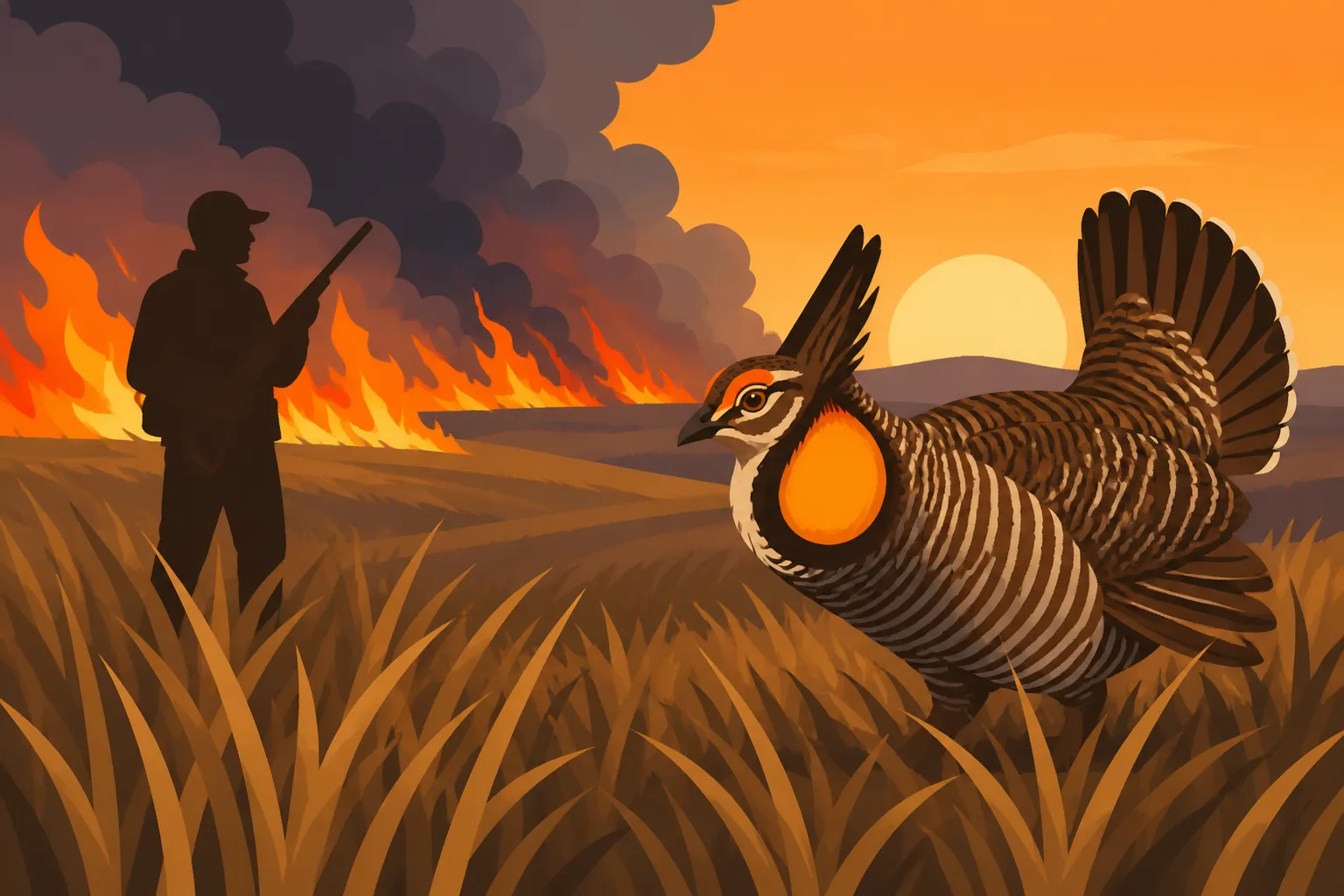
For anyone who's spent time in the Flint Hills of Kansas, the sight of a prescribed burn is a familiar one. It's an annual ritual, a vast expanse of smoke and flame that can be both mesmerizing and a little unsettling. While these fires are essential for maintaining the health of the tallgrass prairie for cattle, they also stir up a lot of questions for hunters and conservationists about their impact on iconic species like the greater prairie chicken. It's a complex dance between tradition, agriculture, and wildlife needs, and understanding it is key to appreciating this unique ecosystem and its feathered residents. This guide will explore the intricate relationship between Flint Hills burning practices and the survival and success of prairie chickens, helping you understand the nuances of this critical grassland management tool.
The Flint Hills: A Landscape Forged by Fire
The Flint Hills of eastern Kansas represent the largest remaining contiguous block of tallgrass prairie in North America. It's a truly special place, shaped over millennia by grazing bison and, crucially, by fire. Before European settlement, natural lightning strikes and intentional burns by Native Americans maintained the health and vigor of the prairie, preventing woody encroachment and promoting lush, new growth. Ranchers in the Flint Hills have continued this tradition, recognizing that burning is vital for their livelihood.
Historical Role of Fire in the Tallgrass Prairie
Historically, fire was a natural and frequent disturbance across the Great Plains. These fires, often large and intense, served several ecological purposes. They cleared out dead plant material, allowing sunlight to reach the soil and stimulating the growth of nutrient-rich new grasses. This fresh forage was crucial for grazing animals like bison. Fire also helped prevent trees and shrubs from taking over the grassland, keeping the prairie open and diverse. For species like prairie chickens, this open habitat was fundamental to their existence. They evolved with fire, adapting to its rhythms and relying on its effects to shape their environment. The timing and frequency, however, weren't always uniform, creating a mosaic of burned and unburned areas across the landscape.
Why Ranchers Continue to Burn
Today, ranchers conduct prescribed burns primarily to enhance the forage quality for their cattle. Burning at the right time, typically in late spring, removes the previous year's dead growth, controls undesirable broadleaf weeds, and promotes the growth of tender, palatable new grasses. This leads to healthier pastures and better weight gain for their livestock. Without fire, the tallgrass prairie would slowly transition into woody brushland, losing its value for grazing and dramatically altering the habitat for grassland wildlife. It's a powerful tool, economically driven, that helps keep the Flint Hills an open, productive grassland. For many, it's not just a management practice, it's a way of life that dates back generations, a direct continuation of a practice vital to the health of the land.
How Burning Affects Prairie Chicken Habitat
While fire is a natural component of the prairie ecosystem, the timing and extent of modern burning practices can have significant implications for prairie chickens. These birds require specific types of cover for nesting, brooding, and winter survival, and fire directly impacts the availability and quality of that cover. Understanding these effects is crucial for anyone interested in Greater Prairie Chickens of the Kansas Flint Hills.
Impact on Nesting and Brooding Cover
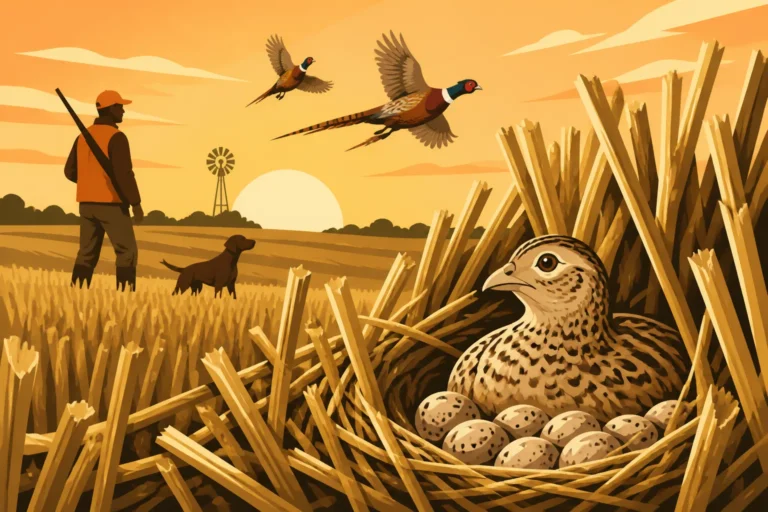
Prairie chickens are ground-nesting birds, and they need dense, residual grass from the previous year to hide their nests from predators and provide insulation for their eggs. When large tracts of prairie are burned annually in the spring, this crucial nesting cover is eliminated. Hens that attempt to nest in recently burned areas have very little concealment, making their nests highly vulnerable.
Imagine a hen meticulously choosing a spot in the tall, matted grass from last year, perfectly hidden. Now imagine that same area completely blackened by fire just weeks before she needs to lay her eggs. She's forced to find new, often less ideal, locations or delay nesting. Even if she finds an unburned patch, if it's small and isolated, it might attract predators. Young chicks also rely on dense grass with a good insect population for food and protection. Extensive, annual burning can reduce the insect availability in the immediate aftermath, impacting chick survival. Prairie Chicken Range and Leks often highlight areas with good unburned cover nearby.
Effects on Food Sources and Insect Populations
The direct effect of fire on insect populations is complex. While a burn can initially reduce insect numbers in the scorched area, the flush of new growth that follows can attract a new surge of insects, which are a vital food source for prairie chicken chicks. However, if burning is too widespread, or if cool-season grasses dominate due to fire management, the overall diversity and abundance of insects can suffer. Prairie chickens also feed on seeds and forbs, and fire can influence the composition of these plant communities.
A truly healthy prairie for chickens isn't just about grass; it's about a diverse array of forbs and insects that provide consistent nutrition throughout the year. If burning practices favor only one or two grass species, the broader ecosystem can become less resilient and less supportive of prairie chickens. GoHunt can be a valuable tool for understanding habitat composition and identifying diverse areas, even after burns.
Winter Cover and Roosting Sites
Winter is a tough time for prairie chickens in Kansas. They need thick, tall cover to protect them from harsh winds, snow, and avian predators. Unburned tallgrass prairie provides this essential thermal cover. Without it, prairie chickens are forced to spend more energy simply trying to stay warm, making them more susceptible to starvation or predation. They also utilize taller vegetation for roosting, a place of safety overnight. Large-scale, uniform burning leaves very little escape or thermal cover during the coldest months, potentially pushing birds out of traditionally used habitats. This is particularly true in areas with limited timber or brushy draws, which are already scarce in much of the Flint Hills.
Management Strategies for Prairie Chicken Conservation
Given the critical role of fire for prairie health and cattle production, managing the Flint Hills for both ranching and prairie chicken conservation requires a balanced and thoughtful approach. It’s about working with the land and the local communities, not against them. Conservation efforts increasingly focus on finding common ground and implementing strategies that benefit multiple stakeholders.
Patch Burning and Rotational Grazing
One of the most promising strategies for integrating prairie chicken conservation with ranching is "patch burning" or "heterogeneous burning." Instead of burning entire pastures every year, patch burning involves burning only a portion of a pasture, typically 20-30%, in a rotation. This creates a mosaic of habitats: recently burned areas with fresh, palatable growth for cattle, and unburned areas with residual cover for nesting prairie chickens and other wildlife.
Here's how it generally works:
| Year | Burned Area | Unburned Area (Residual Cover) | Benefit to Prairie Chickens |
|---|---|---|---|
| Year 1 | Patch A | Patch B, C, D | Abundant nesting/brooding cover in B, C, D; new food sources in A |
| Year 2 | Patch B | Patch A, C, D | Fresh nesting/brooding cover in A, C, D; varied insect life across patches |
| Year 3 | Patch C | Patch A, B, D | Continued diverse habitat structure; escape cover maintained |
| Year 4 | Patch D | Patch A, B, C | Ensures continuous availability of diverse cover types over time |
Cattle naturally concentrate their grazing efforts on the fresh growth in the recently burned patches, leaving the unburned areas to "rest" and accumulate dense cover. This provides critical nesting and escape cover for prairie chickens throughout the year, while still allowing ranchers to utilize fire for forage improvement. It’s a win-win, fostering a diverse habitat that mimics natural fire regimes more closely. This method is gaining traction because it aligns with ecological principles while still supporting agricultural goals.
Timing and Frequency of Burns
The timing and frequency of prescribed burns are perhaps the most critical factors for prairie chickens. Annual, widespread spring burns—which are common in traditional ranching—are detrimental because they remove all available nesting cover right before the breeding season.
Adjusting the timing to either fall or dormant-season burns (very early spring before nesting begins) or reducing the frequency of burns on specific tracts can make a huge difference. For example, burning a pasture only once every three to five years, rather than annually, allows multiple years of residual cover to accumulate. This provides robust nesting and winter cover, giving the birds a fighting chance. While traditional spring burns maximize cattle weight gain, a slightly altered schedule can provide enough benefit to wildlife without drastically hindering cattle operations. Farmers and ranchers using tools like GoHunt can often track burn histories, helping them make informed decisions on rotational burning strategies for specific parcels. Hunters also use these tools to find unburned patches of CRP Grass and Where Bucks Bed, which often correlates with good prairie chicken cover.
Establishing Unburned Refuges and Buffers
Creating permanent or long-term unburned refuges and buffer zones is another effective strategy. These areas, which might be less productive for cattle but critically important for wildlife, can be left unburned for extended periods. They serve as core nesting and survival areas, providing a consistent source of cover year after year, even if surrounding pastures are burned.
These refuges are especially important around known booming grounds or Prairie Chicken Leks where males gather to display. Maintaining good quality cover adjacent to these booming grounds ensures that hens have safe places to nest nearby. Similarly, leaving unburned strips along creek bottoms or field edges can create vital travel corridors and additional cover. These types of habitat enhancements require careful planning and often collaborative efforts between landowners, conservation organizations, and state agencies. Flint Hills Grassland Hunting Access on some public or privately-managed lands might already incorporate such refuges, providing great opportunities for hunters who understand their importance.
The Role of Conservation and Hunters
The future of prairie chickens in the Flint Hills depends heavily on ongoing conservation efforts and the willingness of all stakeholders, including hunters, to engage in thoughtful land stewardship. Hunters, in particular, have a vested interest in healthy wildlife populations and can be powerful advocates for conservation-minded land management.
Conservation Initiatives and Partnerships
Organizations like the Kansas Department of Wildlife, Parks and Tourism (KDWP) and various private conservation groups are actively working with landowners in the Flint Hills to implement prairie chicken-friendly burning practices. These initiatives often provide technical assistance, cost-share programs, and education to help ranchers adopt rotational grazing and patch burning strategies. Kansas Turkey Population Trends and Kansas Pheasant Population Cycles also benefit from similar habitat work.
These partnerships are vital because they bridge the gap between agricultural needs and conservation goals, demonstrating that productive ranching and thriving wildlife can coexist. It's about finding practical, economically viable solutions that benefit both the land and its inhabitants. GoHunt, with its mapping and landowner information features, can help conservationists and landowners identify suitable areas for these initiatives.
How Hunters Can Contribute to Prairie Chicken Conservation
Hunters can play a significant role in prairie chicken conservation beyond just purchasing their licenses.
First, by supporting conservation organizations that work in the Flint Hills, hunters contribute financially to habitat improvement projects. Second, by educating themselves about prairie chicken ecology and advocating for responsible burning practices, hunters can influence land management decisions. Attending public meetings or engaging with local landowners about the benefits of patch burning can make a real difference. Third, for those who hunt Prairie Chicken Hunting in the Flint Hills, practicing ethical hunting and respecting the birds' habitat is paramount. Understanding the nuances of Prairie Chicken Tactics in Flint Hills Grass also helps hunters become more knowledgeable stewards of the land.
Furthermore, reporting observations of prairie chickens, particularly booming grounds or nesting activity, to KDWP or local conservation groups can provide valuable data for population monitoring and management efforts. This active engagement from the hunting community strengthens the collective effort to ensure these magnificent birds continue to grace the Kansas prairie for generations to come.
Looking Ahead: A Balanced Approach
The Flint Hills are a working landscape, and the practices that sustain its agricultural heritage are deeply ingrained. However, the science of prairie ecology continues to evolve, revealing new ways to manage the land that benefit both livestock and wildlife. The challenges facing prairie chickens are significant, including habitat fragmentation and changing land use patterns, but a balanced approach to fire management offers one of the most direct and impactful solutions.
By embracing strategies like patch burning and reducing the frequency of widespread spring burns, ranchers can continue to produce healthy cattle while simultaneously providing the diverse habitat that prairie chickens desperately need. It's about finding that sweet spot where tradition meets innovation, ensuring the long-term health of one of America's last great wild places. Hunters, conservationists, and landowners all have a part to play in this ongoing story of the Flint Hills and its iconic prairie chickens.
Disclaimer
This article is for general informational purposes only and does not constitute professional advice. Laws, prices and regulations vary by location and change over time. Consult a qualified professional for guidance on your specific situation.