Why Kansas Grows Trophy Whitetails
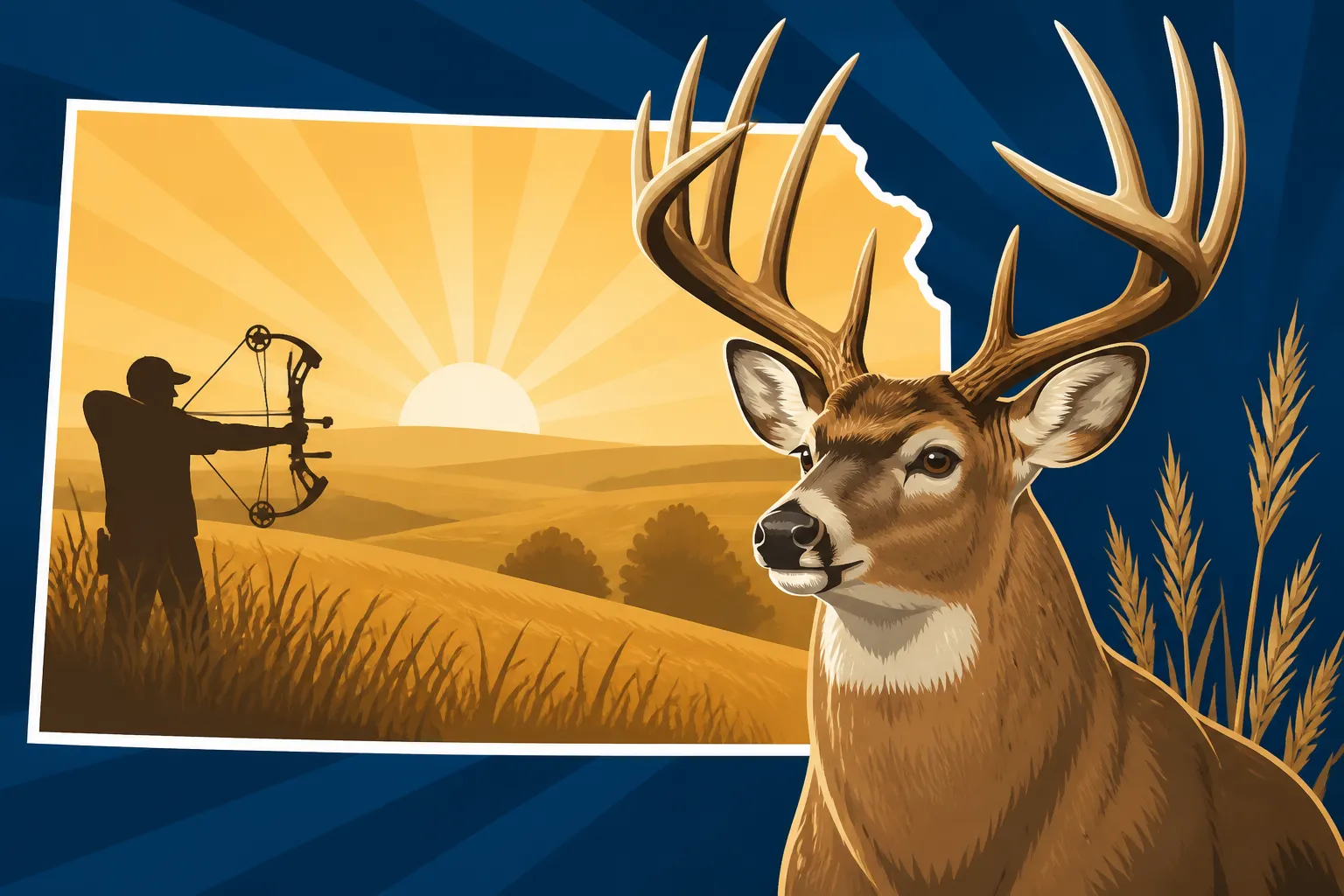
For many hunters, the image of a massive whitetail buck brings Kansas to mind almost immediately. It's a place where hunters consistently pursue, and often connect with, truly giant deer, leading many to wonder what magic potion Kansas pours into its soil. The truth is, it's not magic, but a perfect storm of environmental factors, genetics, and smart management that creates the ideal conditions for whitetails to not just survive, but truly thrive and reach their full antler potential. This guide will meticulously break down the unique elements that make Kansas a trophy whitetail mecca.
The Foundation: Genetics and Herd Health
You can have all the food in the world, but if the genetic blueprint isn't there, or if the herd is constantly battling disease, those trophy antlers won't materialize. Kansas offers an excellent baseline for robust deer.
Superior Whitetail Genetics
Kansas whitetails are, by and large, genetically predisposed to grow substantial antlers. Over generations, the deer herd has benefited from natural selection in an environment that rewards robust health and strong physical traits. While you'll find deer everywhere, the genetic lineage here seems to consistently produce animals with the potential for impressive bone growth. It's not just about age; it's about the inherent capacity within the deer themselves. A young buck in Kansas often shows antler development that might be considered mature in other regions, simply because he comes from a long line of well-fed, healthy deer. This foundational genetic strength is crucial, as even perfect habitat can't overcome poor genetics.
Furthermore, the general health of the herd contributes significantly to this genetic expression. Bucks that aren't constantly stressed by disease or malnutrition can allocate more energy toward antler growth. This genetic potential, combined with minimal widespread chronic disease issues (though CWD is present, it's managed), means that many Kansas bucks are given a fair shot at reaching their maximum potential. It's a subtle but profound difference from areas where herds might be struggling with overpopulation or widespread illness.
Disease Management and Herd Vigor
The Kansas Department of Wildlife, Parks and Tourism (KDWP) plays a vital role in monitoring the health of the state's deer population. While no state is entirely free from wildlife diseases, Kansas has maintained a generally healthy herd, which is paramount for producing trophy-class animals. Diseases like EHD (Epizootic Hemorrhagic Disease) can, and do, occur, but widespread, devastating outbreaks that significantly impact overall herd health or trophy potential are less frequent than in some other regions. This consistent health allows bucks to focus their energy on growth rather than fighting off illness. You can learn more about Deer Disease and EHD Outbreaks in Kansas to understand the challenges and monitoring efforts.
Maintaining a low incidence of disease also means higher fawn survival rates and a healthier overall age structure, allowing more bucks to survive to maturity. When deer are in peak physical condition, they not only grow larger antlers but also exhibit stronger breeding behaviors and are more resilient to environmental stressors. This vigor translates directly into a more robust and trophy-rich deer population, fostering the kind of environment where bucks can truly flourish.
A Land of Plenty: Unparalleled Nutrition and Habitat
Kansas is often dubbed the "Breadbasket of America," and what's good for our dinner table is often even better for a whitetail. The sheer abundance of high-quality food sources and diverse habitat is perhaps the most significant factor.
Agriculture as a Whitetail Superfood Source
Imagine a deer living in a landscape dotted with endless buffets. That's essentially what Kansas offers. The state is an agricultural powerhouse, dominated by vast fields of corn, milo (grain sorghum), soybeans, and winter wheat. These crops provide an almost year-round supply of high-energy and high-protein food. In the spring and summer, growing soybeans and alfalfa offer incredible protein for antler and body development. As fall approaches, standing corn and milo fields become crucial caloric resources, allowing bucks to pack on critical weight for the rut and the harsh winter months. Hunters who spend time Hunting Inside Corners of Crop Fields or targeting Milo and Corn Stubble Deer Patterns know just how reliant deer are on these food sources.
This consistent, high-quality diet translates directly into larger body weights and, critically, larger antlers. Bucks don't have to expend excessive energy searching for food, freeing up resources for robust skeletal and antler growth. This consistent nutrition from agricultural lands is arguably the most potent ingredient in the Kansas trophy whitetail recipe, ensuring that every buck with good genetics has the fuel needed to reach its maximum potential. It's a fundamental reason Why Kansas Produces Big Whitetail Bucks is not just a myth, but a verifiable fact.
Diverse Cover: From CRP to River Bottoms
Beyond the food, deer need secure cover to bed, escape pressure, and raise fawns. Kansas provides this in spades, with a fantastic mix of habitat types. Conservation Reserve Program (CRP) lands, often filled with tall native grasses and scattered forbs, offer dense bedding cover that is particularly important in flat, open landscapes. These areas also hold vital insects and small mammals for fawns, contributing to their survival. Adjacent to these open fields, you'll find winding river bottoms and creek draws, often lined with mature timber like cottonwoods, oaks, and cedars. These provide thermal cover, travel corridors, and additional browse.
Even in seemingly "open" farm country, shelterbelts, old farmsteads, and small timber points provide crucial bedding and security cover. A buck can travel miles under the cover of a creek bottom, move into a CRP field for bedding, and then utilize a standing cornfield for feeding, all within its typical home range. This mosaic of habitat allows deer to avoid human pressure, ensuring they feel secure enough to live long, grow big, and show off impressive racks. Understanding CRP Grass and Where Bucks Bed is key for any hunter looking to pattern these deer.
The Role of Water Sources
While often overlooked, access to reliable water is another critical factor, especially during the hot Kansas summers and dry periods. Whitetails need constant access to water, not just for hydration but also for cooling themselves during peak heat. Kansas is crisscrossed by numerous rivers and creeks, and dotted with farm ponds and wetlands, even in the drier western regions. These water sources become central hubs for deer activity, especially during the early archery season. Hunters often find success Early-Season Bowhunting Over Water during the warmer months because deer activity around these areas is so consistent.
The availability of water ensures that deer remain hydrated and healthy, which is directly tied to their ability to grow large antlers. Stress from dehydration can stunt growth and impact overall herd health. In areas of western Kansas, where surface water can be less abundant, even small ephemeral streams or isolated ponds become magnets for deer, concentrating activity and further contributing to the localized health and vigor of the herd. When using scouting tools like GoHunt, pay close attention to the proximity of water sources to potential bedding and feeding areas.
The Age Advantage: Low Pressure and Smart Management
Even with great genetics and abundant food, deer won't grow massive antlers if they are harvested too young. Kansas excels at allowing bucks to reach maturity, which is fundamental for trophy production.
How Hunter Density Contributes to Mature Bucks
One of the less talked about, but incredibly important, factors is hunter density. While Kansas is popular, certain areas and hunting times experience relatively lower hunter numbers compared to some highly pressured states. This isn't universally true, especially on popular public lands, but generally, across much of the private land that comprises the vast majority of the state, deer face less hunting pressure. Less pressure means more bucks survive to older age classes. A 4.5 or 5.5-year-old buck has simply had more time to grow, and his antlers reflect that. The absence of relentless pursuit allows bucks to establish routines, move more naturally, and avoid the constant stress that can hinder growth.
This is particularly true during the critical rut period. While many hunters flock to the state for Kansas Whitetail Hunting Tactics Through the Rut, the overall pressure on individual animals isn't as intense as in some eastern or southern states. Fewer hunters mean fewer encounters, fewer mistakes by deer, and a higher likelihood of bucks making it through multiple seasons to fully express their antler potential. This isn't to say hunting isn't challenging; rather, it highlights that the deer population as a whole benefits from more space and less constant disturbance.
Strategic Deer Management Units
Kansas is divided into numerous Deer Management Units (DMUs), each with specific harvest quotas and permit structures designed to manage the herd effectively. This unit-based approach allows the KDWP to fine-tune management strategies to local conditions. Some units might have a higher antlerless harvest to control population numbers, while others might focus on ensuring more bucks reach maturity. This careful, data-driven management helps maintain a balanced age structure within the buck population. You can explore Kansas Deer Units 1 Through 19 to see how the state is divided.
By using data on harvest rates, fawn recruitment, and habitat quality, the KDWP can implement regulations that favor the growth of trophy-class deer. This might include limiting resident buck tags or allocating permits strategically. This level of granular management, informed by biological data, is crucial for fostering a deer herd where a significant proportion of bucks can achieve older age classes, directly contributing to the state's reputation for giant whitetails. Tools like GoHunt's draw odds data are invaluable for understanding how these unit strategies impact your chances of drawing a tag in trophy-rich units.
Impact of the Non-Resident Draw System
For non-resident hunters, obtaining a Kansas deer tag requires navigating a preference point system and a draw. This system, while sometimes frustrating for those trying to get a tag, is a critical component of Kansas's trophy deer management strategy. By limiting the number of non-resident tags, especially in popular units, it controls overall hunter pressure. This reduction in pressure, particularly on bucks, allows more deer to survive longer and grow larger antlers. The Kansas Deer Permits and the Nonresident Draw is a significant barrier to entry, but it serves a purpose.
The draw system means that not everyone who wants to hunt Kansas deer gets to every year, which helps distribute pressure and ensures that the deer population isn't overharvested annually, especially the mature buck component. This allows the state to maintain a healthy age structure, which is the cornerstone of any quality deer management program focused on trophy potential. While it might mean waiting a few years for a coveted tag, the reward often comes in the form of an encounter with a truly mature animal that has had the time to grow into its impressive rack.
Climate, Weather, and the Whitetail Rut
While less impactful than food or age, Kansas's climate and weather patterns also contribute to its trophy status, particularly in how they influence deer health and the intensity of the rut.
Mild Winters and Year-Round Growth
Compared to states further north, Kansas experiences generally milder winters. While blizzards and cold snaps certainly occur, prolonged periods of extreme cold and deep snow are less common. This means deer face less winter stress. Bucks don't have to burn excessive fat reserves simply to stay warm, and they can emerge from winter in better condition, ready to put energy into spring green-up and antler growth. A mild winter often translates to bucks carrying more body weight into spring, giving them a head start on growing those impressive racks.
Less severe winters also mean higher fawn survival rates, contributing to a consistently healthy and robust deer population that can withstand the demands of the breeding season. This reduction in winter mortality and stress is a silent but powerful contributor to the overall health and trophy potential of Kansas whitetails, allowing them to conserve energy and dedicate it to physical development throughout the year.
The Kansas Whitetail Rut Timing
The timing of the whitetail rut in Kansas is often cited as a prime reason for its trophy potential. Typically peaking in early to mid-November, the Kansas rut aligns with favorable weather conditions and before intense hunting pressure sets in for the firearm season. This means bucks are highly active, covering ground, and less nocturnal, offering hunters fantastic opportunities. Knowing When the Kansas Rut Peaks is crucial for planning a hunt. The intense activity of the rut, combined with the mild climate, allows bucks to maximize their breeding efforts without immediately depleting their reserves in extreme cold.
This period of peak rut activity, coinciding with comfortable hunting weather, creates an environment where hunters can effectively target mature bucks that are actively cruising and chasing. The timing also means that by the time the more widespread pressure of the firearm season arrives, a significant portion of the rut activity has already occurred, and some of the largest bucks may have already been harvested or have become more nocturnal. This ensures that the genetic material of these trophy bucks is passed on to the next generation, perpetuating the cycle of big deer.
Impact of Weather Patterns on Deer Behavior
Kansas weather can be notoriously unpredictable, but certain patterns actually benefit hunters targeting trophy deer. Cold fronts, for instance, often trigger increased deer movement, especially leading into and during the rut. These dramatic shifts in temperature and barometric pressure can make deer more active during daylight hours. Hunters often focus their efforts around these weather events, knowing that an incoming front can turn a slow day into an action-packed one. You can read up on Cold Front Movement in December to understand how this plays out later in the season.
Additionally, the state's flat, open terrain means that wind direction and thermals play a critical role in deer movement and can be used by hunters to their advantage. Understanding Wind and Thermals on a River Bank can be crucial for setting up a successful stand. These weather dynamics, while challenging at times, force deer into predictable patterns that astute hunters can exploit, increasing their chances of encountering the mature bucks that make Kansas famous.
Here's a quick look at why Kansas stands out:
| Factor | Kansas Advantage | Impact on Trophy Whitetails |
|---|---|---|
| Nutrition | Abundant corn, milo, soybeans, alfalfa from agriculture, year-round | Supports maximum body and antler growth, high protein/energy |
| Cover | Extensive CRP, river bottoms, shelterbelts, timbered draws | Provides secure bedding, escape routes, reduces stress |
| Genetics | Strong, healthy whitetail populations with inherent trophy potential | Foundation for large antlers when combined with nutrition and age |
| Age Structure | Managed deer units, non-resident draw, lower pressure allows bucks to mature | Critical for bucks to reach 4.5+ years old, maximizing antler growth |
| Winter Severity | Generally milder winters than northern states | Less winter stress, bucks emerge healthier, better for spring growth |
| Rut Timing | Peak in early to mid-November, often with favorable weather | High daytime activity from mature bucks, great hunting opportunity |
| Hunter Density | Controlled non-resident access, vast private land reduces overall pressure | More bucks survive to older age classes, higher buck-to-doe ratios |
Disclaimer
Hunting is an inherently dangerous activity. Always prioritize safety, adhere to all Kansas Department of Wildlife, Parks and Tourism (KDWP) regulations, and respect private property. The information provided in this guide is for informational purposes only and does not constitute legal advice. Hunters are responsible for verifying all current regulations and ensuring ethical and safe hunting practices.