Hunting Inside Corners of Crop Fields
It's incredibly frustrating, isn't it? You spend hours scouting vast Kansas crop fields, trying to decipher deer patterns, only to feel like you're chasing ghosts in an endless sea of agriculture. Deer seem to appear and disappear like magic, and finding a consistent, high-traffic spot can feel like hitting the lottery. This guide is here to cut through that confusion, focusing on one of the most consistently productive, yet often overlooked, hotspots in farm country: the inside corner of a crop field. We'll break down exactly why these areas are deer magnets and how you can effectively hunt them.
The Undeniable Appeal of Inside Corners to Kansas Deer
In the expansive landscape of Kansas, whitetails are masters of efficiency and security. They gravitate towards areas that offer the best combination of food, cover, and safe travel routes, often with the least amount of human disturbance. An inside corner of a crop field, especially when it abuts another type of dense cover, perfectly fits this bill. It's not just a random bend in a field edge; it's a critical piece of habitat architecture that deer rely on daily.
Safety and Strategic Travel Routes
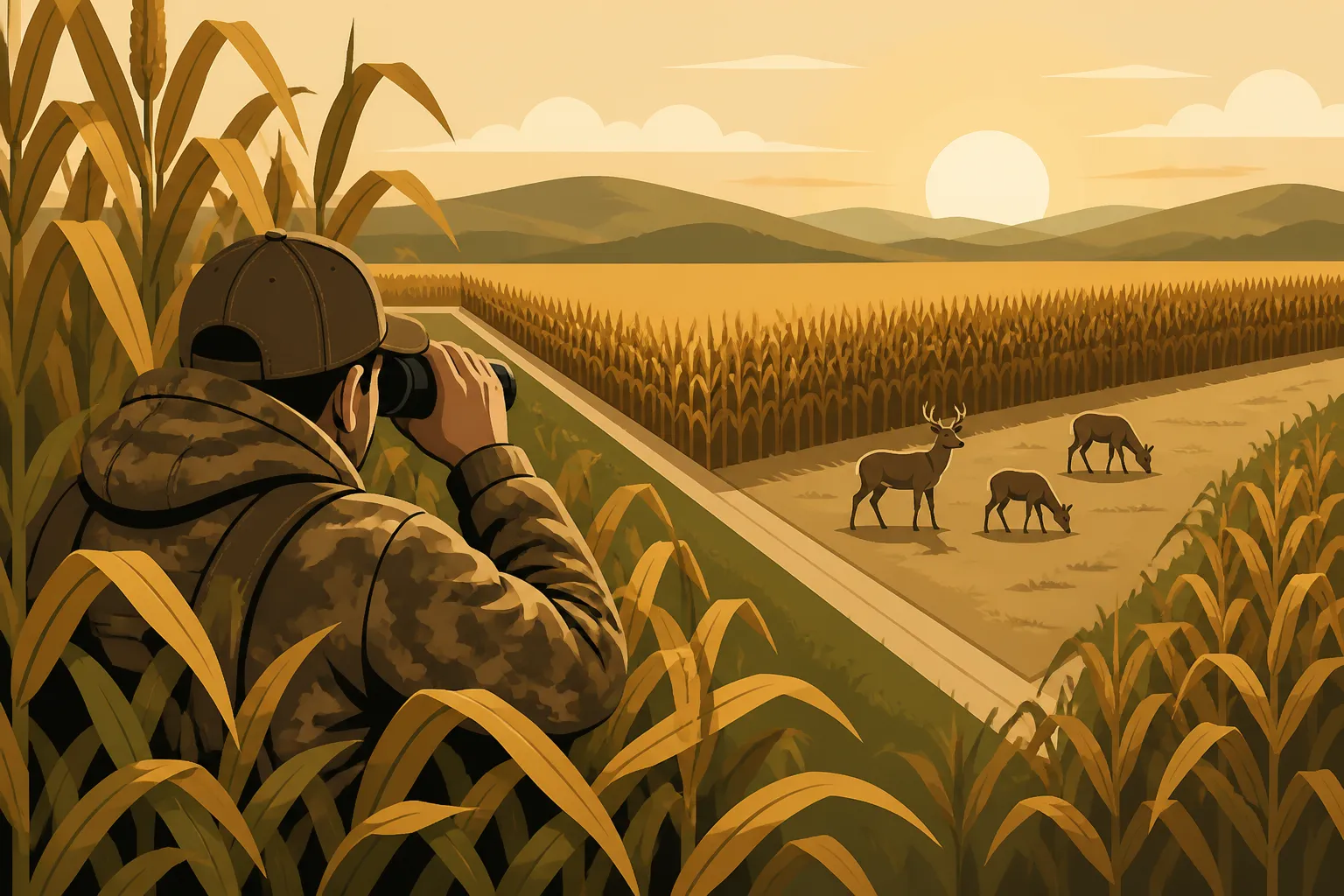
Deer, particularly mature bucks, are incredibly security-conscious. They prefer to move along the edges of cover, minimizing their exposure in wide-open spaces. An inside corner naturally provides this sense of security. Imagine a large timber block extending into a crop field, creating a distinct "V" shape in the field edge. Deer coming from the timber can follow the edge of the trees, staying concealed, and then pivot into the corner of the field without ever having to step far out into the open. It's a natural funnel, guiding their movement along a predictable path.
These corners serve as critical staging areas. Deer might emerge from their bedding areas in the early evening, lingering in the dense cover of the corner, browsing and scent-checking before committing to entering the larger field to feed. Similarly, in the mornings, they might retreat to these corners as daylight breaks, pausing to assess the area before slipping back into deep cover. It’s their equivalent of a safe house, offering a quick escape route back into the woods or CRP if danger presents itself. For instance, a wise old buck might hug the timber line, using the corner as a funnel to slip from a creek bottom to a bedding area in a nearby shelterbelt. This strategic use of terrain for travel is a key reason why understanding Hunting Terrain Funnels in Flat Country is so crucial.
Access to Food and Cover
Beyond safety, inside corners offer a perfect blend of immediate access to food within the crop field and adjacent, high-quality bedding or staging cover. Deer don't want to travel miles to find everything they need; they want it all within a short, safe distance. A corner where a standing cornfield meets a dense CRP field, or where a soybean field backs up to a thick timber stand, provides exactly that.
The crop itself is a primary draw. Whether it's standing beans in early fall, harvested corn stubble in late season with residual grain, or even a lush alfalfa field, the corner allows deer to feed while remaining close to the safety of heavy cover. They can nip at soybeans or pick through dropped corn kernels, knowing they're only a few steps away from disappearing into the timber or tall grass. This makes inside corners particularly attractive when considering Milo and Corn Stubble Deer Patterns. Moreover, the adjacent cover isn't just for bedding; it provides thermal regulation from the Kansas sun or biting winter winds, and even offers protection from predators. It's a miniature ecosystem where deer can fulfill their basic needs without excessive travel or exposure, which is paramount to their survival.
Decoding the Landscape: Identifying Productive Corners
Not every inside corner is a honey hole. To consistently find success, you need to understand how to read the landscape and identify those specific corners that deer prefer. This isn't just about looking at a map; it's about understanding deer behavior in relation to habitat features.
Analyzing Crop Types and Field Layouts
The type of crop in the field and the nature of the adjacent cover profoundly impact a corner's attractiveness. Some crops offer more security or preferred forage at different times of the season. For example, standing corn or milo provides excellent visual cover, allowing deer to enter the field more boldly than they would in a freshly cut wheat field. Soybeans, especially when they begin to yellow, are a huge draw, and an inside corner next to a timber block will see significant activity.
Use modern mapping tools, like those found on GoHunt, to scrutinize field layouts. Look for corners where the crop field meets:
- Dense Timber Blocks: These provide immediate, impenetrable cover.
- Thick CRP (Conservation Reserve Program) Fields: Tall, dense grass offers excellent bedding and security. You'd be surprised by how many deer bed in CRP Grass and Where Bucks Bed.
- Creek Bottoms or River Edges: These linear features often have thick vegetation and serve as natural travel corridors, funnelling deer directly to corners. Learning to effectively read a Kansas Creek Bottom for Deer Sign can significantly boost your success.
- Shelterbelts or Tree Rows: Even a narrow strip of trees can provide enough cover to make an inside corner a preferred route. Understanding Shelterbelt Ends and Buck Travel can help you predict movement here.
Consider the "hardness" of the edge. A hard edge, where a thick timber line abruptly meets a crop field, is often more appealing than a soft, gradual transition. Deer like definite lines of security.
| Crop Type | Typical Draw | Optimal Season | Corner Appeal |
|---|---|---|---|
| Standing Corn/Milo | Food & unparalleled cover | Early to Mid-Fall | Highest; deer feel secure feeding right in field |
| Soybeans | High protein food source | Early-Mid Fall | Very High; deer stage & feed at edges |
| Alfalfa/Clover | Lush forage | Spring-Fall | High; continuous food source, especially for does |
| Winter Wheat | Early browse | Late Fall-Winter | Moderate; deer browse green shoots |
| Cut Wheat/Beans | Residual grain | Late Fall-Winter | Moderate; if adjacent to heavy cover |
Scouting for Key Deer Sign
Once you've identified potential hot spots using your mapping tools, it's time for boots on the ground. E-scouting is an invaluable starting point, especially with powerful platforms like GoHunt that allow you to layer different aerial images and property boundaries, but nothing beats physical scouting. Walk the edges of these corners, paying close attention to any indication of deer activity.
Look for heavily worn trails leading directly into or out of the corner. These aren't just faint paths; they're often beaten-down highways where deer have been repeatedly traveling. Pay attention to their direction – do they lead to a specific bedding area, a water source, or another field? You'll want to be on the lookout for fresh droppings, indicating recent use, and concentrated rubbing and scraping activity. Bucks often lay down significant sign in these transition zones as they travel, scent-marking their presence. The density of fresh sign in an inside corner, particularly during the pre-rut and rut, can be astonishing. Remember, your scouting efforts should always include Reading Aerial Imagery for Bedding Cover from home before you ever set foot on the property, allowing you to narrow down your focus and make the most of your time. This comprehensive approach is part of effective E-Scouting Kansas Farm Country From Home.
Precision Stand Placement and Wind Strategy
You've found the perfect inside corner; now comes the crucial step: deciding exactly where to set up. This decision can make or break your hunt, as it involves balancing concealment, shot opportunity, and, most importantly, managing your scent.
Maximizing Concealment and Shot Opportunities
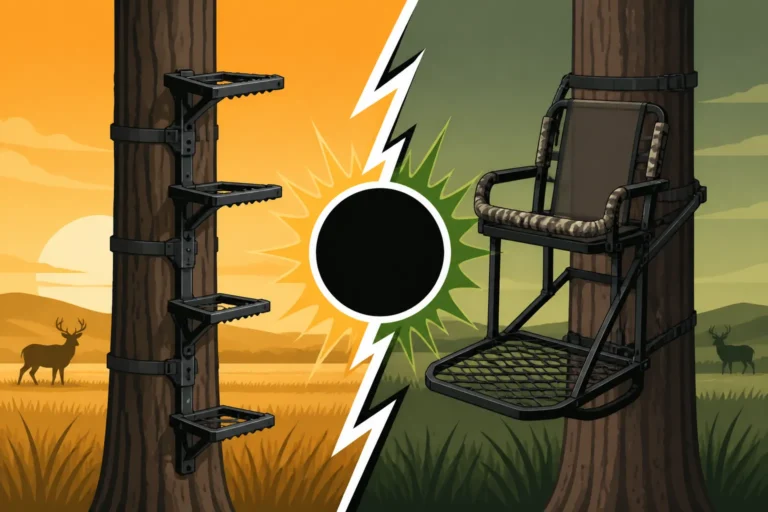
When it comes to placing your stand, whether it's a treestand or a ground blind, your primary goal is to remain undetected while having a clear, ethical shot opportunity. For treestands, look for mature trees that offer good height and natural cover, such as thick branches or vines, to break up your silhouette. Aim to be 20-25 feet high, but always prioritize concealment over extreme height. If the deer are routinely using a specific trail, try to place your stand within 20-30 yards of that trail. This provides a comfortable bow shot or a close rifle shot, minimizing the chance of error. For more detailed advice, exploring Best Stand Locations in Flat Farm Country can offer additional insights.
If you're hunting with a ground blind, consider the approach and brush it in meticulously. Don't just plop it down. Use natural vegetation from the area—branches, corn stalks, tall grass—to blend it into the surroundings. Set it up well in advance of your hunt, if possible, to allow deer to get accustomed to its presence. Always consider your backdrop: a dark timber line behind your stand will make you less visible than if you're silhouetted against an open sky. Think about potential shot angles as well. Do you have clear lanes to the most active trails, or will branches impede your shot? Clearing a few strategic lanes quietly before the season can be a game-changer.
The All-Important Wind Direction
I cannot stress this enough: wind direction is king, especially when hunting deer in Kansas crop country. You can have the most perfect inside corner with abundant deer sign, but if your scent is blowing into the deer's approach or bedding area, your hunt is over before it even begins. Deer have an incredible sense of smell, and they will bust you every single time.
Before every hunt, check the wind meticulously. Sites like GoHunt often include wind direction overlays, which are incredibly helpful. Plan your stand placement or ground blind setup specifically for certain wind directions. It's not uncommon for serious hunters to have multiple stand options for a single hotspot, each designed for a different wind. For an inside corner, you generally want the wind blowing away from where you expect deer to approach and away from any nearby bedding cover. If the wind is swirling or unpredictable, it's often best to stay out and wait for a more favorable day.
Pay attention to thermals, particularly during the first and last hours of daylight. In flat country, thermals might not be as pronounced as in mountainous terrain, but they still exist. As the sun rises and warms the ground, air generally rises. As it sets and the air cools, it tends to fall. Understanding Wind and Thermals on a River Bank can provide a solid foundation for managing your scent in dynamic environments. Always plan your access and egress routes carefully. Your approach to and from your stand should never cross the path deer are likely to use, and your scent should be carried away from the area. This attention to detail with your Access Routes That Do Not Bump Deer is vital for not burning out a good spot.
Tailoring Tactics for Different Kansas Seasons
Deer behavior, and therefore the effectiveness of an inside corner, changes dramatically throughout the hunting season. What works in September might spook deer in December. Adapting your strategy to the time of year is paramount for consistent success.
Early Season and Water Sources
During the warm Kansas early archery season, typically September, deer are highly focused on food, shade, and water. An inside corner that offers quick access to a stock pond, a natural spring, or a meandering creek can be incredibly productive. Deer will often utilize these corners as shaded sanctuaries during the heat of the day, emerging in the cooler evenings to feed and drink.
If your chosen inside corner is near a reliable water source, especially in drier western Kansas units, it becomes even more valuable. Set up for evening hunts when deer are moving from bedding to water and then to food. Focus on trails that show signs of repeated use, and be mindful of your scent in the still, warm air. A corner where dense timber meets a soybean field with a small pond nearby is a prime example of an early-season magnet. This is precisely why tactics like Early-Season Bowhunting Over Water are so effective in Kansas.
The Rut and Cruising Bucks
When the Kansas rut kicks into high gear, usually from late October through mid-November, inside corners transform into high-traffic intersections for cruising bucks. Bucks will travel field edges and lines of cover, scent-checking for receptive does. An inside corner provides a natural bottleneck or funnel where bucks are likely to pass through.
During the rut, you'll want to focus on stand sites that offer visibility along the field edge and into the adjacent cover. Bucks aren't just feeding; they're searching. They might scent-check the entire perimeter of the timber block or CRP field before moving on. Set up early and be prepared to sit all day, especially during the peak of the rut. Bucks can appear at any time, often using these corners to slip between bedding areas or check out doe groups. Understanding When the Kansas Rut Peaks will help you time your hunts for maximum effectiveness in these strategic locations. You might even consider rattling or grunting from these spots, as the sounds can carry well across the open fields.
Late Season Food Source Priority
As crops are harvested and winter sets in, deer priorities shift almost entirely to available food sources and thermal cover. An inside corner that still holds standing crops, such as a patch of milo or corn that wasn't harvested, becomes a critical late-season draw. Even harvested fields can be valuable if there's enough waste grain on the ground, particularly if the corner is adjacent to heavy thermal cover like a cedar thicket or a dense shelterbelt.
Focus on mornings and evenings when deer are moving to and from these concentrated food sources. In cold weather, deer will conserve energy, so they'll seek out the most calorie-rich food that requires the least amount of travel and exposure. An inside corner nestled between a standing cornfield and a south-facing timber edge that offers protection from north winds can be lethal in December. Pay close attention to Late-Season Food Source Hunting and how deer adapt to available Milo and Corn Stubble Deer Patterns after the combines have run their course. They often stage in the cover of the corner before entering the field, making it an ideal ambush point.
| Season | Deer Priority | Inside Corner Draw | Tactics |
|---|---|---|---|
| Early Season | Food, Water, Shade | Shaded travel, quick water access, secluded feeding | Evening sits, near water, focus on established trails. |
| Pre-Rut | Food, establishing range | Scrapes/rubs, staging areas, doe congregation points | All-day sits, consider calling, focus on fresh sign. |
| Rut | Breeding, cruising | Buck travel corridors, doe magnet, scent-checking points | All-day sits, aggressive calling, high visibility for cruising bucks. |
| Post-Rut | Recovery, food | High-calorie food, thermal cover | Morning/evening sits, focus on remaining food sources near dense cover. |
| Late Season | Survival, food, warmth | Undisturbed food, thermal protection, limited exposure | Morning/evening sits, focus on unharvested crops/waste grain. |
Disclaimer
Hunting is an inherently dangerous activity. Always prioritize safety, adhere to all Kansas hunting regulations, and ensure you have the necessary licenses and permits. Consult the Kansas Department of Wildlife, Parks and Tourism (KDWP) for the most current rules and regulations. This guide is for informational purposes only and does not substitute for personal judgment, thorough scouting, and safe hunting practices.