Reading an Outfitter Photo Gallery
We've all been there: scrolling through an outfitter's photo gallery, eyes wide, imagining ourselves posing with that absolute monster Kansas whitetail. It’s easy to get swept up in the dream, but those curated images are a powerful marketing tool, and without a critical eye, they can paint an incomplete, or even misleading, picture of what a hunt truly offers. This guide is all about equipping you to look beyond the glamour shots and decipher what an outfitter's photo gallery really tells you about your potential Kansas hunting adventure.
Why Outfitter Photo Galleries Matter More Than You Think
Outfitter photo galleries are often your very first visual introduction to what a hunting operation provides. They're designed to captivate and excite, showcasing the best of the best. And let's be honest, who doesn't love seeing pictures of big bucks? However, these galleries serve a much deeper purpose than just eye candy. They subtly, and sometimes not so subtly, communicate details about the hunting experience, the quality of game, the terrain, the accommodations, and even the overall professionalism of the outfitter.
It's crucial to approach these galleries with a healthy dose of skepticism and an analytical mindset. Think of them as a puzzle where each photo is a piece of information, rather than a finished portrait. You're trying to piece together a realistic expectation, not just bask in the glow of someone else's success. The frustration comes when you arrive for your hunt and the reality doesn't match the glossy images. That's why learning to "read" these photos is such a vital skill.
The Emotional Appeal Versus Reality
Outfitters understand that hunting is an emotional pursuit. The thrill of the chase, the majesty of a trophy animal, the camaraderie of camp – these are powerful feelings, and photos are excellent at tapping into them. A picture of a smiling hunter gripping a massive Kansas whitetail, backdropped by golden stubble fields, can instantly make your heart race. This emotional connection is a big part of why we choose certain hunts.
However, this emotional appeal can sometimes overshadow the practical realities. You might focus so much on the size of the deer that you overlook the background, which could reveal a crowded hunting environment or terrain completely different from what you expected. The reality of a hunt involves long hours, challenging weather, and the inherent uncertainty of chasing wild animals. A photo gallery, by its nature, rarely shows the cold mornings, the missed opportunities, or the hard work that goes into a successful hunt. It's about balancing the inspiring imagery with a clear-eyed assessment of the tangible details.
What an Outfitter Hopes You See
Every outfitter curates their photo gallery with specific goals in mind. They want to highlight their best successes, demonstrate the quality of the animals they consistently produce, and give you a glimpse into their camp culture. They hope you see big antlers, happy hunters, clean facilities, and abundant game. For a Kansas deer outfitter, this typically means showcasing those impressive whitetail bucks that the state is famous for, often in agricultural settings or rich timber.
They also want to convey a sense of professionalism and expertise. Are the deer caped out nicely? Are the hunters dressed appropriately for the conditions? Do the guides look knowledgeable and engaged? These subtle cues are all part of the message. They want you to envision yourself as one of those successful hunters, enjoying a memorable experience. Your job, as the prospective client, is to look past the aspirational message and dig into the concrete evidence that supports it.
Decoding the Details: What to Scrutinize in Each Photo
Moving beyond the initial wow factor, it's time to get down to the nitty-gritty. Each photograph is a treasure trove of information, if you know what to look for. Don't just glance at the deer; examine everything else within the frame. This is where you start to build a true understanding of what a specific Kansas hunt might entail.
Habitat and Terrain Clues
The background of a photo might be one of the most revealing elements. Kansas is a diverse state, from the dense timber of the eastern river bottoms to the rolling prairie and agricultural fields of the west. What kind of habitat do you see consistently in the photos?
- Crop Fields and Stubble: Are there endless rows of corn or milo stubble? This suggests a hunt focused on Milo and Corn Stubble Deer Patterns and agricultural food sources. It might mean long-range shots are common, and concealment could be in ground blinds or hay bale blinds. This terrain is often indicative of trophy potential due to abundant nutrition.
- Timber and River Bottoms: Do you see mature hardwoods, dense cedars, or thick creek bottoms? This points to hunts taking place in more traditional treestand country, possibly involving Scouting Kansas River Bottoms and Creek Draws. This can offer more cover but might also mean denser brush and different hunting strategies like Hunting Terrain Funnels in Flat Country.
- CRP Grass and Prairies: If the background is vast expanses of tall, native grasses, you're likely looking at more open country, possibly near bedding areas in CRP Grass and Where Bucks Bed. This might suggest different tactics and visibility challenges compared to timber.
Consistency is key here. If half the photos show vast wheat fields and the other half show steep, rocky hillsides, it might indicate that the outfitter hunts a very diverse area, or perhaps even multiple, distinct hunting locations. This isn't necessarily a bad thing, but it's something to clarify.
Hunter Appearance and Gear
Take a good look at the hunters themselves. Are they dressed appropriately for Kansas weather, which can swing wildly from warm early season days to frigid December blasts? Are they wearing quality hunting clothing that looks functional? This can give you an idea of the recommended gear and the conditions you might encounter.
- Realistic Expectations: If every hunter is wearing pristine, brand-new gear, it might be a professional photo shoot. But if they're wearing practical, slightly worn but well-maintained clothing, it often speaks to a more authentic hunting experience.
- Weapon Choice: What type of weapons are most prominent? Bows, rifles, or muzzleloaders? While Kansas offers seasons for all, an outfitter might specialize or have certain hunts that cater to a particular weapon. If you're a bowhunter and only see rifle kills, it's worth asking about their bowhunting success. Kansas Deer Season Dates by Weapon will tell you when each is permitted.
- Physicality: Do the hunters look comfortable and confident, or do some look exhausted? This can subtly hint at the physical demands of the hunt.
The Game Itself: Quality and Consistency
This is where most hunters' eyes go first: the deer. But don't just focus on the biggest rack.
- Range of Buck Sizes: While impressive, a gallery featuring only Boone and Crockett contenders might be misleading. Look for a mix of mature bucks, some truly massive, others perhaps 130-150 class. This indicates a more realistic representation of success and a healthy herd with a good age structure. If every single buck is over 170 inches, it might be too good to be true, or they're only showing the absolute cream of the crop from many years of hunting. What's the Average Kansas Buck Antler Score you can realistically expect?
- Doe Harvests: Do you see any photos of hunters with does? A responsible outfitter often encourages antlerless harvests as part of herd management, especially during Kansas Antlerless Hunts and Filling the Freezer. A complete absence of doe pictures might mean nothing, or it might suggest a hunt focused solely on antlers, which isn't always the most sustainable approach.
- Condition of the Deer: Do the deer look healthy and well-fed? This can be a subtle indicator of the habitat quality and management practices.
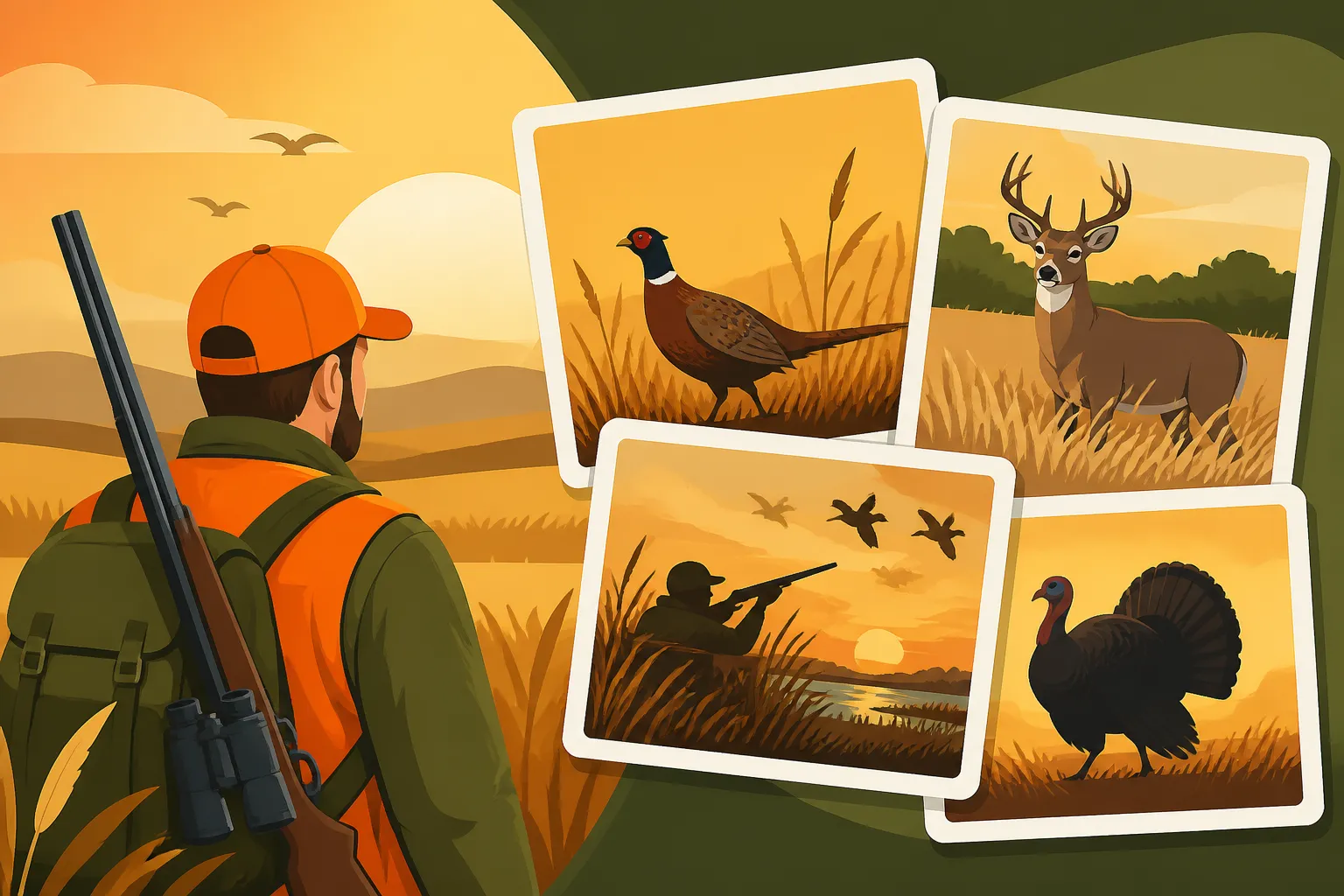
- Other Game Species: If the outfitter offers combo hunts (e.g., deer and turkey), do you see photos of other game? A gallery exclusively showing deer when they advertise turkey hunts might suggest the turkey hunting isn't as robust.
Camp and Lodging Impressions
If your hunt package includes lodging, photos of the camp are essential. This is where you'll be spending your downtime, so comfort and cleanliness matter.
- Cleanliness and Maintenance: Does the lodge look well-maintained and clean? Are the beds comfortable? A messy or rundown camp in photos could be a red flag for overall attention to detail.
- Amenities: Do they show common areas, dining rooms, or places to relax? This helps you gauge the atmosphere.
- Food: While you can't taste it, photos of group meals or dining setups can suggest the type of food service provided, if any. This is a common feature of many guided hunts, tying into the overall experience detailed in Kansas Hunting Lodges and Lodging.
- Social Atmosphere: Are hunters interacting, laughing, or enjoying each other's company? This can hint at the social dynamics of the camp.
Spotting Red Flags and Inconsistencies
Now we get into the detective work. While an outfitter will always put their best foot forward, certain clues can suggest that the gallery might not be entirely representative of what you'll experience. Don't be afraid to dig deeper when something feels off.
Date Stamps and Seasonality
One of the easiest red flags to spot is a lack of recent, dated photos. Many outfitters now include date stamps on their photos, which is incredibly helpful.
- Outdated Photos: If all the photos are from five or ten years ago, it raises a question: why aren't there more recent successes? Herd dynamics, land leases, and management practices can change significantly over time. You want to see consistent success, not just historical triumphs.
- Season Mismatches: Are all the bucks in velvet, but the outfitter is heavily promoting their December firearm season? Or do all the bucks have massive, dark antlers, suggesting peak rut, but they’re selling early September archery hunts? This could indicate a reliance on older photos or photos from different seasons that don't reflect the hunt being advertised. Be mindful of Kansas Deer Season Dates by Weapon when evaluating antler photos.
Location and Background Shifts
Kansas, while diverse, has distinct geographical areas. If the photos show wildly varying landscapes that don't seem to belong to the same region, it's worth noting.
- Inconsistent Backgrounds: One photo might be deep forest, the next a desert landscape, and the next a mountain range. This could mean the outfitter hunts in multiple states or vastly different units, which should be clearly communicated. Without clear context, it's hard to tell if the trophy buck shown came from the Kansas unit you're interested in.
- Staged or Repetitive Backdrops: Some outfitters might have a specific "photo backdrop" they use, such as a particular shed or a field edge near the lodge. While not necessarily a red flag in itself, if every trophy photo features the exact same background, it could suggest a lack of variety in hunting locations, or perhaps a more limited range of opportunities than they let on.
Too Many "Hero" Shots and Lack of Context
We all love a hero shot, but a gallery filled only with super-sized trophies and no context can be a warning sign.
- Unrealistic Success Rates: If every single photo is a 170"+ buck, and there are dozens of them, it’s fair to question if this represents the average success or just the absolute top 1% of kills. Be wary of claims that seem too good to be true. When you're ready to talk, use platforms like BookYourHunt to look for verified reviews, which often include client photos and more realistic feedback on hunting experiences.
- Missing Information: Are there any photos of the actual hunting process – hunters in stands, walking through fields, blood trailing? A gallery focused solely on dead deer might omit the reality of the hunt itself. It’s also important to consider Kansas Whitetail Hunting Tactics Through the Rut or Bowhunting Kansas Deer From September to December and see if the photo contexts align with these methods.
- Blurry or Heavily Edited Photos: While minor edits are common, heavily photoshopped or blurry photos can sometimes be used to obscure details or enhance the appearance of an animal. Clarity and authenticity are important.
Using Photos to Formulate Smarter Questions
The ultimate goal of thoroughly analyzing an outfitter's photo gallery isn't just to spot issues, but to empower you with specific, informed questions. These questions will demonstrate that you've done your homework and are serious about your hunt, often leading to more honest and detailed responses from the outfitter.
Pinpointing Specific Hunt Details
Let the images guide your inquiry. Instead of a generic "What's the hunting like?", you can ask targeted questions based on what you've observed.
- Habitat Questions: "I noticed a lot of photos show bucks in standing corn or milo stubble. Is that the primary terrain you hunt, or do you also have timbered creek bottoms available?" This helps you confirm the type of hunting you'll be doing.
- Seasonality Questions: "I saw a few fantastic bucks from what looks like the early archery season. Do you have many opportunities for those types of bucks in late October, when I'm hoping to hunt?" This clarifies expectations for your specific hunt dates, especially important when considering Hunting the Kansas Pre-Rut in Late October.
- Success Rate Clarification: "Your gallery shows some incredible trophies! What would you say is the average size of a mature buck taken on your property, and what's your typical Opportunity Rate Versus Kill Rate for hunters?" This helps manage expectations about trophy size.
Addressing Red Flags Directly (and Politely)
If you've identified potential red flags, don't shy away from asking about them. Frame your questions respectfully and seek clarification.
- About Photo Dates: "I noticed some of the photos appear to be from a few years back. Do you have any more recent client photos you could share, or perhaps some from the last season?" This is a polite way to ask for updated information.
- Regarding Location Inconsistencies: "I saw a few pictures that looked like very different terrain from the typical Kansas farm country. Do you hunt multiple units or properties that are geographically distinct?" This helps you understand the scope of their operation and if all hunts are created equal.
- Hunter Density: If you see a lot of hunters with trophies and similar backgrounds, you might ask, "How many hunters do you typically have in camp during a given week, and how many acres does each hunter have access to?" This addresses potential Hunter Density on a Kansas Lease concerns.
Leveraging Third-Party Information
Beyond the outfitter's own gallery, always cross-reference what you see with independent sources. Platforms like GoHunt and BookYourHunt are invaluable for this.
- Comparing Galleries: Check if the outfitter has a presence on platforms like BookYourHunt. Often, these sites feature client-submitted photos and reviews, which can offer a more unfiltered view than the outfitter's main website. The blend of professional and amateur photos can give a more rounded picture.
- Geographical Research: Use mapping tools from providers like GoHunt to examine the habitat of the specific Kansas unit the outfitter claims to hunt. Does the terrain in the satellite images match what you see in the outfitter's photos? If they claim to hunt Unit 19, and their photos show vast open plains with antelope, while Unit 19 is known for big timber, that's a significant disconnect.
- Review Photos: Pay attention to photos included in client reviews on various forums or booking sites. These often tell a more honest story about the size of deer typically taken, the camp conditions, and the guide's demeanor.
By taking the time to truly "read" an outfitter's photo gallery, you move from passively viewing pretty pictures to actively gathering intel. This critical step in your research process will help you set realistic expectations, ask the right questions, and ultimately, choose a Kansas hunting adventure that truly matches the experience you're seeking.
| What You See in a Photo Gallery | Potential Meaning / What to Ask About |
|---|---|
| Only gigantic trophy bucks | May be unrepresentative; ask about average harvest size and opportunity rates. |
| All photos from 5+ years ago | Ask for recent photos; conditions and herds change. |
| Varied, inconsistent landscapes | Outfitter hunts diverse areas or multiple states; clarify specific locations. |
| Only rifle kills shown | If you're bowhunting, ask about specific bowhunting success and opportunities. |
| Hunters in camp/lodge | Shows camp amenities and social atmosphere; good for evaluating lodging. |
| Photos of guides interacting with hunters | Indicates guide involvement; ask about guide-to-hunter ratio and typical interaction. |
| Many deer in same backdrop | Might indicate limited hunting areas or staged photos; ask about acreage per hunter. |
| Deer in particular habitat (e.g., milo) | Indicates primary hunting terrain; ask if other types of habitat are available. |
| Lack of any doe/antlerless photos | Could indicate no focus on herd management beyond trophy bucks; clarify. |
| Undated photos | Hard to gauge timeliness; ask for dates or seasonal breakdown. |
Disclaimer
This article is for general informational purposes only and does not constitute professional advice. Laws, prices and regulations vary by location and change over time. Consult a qualified professional for guidance on your specific situation.