Reference Calls Worth Making
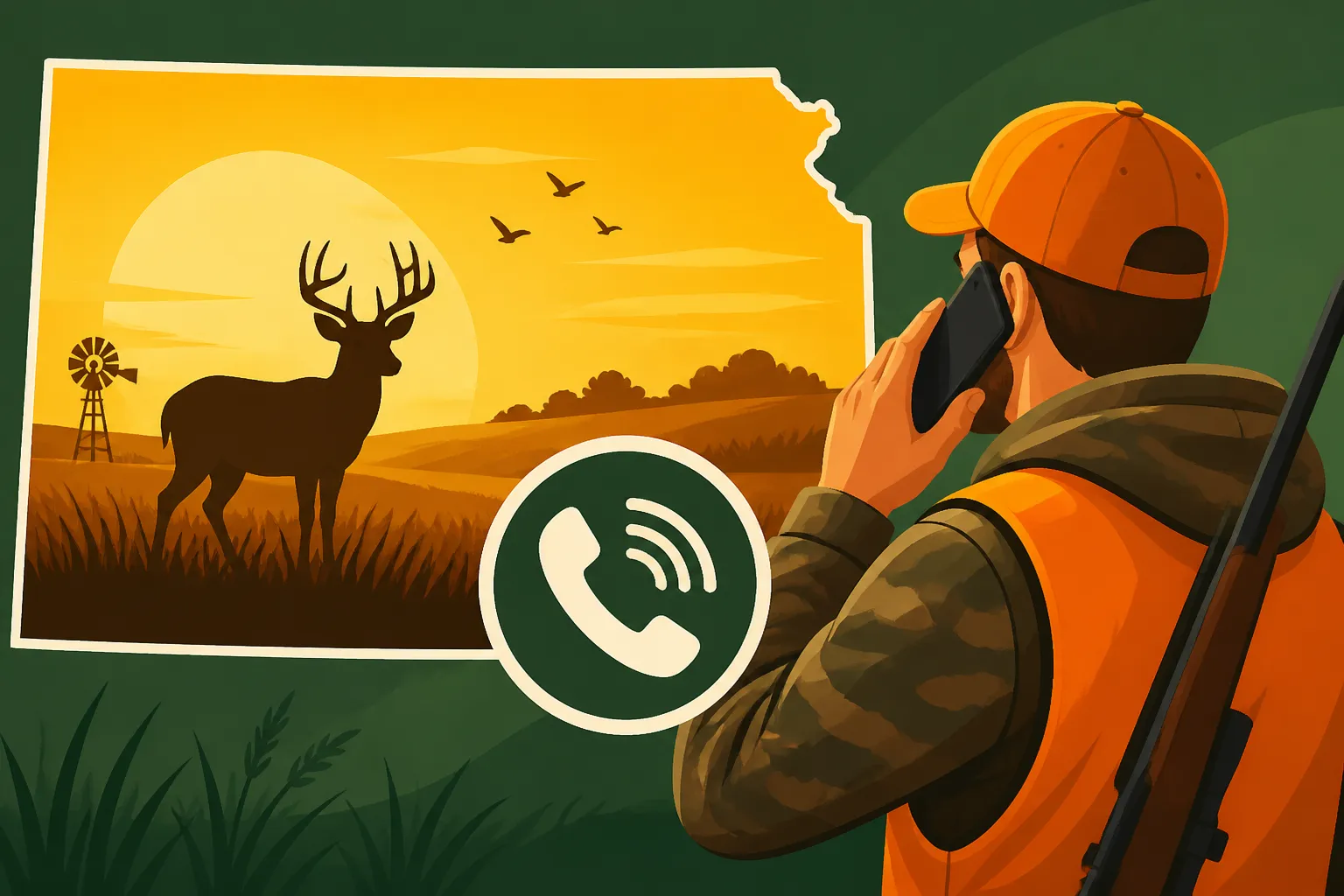
Booking a guided hunt in Kansas, especially for a coveted whitetail or a spring gobbler, is a big investment of time, money, and emotional energy. You've dreamt about it, saved for it, and the last thing you want is to show up and find out your expectations were completely out of line with reality. That's why, when you're considering an outfitter, making those crucial reference calls to past clients isn't just a good idea – it's absolutely essential to protecting your hard-earned hunting dollars and ensuring a successful, enjoyable trip.
Why Reference Calls are Your Ultimate Due Diligence Tool
Think about it: an outfitter's website is their best foot forward. Their social media shows highlight reels. What you really need is the unfiltered truth, the nitty-gritty details that only someone who has actually been there, hunted that ground, and stayed in that camp can provide. This isn't about finding a reason to cancel, but about setting realistic expectations and confirming that the outfitter's promises align with their delivery. It's your personal vetting process to avoid those stomach-dropping moments of disappointment once you arrive.
Avoiding Disappointment and Misunderstandings
We've all heard the stories, or maybe even experienced them ourselves: the "trophy deer paradise" that turned out to be high-fenced or devoid of mature animals; the "cozy lodge" that was a rundown shack; the "dedicated guide" who was more interested in his phone than your hunt. These are the nightmares that keep us up at night, and they're exactly what reference calls are designed to prevent. A quick chat with a few former clients can reveal discrepancies between what's advertised and what's actually offered, helping you manage your expectations and even reconsider if necessary.
Sometimes, it's not even malice, but just a genuine misunderstanding. An outfitter might genuinely believe they provide a "fully guided" experience, but to a client, that might mean one-on-one guiding, whereas the outfitter means they show you a stand location and pick you up later. These subtle differences can make or break your hunt, and hearing a past client describe their daily routine can illuminate these critical nuances. It's about getting clarity before you commit, much like you'd dig deep into What a Kansas Hunt Price Includes to understand every line item.
Verifying the Outfitter's Claims
Every outfitter claims to have great ground, big deer, and amazing success rates. But what do those success rates really mean? Do they count opportunity or actual harvest? Are the "big deer" pictures all from the same year, or a collection over a decade? Talking to past clients allows you to peel back the layers and verify the outfitter's claims directly. You can ask about the size of deer they saw, the number of opportunities they had, and how consistently the outfitter delivers on their promises year after year. This direct feedback is invaluable in separating genuine quality from clever marketing.
Platforms like BookYourHunt or GoHunt can be fantastic resources for finding outfitters, offering initial reviews and contact information. However, those reviews are often summaries, and the nuances of a hunting experience are best conveyed in conversation. A good reference call will let you delve into the specifics that a five-star rating can't capture, like how the outfitter handled unexpected weather or a slow day. It’s about verifying not just the what, but the how of their operation.
What to Ask Past Clients
Once you have contact information for a few references (and a reputable outfitter should readily provide them without hesitation), prepare a list of specific questions. This isn't a casual chat; it's an interview. You want to cover everything from the quality of the hunting itself to the logistics and atmosphere of the camp. Remember, you're looking for consistency in their answers across different references, and any major discrepancies should raise a red flag.
Questions About the Hunt Itself
This is where the rubber meets the road. You want to know if the hunting experience lives up to the hype. Don't be shy; this is your money and time.
- "What kind of animals did you see, and how frequently?" Did they see mature bucks, or mostly young deer? Were deer active during legal shooting hours? For turkeys, were they seeing and hearing gobblers consistently? This helps gauge the health of the herd and the outfitter's knowledge of their ground.
- "How many shot opportunities did you have, and at what range?" This is critical. An outfitter might boast a high "kill rate," but if it means clients had only one opportunity all week at a 250-yard shot, that's a different story than multiple close encounters. Ask about shot angles, terrain, and cover. This gives you a better sense of Kansas Whitetail Hunting Tactics Through the Rut for that specific outfitter.
- "How was the guiding experience?" Was the guide knowledgeable about the local area, deer patterns, and wind? Did they genuinely care about your success, or did they seem disengaged? Did they provide useful insights or just drop you off at a stand? Pay attention to how often the guide checked in or communicated during the hunt. This can shed light on topics like Rattling and Grunting During the Kansas Rut or Decoying a Kansas Whitetail Buck techniques used.
- "How much pressure did you feel from other hunters?" Some outfitters pack hunters in, which can ruin the experience. Ask if they saw other hunters, heard shots from neighboring properties, or felt like the hunting ground was overused. This directly relates to Hunter Density on a Kansas Lease.
- "Were the stands/blinds comfortable and well-maintained?" This often gets overlooked but can drastically impact your hunt. Ask about the quality of the equipment, how safe it felt, and if it was positioned optimally for wind and travel corridors.
- "How did the outfitter handle unexpected conditions, like bad weather or slow hunting?" A good outfitter has a plan B. Did they move stands? Adjust tactics? Or just tell you to stick it out?
Questions About Logistics and Camp Experience
The hunt is only part of the equation. The overall experience, from arrival to departure, contributes significantly to satisfaction.
- "How was the lodging and food?" This isn't just about luxury; it's about comfort and hospitality. Was the lodge clean, warm, and comfortable? Were the meals substantial and enjoyable? Did they cater to any dietary needs? This is especially important if the outfitter offers full-service packages that include Lodging and Meals in a Kansas Hunt.
- "What was the overall atmosphere of the camp?" Was it friendly and welcoming? Did hunters feel comfortable sharing stories and experiences? Or was it tense or unwelcoming? This can tell you a lot about the outfitter's personality and how they foster a community.
- "How accurate were the outfitter's pre-hunt communications?" Did they clearly explain what to bring, what permits were needed, and what to expect? Were there any surprises upon arrival regarding pricing or services? This helps understand if they are upfront about What a Kansas Hunt Contract Should Say.
- "What was the outfitter's policy on trophy fees, and was it clearly communicated?" Sometimes outfitters have additional fees for taking a buck over a certain score. It's vital to know if this was transparent from the start, as unexpected costs can sour an otherwise good experience. You can specifically ask about Trophy Fees on Kansas Deer Hunts.
- "How was the process for field dressing, caping, and meat handling?" This is a practical concern, especially with Kansas's often warm early season. Did they have good facilities or a plan for getting game cooled quickly? Did they help with transport? This is key for ensuring quality meat and a proper trophy preparation.
- "Would you hunt with them again, and would you recommend them to a friend?" This is the ultimate litmus test. A resounding "yes" speaks volumes. A hesitant "maybe" or a "no" warrants further investigation.
Example Reference Call Questions
Here’s a simplified table comparing what you might ask and what a good versus a red flag answer might sound like:
| Question | What to Listen For (Good Answer) | What to Watch Out For (Red Flag Answer) |
|---|---|---|
| Deer Sightings & Opportunities? | "Saw deer every sit, passed 3-4 younger bucks, had a shot at a solid 140-inch deer on day 3." | "Saw a few does, guide said there were bigger bucks but I didn't see them. Only had one Hail Mary shot on the last day." |
| Guiding Quality? | "Guide was fantastic, moved me based on wind, helped track my buck, and was genuinely invested in my success." | "Guide was nice enough, but mostly just dropped me off. Didn't see him much, and he seemed distracted." |
| Camp Atmosphere? | "Lodge was clean, food was great, and everyone, staff included, felt like family. Very welcoming." | "Camp was a bit disorganized, food was okay. Outfitter wasn't around much, and there was some tension between hunters." |
| Transparency & Communication? | "Everything was exactly as advertised. No hidden fees, and they kept us updated on changing weather or conditions." | "Had a few surprise charges, and some rules changed once we got there. The communication before the hunt could have been better." |
| Would You Rebook? | "Absolutely, already planning my next trip! Best hunting experience I've had." | "Probably not. The hunting wasn't what I expected, and for the price, I felt like I could do better elsewhere." |
Interpreting the Answers and Spotting Red Flags
It's not just about getting answers; it's about listening critically and reading between the lines. Hunters are generally an honest bunch, but sometimes loyalty or a desire to avoid conflict can soften their responses. Your job is to listen for patterns, inconsistencies, and any hesitation that might signal underlying issues.
Listening for Consistency and Nuance
If three different references all tell you similar stories about consistent deer sightings, proactive guides, and good camp food, you're likely on the right track. However, if one person raves about the number of mature bucks they saw, but two others mention mostly smaller deer, that's a red flag. It could mean the outfitter only put the "trophy hunters" on the best ground, or that their ground quality varies wildly. Listen for details like "we were moved twice due to wind changes" versus "we sat the same stand all week, no matter what." The former indicates adaptability, the latter, inflexibility.
Sometimes, a reference might say, "It was a good hunt, but…" and then trail off. Press gently. "What was the 'but'?" you might ask. Often, it's those caveats that contain the most valuable information. Perhaps the outfitter promised a Kansas Rut Hunt Price in November that seemed too good to be true, and the hunting pressure was much higher than implied. Not every hunt will be perfect, but a reputable outfitter will have a track record of solving problems and making efforts to ensure client satisfaction.
Identifying Potential Red Flags
Several warning signs should prompt further investigation or even make you reconsider your booking:
- Reluctance to provide references: This is a huge red flag. A confident outfitter with satisfied clients will happily give you a list. If they give you only one or two, or tell you they don't have any current ones, proceed with extreme caution.
- Inconsistent stories: If the answers you get from references contradict what the outfitter told you, or contradict each other significantly, it's a problem. For example, if the outfitter claims a 90% opportunity rate, but clients consistently report only one opportunity per person all week, something is off. This ties into Kansas Outfitter Success Rates Explained – understand how they calculate those numbers.
- Vague or overly rehearsed answers from references: While most hunters are genuine, occasionally an outfitter might provide friends or family as "references." If their answers sound too perfect, lack specific details, or feel like they're reading from a script, be suspicious.
- Complaints about safety or ethics: Any mention of unsafe stand setups, guides pressuring hunters to take questionable shots, or a disregard for hunting regulations (e.g., Hunter Orange Rules During Firearm Season not being enforced) should be an immediate deal-breaker.
- Poor communication during the hunt: If clients mention guides being hard to reach, not communicating plans effectively, or seeming generally disorganized, it can ruin the flow of your hunt. You need a guide who is engaged, especially when dealing with the unpredictable nature of deer like during The Kansas Rut Peaks.
- High turnover of guides or staff: While not always a red flag, a constantly changing staff could indicate issues within the outfitter's operation. Ask references if they noticed consistent staff or if different guides were working when they were there.
- Unrealistic promises from the outfitter themselves: If an outfitter promises a "guaranteed Boone & Crockett buck" for a standard price, that's a major red flag. Hunting is never a guarantee, and Kansas, while known for big deer, is still fair chase. Manage your own expectations and ensure the outfitter isn't setting you up for disappointment.
Beyond the Questions: Follow-Up and Gut Feelings
After you've made your calls, take time to process all the information. Sometimes, it's not just what was said, but how it was said. Don't be afraid to follow up with the outfitter or even a reference if something still feels unclear. Your gut feeling is a powerful tool in this process.
Trusting Your Instincts
After gathering all the facts and figures, step back and consider your overall impression. Did the conversations leave you feeling confident and excited, or with a sense of unease? Sometimes, a few minor red flags can be overcome by an overwhelmingly positive overall impression. Other times, seemingly small issues can accumulate to create a pervasive feeling of doubt. Trust that instinct. Your gut feeling is often a compilation of subtle cues your brain picked up during the conversation. If you’re feeling unsure, it might be worth exploring other options or asking the outfitter to address your specific concerns directly.
Remember, this is your hunt, your money, and your experience. You have every right to feel completely comfortable and confident in your choice. If you're comparing a few different outfitters, the reference calls might be the deciding factor. Maybe one outfitter's references painted a picture of incredible habitat and diligent guides, contrasting with another's that mentioned more Hunting Pressure Patterns on Kansas Public Land than desired.
Don't Be Afraid to Follow Up
If a reference mentioned something that caught you off guard, or if you still have lingering questions after speaking with several clients, don't hesitate to reach back out to the outfitter. Present your concerns politely and directly: "I spoke with John Doe, and he mentioned X. Can you tell me more about that?" A good outfitter will appreciate your thoroughness and offer clear, reassuring answers. An outfitter who gets defensive or dismissive when you ask follow-up questions might not be the right fit.
This is also a good opportunity to revisit the outfitter's contract. After hearing from past clients, do the terms for Cancellation Terms on a Kansas Booking or Hunt Dates Written Into the Agreement still seem fair? Does the contract explicitly address the services you expect based on your conversations? Getting everything in writing and understanding it fully before sending a deposit is key to protecting yourself. Ultimately, thorough reference calls are a cornerstone of responsible hunting trip planning, helping you secure not just a hunt, but a memorable and positive experience in the Kansas outdoors.
Disclaimer
This article is for general informational purposes only and does not constitute professional advice. Laws, prices and regulations vary by location and change over time. Consult a qualified professional for guidance on your specific situation.