Kansas Pheasant and Quail Hunt Packages
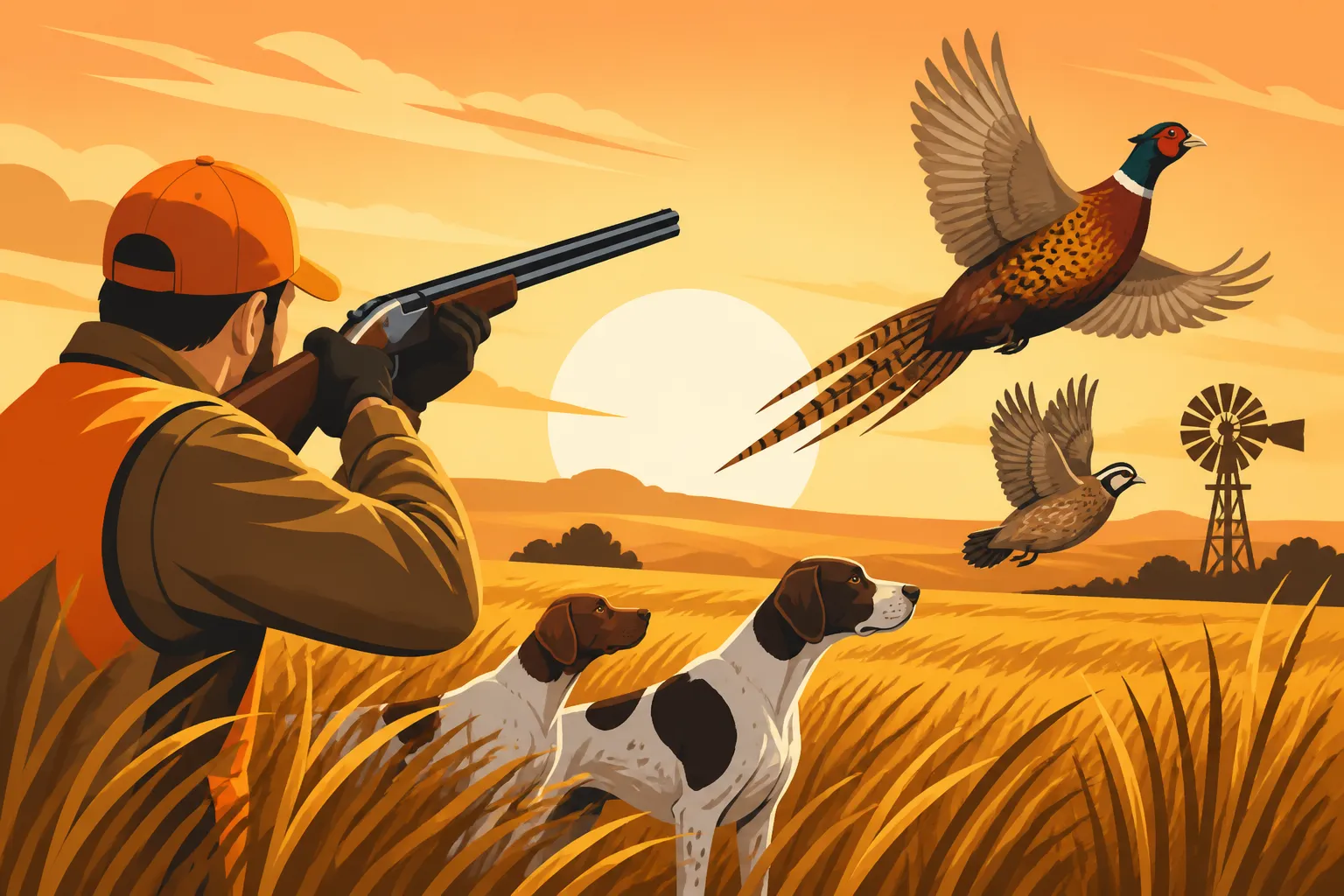
There’s nothing quite like the rush of a rooster pheasant bursting from cover or the explosive flush of a bobwhite covey in the vast, open landscapes of Kansas. But if you’re not a local with private land access or years of experience navigating public tracts, trying to piece together a successful pheasant or quail hunt can feel overwhelming, like trying to find a needle in a haystack made of milo stubble. This guide is here to cut through that frustration, walking you through everything you need to know about Kansas pheasant and quail hunt packages, so you can focus on the thrill of the hunt instead of the logistics.
Why Consider a Kansas Upland Bird Hunt Package?
For many hunters, the dream of a Kansas upland bird hunt involves endless fields, abundant birds, and the camaraderie of good friends and loyal dogs. In reality, turning that dream into a successful trip can be a monumental undertaking. That's where a well-structured hunt package truly shines, taking a lot of the guesswork and heavy lifting off your shoulders.
The DIY Challenge vs. Guided Convenience
If you've ever tried to plan a do-it-yourself (DIY) upland hunt in a new state, you know the grind. It often starts with countless hours staring at online maps, trying to identify promising public access areas or scouring forums for whispers of good private ground. Then comes the call-around game, trying to secure lodging, figure out where to eat, and, if you're bringing your own dogs, find suitable kennel space or pet-friendly accommodations. Factor in fuel costs, the uncertainty of bird numbers in specific areas, and the sheer physical effort of walking miles of CRP or milo fields without local knowledge, and it can quickly become more work than fun.
A guided hunt package essentially hands you the keys to an experience that's already been meticulously planned. Instead of spending your precious vacation days scouting, you're spending them hunting. The outfitter has already done the legwork: securing prime hunting acreage, often through long-standing relationships with landowners, and monitoring bird populations. They know where the birds are likely to be holding based on weather, crop rotations, and pressure. For many, especially those traveling from out of state or with limited time, this convenience is worth every penny, transforming a potentially stressful trip into a relaxing and productive adventure.
Accessing Prime Hunting Ground
One of the biggest hurdles for any out-of-state or new Kansas upland hunter is gaining access to quality ground. While Kansas boasts an impressive Kansas Walk-In Hunting Access Explained (WIHA) program and other public lands, these areas can often experience significant hunting pressure, especially on weekends and during the early parts of the season. Knowing which WIHA tracts hold birds, how they've been hunted, and which areas consistently produce can take years of boots-on-the-ground experience.
Outfitters, by contrast, often have exclusive access to thousands of acres of private land through lease agreements. This land is typically managed specifically for upland birds, meaning critical habitat like plum thickets, CRP, milo and corn stubble, and crucial water sources are maintained. This private access translates directly to higher bird densities and, crucially, less competition from other hunters. Imagine hunting all day without seeing another hunting rig, or having a vast tract of prime cover entirely to yourself – that's the kind of access a quality outfitter can provide. They've cultivated these relationships, and their business depends on providing consistent, quality opportunities on land you'd never find or gain permission to on your own.
Expertise and Equipment Provided
Beyond access, a good outfitter brings a wealth of expertise and often, specialized equipment that enhances your hunt. Their guides are seasoned bird hunters, intimately familiar with local bird behavior, the terrain, and effective hunting strategies. They know Upland Bird Hunting Kansas Grass and Milo Edges and where the coveys are likely to hold up. They can read the wind, understand how birds flush, and position hunters for the best shooting opportunities.
Many outfitters also provide well-trained bird dogs – pointers, flushers, or retrievers – which are invaluable assets for locating and recovering birds in dense cover. If you don't own a bird dog or don't want to travel with yours, this is a huge benefit. Some even offer shotgun rentals or have blinds set up in strategic locations. The logistics of dog care, transportation, and ensuring they're performing at their peak is handled, leaving you to simply enjoy watching them work. From guiding you to the right spots to offering insights on Working Pheasant Fields Without a Dog if you're going dogless, their experience is an unparalleled resource.
Types of Kansas Pheasant and Quail Hunt Packages
Just as there are different ways to hunt, there are different types of hunt packages designed to fit various budgets, experience levels, and desired levels of involvement. Understanding these distinctions is key to finding the perfect fit for your Kansas upland adventure.
Fully Guided Experiences
A fully guided package is the gold standard for many seeking a truly immersive and hands-off hunting experience. This is where an outfitter handles virtually every detail from the moment you arrive until you depart. Typically, a fully guided hunt includes professional guides, often with their own well-trained bird dogs, leading you in the field. They'll drop you off at prime hunting spots, direct the dogs, strategize pushes, and ensure you're in the best position for a shot.
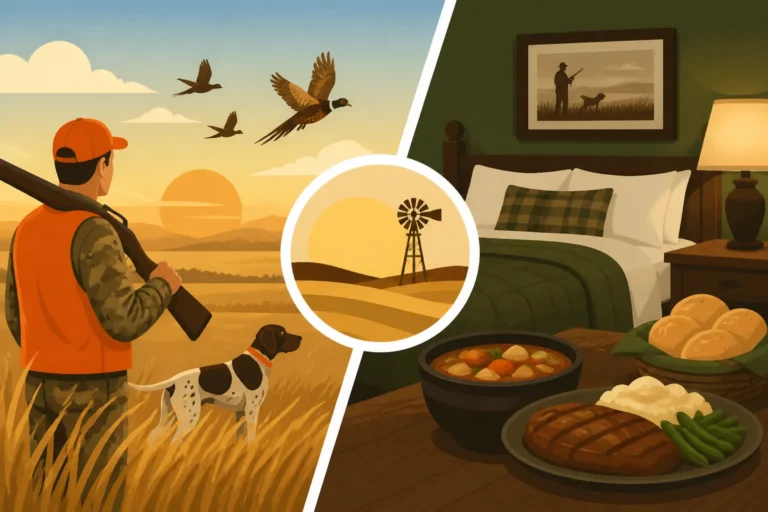
Beyond the field, these packages usually bundle in comfortable lodging, often at a dedicated hunting lodge or a local motel they partner with. Meals are frequently included, ranging from hearty breakfasts before the hunt to delicious dinners in the evening. Bird cleaning and packaging services are also common inclusions, meaning you don't have to worry about processing your birds after a long day. For those who want to maximize their time hunting and minimize logistical stress, this is often the ideal choice. It's a comprehensive experience where your primary focus is enjoying the hunt itself.
Semi-Guided Adventures
Semi-guided packages offer a middle ground between the full-service experience and a completely DIY trip. In this scenario, the outfitter still provides access to prime private hunting ground, which is often the biggest advantage. However, the level of in-field assistance is reduced. You might receive maps of the property with suggested hunting routes or areas known to hold birds, but you'll be responsible for navigating the terrain, working your own dogs (if you bring them), and making your own hunting decisions.
Lodging might be included, but meals could be on your own, giving you more flexibility. Some semi-guided options might include a guide for a portion of your hunt, perhaps for the first day to help you get acquainted with the property, before letting you take the reins. These packages are excellent for hunters who enjoy the challenge of figuring things out in the field, have their own dogs, or simply prefer more independence, but still want the undeniable advantage of exclusive access to unpressured private land. It offers a significant step up from public land hunting without the full cost of a guided trip.
Self-Guided Lease Options
For the truly independent hunter, or groups looking for a more private and personalized experience, securing a self-guided lease through an outfitter or land manager can be an attractive option. In this model, you're essentially renting exclusive hunting rights to a specific tract of private land for a set period. The outfitter's role is primarily to provide the lease and sometimes general information about the property, but all other aspects – lodging, meals, guiding, dog handling, bird processing – are entirely up to you.
This approach requires more planning and self-sufficiency but offers the ultimate in flexibility and privacy. You can hunt at your own pace, use your own strategies, and bring your own group without feeling rushed or constrained by an outfitter's schedule. Platforms like BookYourHunt or GoHunt often list available hunting leases in Kansas, allowing you to browse different properties, compare features, and book directly. This is a great choice for experienced upland hunters with a strong group dynamic, good dogs, and a desire to manage their own hunting adventure from start to finish. Just remember to thoroughly vet the property details and understand the terms of the lease before committing. You'll want to ask about Kansas Hunting Lease Costs and what exactly is included.
What to Expect in a Typical Kansas Upland Package
When you're looking at different hunt packages, it's crucial to understand exactly what you're paying for. The inclusions can vary wildly, and knowing the specifics will help you compare options fairly and avoid any unwelcome surprises.
Hunting Days and Bag Limits
Most Kansas upland hunt packages are structured around a set number of hunting days, typically ranging from two to four days. These days are usually full-day hunts, often starting early and breaking for lunch before resuming in the afternoon. The package price will directly correlate with the number of hunting days offered.
Bag limits are always dictated by Kansas state regulations, which specify daily and possession limits for pheasants and quail. Outfitters will adhere strictly to these rules. For example, you'll need to know the Kansas Upland Bird Season Dates and Limits for the current year. While an outfitter will strive to put you on enough birds to fill your limit, they can't guarantee it; bird hunting is, after all, still hunting. However, a reputable outfitter on quality ground will provide ample opportunities. Some outfitters might offer additional birds at an extra cost if you're hunting preserve birds, but for wild bird hunts, state limits are paramount. Always confirm the specific daily and possession limits with your chosen outfitter, as well as the rules regarding taking your harvested birds home.
Lodging, Meals, and Amenities
The quality and type of lodging included in a package can range from rustic bunkhouses to luxurious lodges with all the comforts of home. Many dedicated upland hunting lodges offer shared rooms, common areas for socializing, and often, a distinct hunting camp atmosphere. Other outfitters partner with local motels, providing private rooms but potentially less communal space. When comparing packages, ask to see photos of the lodging and get a clear understanding of whether rooms are private or shared, and what amenities are available (e.g., private bathrooms, Wi-Fi, laundry facilities). You can learn more about general options for Kansas Hunting Lodge Accommodation.
Meals are a significant component for many hunters, and a full meal plan is often a hallmark of a premier package. This usually includes breakfast, lunch (sometimes a packed lunch for the field), and a hearty dinner. Dietary restrictions can often be accommodated if communicated in advance. Some packages might offer continental breakfast only, or just dinner, leaving you to fend for yourself for other meals. For semi-guided or self-guided options, meals are typically not included, requiring you to budget and plan for your own food. Always clarify the exact meal plan, as it can greatly impact your overall experience and budget.
Bird Cleaning, Packaging, and Dog Services
These "extras" can make a huge difference in convenience. Many fully guided packages include bird cleaning and packaging. After a successful hunt, guides will often breast out your pheasants and quail, ensuring they're properly prepared for transport. They might also vacuum seal or freeze the meat, making it ready for your journey home. This saves you a lot of time and messy work after a long day in the field. If this service isn't included, you'll need to factor in the time and equipment required to do it yourself.
For hunters without their own dogs, the provision of well-trained bird dogs and handlers is one of the most compelling reasons to choose a guided package. These dogs are essential for efficiently finding and retrieving birds, particularly in dense Kansas cover. Ensure you confirm that dogs are included and whether you're expected to tip the dog handler as part of your Tipping a Kansas Guide gratuity. If you plan to bring your own dogs, ask about kennel facilities, any associated fees, and whether there are rules about hunting with personal dogs on their property alongside their own. Some outfitters might not allow outside dogs to prevent potential conflicts or disease transmission.
| Feature | Fully Guided Hunt | Semi-Guided Hunt | Self-Guided Lease |
|---|---|---|---|
| Field Guide | Included, often with dogs | Limited or optional, may be orientation only | Not included |
| Hunting Dogs | Provided (outfitter's dogs) | Bring your own (or hunt dogless) | Bring your own (or hunt dogless) |
| Access | Exclusive private land | Exclusive private land | Exclusive private land |
| Lodging | Usually included, quality varies | Sometimes included (e.g., basic cabin) | Not included, arranged by hunter |
| Meals | Often included (all meals) | Rarely included | Not included, arranged by hunter |
| Bird Cleaning | Often included | Rarely included | Not included, done by hunter |
| Field Transport | Often included (to and from hunting areas) | Not typically included, use own vehicle | Not included, use own vehicle |
| Price Shape | Higher end, all-inclusive | Mid-range, focus on access | Lower to mid-range, lease fee only |
| Flexibility | Lower, follows outfitter schedule | Moderate, more independence | High, completely self-directed |
| Effort Required | Low, outfitter handles logistics | Moderate, hunter handles some logistics | High, hunter handles all logistics |
Choosing the Right Kansas Outfitter for Your Upland Hunt
Selecting an outfitter isn't just about finding someone with available dates; it's about finding the right partner for your hunting adventure. A little due diligence here can save you a lot of disappointment later.
Researching Reputable Outfitters
The internet is your friend, but use it wisely. Start by searching for Kansas pheasant and quail outfitters. Look at their websites, paying attention to the details of their packages, photos from past hunts, and testimonials. Websites like BookYourHunt and GoHunt often feature lists of outfitters, complete with reviews and detailed descriptions, which can be an excellent starting point for comparison. These platforms aggregate information and can help you discover outfitters you might not find through a simple search.
However, don't stop there. Seek out independent reviews on hunting forums, social media groups dedicated to Kansas hunting, and even through word-of-mouth from fellow hunters. A reputable outfitter will have a consistent track record of positive feedback. Be wary of those with little online presence or an overwhelming number of generic, undated testimonials. Look for outfitters that have been in business for several years, as this often indicates stability and a proven ability to deliver. Also, check if they are properly licensed and insured in Kansas, which is a sign of professionalism and adherence to state regulations.
Key Questions to Ask Before Booking
Once you've narrowed down a few potential outfitters, pick up the phone and have a conversation. This is your chance to ask detailed questions and get a feel for their operation. Here are some essential queries:
- Land Access: "How much private ground do you control, and how much of it is exclusively managed for upland birds? How many acres will my group be hunting each day?" Understand their total acreage and how many groups might be hunting simultaneously.
- Bird Populations: "What are the typical bird numbers like on your property? How do you manage your habitat to support pheasants and quail?" This will give you insight into their commitment to conservation and bird management. You might also ask about Kansas Pheasant Population Cycles or Quail Numbers After a Wet Spring.
- Guides and Dogs: "How many guides will be with our group? What kind of dogs do they run, and how experienced are they? Are your guides licensed?"
- Guest-to-Guide Ratio: "What is your typical hunter-to-guide ratio?" A lower ratio generally means more personalized attention.
- Success Rates: "What are your historical success rates in terms of limiting out or seeing good bird numbers?"
- Cancellations and Deposits: "What is your deposit policy, and what are the terms for cancellations or rescheduling?" This is critical, especially given unexpected circumstances.
- What's not included? Be explicit about asking what costs might arise beyond the package price, such as licenses, gratuities, ammunition, or personal gear.
- References: Always ask for contact information for recent clients you can speak with directly.
Understanding Success Rates and Client References
Outfitters often tout "success rates," but these numbers can be interpreted in various ways. It's important to differentiate between an "opportunity rate" (how many chances you have at birds) and a "kill rate" (how many birds are actually harvested). A good outfitter should be able to provide a high opportunity rate, meaning you'll see plenty of birds, even if you or your companions miss a few shots.
When you call client references, don't just ask if they had a good time. Dig deeper:
- "Was the lodging as described?"
- "Were the meals good and plentiful?"
- "Did the guides work hard for your group?"
- "Was the property well-maintained and did it hold birds consistently?"
- "Were there any hidden costs or surprises?"
- "Would you hunt with this outfitter again, and why or why not?"
Pay attention to any recurring issues or glowing praise. Honest feedback from past clients is one of the most reliable indicators of an outfitter's quality and integrity.
Booking Your Kansas Upland Hunt: Timing and Logistics
Once you've chosen an outfitter, it's time to nail down the specifics of your trip. Getting the timing right and understanding the logistical requirements is crucial for a smooth experience.
Best Times for Pheasant and Quail in Kansas
Kansas upland bird seasons typically kick off in early to mid-November, continuing through January. The "best" time to hunt can depend on your priorities:
- Early Season (November): When the season first opens, bird numbers are generally at their highest. The cover is often thicker, however, making birds harder to find and flush but also offering more natural protection. Weather can be mild, which is pleasant for walking, but can also make for challenging dog work if it's too warm. You'll want to review Kansas Pheasant Season Dates and Kansas Quail Season Dates.
- Mid-Season (December): As crops are harvested and natural cover starts to thin, birds tend to concentrate in remaining strips of cover, CRP fields, or Quail Coveys in Plum Thickets, making them easier to locate. Colder weather can improve dog performance and bird holding patterns. This is often a popular time, so booking well in advance is essential.
- Late Season (January): By late season, birds are typically "wised up" from hunting pressure and have gathered into larger coveys or flocks. They can be harder to approach but often offer spectacular flushes when found. This period is often characterized by colder temperatures and potential snow, which can make for excellent hunting conditions if you're prepared for the elements.
Discuss with your outfitter what they consider the prime dates based on their experience and the specific properties they hunt. Many premier dates, especially in November and early December, get booked a year or more in advance.
Permits, Licenses, and Hunter Education
Before you even step foot in a Kansas field, you'll need the appropriate licenses and permits. Non-residents will need a non-resident hunting license and a Kansas Upland Bird Stamp. Kansas residents also need a hunting license. These can usually be purchased online through the Kansas Department of Wildlife, Parks and Tourism (KDWP) website or at authorized vendors across the state. Your outfitter can often provide direct links or guidance on exactly what you need.
It's important to be aware of Kansas Hunter Education Age Requirement. If you were born on or after July 1, 1957, you must have successfully completed a hunter education course approved by the KDWP or show proof of hunter education certification from another state or country. There are exceptions for apprentice hunters, but it's best to confirm your eligibility well before your trip. Always double-check the current year's regulations on the KDWP website or with your outfitter, as rules can occasionally change. Don't forget to inquire about Kansas Small Game Licence Requirements.
Travel Considerations to Kansas Hunting Hotspots
Kansas is a big state, and reaching your hunting destination might involve a bit of travel. Most hunters drive, bringing their own vehicles, gear, and sometimes their dogs. If you're flying in, you'll want to research the nearest regional airport to your outfitter's lodge. Major airports like Kansas City (MCI) or Wichita (ICT) offer more flight options, but you might then have a significant drive to reach your hunting area. Some smaller regional airports might be closer but have fewer flight choices.
When flying with firearms, you must adhere to strict Transportation Security Administration (TSA) regulations. Firearms must be unloaded, in a locked, hard-sided case, and declared to the airline at check-in. Ammunition must be in its original packaging or a suitable container. If you're bringing dogs, inquire about airline pet policies and any specific kennel requirements. Many outfitters offer airport pickup services for an additional fee, which can be a huge convenience if you're not renting a car. Always coordinate your travel plans, especially arrival and departure times, with your outfitter well in advance.
Maximizing Your Experience on a Guided Kansas Bird Hunt
You've invested your time and money, now make the most of it! Being prepared and understanding expectations can significantly enhance your guided hunting trip.
What to Pack: Gear and Clothing Essentials
Kansas weather can be notoriously unpredictable, especially during the fall and winter upland seasons. It can swing from mild and sunny to bitterly cold and windy in a single day. Layering is absolutely critical. Here's a suggested packing list:
- Clothing: Thermal underwear, moisture-wicking base layers, insulating mid-layers (fleece or down), and a good quality, windproof, water-resistant outer shell. Blaze orange is often required or strongly recommended for safety during upland hunts, so bring a vest, hat, or jacket in the appropriate color. Multiple pairs of socks (wool or synthetic) are a must.
- Footwear: Comfortable, waterproof, and well-broken-in hunting boots are non-negotiable. You'll be doing a lot of walking, potentially through wet grass or light snow.
- Headwear: A warm hat for cold mornings and a cap for sun protection.
- Gloves: Light gloves for shooting and heavier, insulated gloves for colder weather.
- Eye Protection: Essential for safety, protecting against stray pellets and brush.
- Hearing Protection: Crucial when shooting, even in open fields.
- Shotgun: A reliable 12-gauge or 20-gauge shotgun is standard. Bring cleaning supplies.
- Ammunition: Confirm with your outfitter what shot sizes and loads they recommend or provide. Bring plenty, as you'll likely shoot more than you expect!
- Game Vest/Belt: For carrying shells, water, and harvested birds.
- Water Bottle/Hydration Pack: Staying hydrated is important, even in cold weather.
- Camera: To capture memories!
- Coolers: If you're processing your own birds and driving home, bring coolers with ice or frozen gel packs.
- Personal First Aid: Basic meds, blister treatment, etc.
Always check with your outfitter for their specific recommendations, as they know the local conditions best.
Hunter Etiquette and Tipping Your Guide
A guided hunt is a service, and like any service industry, gratuities for excellent service are customary and appreciated. Tipping your guide is standard practice and shows your appreciation for their hard work, knowledge, and dedication to making your hunt successful. While there's no hard-and-fast rule, a common guideline is to tip around 15-20% of the total hunt cost. If there's a separate cook or lodge staff, a separate gratuity for them is also a thoughtful gesture. Present cash directly to your guide at the end of the trip.
Beyond tipping, practicing good hunter etiquette will go a long way. This includes:
- Listen to your guide: They are the experts on their ground and their birds. Follow their instructions regarding safety, shooting lanes, and dog handling.
- Respect the dogs: Give them space, don't interfere with their work, and offer them praise when due.
- Be a good shot: Practice before your trip to ensure you're confident in your abilities. Good shooting minimizes crippled birds and maximizes opportunities. You want to ensure you have good Shot Placement on a Whitetail at Twenty Yards – though this is for deer, the principle of knowing your weapon and target applies universally.
- Communicate: If you're tired, need a break, or have a question, speak up.
- Be a team player: Encourage fellow hunters and celebrate their successes.
- Leave no trace: Pack out everything you pack in.
Safety First: Field Practices and Rules
Safety is paramount on any hunting trip, and a guided upland hunt is no exception. Your guide will review safety protocols at the beginning of your hunt, and it's essential that you adhere to them without exception. These rules are for everyone's protection.
Key safety practices often include:
- Muzzle Control: Always be aware of where your muzzle is pointing, especially when walking in a line with other hunters and dogs.
- Shooting Lanes: Understand your designated shooting lanes and never swing on a bird if it means pointing your muzzle at another hunter, guide, or dog.
- Identifying Your Target: Be 100% certain it's a legal bird and you have a clear shot.
- Loaded Guns: Only load your shotgun when instructed by your guide, typically once you're in the field and ready to begin hunting. Unload it immediately when moving between fields, crossing fences, or returning to the vehicle.
- Falling: If you trip or fall, maintain muzzle control and immediately declare "Falling!" so others are aware.
- Communication: Announce "Bird!" or "Rooster!" or "Hen!" clearly when a bird flushes to alert others.
Remember, a guided hunt means you have an experienced professional looking out for your safety. Trust their judgment, follow their lead, and always prioritize safety over shooting a bird. A safe hunt is a good hunt, regardless of the bag.
Disclaimer
This article is for general informational purposes only and does not constitute professional advice. Laws, prices and regulations vary by location and change over time. Consult a qualified professional for guidance on your specific situation.