Booking a Kansas Rut Hunt Early
There's nothing quite like the dream of a Kansas rut hunt, is there? That crisp November air, the crunch of frosted leaves underfoot, and the electrifying chance of a true monarch buck cruising by, solely focused on does. It’s a hunt that draws folks from all corners of the country, captivated by the state’s reputation for producing absolute giants. But that dream can quickly turn into frustration when you realize that everyone else has the same idea, and the prime dates for these sought-after experiences vanish faster than a coyote in a plum thicket. This guide is all about helping you navigate the competitive world of booking a Kansas rut hunt, ensuring you're not left scrambling for leftovers, and securing your spot when the action truly heats up.
Why the Kansas Rut Demands Early Booking
Kansas has earned its legendary status in the deer hunting world for a reason, and much of that mystique revolves around the rut. The sheer potential for harvesting a world-class whitetail buck when they are at their most vulnerable and active is an undeniable draw. But with such high demand comes intense competition for the best opportunities, especially when it comes to guided or outfitted hunts during those magical November weeks.
The Lure of the Kansas Rut
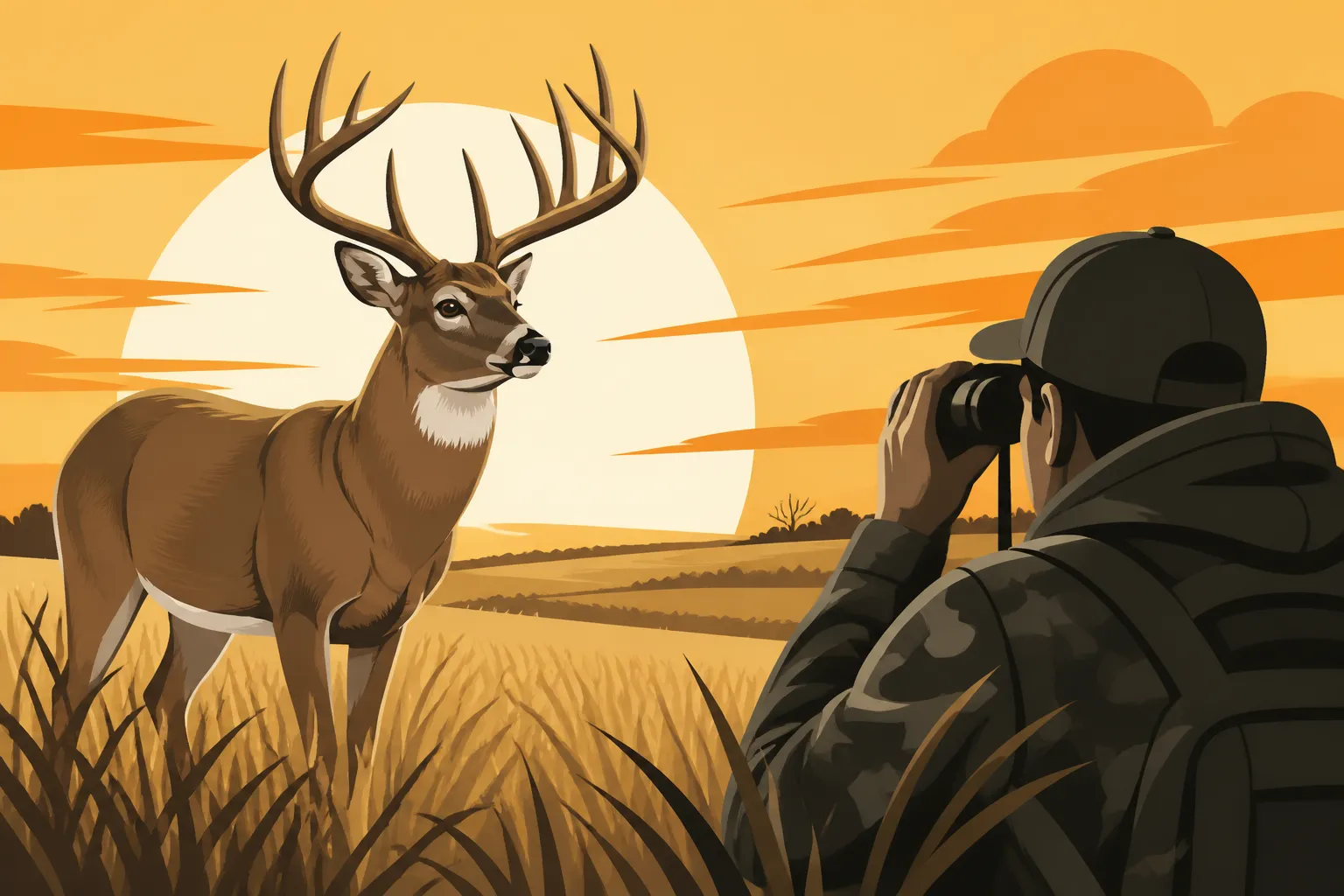
Let's be honest, the allure of the Kansas rut is almost spiritual for a serious deer hunter. We're talking about a period where mature bucks, often elusive and nocturnal for much of the season, throw caution to the wind in pursuit of does. This means increased daylight movement, more opportunities for rattling, grunting, and decoying, and simply a higher probability of encountering that buck you've been dreaming about. The genetic potential, combined with the agricultural abundance and careful management practices across much of the state, consistently yields impressive body sizes and exceptional antler growth. It’s a hunt that promises high drama and the chance to witness deer behavior at its most intense.
Many hunters fantasize about those perfect moments: a big ten-point ghosting through the timber edge at first light, or a wide-racked buck scent-checking a scrape line in broad daylight. These are the kinds of encounters that make memories and fill freezers, and they are exponentially more common during the peak of the rut. It's not just about the size of the deer; it's the raw, instinct-driven spectacle of nature unfolding right before your eyes. Knowing that When the Kansas Rut Peaks helps you zero in on those crucial windows.
The Scarcity of Prime Dates
Here’s the cold, hard truth: everyone wants to hunt the peak rut in Kansas. Outfitters, who often manage thousands of acres of prime deer habitat, have a finite number of spots available, especially during the first two to three weeks of November. These prime dates, where bucks are actively cruising, chasing, and fighting, are typically the first to be snatched up. You might find that even calling an outfitter a year out, some of the most desired weeks are already gone.
This scarcity creates a unique challenge. If you wait until spring or summer of the year you want to hunt, you’ll likely find yourself choosing from less-than-ideal dates, or worse, finding no availability at all with reputable operations. It's a classic supply-and-demand problem, where the demand for Kansas rut hunts far outstrips the available supply of prime hunting slots, leading to a frustrating experience for those who don't plan well in advance. This can be especially true for specific weapon seasons, as Kansas Deer Season Dates by Weapon vary, and each weapon type has its own popular windows.
Understanding Peak Rut Timing
While "the rut" technically spans several weeks, most hunters are aiming for that intense 7-10 day window when chasing, breeding, and fighting are at their zenith. In Kansas, this typically falls in early to mid-November, though it can fluctuate slightly year to year based on weather patterns, doe estrus cycles, and buck activity. Knowing this general timeframe is crucial for planning your booking strategy, as these are the dates that will disappear first from any outfitter's calendar.
Outfitters often break down their season into specific hunt blocks, with the November rut blocks carrying a premium and selling out fastest. It’s not uncommon for these operations to have bookings two, even three years in advance for their prime rut dates. Understanding that there's a difference between "rut activity" and "peak breeding" can help manage expectations, but the reality is, most hunters want to be there for the highest possible level of buck movement, and that's precisely what you're competing for.
The Booking Timeline: When to Act
So, when exactly is "early"? It's a question every hunter asks, hoping there's some secret window they haven't missed yet. Unfortunately, the answer for a Kansas rut hunt is often earlier than you might think, sometimes even before you've considered your tag options for the current year. Getting ahead of the curve is the only way to ensure you land the dates you want.
The Ideal Window for Securing Your Spot
For a truly prime Kansas rut hunt with a reputable outfitter, the ideal booking window is often 12 to 24 months in advance. Yes, you read that right—planning two years out is not uncommon for the most sought-after operations and the best weeks of November. This might sound extreme, especially if you're used to booking closer to the season, but it's the reality of the Kansas outfitting scene. Top outfitters with a proven track record, excellent ground, and consistent success rates fill their calendars rapidly.
Waiting until six months before the season or even the spring of the hunt year almost guarantees you'll be choosing from leftover dates, or possibly finding no availability at all during the rut. If your heart is set on those specific mid-November dates, you simply cannot afford to drag your feet. Think of it like booking a major holiday vacation to a popular destination; the best resorts and flights get reserved far in advance.
Factors Affecting Booking Urgency
Several elements play into just how quickly those coveted spots disappear. Firstly, the popularity of the outfitter or the specific hunting unit they operate in significantly impacts booking urgency. Outfitters with a consistent history of big bucks and happy clients will always have a longer waiting list. Secondly, your specific weapon choice matters. Archery season during the rut is incredibly popular, as is the early December firearm season. If you're committed to bowhunting, you might need to book even earlier to secure those archery-specific rut dates.
Finally, your group size can influence availability. A solo hunter might find an open spot here and there, but if you’re planning a trip with two, three, or even more hunting buddies, finding an entire block of dates that accommodates everyone's schedule and the outfitter's availability becomes exponentially harder. Always be upfront with an outfitter about your group size when inquiring, as this can affect their recommendations for booking timelines.
Planning Around the Kansas Deer Draw
Perhaps the most unique aspect of booking a nonresident Kansas deer hunt is navigating the state's lottery draw system. Unlike some states where you can purchase an over-the-counter tag, nonresidents must apply for a permit, and success is not guaranteed. Kansas Deer Permits and the Nonresident Draw is a complex process that requires careful attention. When you book an outfitter two years out, you're essentially committing to a hunt before you even know if you'll draw a tag for that specific year.
Most reputable outfitters understand this dynamic and have policies in place to address it. You'll typically apply for your permit in April of the hunt year. How to Apply for a Kansas Nonresident Deer Permit covers the specifics. If you are unsuccessful in the draw, many outfitters will offer to roll your deposit over to the following year, allowing you to try for a tag again. It’s crucial to clarify these "draw out" policies before you commit any funds. Some hunters choose to build up preference points over a few years, making their draw success more likely, which allows for more confident advance booking.
What to Look for When Researching Outfitters
Once you understand the urgency of booking early, the next step is finding the right outfitter. This isn't a decision to take lightly; a guided hunt is a significant investment of time, money, and emotional energy. You want to ensure you're entrusting your Kansas rut dream to a professional operation that aligns with your hunting style and expectations.
Reputation and References
This is, without a doubt, the most critical aspect of your research. A slick website and impressive photos are great, but they don't tell the whole story. Start by asking for references – and lots of them. A good outfitter will gladly provide a list of past clients, and you should make the effort to call several of them. Ask detailed questions: Were the guides knowledgeable and helpful? Was the lodging as described? How was the food? Was the hunting pressure manageable? Were the stands safe and well-placed? Checking a Kansas Outfitter's Reputation is paramount to avoiding disappointment.
Beyond direct references, delve into online forums, social media groups, and review sites. Be wary of operations with consistently negative reviews or a complete lack of any online presence. Platforms like BookYourHunt can be useful for gathering initial information and seeing aggregated reviews, allowing you to filter by specific regions or hunt types. While you won't find every outfitter here, it's a good starting point for discovery and comparing initial offerings. Remember, a single bad review isn't always a dealbreaker, but a pattern of complaints should raise a serious red flag.
Understanding Hunt Packages and Inclusions
Kansas outfitters offer a variety of hunt packages, and it's essential to understand exactly what you're paying for. The three main types are fully guided, semi-guided, and self-guided (often a lease arrangement). Kansas Semi-Guided and Self-Guided Hunts breaks down these differences. A fully guided hunt typically includes lodging, meals, transportation to and from the stand, stand placement, and often field dressing and caping services. Semi-guided hunts might provide lodging and general advice, but you're more responsible for your own transportation and stand hunting. Self-guided leases are usually just access to land, with you handling everything else.
Always get a clear, itemized list of what's included and, just as importantly, what isn't. Common exclusions include your hunting license and deer permit (which you purchase separately through the state), meat processing, taxidermy, and tips for guides and cooks. Ensure there are no hidden fees, especially "trophy fees" that might be charged for bucks over a certain score, unless you are comfortable with that arrangement and it's clearly laid out in the contract.
Lease Acreage and Hunter Density
This is where a lot of hunters get tripped up, and it's a critical factor in the quality of your experience. Don't be shy about asking an outfitter how much ground they control and, more specifically, how many hunters will be on that ground during your hunt week. A large tract of land sounds great, but if it's over-pressured with too many hunters, the quality of the hunting can plummet. It's a common frustration to travel all that way only to feel like you're competing with other hunters on the same property.
Ask about the typical hunter-to-acre ratio, or how many hunters will be in camp that week. Inquire about the number of stand locations available and if they're rotated to reduce pressure. For instance, do they only hunt certain stands on certain wind directions? Are there "rested" areas? Understanding the outfitter's strategy for managing hunting pressure is crucial. High pressure during the rut can quickly shut down buck movement, turning a dream hunt into a frustrating waiting game. This ties into understanding Hunting Pressure Patterns on Kansas Public Land, but even on private ground, pressure management is key.
Navigating the Application and Deposit Process
Once you've done your research and chosen an outfitter, it's time to formalize the booking. This involves financial commitments and navigating the Kansas permit application system, which can feel a bit like a maze if you're not prepared.
Deposits and Payment Schedules
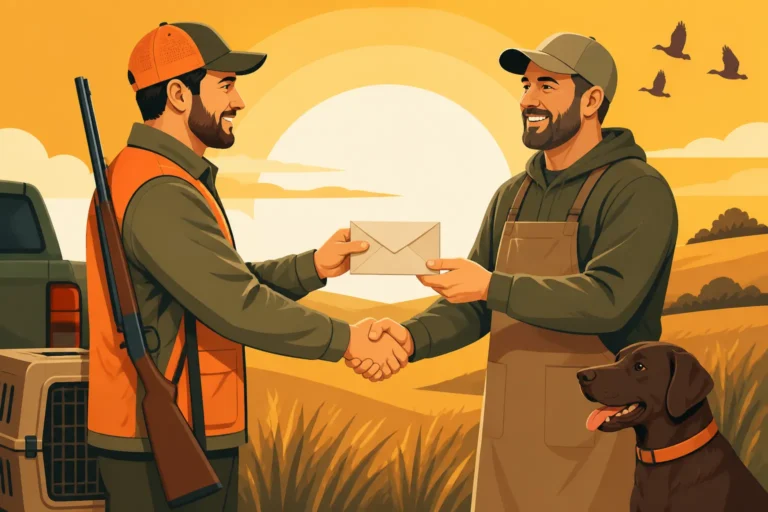
Be ready to put down a significant deposit when you book, especially for those prime rut dates. It's common for outfitters to require anywhere from 25% to 50% of the total hunt cost upfront to secure your dates. This deposit is usually non-refundable, as it holds your spot and prevents the outfitter from booking someone else. Make sure you understand the payment schedule for the remaining balance. Often, the final payment is due 60 to 90 days before your hunt, but this varies greatly.
The most important step here is to get everything in writing. A clear, comprehensive contract should detail the dates of your hunt, the total cost, what's included, the deposit amount, the payment schedule, and any cancellation or draw-out policies. This contract is your safety net and ensures both parties are on the same page. Do not rely solely on verbal agreements. Reviewing Outfitter Contracts and Deposits in Kansas can help you understand what to look for.
Cancellation Policies and Trip Insurance
Life happens. Sometimes, despite your best intentions and early planning, unforeseen circumstances force you to cancel a long-anticipated hunt. This is where cancellation policies and trip insurance come into play. As mentioned, most deposits are non-refundable. If you cancel close to the hunt date, you could lose the entire cost of the trip, especially if the outfitter can't re-book your spot.
Consider purchasing trip insurance, especially if you're making a substantial investment. Many independent providers offer policies specifically tailored to hunting and fishing trips. This insurance can cover situations like medical emergencies, job loss, or severe weather that prevents travel, allowing you to recoup your costs if you have to cancel. It's a small upfront expense that can save you thousands down the line and offer immense peace of mind. Discuss these options with your outfitter; they might even recommend a specific provider.
Working with the Kansas Draw
For nonresidents, the Kansas deer draw is a critical hurdle. You'll need to apply for your tag in the spring (typically April) of the year you plan to hunt. Your outfitter should be able to provide guidance on which unit to apply for, based on their lease locations. Some outfitters even offer assistance with the application process, or direct you to resources like GoHunt, which can provide valuable insights into draw odds and unit breakdowns, helping you pick a primary and adjacent unit. Choosing a Primary and Adjacent Kansas Unit is a strategic decision that can impact your success.
If you don't draw a permit in the year you've booked your hunt, most outfitters have a policy to address this. The most common solution is to roll your deposit over to the following year, allowing you to apply in the next draw. This means you might be hunting a year later than planned, but it protects your financial investment. Ensure this "draw out" policy is clearly stated in your contract before you sign and send your deposit.
Maximizing Your Chances After Booking
Booking your Kansas rut hunt early is a huge step, but the work isn't over. To truly maximize your chances of success, you need to engage in proper preparation, both in terms of communication with your outfitter and your own physical readiness.
Pre-Season Communication with Your Outfitter
Don't just book and forget. Stay in touch with your outfitter in the months leading up to your hunt. They are on the ground constantly, monitoring deer activity, running trail cameras, and observing patterns. A good outfitter will appreciate your proactive communication and keep you informed. Ask about current conditions – is it a dry year? Are crops still standing? What kind of buck activity are they seeing?
Discuss your hunting preferences: Do you prefer ground blinds or treestands? Do you like to rattle and grunt, or prefer a quiet sit? The more information you share about your style, the better they can tailor your experience, or at least suggest strategies that will work best for you. This dialogue builds rapport and ensures everyone is aligned for a successful hunt. This intel can be invaluable for understanding Milo and Corn Stubble Deer Patterns or where deer might be bedding in specific cover types like Cedar Thickets as Bedding Cover.
Physical and Mental Preparation
A rut hunt, especially a guided one, often involves long hours in the stand, early mornings, and late evenings. You need to be physically ready for the demands of the hunt. This means getting in shape. Walking, hiking, and even climbing stairs can help prepare your body for navigating timber, climbing into stands, and potentially dragging a big Kansas buck out of a creek bottom. Don't underestimate the physical toll of a week of intense hunting.
Equally important is mental preparation. Be ready for the grind. Deer hunting, even during the rut, involves patience, stillness, and the ability to handle varying weather conditions. Practice your shooting religiously. Whether it's your bow or rifle, be confident in your shot placement. If you'll be hunting from an elevated position, practice shooting from a treestand or simulated elevated position. Practicing Shots From a Treestand ensures you're ready when that moment of truth arrives. The last thing you want is to miss an opportunity because you weren't prepared.
Gear Selection for a Kansas Rut Hunt
Kansas weather in November can be notoriously unpredictable. You might start a morning in freezing temperatures, only for it to warm up significantly by midday, or experience sudden cold fronts and even snow. Layering your clothing is absolutely essential. Invest in quality cold-weather gear, waterproof outerwear, and comfortable, scent-controlled base layers. Cold Weather Stand Clothing is a critical component of staying comfortable and focused.
Beyond clothing, ensure your optics are top-notch. A good pair of binoculars and a rangefinder are indispensable for spotting deer at a distance in open country and accurately judging shot distances. Scent control is also paramount, even during the rut when bucks are less cautious. While claims about certain products vary, reducing human odor as much as possible is always a smart move. Ozone and Scent Control Claims can be debated, but fresh clothes and a wind-conscious setup are universally accepted best practices. Don't forget essentials like a reliable headlamp, extra batteries, and a comfortable seat cushion for those long sits.
Comparison of Kansas Outfitter Services
To help visualize the different levels of service and what you might expect, here’s a breakdown:
| Feature/Service | Fully Guided Hunt | Semi-Guided Hunt | Self-Guided (Outfitter Lease) |
|---|---|---|---|
| Lodging | Typically included, often a lodge or cabin. | Often included, sometimes a bunkhouse or shared facility. | May or may not be included; sometimes an add-on. |
| Meals | Included (breakfast, lunch, dinner). | Sometimes included; often a kitchen available for DIY. | Not included; you handle all your own meals. |
| Guide Ratio | High (e.g., 1:1 or 1:2 hunter:guide). | Lower (e.g., 1:3 or 1:4). | No guide; occasional check-ins from outfitter. |
| Stand Placement | Professionally hung and scouted stands; guided to them. | Stands often provided; you may transport yourself. | Access to property with general guidance; you hang/move stands. |
| Transportation | To/from stands, field recovery. | Often your own vehicle to drop-offs; sometimes recovery. | Your own vehicle; recovery is your responsibility. |
| Field Dressing | Often included or assisted. | May be assisted or provided with tools/advice. | Your responsibility. |
| Scouting/Intel | Extensive pre-season scouting; daily updates. | General area advice; maps; limited daily intel. | Basic property map; relies on your own scouting. |
| Price Point | Highest investment. | Mid-range investment. | Lowest investment among outfitted options. |
| Ideal For | First-time Kansas hunters, those seeking maximum service. | Hunters with some experience comfortable with independence. | Experienced hunters who enjoy DIY, prefer private land. |
This article is for general informational purposes only and does not constitute professional advice. Laws, prices and regulations vary by location and change over time. Consult a qualified professional for guidance on your specific situation.